
Hear from Our Customers
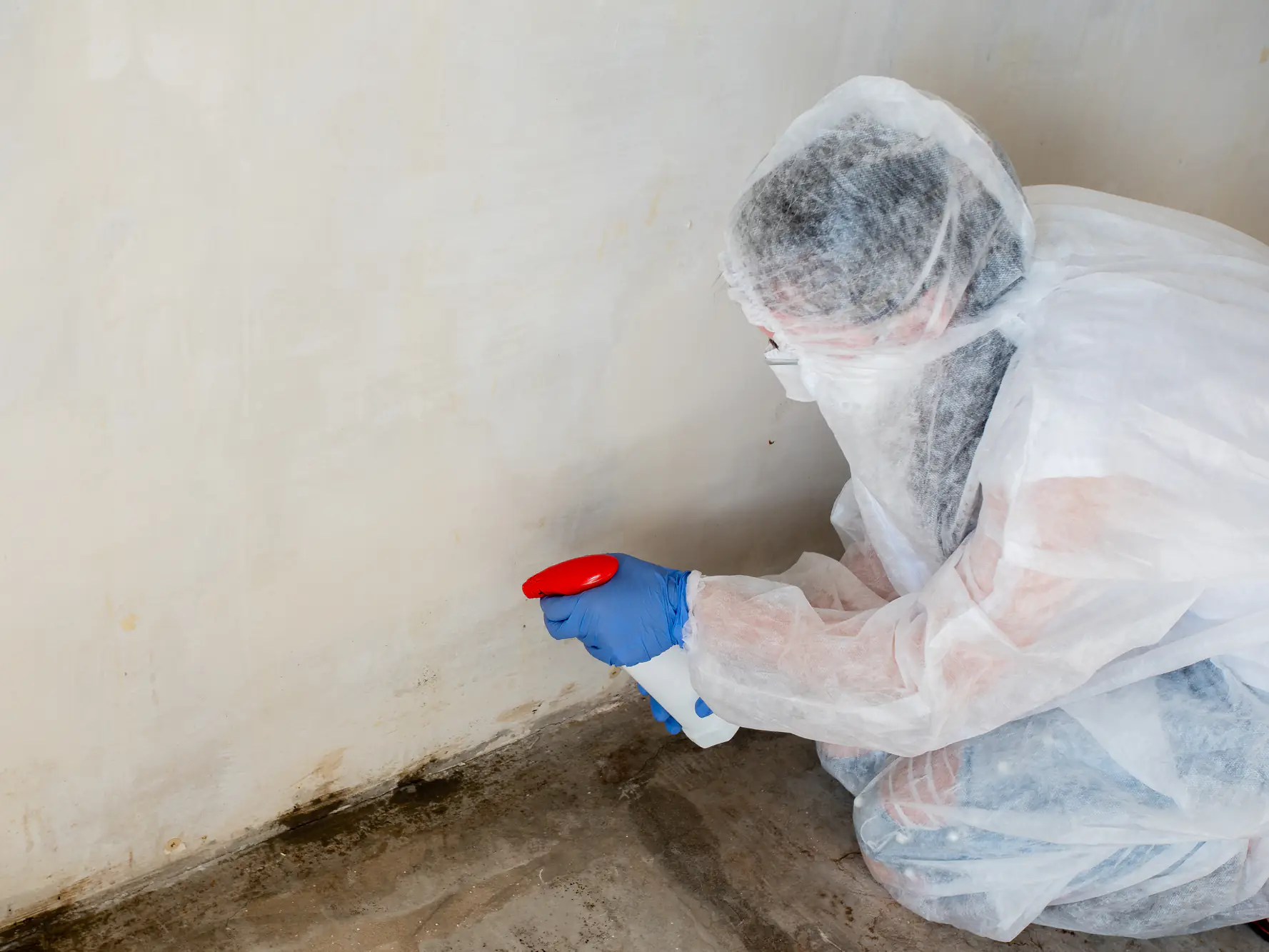
You stop wondering if that musty smell in the basement is making your kids sick. The sneezing fits calm down. The anxiety about what’s growing behind your walls goes away because someone actually looked with thermal imaging and moisture meters, not just their eyes.
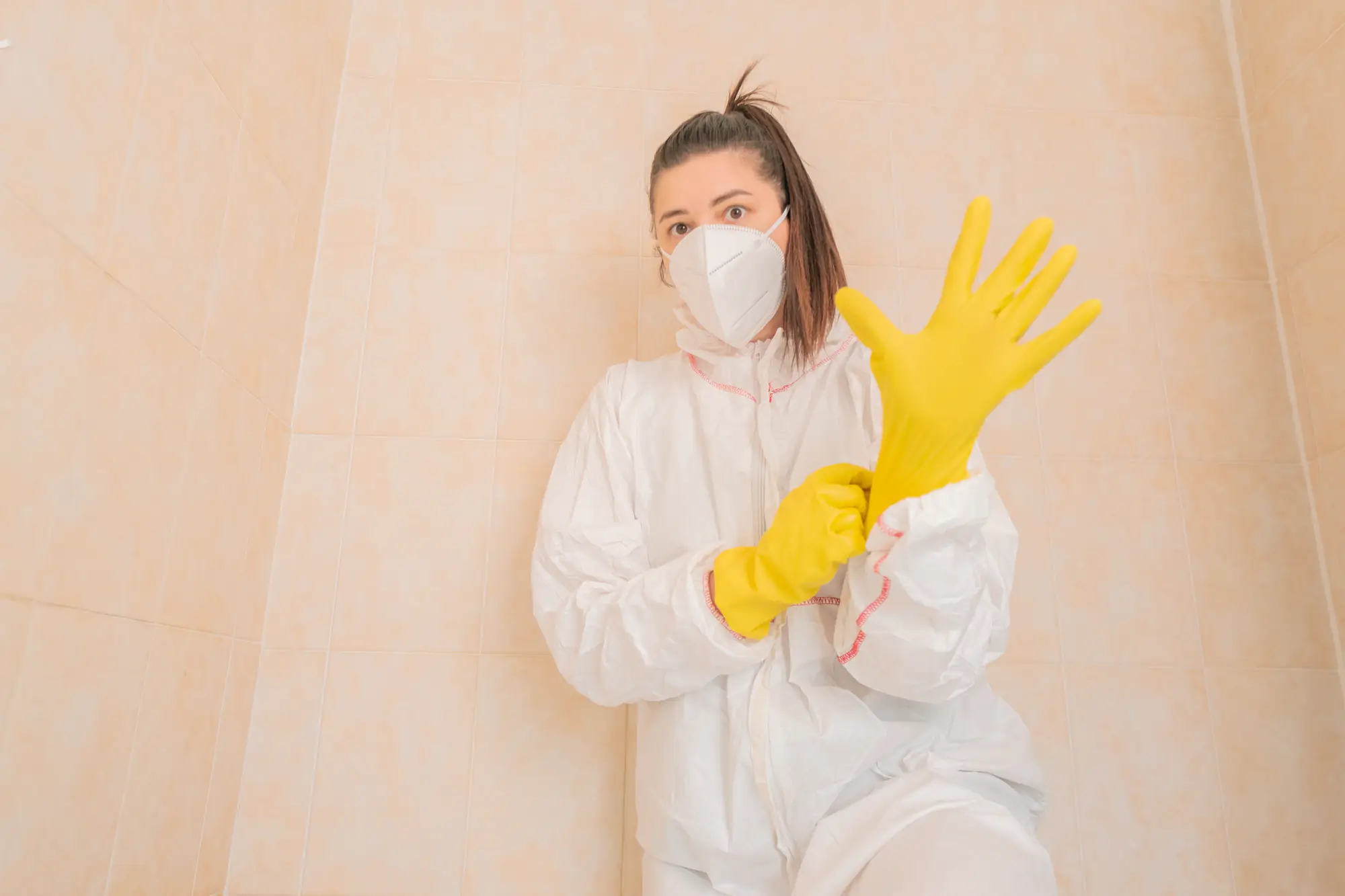
When mold gets removed correctly, the air in your home feels different. You’re not second-guessing every cough or stuffy nose. You know the source got addressed, not just the visible spots.
That’s what proper mold remediation does. It gives you a home you can breathe in without worry. No recurring black spots on the ceiling. No damp smell that never quite leaves. Just clean air and the confidence that comes from knowing a certified mold removal specialist handled it from start to finish.
We work exclusively in Bucks County because mold here isn’t the same as mold in Arizona. Farmbrook’s humid summers, older housing stock, and basement moisture issues create specific problems that need specific solutions.
We’ve seen what happens when homeowners try DIY bleach treatments or hire the cheapest option. The mold comes back because the leak didn’t get fixed or the humidity source wasn’t identified. We use moisture meters and thermal cameras to find what you can’t see, then we document everything so you know exactly what you’re dealing with.
Our team follows EPA and IICRC guidelines, and every job comes with a 5-year warranty and certificate of completion. We’re not the biggest mold remediation company in Pennsylvania, but we’re the ones who show up with the right equipment and actually explain what’s happening in your home.
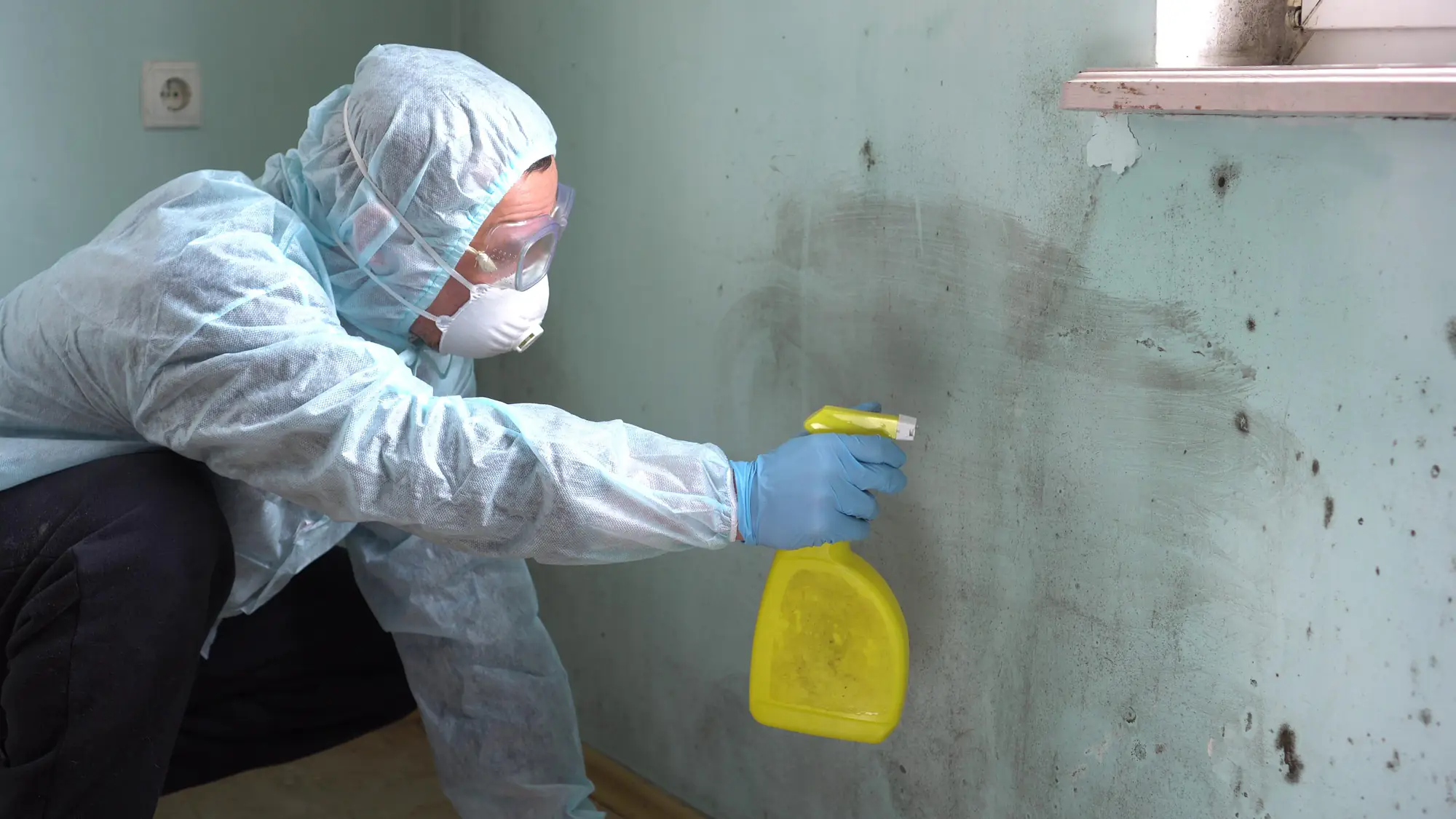
First, we assess. That means a visual inspection plus moisture mapping with professional-grade meters and thermal imaging. We’re looking for the source, not just the symptom. If there’s mold on your bathroom ceiling, we need to know if it’s a roof leak, condensation issue, or failed exhaust fan.
Next, we contain. Before removing anything, we isolate the affected area so mold spores don’t spread to clean parts of your home during cleanup. This involves physical barriers and negative air pressure systems.
Then we remove and clean. Depending on what we find, that could mean removing contaminated drywall, treating surfaces with specialized solutions, or HEPA vacuuming. We take samples for lab analysis when needed to confirm the mold type and verify complete removal.
Finally, we address the moisture source. This is the part most companies skip. If we don’t fix why the mold grew in the first place, you’ll be calling someone again in six months. We identify the root cause, recommend fixes, and verify the environment won’t support mold growth going forward.
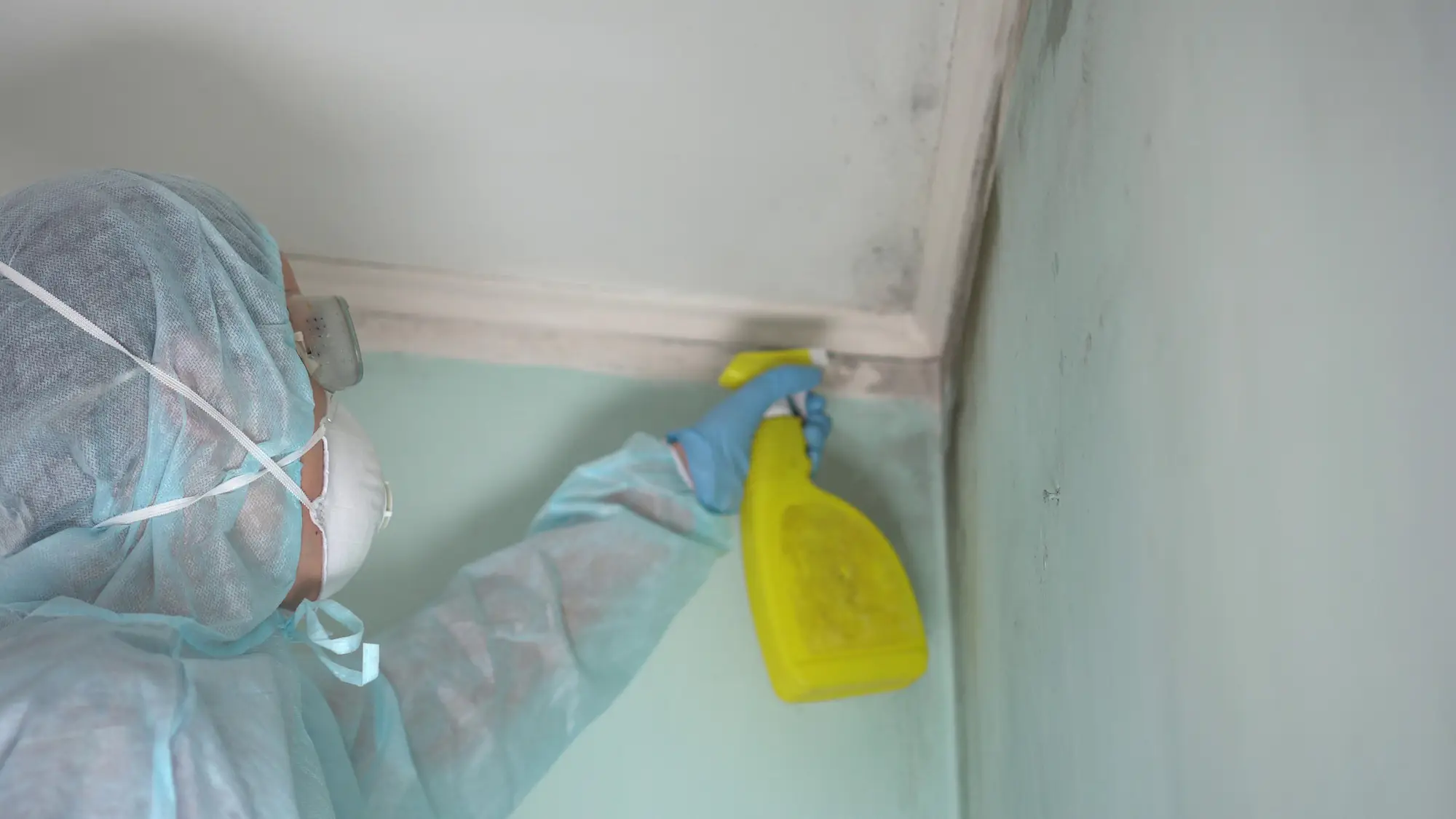
Ready to get started?
Every mold removal job includes a complete moisture assessment. In Farmbrook and surrounding Bucks County areas, that usually means checking basements for groundwater seepage, attics for ventilation problems, and bathrooms for exhaust issues. Pennsylvania’s humid climate means your home is constantly fighting moisture, especially during summer months.
You get thermal imaging to find hidden water damage behind walls and under floors. You get air quality testing before and after remediation. You get documentation that satisfies insurance requirements and protects your property value if you ever sell.
We also provide a detailed report explaining what we found, what we removed, and what needs to happen to prevent recurrence. That might mean fixing a gutter, installing a dehumidifier, or repairing a foundation crack. We’re not contractors, but we’ll tell you exactly what needs attention.
The 5-year warranty covers our work, but more importantly, it shows we’re confident the mold won’t return if you address the underlying moisture issue. Most black mold experts won’t stand behind their work that long because they know they’re only treating the surface.

If you can see mold growth larger than a few square feet, you need professional help. That’s the EPA’s guideline, not ours. Small spots on bathroom grout can be cleaned with household products. Mold covering a wall section, ceiling area, or spreading in your basement requires proper containment and removal.
You also need a mold removal specialist if you smell mold but can’t find it. That musty, earthy odor means mold is growing somewhere, probably behind a wall or under flooring. Thermal imaging and moisture meters find these hidden sources before they become major problems.
Health symptoms are another indicator. If people in your home have unexplained respiratory issues, eye irritation, or allergy symptoms that improve when they leave the house, you likely have a mold problem affecting your indoor air quality. This is especially concerning for children, elderly family members, and anyone with asthma.
Mold returns because the moisture source wasn’t eliminated. You can scrub every visible spore off your basement wall, but if groundwater still seeps through that foundation crack, you’ll have mold again within weeks.
Bucks County homes face specific moisture challenges. Humid summers create condensation in poorly ventilated attics. Older homes have foundation issues that let water in during heavy rain. Bathroom exhaust fans that vent into attics instead of outside create perfect mold environments.
The best mold remediation company doesn’t just clean what you can see. We use moisture meters to measure humidity levels in your walls and floors. We identify whether you have an active leak, a ventilation problem, or a structural issue. Then we tell you what needs to be fixed so the environment can’t support mold growth anymore. If someone removes your mold without addressing why it grew there, you’re wasting money.
A typical residential mold removal job takes two to five days, depending on the extent of contamination and what needs to be removed. Small bathroom mold might be handled in a day. A full basement with mold behind finished walls could take a week.
The assessment happens first and usually takes a few hours. We need time to inspect, measure moisture levels, and determine the scope of work. You’ll get a clear timeline before we start any removal.
Containment and removal follow. This is the bulk of the work—setting up barriers, removing contaminated materials, cleaning surfaces, and running air filtration. We can’t rush this part because proper containment prevents spreading mold spores throughout your home. After removal, we do post-testing to confirm the air quality is safe. That adds another day or two, but it’s the only way to verify the job was done correctly. Most mold and mildew experts who skip post-testing are hoping you won’t notice if they missed something.
It depends on what caused the mold. Most homeowners insurance policies cover mold removal if it resulted from a covered peril like a burst pipe or storm damage. They typically won’t cover mold from long-term neglect, maintenance issues, or flooding.
You need to document everything. Take photos of the damage before anyone touches it. Get a professional assessment that identifies the moisture source. Insurance companies want proof that the mold resulted from a sudden, accidental event, not gradual deterioration.
We provide detailed reports and work directly with insurance adjusters when needed. Our documentation includes moisture readings, photos, scope of contamination, and recommended remediation steps. This helps your claim process move faster. Even if insurance doesn’t cover the full cost, you’ll have a clear record of what was done and why it was necessary. That documentation protects your property value and gives you leverage if issues arise during a future home sale.
Mold removal means physically eliminating visible mold growth. Mold remediation means reducing mold levels to normal, natural amounts and addressing the conditions that allowed overgrowth in the first place. Remediation is the more accurate term because you can’t remove every single mold spore from a building—they’re everywhere in normal air.
Professional mold remediation focuses on getting your indoor mold levels back to what’s naturally occurring outside. That involves removing contaminated materials, cleaning surfaces, filtering air, and most importantly, eliminating the moisture source that fed the mold colony.
Companies that only offer “mold removal” are usually just cleaning visible growth without addressing why it happened. True mold experts understand that remediation requires identifying moisture sources, measuring humidity levels, and creating an environment where mold can’t thrive. In Farmbrook’s humid climate, that often means improving ventilation, fixing water intrusion points, and sometimes installing dehumidification systems. The goal isn’t a mold-free home—that’s impossible. The goal is a home where mold can’t grow out of control.
Bleach kills surface mold on non-porous materials like tile or glass, but it doesn’t penetrate porous surfaces like drywall or wood. The mold you see on your basement wall has roots (called hyphae) growing deep into the material. Bleach might lighten the visible stain, but it won’t kill the underlying growth.
Bleach also doesn’t address the moisture problem. You can spray every visible spot in your bathroom, and the mold will return in weeks if you haven’t fixed the humidity issue or leak. Plus, bleach fumes in enclosed spaces create their own health risks.
DIY cleaning makes sense for small areas under 10 square feet with no underlying moisture damage. Anything larger, anything hidden, or anything that keeps returning needs professional assessment. We see homeowners who spent months fighting mold with store-bought products before calling us. By that point, the contamination has usually spread further, making remediation more expensive than it would have been initially. Black mold experts exist because this problem requires specialized equipment and knowledge—not because we’re trying to upsell you on something you could handle yourself.
Other Services we provide in Farmbrook