
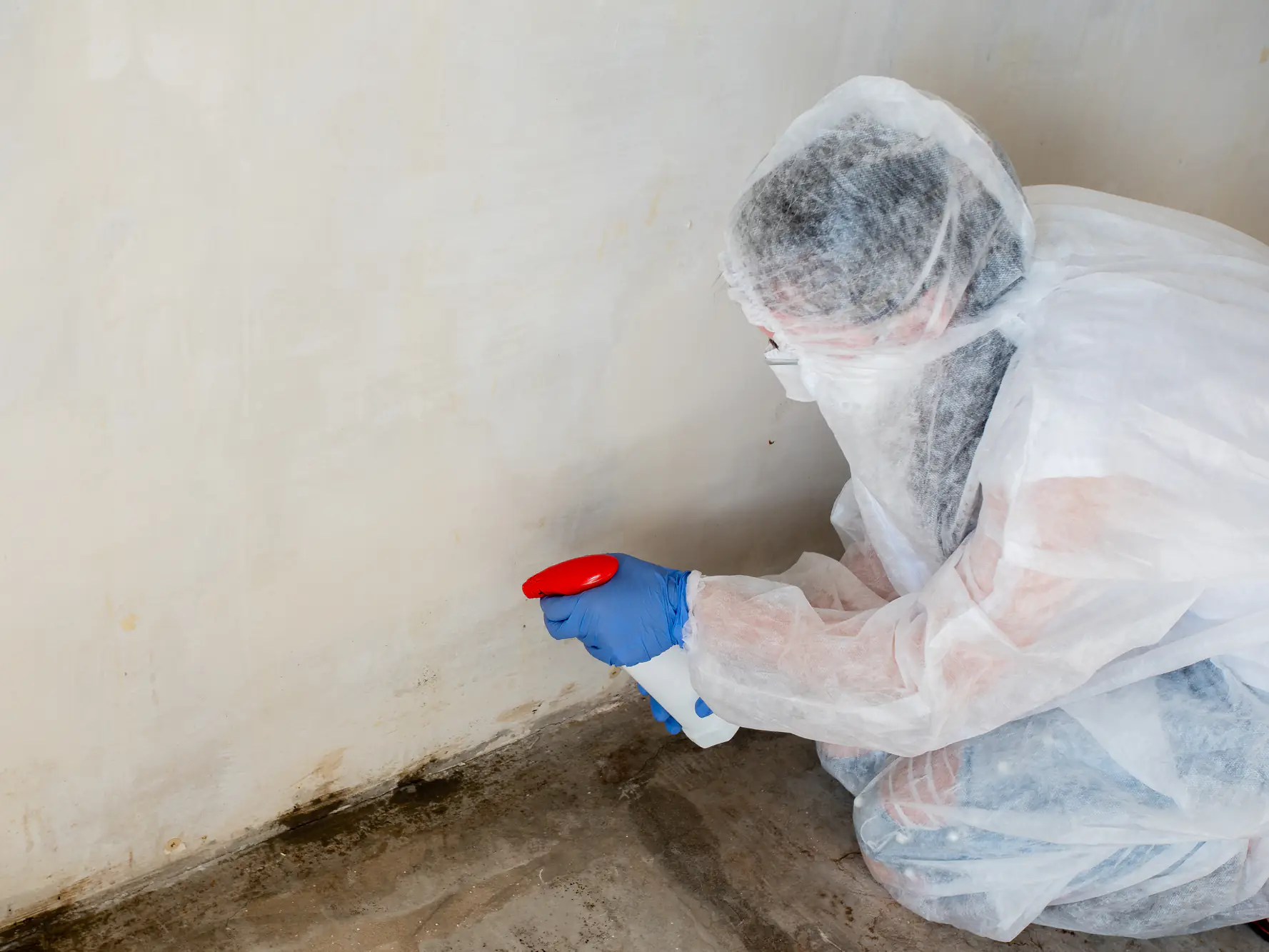
Hear from Our Customers
You stop worrying about what’s growing behind your walls. Your kids’ allergies calm down because the air quality in your home actually improves. You can sell your house without a buyer walking away during inspection, or you can buy that older Pinewood property knowing exactly what you’re dealing with.
The difference between surface cleaning and real mold remediation is whether it comes back. Pennsylvania’s humid summers create perfect conditions for mold to regrow within weeks if the moisture source isn’t fixed. When black mold experts handle the job correctly, we find the leak or humidity problem causing it, remove contaminated materials safely, and treat the area so spores can’t take hold again.
You get documentation that proves your home is safe. That matters for insurance claims, real estate transactions, and your own peace of mind when you’re trying to sleep at night.
Mack’s Mold Removal has been handling mold problems in Pinewood and throughout Bucks County for years. Our technicians live in this area, so we’ve seen what Pennsylvania’s seasonal changes do to basements, crawl spaces, and attics in homes built decades ago.
When you call 215-431-4744, you’re talking to people who understand why your sump pump failed during last spring’s heavy rains or why your bathroom exhaust isn’t cutting it during humid July weeks. We’re not a national franchise reading from a script. We’re the mold removal specialist your neighbors call when they find growth after a pipe bursts or when their home inspector flags something during a sale.
We use EPA-approved methods because cutting corners on mold work means it comes back. We show up when we say we will, we explain what we find, and we fix the actual problem.
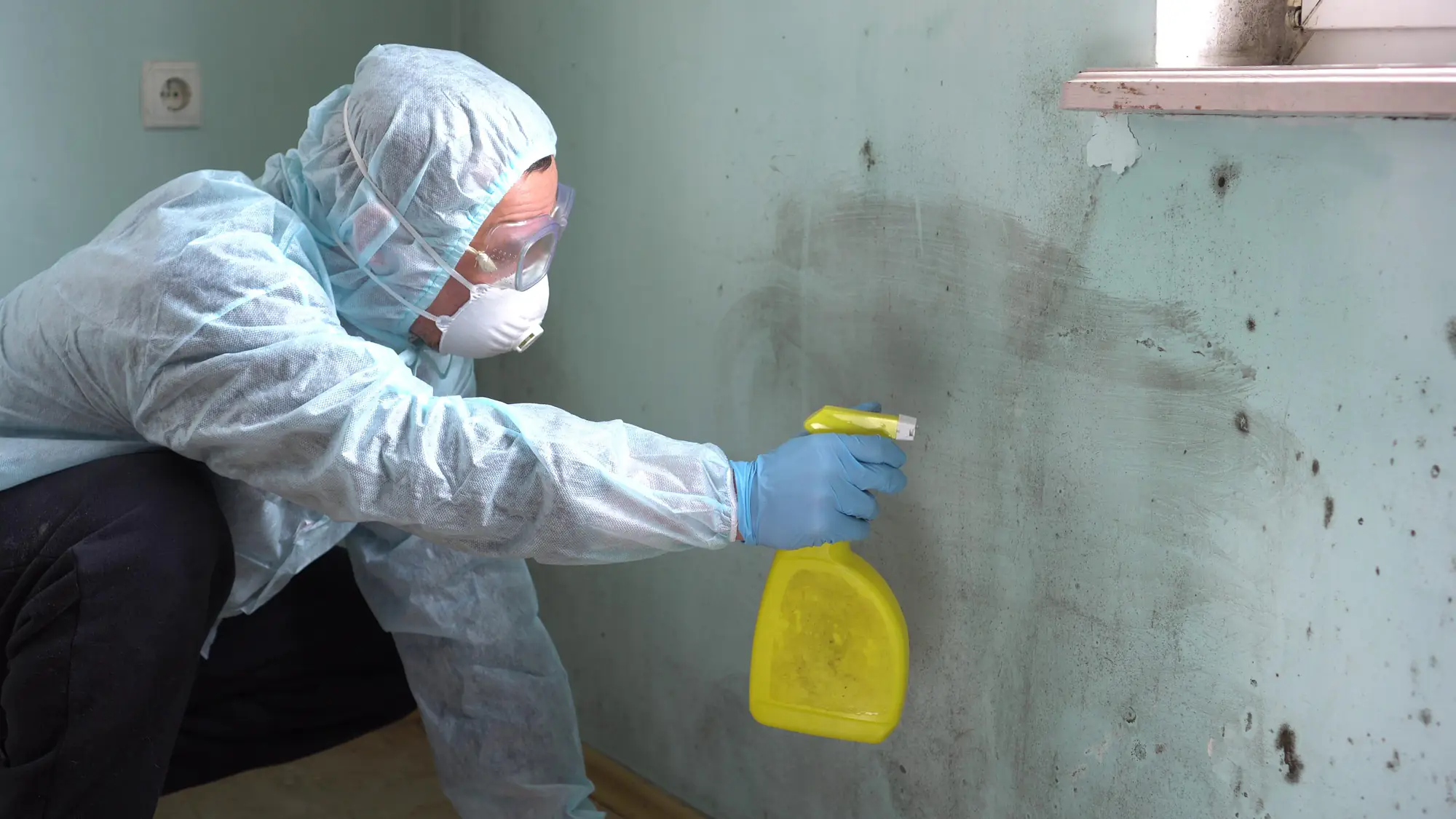
First, we inspect your property for free. That means checking obvious spots like your basement or bathroom, but also using thermal imaging and moisture meters to find hidden mold behind walls or under flooring. Bucks County homes often have mold growing in places you’d never see without the right equipment.
Once we know what we’re dealing with, you get a clear estimate before any work starts. No surprises. If insurance is involved, we handle that paperwork and work directly with your adjuster.
During remediation, we contain the affected area so mold spores don’t spread to clean parts of your home. We remove contaminated materials, treat surfaces with antimicrobial solutions, and use HEPA filtration to clean the air. Then we find and fix whatever caused the moisture problem in the first place – whether that’s a hidden leak, poor ventilation, or drainage issues common in Pinewood properties.
You get before-and-after documentation, lab results if needed, and a home that’s actually safe. If repairs are needed after removal, we handle that too so you’re not coordinating multiple contractors.
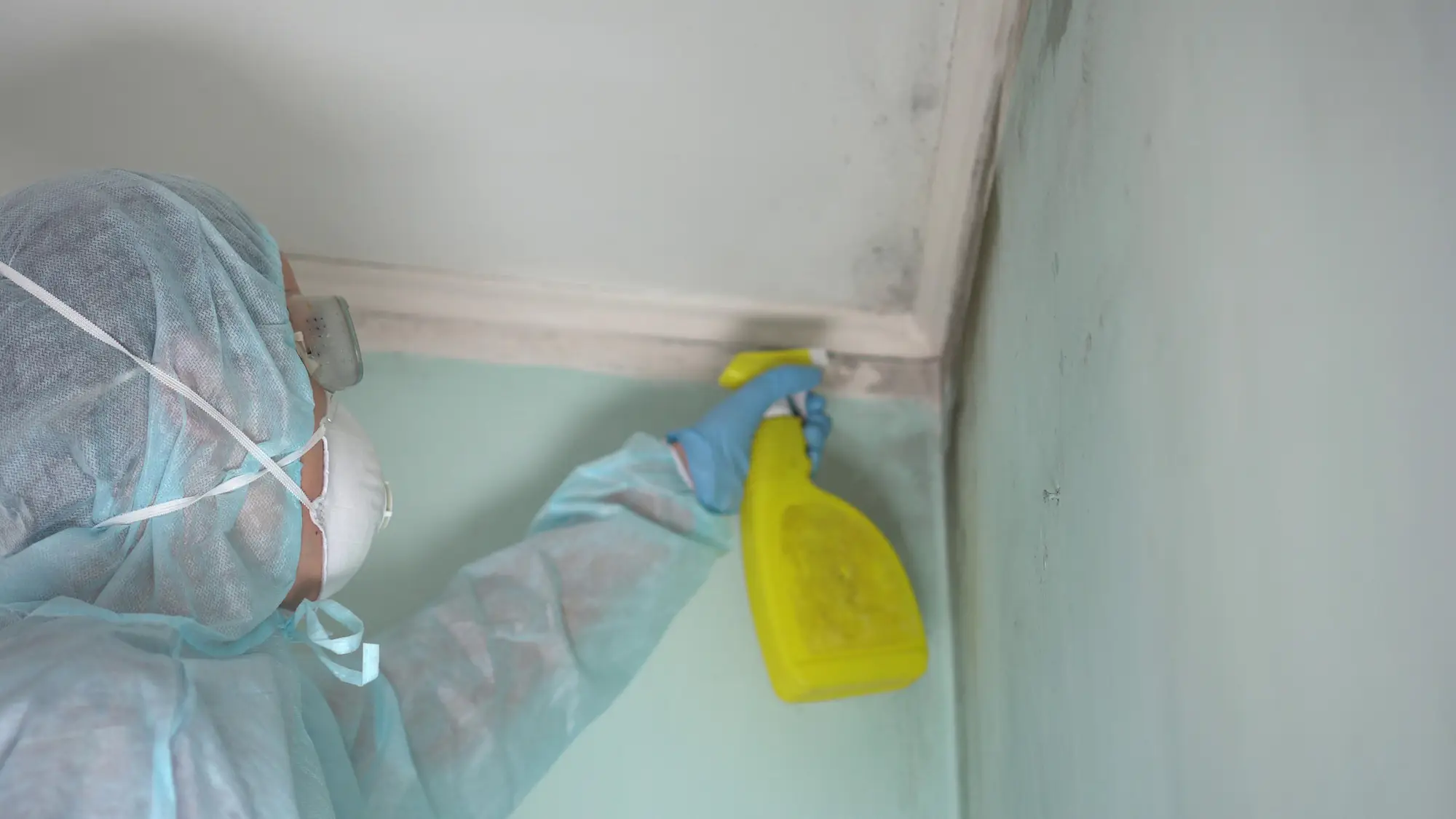
Ready to get started?
You get a thorough inspection that goes beyond what you can see. Our mold and mildew experts check attics, crawl spaces, behind appliances, and inside walls where Bucks County’s humidity tends to cause the most damage. We test air quality and moisture levels to understand the full scope.
The remediation itself covers removal of all contaminated materials, proper disposal following Pennsylvania regulations, treatment of affected areas, and HEPA air scrubbing. We don’t just kill surface mold and paint over it. We remove it completely and address the moisture source so it doesn’t return.
Every job includes insurance documentation if you’re filing a claim. We photograph everything, provide detailed reports, and communicate directly with adjusters. Many Pinewood homeowners discover their insurance covers more than they thought when the paperwork is handled correctly.
You also get prevention guidance specific to your home. Maybe your bathroom needs better ventilation, or your basement requires a dehumidifier during summer months. We explain what will actually prevent future problems in Pinewood’s climate, not just what sounds good.

Mold can start growing within 24 to 48 hours after water exposure, especially during Bucks County’s humid summer months. That’s not a lot of time if you’re dealing with a burst pipe, roof leak, or flooded basement.
The speed depends on temperature and humidity. When it’s 80 degrees and humid in July, conditions are nearly perfect for mold growth. Older Pinewood homes with poor ventilation or existing moisture issues see even faster growth because the environment is already primed for it.
This is why emergency response matters. If you discover water damage on a Friday evening, waiting until Monday to call someone means mold has already started spreading. We offer 24/7 availability because the clock starts ticking the moment water touches porous materials like drywall, insulation, or wood framing.
It depends on what caused the mold. Most Pennsylvania homeowners policies cover mold remediation if it resulted from a “covered peril” like a sudden pipe burst or storm damage. They typically won’t cover mold from long-term neglect, maintenance issues, or flooding.
The tricky part is that many policies cap mold coverage at $10,000 or less, and some exclude it entirely unless you purchased additional coverage. Around 47% of homes have some dampness or mold, but most property owners don’t realize their standard policy has limitations until they file a claim.
We work directly with insurance companies and know how to document everything properly. That includes proving the mold resulted from a covered event, showing the extent of damage, and justifying the remediation scope. Proper documentation often means the difference between a claim getting approved or denied. We handle the paperwork so you’re not fighting with adjusters while trying to make your home safe.
Musty odors are usually the first sign, especially in basements, bathrooms, or areas that don’t get much airflow. If you smell something off but can’t see visible growth, mold is likely growing behind walls, under flooring, or in your HVAC system.
Other indicators include water stains on ceilings or walls, peeling paint or wallpaper, warping floors, and increased allergy symptoms when you’re home. Many Pinewood residents notice their respiratory issues improve when they leave the house and worsen when they return – that’s often mold exposure.
We use thermal imaging cameras and moisture meters during inspections to find hidden growth. These tools detect temperature differences and moisture levels behind surfaces without tearing into walls unnecessarily. Bucks County’s older housing stock often has mold in crawl spaces, attics, and wall cavities where humidity accumulates but air doesn’t circulate. A proper inspection finds these problems before they become major structural issues or health hazards.
Mold removal usually means surface cleaning – scrubbing visible mold off walls or wiping down affected areas. Remediation means actually fixing the problem so it doesn’t come back.
True remediation involves identifying the moisture source, removing contaminated materials that can’t be saved, treating affected areas with antimicrobial solutions, and controlling humidity to prevent regrowth. It’s the difference between putting a band-aid on the issue and actually healing it.
In Pennsylvania’s climate, surface removal alone fails within months because the underlying moisture problem still exists. Your basement still floods during heavy rains, your bathroom exhaust still doesn’t vent properly, or that slow leak behind your washing machine keeps feeding new growth. The best mold remediation company addresses root causes, not just symptoms. That’s why we fix leaks, improve ventilation, and recommend dehumidification as part of the process – otherwise you’re just paying to remove mold that will return.
Most residential jobs take 3 to 5 days from start to finish, but it varies based on the extent of contamination and what caused it. A small bathroom mold problem might take 1 to 2 days. A finished basement with extensive growth behind drywall could take a week or more.
The timeline includes containment setup, removal of affected materials, treatment and cleaning, drying time, and air quality testing to confirm the space is safe. We can’t rush the drying phase – materials need to reach proper moisture levels or mold will just regrow.
If repairs are needed after remediation, that adds time. Replacing drywall, repainting, or reinstalling flooring happens after the mold work is complete and everything has dried properly. We coordinate the entire process so you’re not waiting weeks between remediation and repairs. For emergency situations where you need to get back into your home quickly, we prioritize containment and safety so you can occupy unaffected areas while we work.
If it’s a very small area – less than 10 square feet – and it’s on a non-porous surface like tile, you can probably handle it yourself with proper protection. Anything larger, anything on porous materials like drywall or wood, or anything involving your HVAC system needs professional remediation.
Black mold releases spores when disturbed. Without proper containment, you spread those spores throughout your home, making the problem worse. Without the right equipment, you’re breathing concentrated spores during removal, which creates real health risks – especially if you have asthma, allergies, or a compromised immune system.
Pennsylvania has no licensing requirements for mold contractors, which means anyone can claim they’re qualified. That creates risk for homeowners who hire the wrong company or try DIY remediation on serious contamination. We use containment barriers, HEPA filtration, negative air pressure, and proper disposal methods. We also find why the mold grew in the first place. If you just clean visible growth without fixing the moisture source, you’re wasting time and money because it returns within weeks.
Other Services we provide in Pinewood