
Hear from Our Customers
Mold doesn’t just sit on the surface. It spreads behind walls, under floors, into places you can’t see until the damage is done. And in Bucks County’s humid climate, it finds every opportunity to grow.
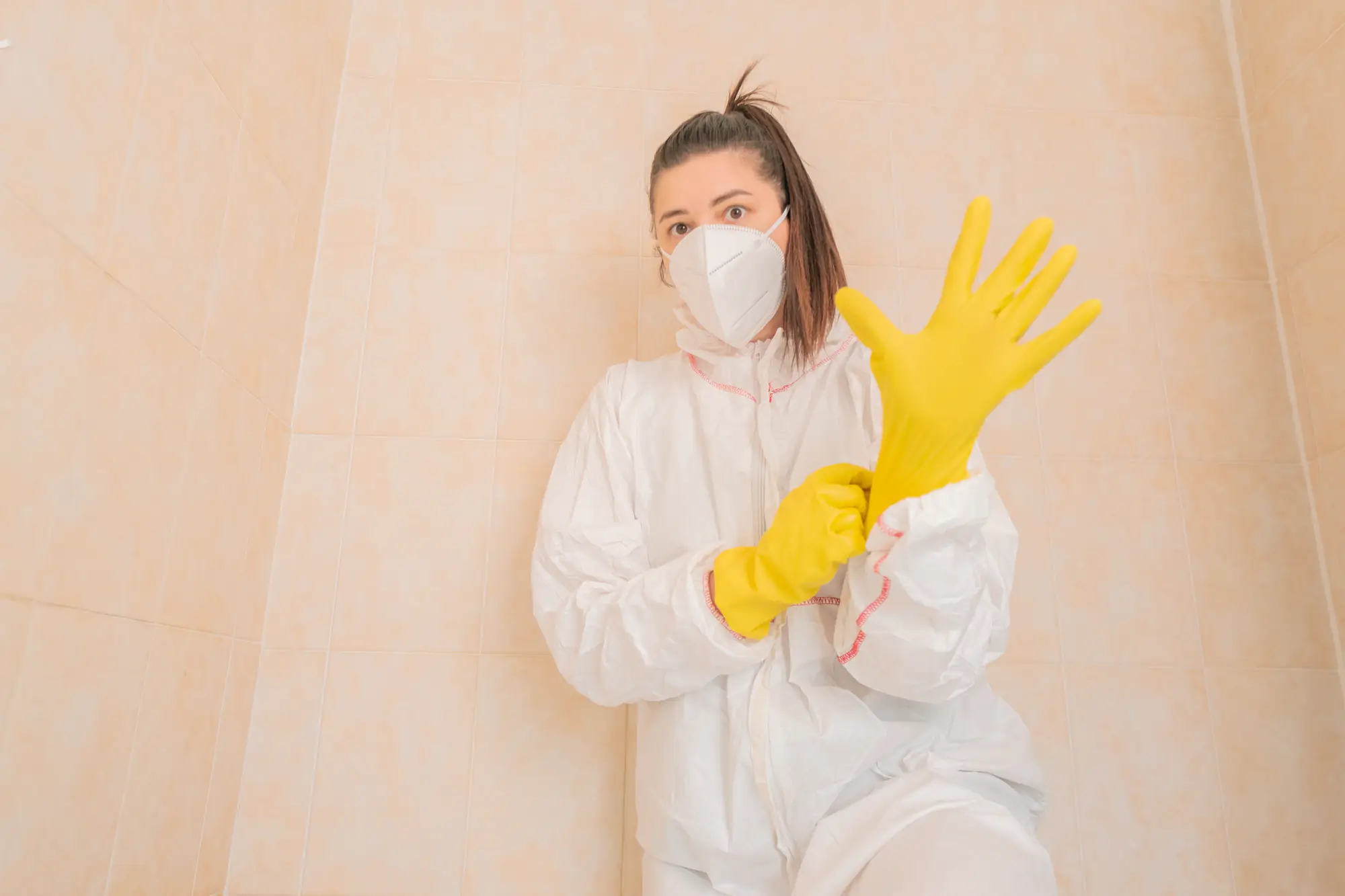
When you work with certified mold removal specialists who understand how moisture behaves in Pennsylvania homes, the problem gets handled at the root. That means better air quality for your family. Fewer allergy symptoms and respiratory issues. No more wondering if that musty smell means something worse is hiding.
The difference isn’t just a cleaner home. It’s knowing the job was done right the first time, with EPA-approved methods and equipment that actually removes mold instead of just covering it up. You’re not guessing anymore. You’re not waiting for it to come back.
Mack’s Mold Removal was built to serve homeowners in Rock Hill Station and throughout Bucks County. We’re not a national chain with a local phone number. We live here, work here, and understand exactly how this area’s climate creates mold problems.
Summers in Bucks County push humidity into the 75-80% range. Basements stay damp through spring. Attics trap heat and moisture all season long. These aren’t just facts—they’re conditions we deal with in nearly every home we inspect.
Our team is certified in mold remediation and trained on Pennsylvania’s regulations. We use thermal imaging to find hidden moisture, HEPA filtration to contain spores during removal, and proven methods to prevent regrowth. The goal isn’t just to remove what you can see. It’s to fix what’s causing it so you’re not calling someone else in six months.
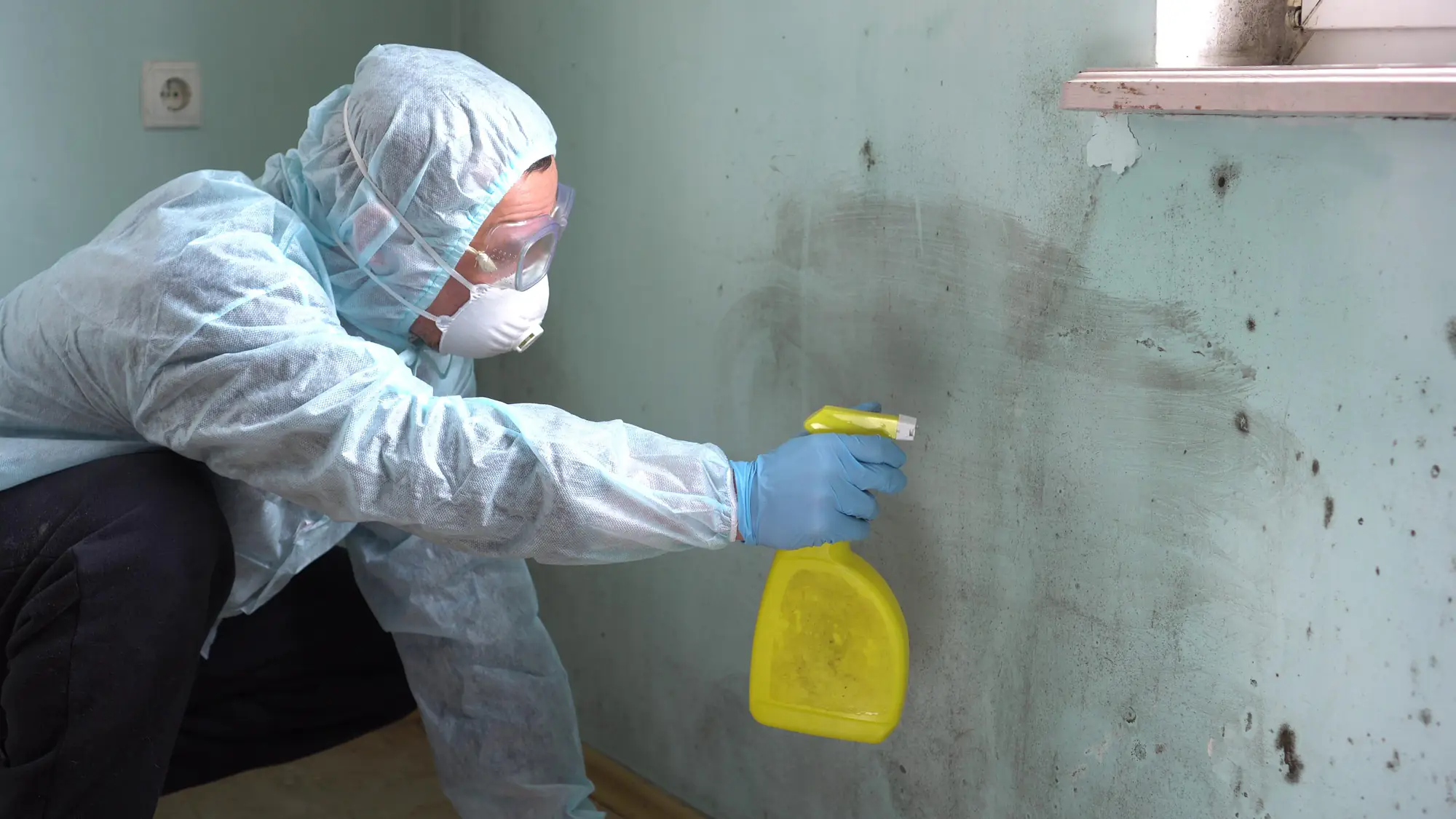
First, we inspect your property. That includes the obvious spots and the hidden ones—behind walls, under flooring, in crawl spaces and attics. We use moisture meters and thermal imaging to find where water is getting in and where mold is actually growing.
Once we know what we’re dealing with, we give you a clear estimate. No surprises. No upselling. Just a breakdown of what needs to happen and what it costs.
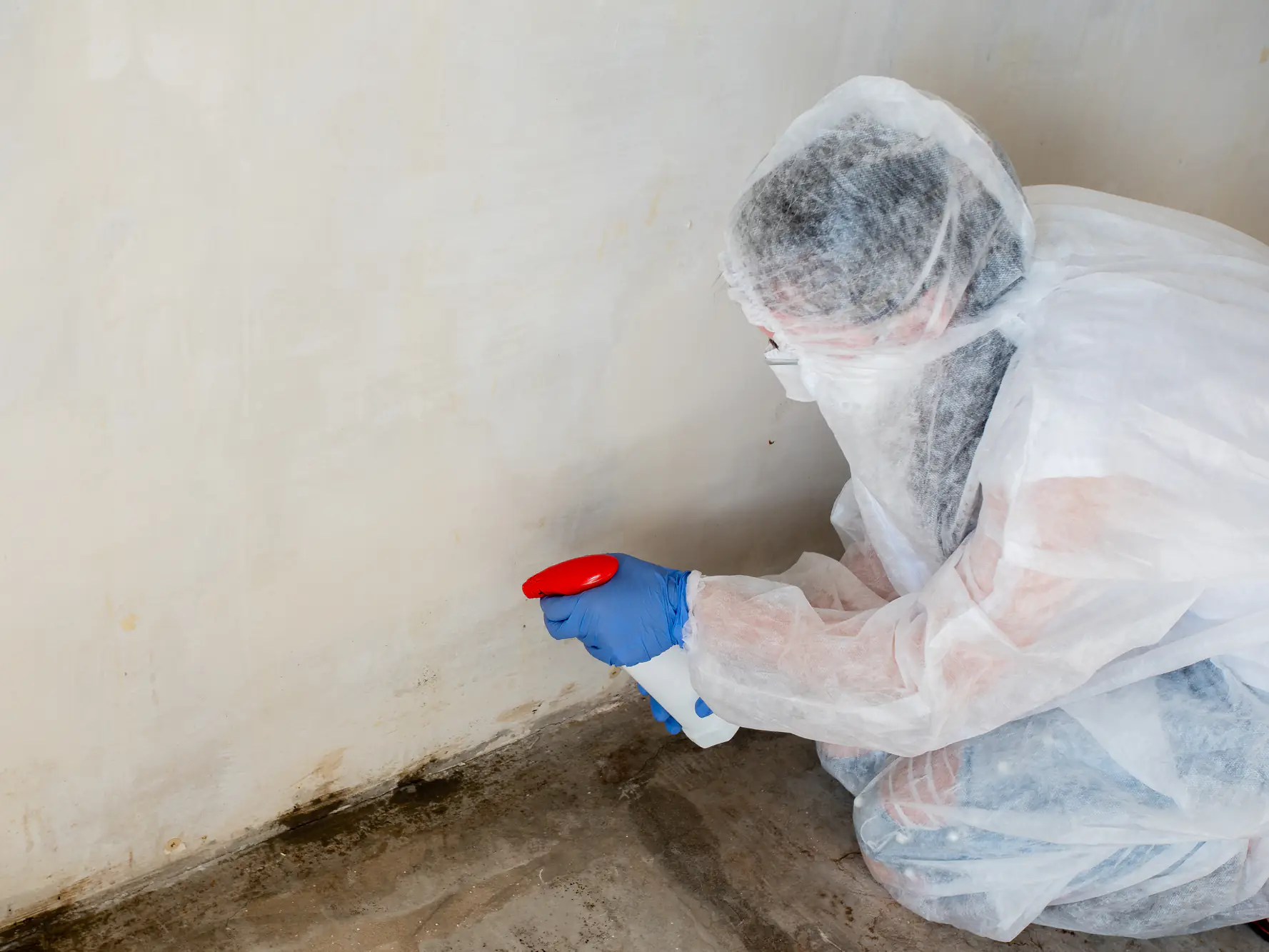
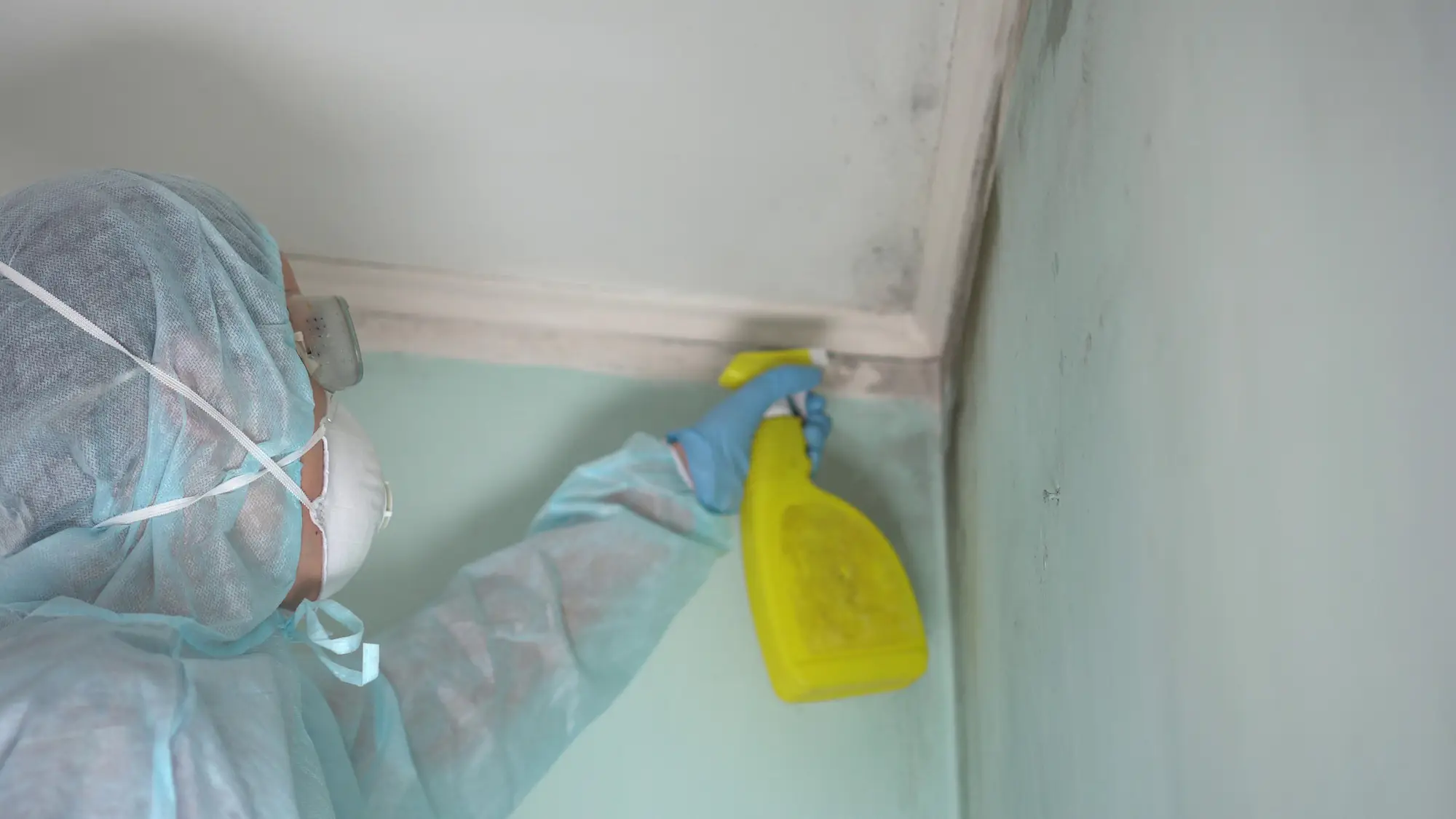
During remediation, we contain the affected area to prevent spores from spreading. We remove contaminated materials safely, treat surfaces with EPA-approved solutions, and use HEPA filtration to clean the air. Then we address the moisture source—whether that’s a leak, poor ventilation, or drainage issues—so the problem doesn’t come back.
After the work is done, we verify the air quality and walk you through what we did. If insurance is involved, we handle the documentation. If you need help with prevention going forward, we’ll tell you exactly what to watch for.
Ready to get started?
Mold remediation isn’t just scrubbing visible spots. It’s a full process that includes inspection, containment, removal, treatment, and prevention. In Rock Hill Station and Bucks County, that also means understanding how local conditions contribute to the problem.
We start with a free inspection that covers every area where mold typically hides in Pennsylvania homes. Basements with foundation moisture. Bathrooms with poor ventilation. Attics with inadequate airflow. We test the air quality and measure moisture levels so we know exactly what we’re working with.
The remediation itself involves setting up containment barriers, removing affected materials like drywall or insulation, treating surfaces with antimicrobial solutions, and cleaning the air with professional-grade HEPA equipment. We don’t leave until the space is safe and the source of moisture is addressed—whether that’s fixing a leak, improving drainage, or upgrading ventilation.
For homeowners dealing with insurance claims, we provide all the documentation needed. For those paying out of pocket, we offer transparent pricing and work within your budget without cutting corners. The goal is the same either way: get rid of the mold, fix what caused it, and give you peace of mind.

Cost depends on the size of the affected area, the type of mold, and how much material needs to be removed. A small bathroom might run $500 to $1,500. A larger basement or attic project can range from $2,000 to $6,000 or more if structural materials need replacing.
The price also depends on what’s causing the mold. If it’s a simple ventilation issue, that’s one thing. If there’s a foundation leak or roof damage, fixing the source adds to the total cost. We give you a detailed estimate before any work starts so there’s no confusion.
Insurance sometimes covers mold remediation if it’s related to a covered event like a burst pipe. We work with insurance companies regularly and can help you navigate that process. If you’re paying out of pocket, we’ll work with your budget and prioritize what needs to happen first.
Most residential mold removal projects take between one and five days, depending on the extent of the problem. A single room with surface mold might be done in a day. A whole basement or multiple areas with hidden growth behind walls can take a week.
The timeline also depends on drying time. After we remove contaminated materials and treat surfaces, the area needs to dry completely before we can close it back up. In Bucks County’s humid climate, that sometimes means running dehumidifiers for a few extra days to make sure moisture levels are safe.
We don’t rush the process. Mold remediation done too quickly usually means it wasn’t done thoroughly. We’d rather take the extra time to do it right than have you call us back in six months because the problem returned.
If the affected area is smaller than 10 square feet and it’s surface mold on a non-porous material, you can probably handle it yourself with proper safety gear and cleaning products. Anything larger, anything behind walls, or anything involving black mold should be handled by certified mold removal specialists.
Black mold releases spores that can cause serious respiratory issues, especially for children, elderly people, and anyone with asthma or allergies. Disturbing it without proper containment spreads those spores throughout your home. Professional remediation includes containment barriers, HEPA filtration, and safe disposal of contaminated materials—things you can’t easily replicate with DIY methods.
The other issue is finding the source. Mold you can see is usually connected to a bigger moisture problem you can’t see. We use thermal imaging and moisture meters to find hidden leaks and damp areas that are feeding the growth. Without addressing those, the mold just comes back.
Mold comes back if the moisture source isn’t fixed. That’s the difference between cleaning mold and actually remediating it. Cleaning removes what you can see. Remediation removes the mold and eliminates the conditions that let it grow in the first place.
In Bucks County, the most common causes are basement humidity, poor attic ventilation, bathroom exhaust issues, and foundation leaks. If we remove mold from your basement but don’t address the drainage problem outside or the lack of a dehumidifier inside, the mold will return. That’s why our process includes identifying and fixing the moisture source—not just treating the symptoms.
We also provide guidance on prevention. That might mean running a dehumidifier during humid months, improving ventilation in certain rooms, or fixing grading issues around your foundation. The goal is to make sure you don’t need us again.
The most common signs are musty odors, visible water stains, peeling paint or wallpaper, and unexplained allergy symptoms that get worse indoors. If your basement smells musty even though you don’t see mold, it’s probably growing behind walls or under flooring.
Other red flags include condensation on windows, warped wood, and discoloration on ceilings or walls. In Rock Hill Station and Bucks County, homes with finished basements, older roofs, or poor attic ventilation are especially prone to hidden mold growth. The humid climate here creates perfect conditions for mold to thrive in spaces that don’t get much airflow.
A professional inspection finds what you can’t see. We use moisture meters to detect elevated humidity levels inside walls and thermal imaging to identify cold spots where water might be leaking. If you’ve had any water damage in the past—even if it was dried quickly—there’s a chance mold started growing in hidden areas. An inspection gives you clarity and lets you address the problem before it spreads.
It depends on what caused the mold. If mold resulted from a sudden, covered event like a burst pipe or storm damage, most homeowners insurance policies will cover remediation. If the mold is due to long-term neglect, poor maintenance, or gradual moisture buildup, it’s usually not covered.
Pennsylvania insurance policies often have specific mold coverage limits, sometimes capped at $5,000 or $10,000. Some policies exclude mold entirely unless you purchase additional coverage. The key is acting quickly after water damage occurs. Insurance companies expect you to dry and remediate within 48-72 hours to prevent mold growth.
We work with insurance companies regularly and know how to document the damage properly for claims. We take photos, provide detailed reports, and communicate directly with adjusters if needed. If your claim gets approved, we’ll work within the coverage limits. If it doesn’t, we’ll give you options for moving forward on your own.
Other Services we provide in Rockhill Station