
Hear from Our Customers

You shouldn’t have to wonder why your allergies flare up at home or why that musty smell won’t go away. A home air quality test gives you actual answers instead of assumptions.
Indoor air can be two to five times more polluted than outdoor air. That’s not a scare tactic—it’s what happens when moisture, poor ventilation, and Pennsylvania’s humid summers create the perfect environment for mold spores and allergens to thrive. Your HVAC system can make it worse by circulating contaminated air through every room.
Professional air quality testing identifies exactly what’s in your air and where it’s coming from. You get data on mold spores, allergen levels, and other pollutants that could be triggering respiratory issues or making existing conditions worse. Once you know what you’re dealing with, you can fix it the right way instead of masking symptoms or wasting money on solutions that don’t address the real problem.
We’ve been helping Rockhill Station homeowners understand what’s happening inside their walls and ductwork for years. We use EPA-approved testing methods and equipment that actually works, not guesswork or visual inspections that miss hidden problems.
Rockhill Station’s older homes and established neighborhoods mean many properties have unique ventilation challenges and moisture issues that newer construction doesn’t face. We know what to look for in Huntingdon County homes because we’ve seen how local climate conditions—humid summers, cold winters, and everything in between—affect indoor air quality.
When we test your air, you get clear results and honest recommendations. No upselling. No fear tactics. Just the information you need to make a smart decision about your home and your family’s health.

We start with a free inspection of your property to identify potential problem areas. This includes checking for visible mold, moisture issues, ventilation problems, and any areas where contamination might be hiding—behind walls, under carpets, in crawl spaces, or in your HVAC system.
Next, we collect air samples using professional-grade equipment. These samples get analyzed in a lab to identify mold spores, allergen levels, and other pollutants. We’re looking at what’s actually in your air, not just what we can see with our eyes.
You receive a detailed report that breaks down what we found, what it means for your health, and what needs to happen next. If there’s a mold problem, we’ll show you where it’s coming from and what’s causing it. If your air quality is fine, we’ll tell you that too.
From there, you decide how to move forward. If remediation is needed, we handle it using methods that eliminate the source of the problem—not just the symptoms. We also work with your insurance company if your situation is covered, and we’re available 24/7 if you’re dealing with an urgent issue like water damage that could lead to rapid mold growth.

Ready to get started?
Every residential air quality testing service includes a thorough inspection of your home, professional air sampling, and lab analysis that identifies specific mold types and contamination levels. You’re not paying for a quick walkthrough—you’re getting a complete assessment of what’s affecting your indoor environment.
Rockhill Station’s median age of 50.5 years means many residents are established homeowners who’ve lived in their properties long enough to notice changes in air quality or recurring issues that seem to come back no matter what they try. Older homes in Huntingdon County often have basements prone to moisture, aging HVAC systems that need attention, and insulation that doesn’t meet modern standards—all of which contribute to poor indoor air quality.
We test for the pollutants that actually matter in Pennsylvania homes: mold spores from humidity and water damage, allergens that trigger respiratory symptoms, and contaminants that your heating system might be circulating during cold months. You also get documentation that’s useful for insurance claims if your air quality issues stem from covered damage.
Our testing helps you understand whether that persistent cough is related to your home environment, whether the musty smell indicates active mold growth, or whether your HVAC system is distributing contaminated air. The goal is to give you enough information to take action—or peace of mind if everything checks out fine.
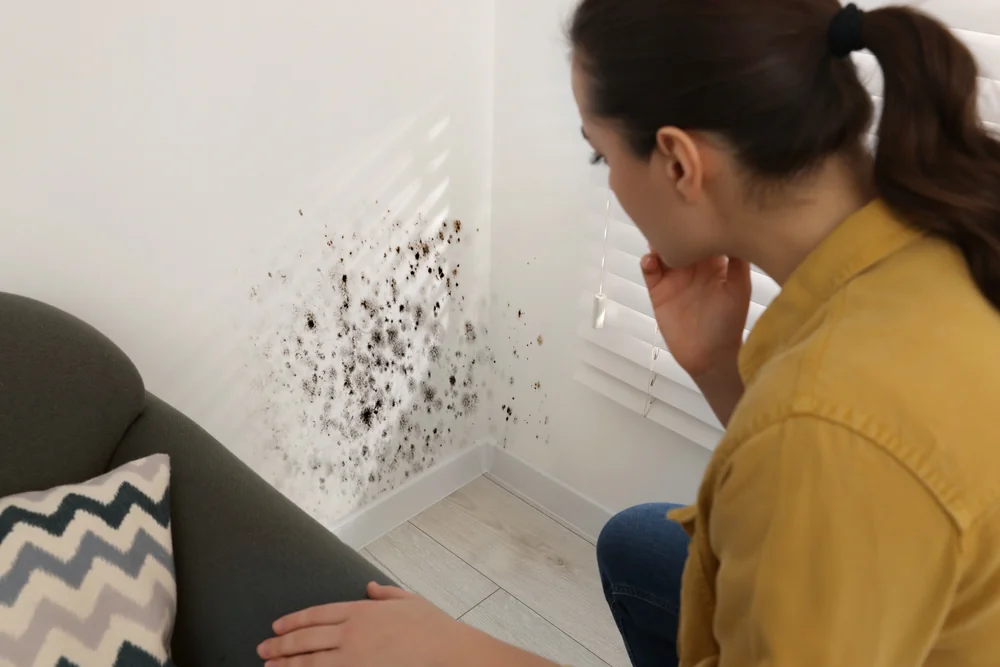
You should consider a mold air test if you’re experiencing allergy or respiratory symptoms that improve when you leave your home, if there’s a persistent musty or damp odor with no visible source, or if you’ve had recent or past water damage. These are the clearest signs that something’s affecting your indoor air quality.
Mold doesn’t always show up where you can see it. It hides behind walls, under flooring, in ductwork, and in crawl spaces. Even if you don’t see visible growth, mold spores can circulate through your HVAC system and trigger health issues—especially for children, elderly family members, or anyone with existing respiratory conditions.
A professional mold air test identifies whether spores are present at levels that indicate a problem. It also helps pinpoint where contamination is coming from so you can address the source instead of just treating symptoms. If you’ve tried cleaning visible mold and it keeps coming back, testing shows you what’s happening that you can’t see.
A visual inspection only catches mold and moisture problems you can see. Air quality testing identifies contamination that’s hidden or airborne—the stuff that’s actually affecting what you breathe every day.
Visual inspections are useful for spotting obvious issues like water stains, visible mold growth, or damaged materials. But mold often grows in places you can’t access without tearing into walls or lifting flooring. Air sampling captures spores that are circulating through your home, whether or not the source is visible.
Testing also gives you data. Instead of guessing whether that smell means you have a mold problem, you get lab results that show exactly what types of mold are present and at what concentration levels. That information matters when you’re deciding whether to invest in remediation or when you’re filing an insurance claim that requires documentation.
Cost depends on the size of your home, how many areas need testing, and what type of analysis you need. We offer free inspections so you know what you’re dealing with before committing to anything, and we provide clear estimates before any work starts.
A basic air quality test for a typical Rockhill Station home usually involves sampling multiple areas to get an accurate picture of your indoor environment. Larger homes or properties with multiple problem areas require more extensive testing. Lab analysis adds to the cost, but it’s what gives you reliable results instead of guesswork.
We work with insurance companies when air quality issues stem from covered damage like water leaks or flooding. We also offer flexible payment options because we’d rather help you solve the problem than have you live with contaminated air because of cost concerns. The free inspection gives you enough information to decide whether testing makes sense for your situation.
Professional air quality testing detects mold spores that are airborne and circulating through your home. Lab analysis identifies specific mold types and concentration levels, which tells you whether you’re dealing with common molds or more problematic varieties that produce mycotoxins.
Testing catches what’s in your air at the time of sampling. If mold is actively releasing spores—which happens when it’s disturbed, when humidity is high, or when your HVAC system is running—those spores show up in the sample. Hidden mold that’s not currently releasing spores might not appear in air tests, which is why we combine air sampling with a thorough inspection of areas prone to moisture and mold growth.
Different mold types affect health differently. Some cause allergic reactions and respiratory irritation. Others produce toxic compounds that create more serious health risks with long-term exposure. Knowing what type of mold you’re dealing with helps determine how urgent remediation needs to be and what methods will actually eliminate it.
Lab analysis typically takes a few days to a week, depending on the type of testing performed. You’ll receive a detailed report that breaks down what was found, what the results mean, and what action—if any—you should take.
We collect air samples during the inspection, then send them to a certified lab for analysis. The lab identifies mold species, measures spore concentrations, and compares your results to normal outdoor levels and established guidelines for indoor air quality. This process takes time because it’s actual scientific analysis, not a quick field test that gives you incomplete information.
Once results come back, we walk you through what they mean in plain language. If there’s a problem, we explain where it’s likely coming from based on what we saw during the inspection and what the lab found in your air samples. If your air quality is normal, we’ll tell you that too. The goal is to give you clear information so you can make a decision based on facts, not fear.
If testing confirms mold contamination, we identify the source of moisture that’s allowing it to grow and develop a remediation plan that eliminates both the mold and the conditions causing it. Removing mold without fixing the underlying moisture problem means it’ll just come back.
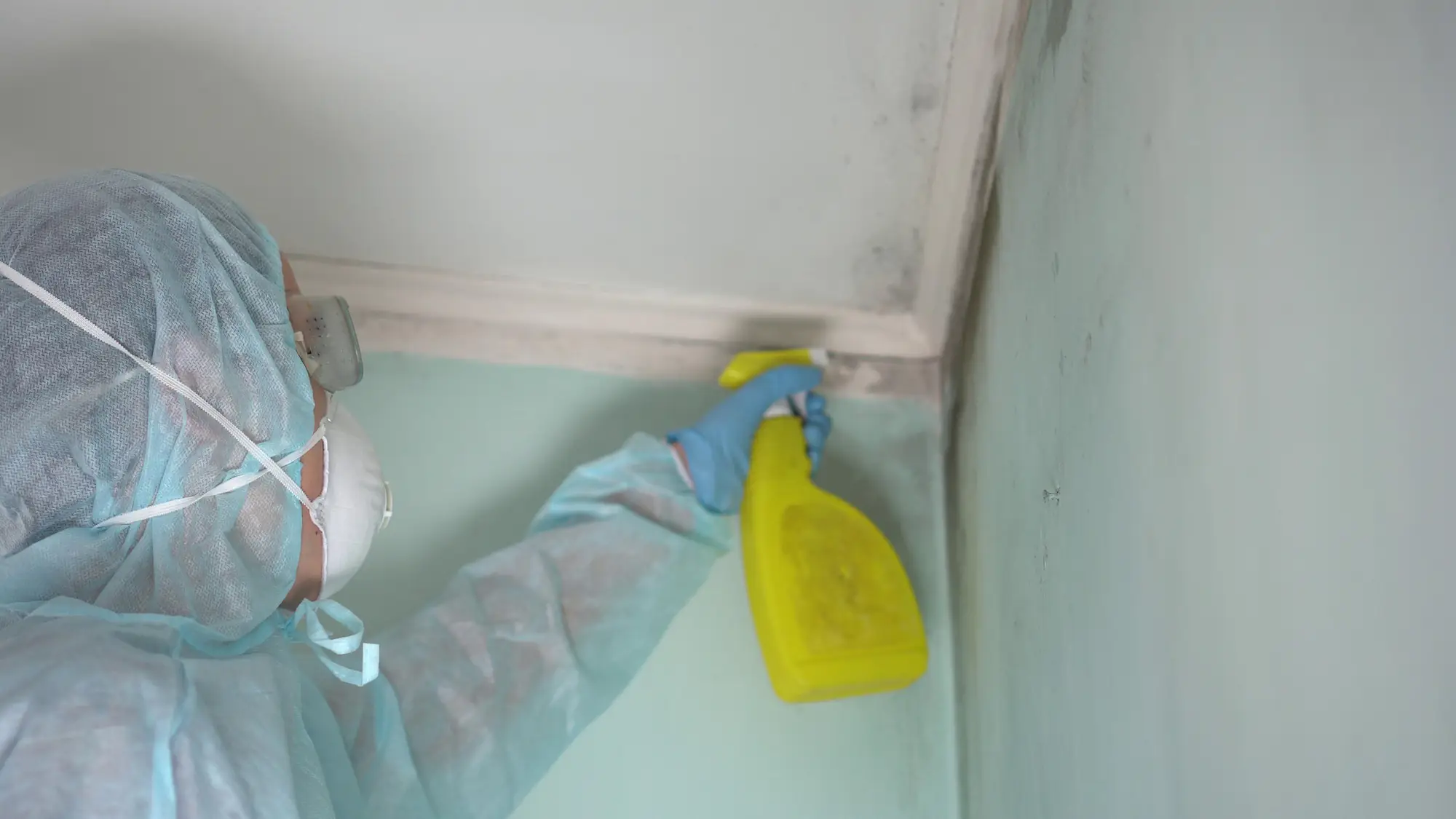
Remediation involves containing the affected area to prevent spores from spreading, removing contaminated materials, treating surfaces with antimicrobial solutions, and addressing whatever moisture issue caused the growth—whether that’s a leak, poor ventilation, high humidity, or drainage problems. We use EPA-approved methods and equipment designed for safe, effective mold removal.
We handle insurance claims when applicable and keep you informed throughout the process. You’ll know what we’re doing, why we’re doing it, and what to expect after remediation is complete. We also recommend annual testing for Rockhill Station homes because Pennsylvania’s climate creates ongoing conditions that can lead to mold growth if moisture isn’t properly managed.
Other Services we provide in Rockhill Station