
Hear from Our Customers
You stop waking up congested. Your kids’ allergies calm down. That musty smell in the basement finally disappears.
When mold is properly removed—not just wiped away or painted over—your indoor air quality improves fast. Respiratory symptoms ease up. You’re not constantly wondering if that dark spot behind the shower is spreading.
Here’s what most people don’t realize: removing visible mold isn’t enough. If the moisture source isn’t fixed, you’re just buying time. That’s why our process starts with finding what caused the problem in the first place. We use thermal imaging and moisture meters to track down leaks, condensation issues, and humidity problems you can’t see.
Once we’ve identified the source, we contain the affected area to prevent spores from spreading during removal. Then we remove contaminated materials, treat surfaces with EPA-approved solutions, and verify the air quality before we’re done. You get documentation for your records and insurance, plus a plan to keep mold from returning.
The result? A home that feels cleaner, smells better, and doesn’t trigger symptoms every time you walk through the door.
We’ve been serving Bucks County homeowners for over 15 years. We’ve worked in hundreds of basements, crawl spaces, attics, and bathrooms across Milford Square and the surrounding area.
We know what Pennsylvania’s humid summers do to older homes. We’ve seen how quickly a small leak can turn into a serious problem when humidity hits 75% for weeks at a time. And we understand that most people don’t call us because they want to—they call because they have to.
That’s why we start every job with a free inspection. No pressure, no upselling. Just a trained professional who knows what to look for and will tell you exactly what’s going on. We’ve built our reputation on being straight with people about what needs to be done and what doesn’t.
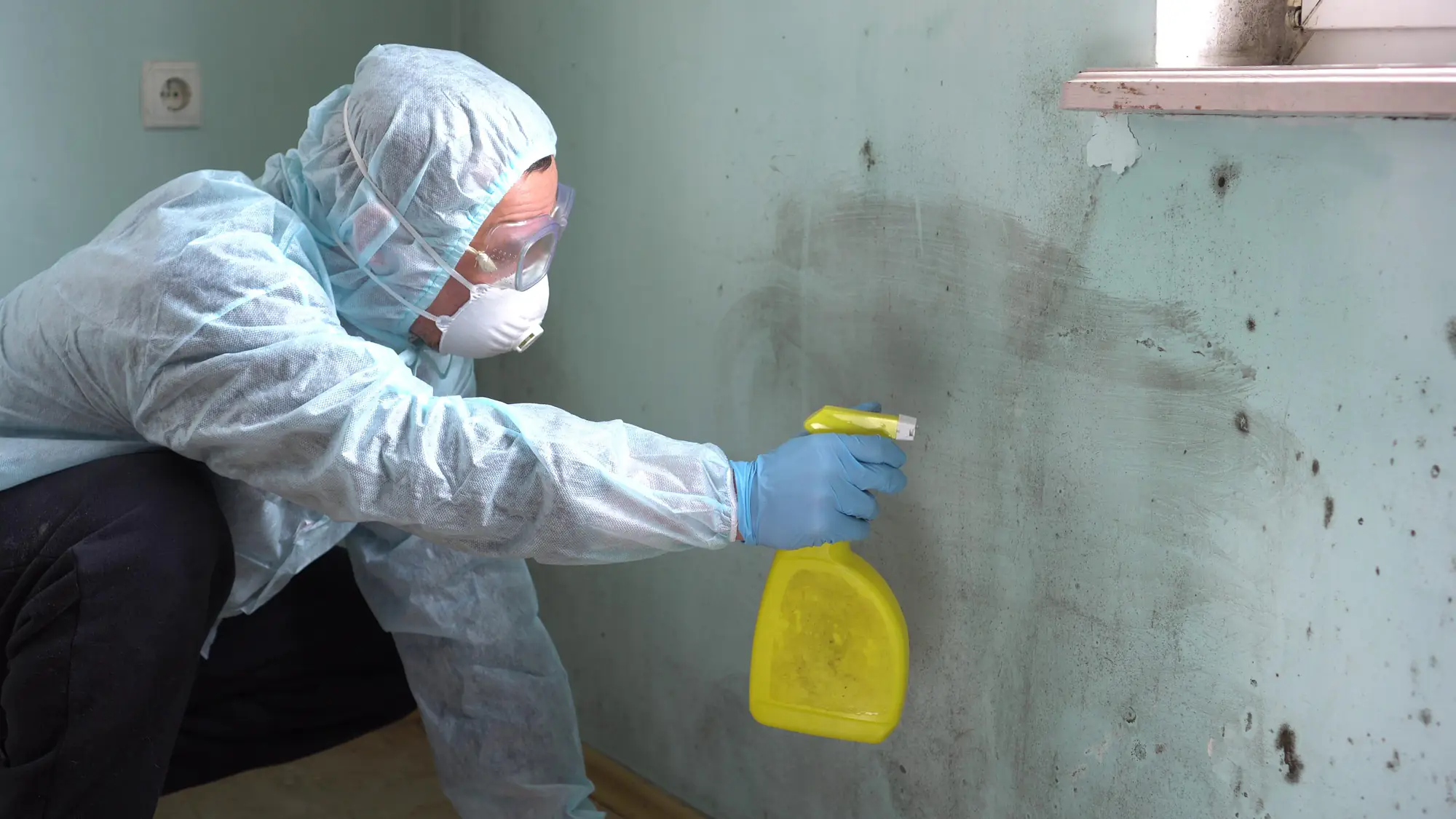
First, we schedule a free inspection at a time that works for you. A certified technician comes out, examines the visible mold, and uses moisture meters and thermal imaging to find hidden problems. You’ll get a clear explanation of what’s happening and why.
If remediation is needed, we’ll walk you through the scope of work before anything starts. We explain what we’ll remove, what we’ll treat, and how long it’ll take. If you’re filing an insurance claim, we provide the documentation they need.
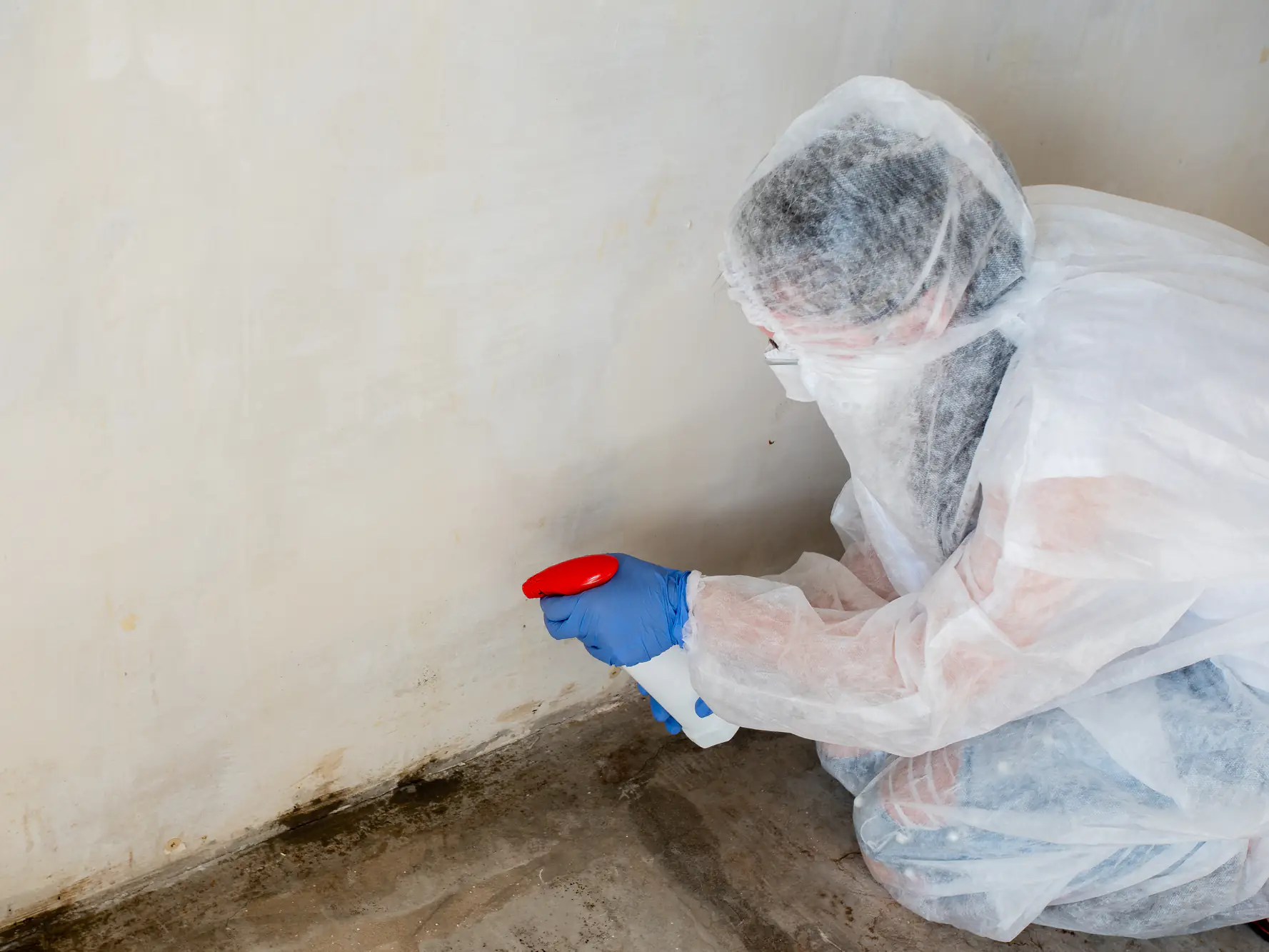
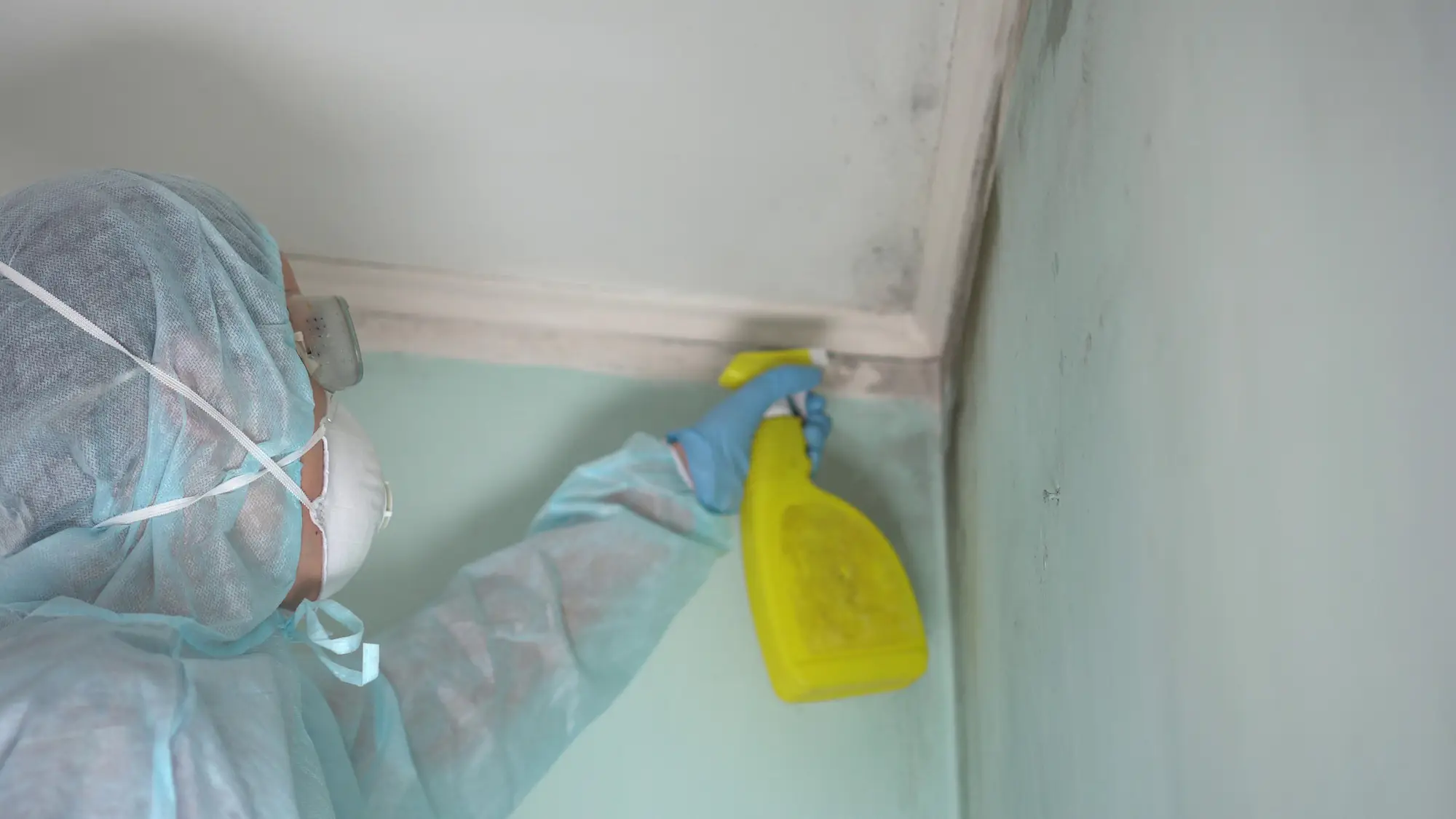
During remediation, we seal off the work area to contain mold spores. We remove affected materials safely, treat all surfaces, and run air scrubbers to clean the air. We don’t just clean what you can see—we address the moisture problem causing it.
After removal, we test the air quality to confirm the mold is gone. You get a detailed report of everything we did, photos for your records, and recommendations for preventing future growth. We’re available after the job if you have questions or concerns.
The whole process is designed to be thorough without dragging on longer than necessary. Most residential jobs take 1-3 days depending on the extent of contamination.
Ready to get started?
Every mold removal job starts with a comprehensive inspection. We’re looking at visible growth, but also checking areas where mold commonly hides—behind walls, under flooring, in HVAC systems, and around plumbing. Bucks County’s average 44 inches of annual rainfall means water finds its way into basements and crawl spaces regularly.
You get moisture mapping to identify exactly where water is entering or accumulating. This matters because treating mold without fixing the moisture source is pointless. We find the leak, the condensation issue, or the ventilation problem that’s feeding the growth.
Containment is critical during removal. We seal off work areas with plastic sheeting and negative air pressure to prevent spores from spreading to clean areas of your home. All contaminated materials are bagged and disposed of according to Pennsylvania regulations.
Treatment includes HEPA vacuuming, antimicrobial application, and air scrubbing. We don’t stop until air quality testing confirms the mold is gone. You receive full documentation including photos, moisture readings, and air quality results—important if you’re selling your home or dealing with insurance.
We also provide prevention recommendations specific to your property. That might mean better ventilation, dehumidification, or waterproofing. The goal isn’t just removing mold—it’s making sure you don’t have to deal with this again.

If you’re seeing mold growth larger than 10 square feet, you need professional help. That’s roughly a 3×3 area. Anything beyond that size means the contamination has likely spread beyond what’s visible.
You should also call if you’re experiencing health symptoms that improve when you leave the house—persistent coughing, congestion, headaches, or allergy symptoms that won’t quit. These can indicate mold in your HVAC system or hidden behind walls where you can’t see it.
Musty odors are another red flag. If your basement or bathroom smells like mildew even after cleaning, there’s mold growing somewhere you haven’t found yet. Professional inspection uses thermal imaging and moisture meters to locate hidden growth before it becomes a bigger problem. In Bucks County’s humid climate, what starts small can spread fast once conditions are right.
Most residential mold removal jobs take 1-3 days depending on the extent of contamination and the size of the affected area. A small bathroom might be done in a day. A finished basement with mold behind drywall could take three days or more.
The timeline depends on what needs to be removed. If we’re just treating surface mold on concrete, that’s faster than removing drywall, insulation, and subflooring. Drying time also factors in—we need to ensure all moisture is gone before reconstruction can begin.
We’ll give you a realistic timeframe during the inspection. Some companies rush through to finish faster, but that often means cutting corners on containment or air quality testing. We’d rather take an extra day and do it right than have you dealing with mold again in six months. You’ll know the schedule upfront, and we keep you updated if anything changes during the job.
It depends on what caused the mold. Most homeowners policies cover mold remediation if it resulted from a covered peril—like a burst pipe, roof leak from storm damage, or water heater failure. They typically won’t cover mold from long-term neglect or maintenance issues.
The key is acting fast. Insurance companies want to see that you addressed water damage promptly. If you had a leak three months ago and didn’t report it, they may deny the claim. But if you’re calling within days of discovering the problem, you’re in better shape.
We work directly with insurance companies and provide all the documentation they need—photos, moisture readings, scope of work, and itemized estimates. We’ve handled hundreds of insurance claims for Bucks County homeowners. Our advice: file the claim and let your adjuster make the determination. Even if they don’t cover everything, they might cover part of it. We can also discuss payment options if you’re paying out of pocket.
Mold removal means getting rid of visible mold growth. Mold remediation means removing the mold and fixing the conditions that allowed it to grow in the first place. One is a surface fix. The other is a complete solution.
Here’s why that matters: mold spores are everywhere. They’re in the air right now. They only become a problem when they land on a damp surface and start growing. If you remove mold but don’t fix the moisture issue, you’re just resetting the clock. It’ll come back.
Professional remediation includes identifying and eliminating the moisture source—whether that’s a plumbing leak, poor ventilation, high humidity, or water seeping through foundation walls. We fix what’s causing the problem, not just the symptom. That’s especially important in Milford Square where humid summers and older housing stock create perfect conditions for mold growth. You want remediation, not just removal.
Black mold—specifically Stachybotrys chartarum—can produce mycotoxins that cause respiratory issues, headaches, and other health problems, especially in children, elderly people, and anyone with compromised immune systems. But here’s what often gets missed: all mold can cause health issues if you’re exposed to enough of it.
The color doesn’t tell you everything. Black mold isn’t always toxic, and toxic mold isn’t always black. What matters more is the amount of mold, how long you’ve been exposed, and your individual sensitivity. Some people have severe reactions to any mold. Others tolerate more before symptoms appear.
The real danger is ignoring any mold problem. Whether it’s black, green, or white, mold growing in your home means you have a moisture problem that’s not getting better on its own. It’s also releasing spores into your air that you’re breathing every day. Professional testing can identify the specific type if you’re concerned, but the smart move is addressing any visible growth quickly before it spreads and becomes a bigger health risk.
Small areas—less than 10 square feet—can usually be cleaned safely if you know what you’re doing. That means wearing proper protection, containing the area, using the right cleaning solutions, and fixing the moisture source. Most people skip at least one of those steps.
Once you’re beyond that 10 square foot threshold, DIY becomes risky. Disturbing large amounts of mold releases millions of spores into your air. Without proper containment and air filtration, you’re spreading contamination throughout your house. You’re also exposing yourself to high concentrations without professional-grade respiratory protection.
There’s also the question of what’s behind the visible mold. If it’s growing on drywall, there’s likely more behind it. If it’s in one area, it may have spread through your HVAC system. Professional remediation includes inspection tools that find hidden growth and moisture sources you’d miss. Spending a few hundred dollars on DIY supplies only to have the mold return—or spread—usually costs more in the long run than hiring mold and mildew experts who do it right the first time.
Other Services we provide in Milford Square