
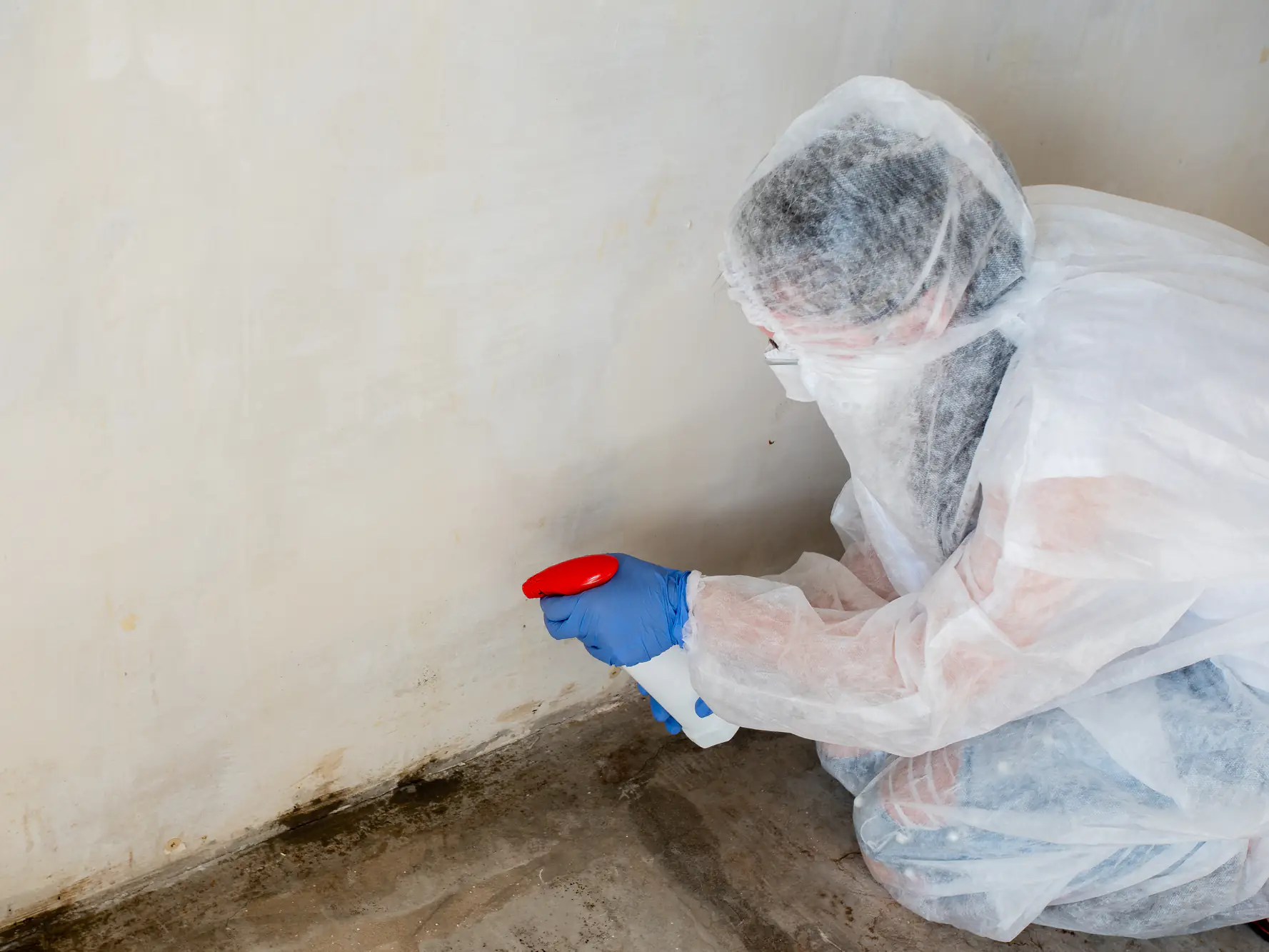
Hear from Our Customers
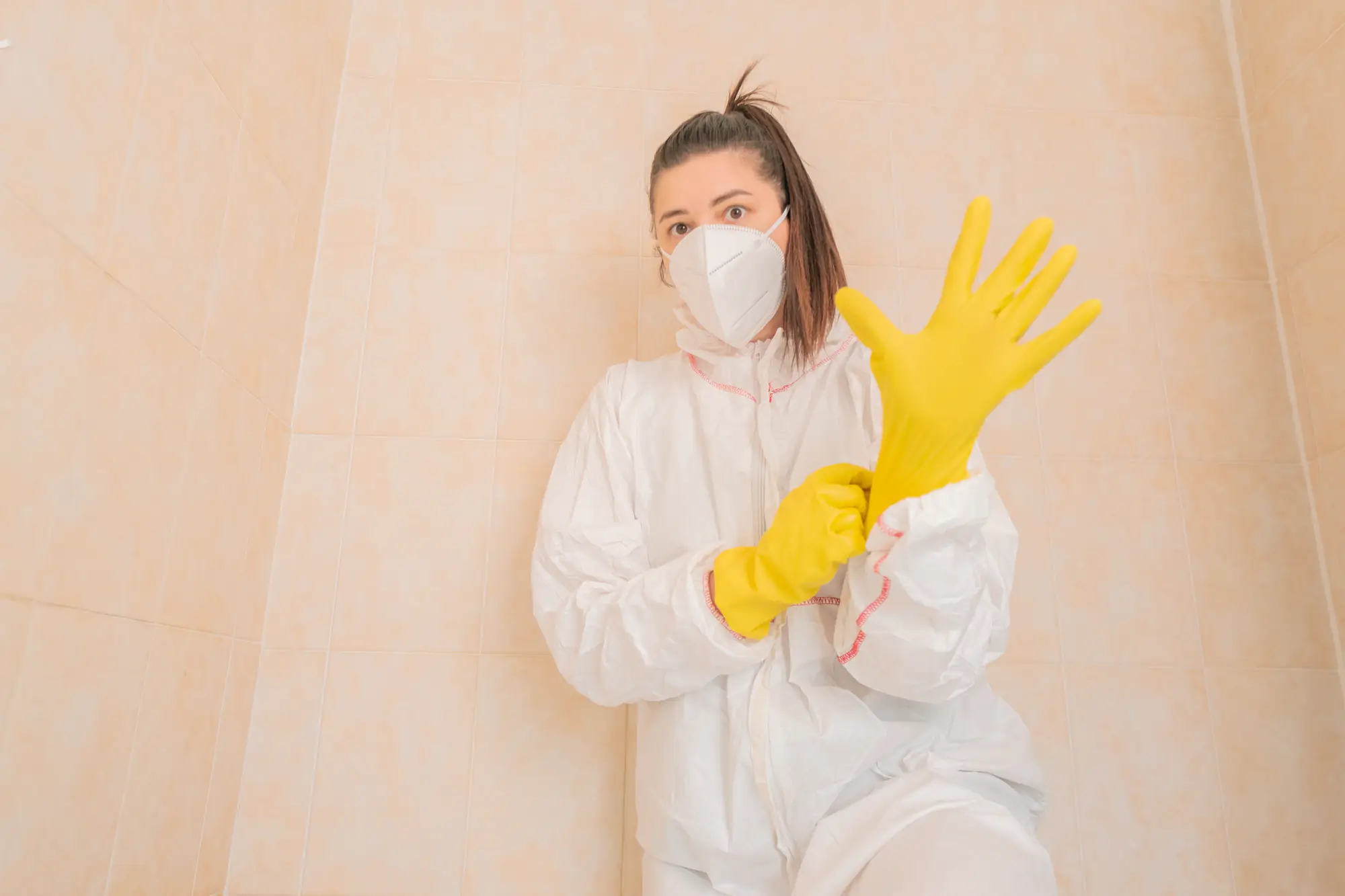
Mold doesn’t just look bad. It triggers allergies, worsens asthma, and quietly damages your home while cutting resale value by up to 37%.
You’re dealing with sneezing, runny nose, maybe a musty smell that won’t go away. Your kids are coughing more. You’re wondering if that dark spot in the basement is actually a problem or just cosmetic.
Here’s what changes after proper mold remediation: cleaner air, fewer respiratory issues, and a home you can sell without disclosure nightmares. You stop worrying about what’s growing behind your walls. Your family stops dealing with mystery symptoms that flare up at home but disappear when you leave.
The difference between DIY bleach treatments and professional removal is simple—one addresses what you see, the other addresses what’s actually there. Mold grows in colonies. What’s visible is usually a fraction of the problem. If the moisture source isn’t fixed, you’re just buying time before it comes back.
We handle mold problems across Tradesville and Bucks County. We’ve seen what humid summers and spring rains do to older homes here—foundation cracks, damp basements, HVAC condensation that creates perfect conditions for growth.
We’re not a national franchise reading from a script. We know the local building styles, the common trouble spots, and how to fix them correctly the first time.
Our team follows EPA-approved methods and IICRC standards. We inspect thoroughly, identify the mold type and extent, then build a removal plan specific to your situation. You get a free assessment, transparent pricing, and work that actually solves the problem instead of masking it.
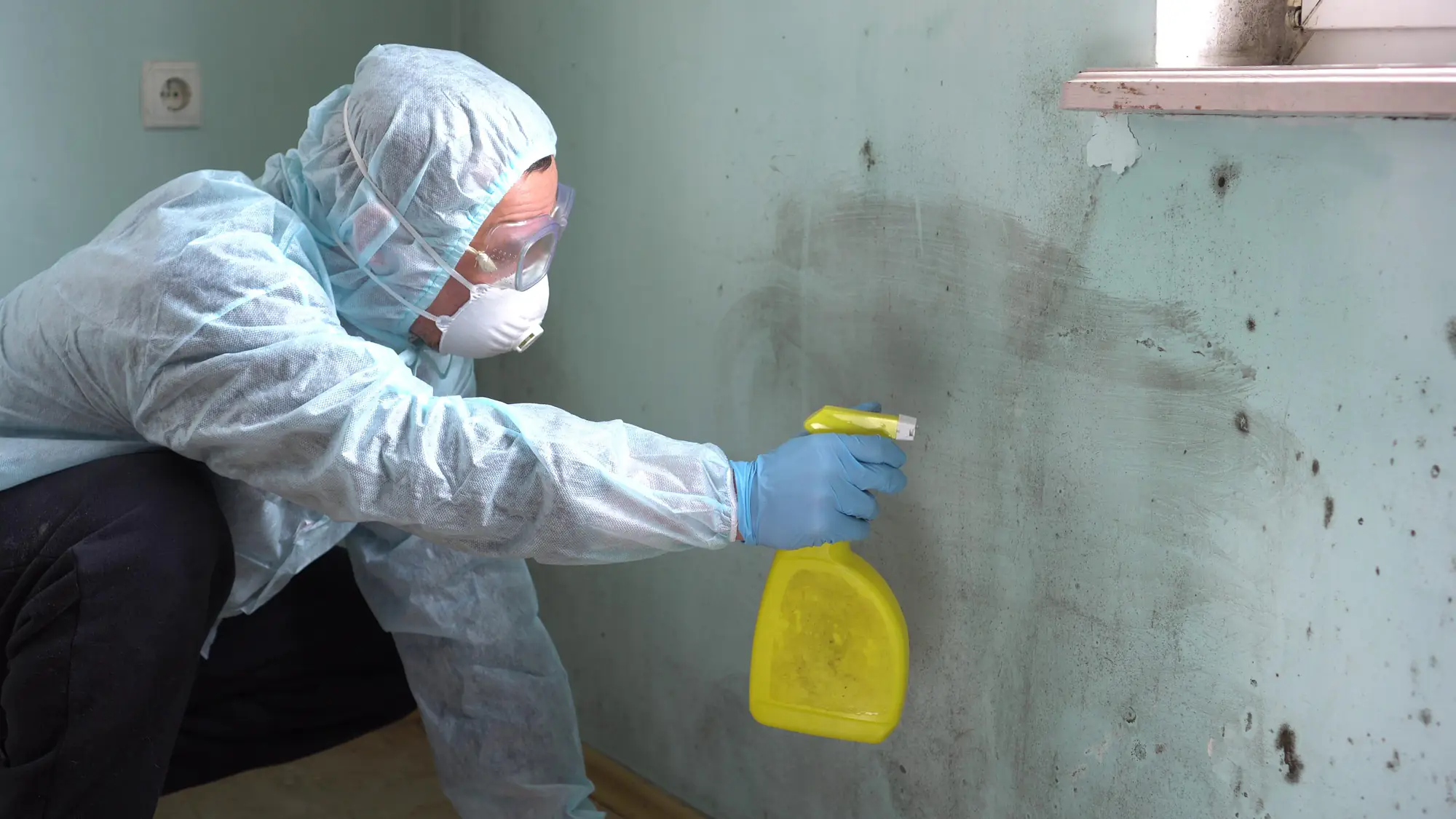
First, we inspect your property to find all the mold—not just the visible spots. We’re checking behind walls, under flooring, in HVAC systems, anywhere moisture could be feeding growth.
Next, we contain the area to prevent spores from spreading during removal. We use specialized equipment and EPA-approved methods to remove the mold completely. This isn’t a bleach-and-pray situation. We’re removing contaminated materials when necessary and treating affected areas properly.
Then we address the moisture source. Mold needs water to grow. If we don’t fix the leak, the condensation issue, or the drainage problem, you’ll be calling someone again in six months.
Finally, we verify the work. You get documentation of what was removed, what was treated, and what you need to monitor going forward. If restoration or remodeling is needed after removal, we handle that too.
The timeline depends on the extent of growth, but most residential jobs take 3-5 days from start to finish. Emergency situations get faster response—mold can start growing within 24-48 hours of water exposure, so speed matters.
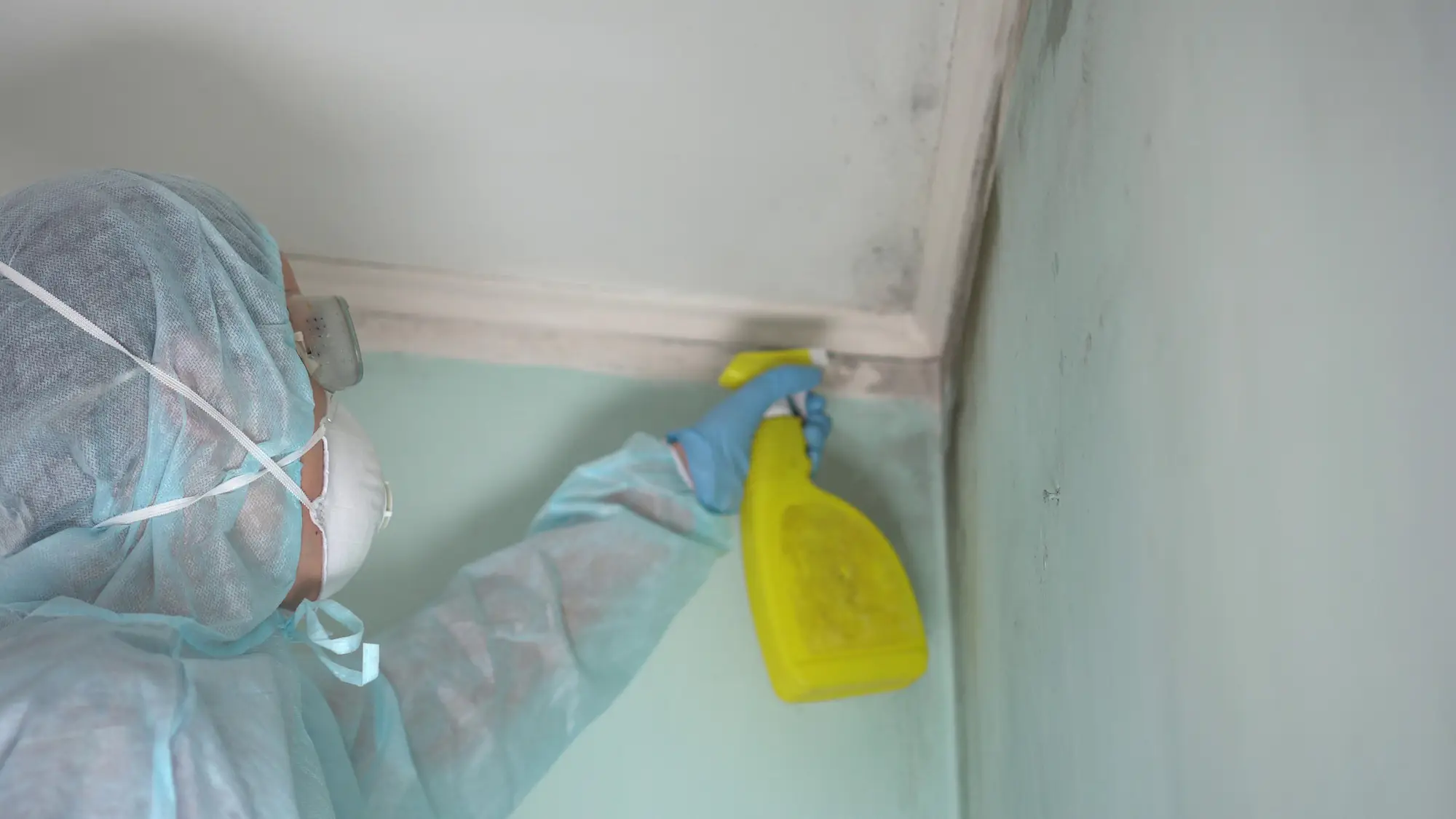
Ready to get started?
You get a complete assessment at no cost. We identify the mold type, measure the affected area, and locate the moisture source. No guessing, no upselling services you don’t need.
Removal includes containment setup, air filtration during the process, removal of contaminated materials, treatment of affected surfaces, and disposal of moldy materials. We’re handling everything from initial containment to final cleanup.
Bucks County homes face specific challenges. Humid summers create condensation in poorly ventilated spaces. Spring rains test foundation weak spots. Older homes have charm but sometimes have moisture problems that weren’t addressed when they were built.
We also work with your insurance company if your policy covers mold damage. Most policies cover mold if it resulted from a covered peril like a burst pipe. We’ll document everything needed for your claim and communicate directly with adjusters to simplify the process.
After removal, you get recommendations for preventing future growth—better ventilation, dehumidification, drainage improvements, whatever your specific situation requires. We’re not just removing mold, we’re helping you understand why it grew so you can prevent it.

If you can see mold growth larger than 10 square feet, you need professional help. That’s the EPA’s guideline, and it’s based on the fact that large areas indicate a serious moisture problem and potential hidden growth.
You also need professionals if mold is in your HVAC system, behind walls, or under flooring. These areas require specialized equipment and containment procedures to remove safely. DIY methods can actually make it worse by spreading spores throughout your home.
Health symptoms are another indicator. If people in your home are experiencing unexplained allergies, respiratory issues, or symptoms that improve when they leave the house, you likely have a mold problem worth investigating. Mold contributes to 4.6 million asthma cases annually in the U.S., and 21% of asthma cases are potentially linked to dampness and mold exposure.
Finally, if you’ve had water damage—from flooding, leaks, or even high humidity—and it wasn’t dried within 48 hours, assume mold is growing somewhere. It starts that fast in damp conditions.
Bleach kills surface mold on non-porous materials like tile or glass. It doesn’t penetrate porous materials like drywall, wood, or carpet where mold roots actually live. You’re killing what you see while leaving the colony intact to regrow.
Bleach also doesn’t address the moisture source. You can scrub away visible mold, but if the leak or humidity problem remains, you’re just delaying the inevitable. Within weeks or months, it’s back.
There’s also a safety issue. Disturbing mold without proper containment spreads spores throughout your home. You might clean one bathroom and end up with mold starting in your bedroom because spores traveled through your HVAC system. Professional remediation includes containment barriers and negative air pressure to prevent this.
For small spots—less than 10 square feet, surface-level only, and you’ve fixed the moisture source—you can handle it yourself with proper protection. Anything beyond that, you’re risking your health and potentially making the problem worse.
Most residential mold remediation in Bucks County runs between $1,500 and $4,000, with the average around $2,347. The range depends on the extent of growth, location of mold, and what caused it.
A small bathroom mold issue from a leaky shower might cost $1,500-$2,000. A basement with extensive growth from foundation leaks could run $4,000-$6,000 or more if structural repairs are needed. Attic mold from roof leaks typically falls in the $2,500-$4,500 range.
What drives cost is the amount of material that needs removal, the difficulty of access, and the containment required. Mold in a crawlspace is harder to access than mold in a finished basement. Mold in your HVAC system requires ductwork cleaning or replacement.
Insurance sometimes covers mold remediation if it resulted from a covered event like a burst pipe. It typically won’t cover mold from long-term neglect or maintenance issues. We’ll help you document everything for your claim and work directly with your insurance company to clarify coverage.
Getting multiple estimates is smart, but the lowest bid isn’t always the best value. You want EPA-approved methods, proper containment, and someone who fixes the source—not just treats the symptoms.
Mold removal means getting rid of visible mold. Mold remediation means returning mold levels to normal, natural levels and preventing future growth. It’s a more complete approach.
Here’s why that matters: mold spores exist everywhere. They’re in outdoor air, indoor air, on surfaces. You can’t eliminate every spore, and you don’t need to. The goal is reducing mold to levels that don’t cause health issues or property damage, then eliminating the conditions that allowed overgrowth.
Remediation includes removal, but it also includes source identification, moisture control, air filtration, surface treatment, and prevention planning. You’re not just scrubbing away mold—you’re addressing why it grew and how to keep it from coming back.
Companies that only offer “removal” are often just cleaning visible mold without fixing the underlying problem. That’s why some homeowners end up with recurring mold issues. They paid for surface treatment when they needed complete remediation.
When you’re comparing mold removal specialists, ask what their process includes. If they’re not talking about moisture control and prevention, they’re not offering true remediation.
Most residential mold remediation takes 3-5 days from initial inspection to final verification. Smaller jobs might be done in 1-2 days. Extensive growth affecting multiple areas could take a week or more.
The timeline depends on several factors: how much mold is present, where it’s located, what materials are affected, and how long containment needs to stay in place. A small bathroom with surface mold is faster than a finished basement with mold behind drywall.
Day one is usually inspection and containment setup. We’re identifying all affected areas and sealing them off to prevent spore spread. Day two through four is active removal—taking out contaminated materials, treating surfaces, running air filtration. Final day is verification, cleanup, and restoration planning if needed.
If you’re dealing with an emergency situation—like mold discovered during a home sale inspection or after sudden water damage—we can often start within 24 hours. Speed matters because mold spreads quickly in the right conditions.
You don’t usually need to leave your home during remediation unless the affected area is large or you have severe respiratory issues. Containment keeps the work area isolated from living spaces. We’ll walk you through what to expect based on your specific situation.
Bucks County’s humid summers create perfect conditions for mold growth, especially in poorly ventilated basements and crawlspaces. When warm, humid air hits cool basement walls or concrete floors, you get condensation—and mold needs moisture to grow.
Spring rains test foundation weak spots. Older homes in Tradesville often have minor foundation cracks or inadequate drainage that allows water seepage. Even small amounts of moisture can support mold growth if it’s persistent.
HVAC systems are another common culprit. Air conditioning creates condensation. If drain pans aren’t draining properly or ductwork isn’t insulated correctly, moisture accumulates and mold grows inside the system. Then your HVAC spreads spores throughout your home every time it runs.
Roof leaks are frequent in homes with aging shingles or ice dam damage from winter freezes. Water gets into attic spaces and insulation, creating hidden mold problems that aren’t discovered until they’re extensive.
Finally, bathroom and kitchen ventilation issues cause mold in homes here. Exhaust fans that vent into attics instead of outside, or no ventilation at all, trap moisture inside. Over time, that moisture feeds mold growth on ceilings, walls, and inside cabinets.
Other Services we provide in Tradesville