
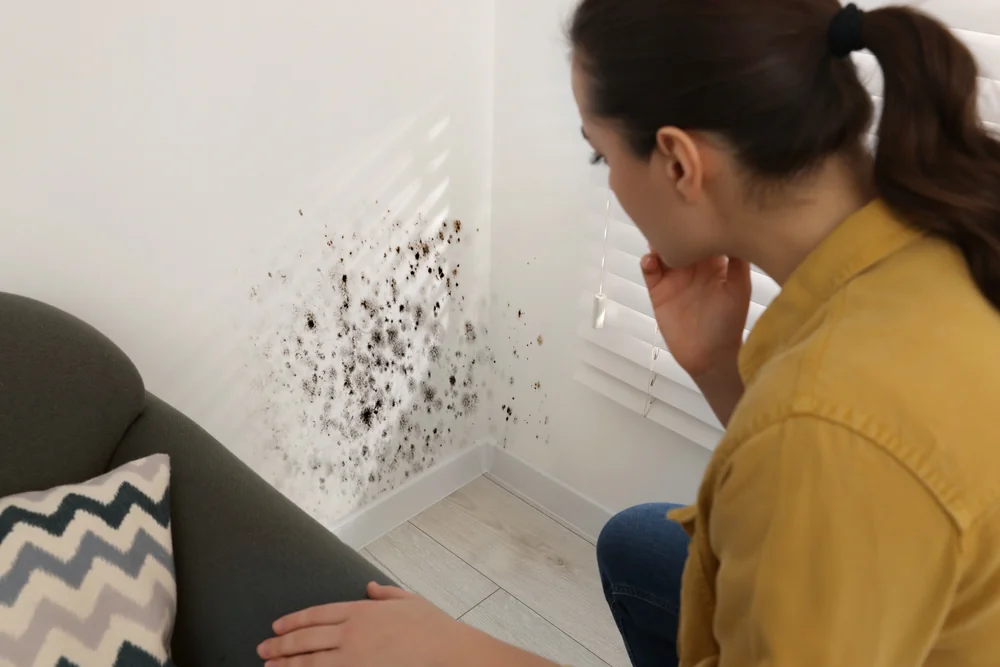
Hear from Our Customers
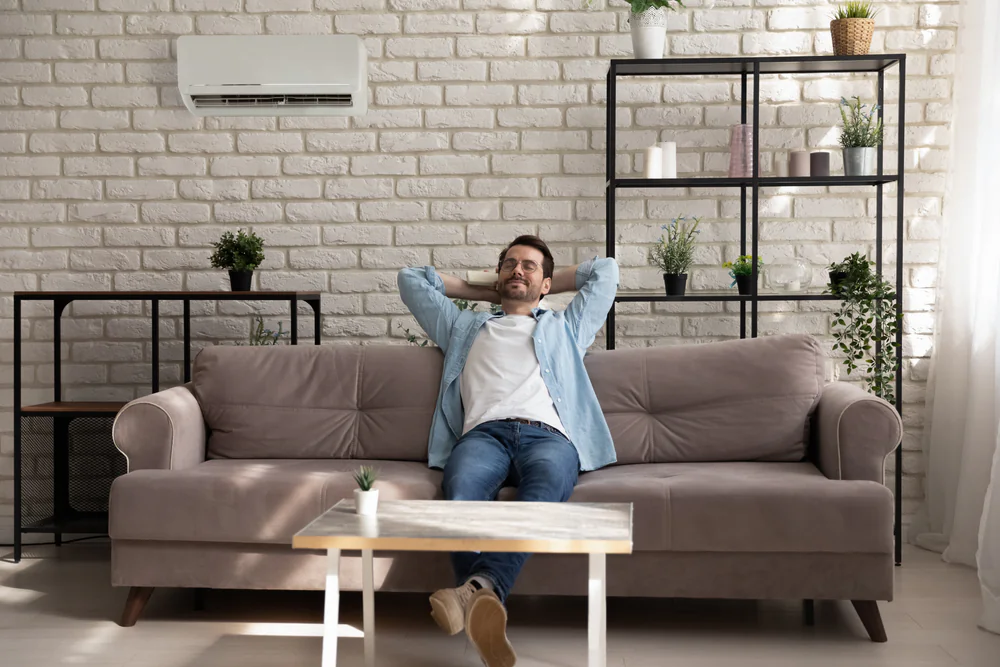
You can’t see mold spores. You can’t see dust mite waste. You can’t see the volatile organic compounds off-gassing from building materials. But you can feel them—in the scratchy throat, the headaches that won’t quit, the allergies that seem worse at home than anywhere else.
A home air quality test tells you exactly what’s in your air and at what levels. Not a guess. Not a maybe. Actual data from lab analysis that shows you whether you’re dealing with elevated mold counts, allergen levels that trigger asthma, or chemical concentrations that shouldn’t be there.
That information matters when you’re trying to figure out why your kid’s inhaler gets more use at home. It matters when you’re about to close on a $600,000 house in Lahaska and want to know what you’re actually buying. It matters when you’ve had water damage and need to know if the “drying out” actually worked or just hid the problem behind fresh paint.
Testing gives you a baseline. It gives you proof. And it gives you a clear path forward instead of throwing money at solutions that might not address the real issue.
Mack’s Mold Removal is locally owned and operated right here in Bucks County. We’re IICRC-certified, which means our team has gone through the actual training to understand how to test properly, interpret results accurately, and explain what you’re looking at without the runaround.
We use the same equipment and protocols whether we’re testing a 1,200-square-foot ranch in Lahaska or a 5,000-square-foot estate. Infrared cameras to find hidden moisture. Moisture meters to measure what’s actually happening inside your walls. Air sampling equipment that captures what’s floating around your home so a lab can break it down.
Lahaska homeowners deal with specific challenges—older homes with stone foundations, high water tables, homes tucked into wooded lots that stay damp. We’ve seen it. We know what to look for. And we’re not here to sell you services you don’t need.
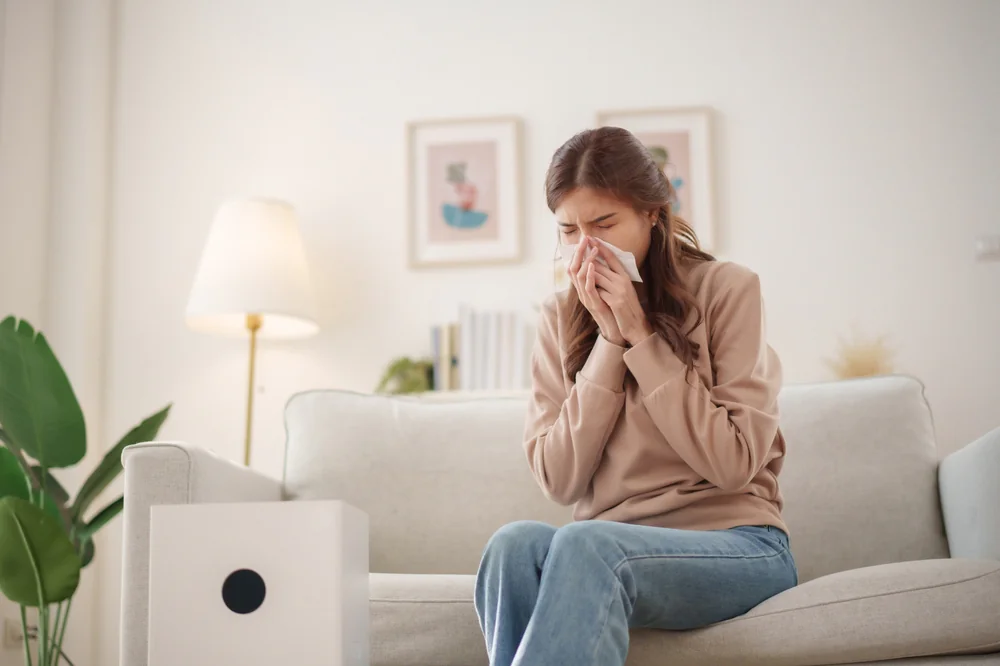
We start with a free inspection. You walk us through your concerns—where you’re noticing smells, where you’ve had water issues, where symptoms seem worse. We’re looking at your HVAC system, checking humidity levels, scanning for temperature differences that indicate moisture problems.
Then we set up air sampling equipment. These devices pull air through a collection medium that traps particles and spores. We typically run samples in multiple rooms plus an outdoor control sample so we can compare what’s outside versus what’s concentrated inside your home. For mold air tests, we’re measuring spore counts and identifying species. For broader indoor air quality tests, we’re also looking at particulates, allergens, and VOC levels.
Samples go to an accredited lab. You get a detailed report that shows exactly what was found, at what concentration, and how that compares to normal levels. We review everything with you in plain language—what’s concerning, what’s not, and what steps make sense based on your specific results.
If the test shows elevated mold or other issues, we give you a clear scope of what needs to happen. If it comes back clean, you have documentation and peace of mind. Either way, you’re making decisions based on facts instead of fear.
Ready to get started?
Our residential air quality testing includes the visual inspection, the actual air sampling, lab analysis, and a written report you can use for insurance claims, real estate transactions, or your own records. We’re testing for mold species and spore counts, but we can also expand testing to include allergens, bacteria, and chemical pollutants depending on what you’re dealing with.
In Lahaska and throughout Bucks County, we’re seeing more buyers request air quality testing before closing. Smart move in an area where the median home value is over $640,000. You’re not just buying square footage—you’re buying the environment inside those walls. Pennsylvania ranks 8th nationally for mold risk, and our climate keeps things damp enough that mold problems are common, not rare.
The testing process is non-invasive. We’re not tearing into walls or making a mess. Most testing appointments take a couple of hours depending on the size of your home and how many areas we’re sampling. You’ll have lab results within a few days, and we’ll schedule time to walk through findings and answer your questions.
We also work directly with insurance companies if you’re filing a claim related to water damage or mold. Our reports meet the documentation standards adjusters expect, and our QA department has worked with enough claims to know how to present information that supports your case.
Cost depends on the size of your home and how many samples you need. A basic mold air test for a typical single-family home usually runs between $400 and $800. That includes the inspection, air sampling in multiple rooms, lab analysis, and a detailed report.
If you need more comprehensive indoor air quality testing that looks at VOCs, allergens, and other pollutants beyond mold, the cost goes up because you’re paying for additional lab work. Larger homes or properties where we need to test multiple floors or separate structures will also cost more due to the number of samples required to get accurate results.
We offer free inspections, so we can give you an exact quote based on your specific situation. Most homeowners find that spending a few hundred dollars on testing either saves them thousands by catching problems early or gives them confirmation that expensive remediation isn’t necessary. Either outcome is worth the investment when you’re protecting a home worth over half a million dollars.
A mold air test specifically measures mold spores in your air—what types are present and at what concentrations. We’re comparing indoor levels to outdoor levels to see if you have abnormal mold growth inside your home. This test is focused and answers one question: do you have a mold problem?
A full indoor air quality test is broader. We’re still testing for mold, but we’re also measuring other particles and pollutants that affect your health. That includes dust mite allergens, pet dander, pollen, bacteria, and volatile organic compounds from building materials, cleaning products, or off-gassing furniture. This test makes sense if you’re dealing with respiratory symptoms but don’t have obvious signs of mold, or if you want a complete picture of your indoor environment.
Most people start with mold testing because it’s the most common issue in our area and the most likely culprit when you’ve had water damage. If that comes back clean but you’re still having symptoms, we can expand to broader air quality testing. We’re not going to push you toward the most expensive option—we’re going to recommend what actually makes sense for your situation.
You can, but those DIY kits are almost useless. They’ll tell you that mold exists—which it does in every home—but they won’t tell you if the levels are actually a problem. Mold is everywhere. The question isn’t whether it’s present, it’s whether it’s present at concentrations that indicate active growth and pose health risks.
Professional air quality testing measures spore counts and compares them to outdoor baseline levels. We’re identifying specific species, some of which are more concerning than others. We’re using calibrated equipment and accredited labs that follow standardized protocols. DIY kits don’t give you that level of detail, and they’re easy to contaminate or misuse in ways that give you false positives or false negatives.
If you’re making decisions about remediation that could cost thousands of dollars, or if you’re trying to negotiate a real estate deal, you need reliable data. Home inspectors don’t usually include air testing in their standard inspections, so if you want actual answers about air quality, you need someone with the right equipment and training to do it properly.
Lab results typically come back within three to five business days after we collect samples. Some labs can expedite results for an additional fee if you’re on a tight timeline—like closing on a house or dealing with an insurance claim that needs quick turnaround.
Once we have the lab report, we schedule time to review it with you. We’re not just going to email you a PDF full of numbers and species names you’ve never heard of. We walk through what was found, what the concentrations mean, which results are concerning and which are normal, and what your options are based on the findings.
The actual testing appointment usually takes two to three hours depending on your home’s size and how many areas we’re sampling. We need to let the air sampling equipment run long enough to capture an adequate sample, so it’s not a quick in-and-out visit. But you don’t need to be home the entire time—we just need access to the areas we’re testing and someone available at the beginning to walk us through your concerns.
Air testing measures what’s in your air, which includes spores from hidden mold if it’s actively releasing them. If you have mold growing inside a wall cavity and it’s producing spores that are making their way into your living space, air testing will pick up elevated counts.
But air testing alone won’t pinpoint exactly where hidden mold is located. That’s where our inspection process comes in. We use infrared cameras to identify temperature differences that indicate moisture problems. We use moisture meters to measure what’s happening inside building materials. We look for visual clues like staining, warping, or musty odors that point to specific problem areas.
Sometimes we recommend combining air testing with surface sampling or even limited exploratory openings if we suspect hidden growth in a specific area. The goal is to give you enough information to make smart decisions without tearing apart your house on a hunch. In Bucks County’s older homes, we’ve found mold in some creative hiding spots—behind old paneling, under carpets installed directly on concrete, in crawl spaces with dirt floors. Experience matters when you’re trying to track down the source.
Yes. Looking dry and being dry are not the same thing. Water gets into places you can’t see—inside wall cavities, under flooring, into insulation. If those areas didn’t get properly dried out, you’re growing mold even if the surface looks fine.
Mold can start growing within 24 to 48 hours after water exposure. If your water damage happened weeks or months ago and you’re just now thinking about testing, there’s a good chance you already have growth. Even if you had a restoration company come out, testing confirms whether their work actually solved the problem or just covered it up.
This is especially important in Lahaska’s higher-end homes where water damage might have affected finished basements, hardwood floors, or custom millwork. You don’t want to assume everything’s fine and then deal with a much bigger remediation project a year later when the problem becomes obvious. Testing gives you documentation of the current state of your indoor air, which is valuable for insurance purposes and for your own peace of mind. If you’re planning to sell in the next few years, having proof that air quality is normal after water damage protects you from buyer concerns during inspection periods.
Other Services we provide in Lahaska