
Hear from Our Customers
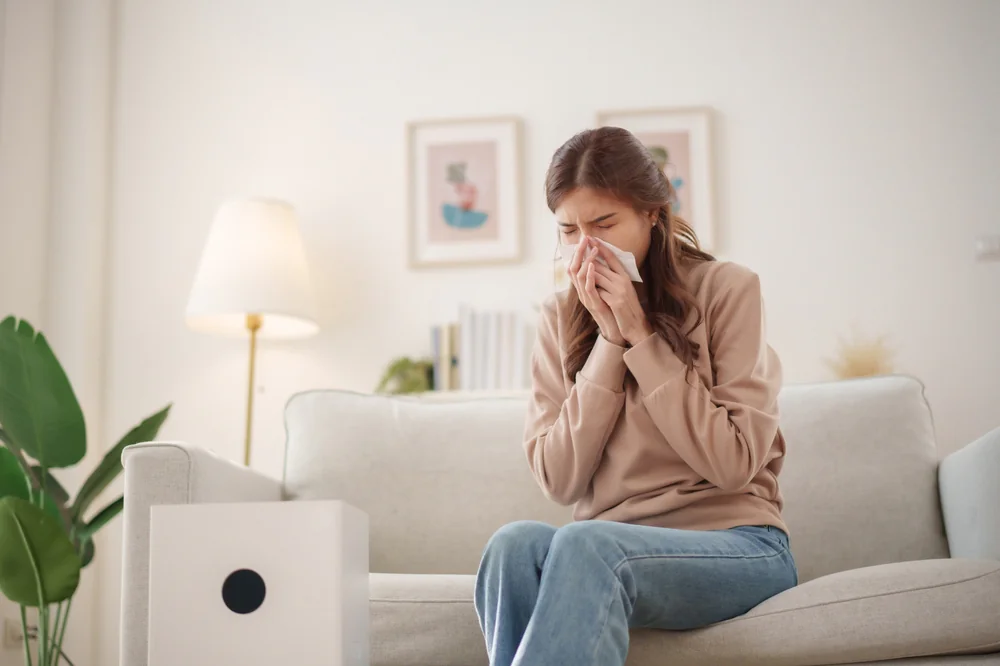
You’re not imagining it. If someone in your house has allergies that won’t quit, headaches that come and go, or respiratory issues that seem worse at home, your air quality might be the reason.
The air inside your Blue Ridge home can be up to 70 times more polluted than outside air. That’s not a scare tactic—it’s data from the American Lung Association. And since you’re spending roughly 90% of your time indoors, what you’re breathing matters more than most people realize.
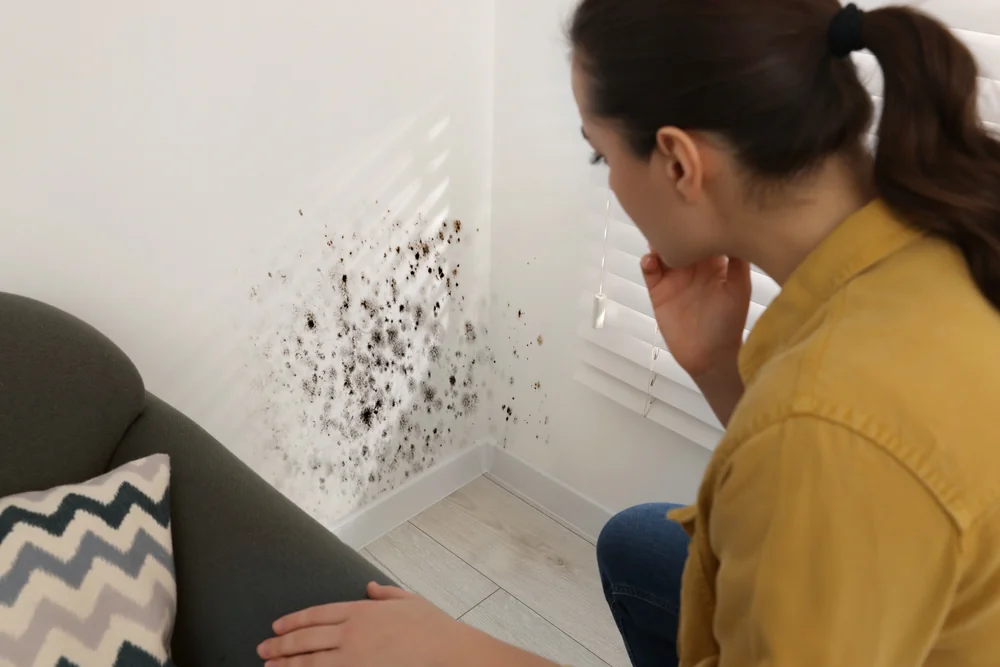
A home air quality test gives you actual data. Not guesses. Not assumptions based on a musty smell or a water stain you noticed last year. You’ll know if mold spores are present, if volatile organic compounds are off the charts, or if humidity levels are creating the perfect environment for future problems.
This isn’t about selling you a service you don’t need. It’s about giving you the information to make smart decisions about your home and your health. If there’s a problem, you’ll know what it is and where it’s coming from. If there isn’t, you’ll have peace of mind.
We’ve been doing mold inspections and residential air quality testing in Bucks County for over 20 years. That means we’ve seen the common issues Blue Ridge homeowners deal with—older homes with hidden moisture problems, newer builds with poor ventilation, basements that never quite dry out.
We’re not a national franchise following a script. We know this area. We know how homes here are built, what goes wrong, and what actually works to fix it.
Our testing process uses lab analysis, not just visual checks. We collect air samples, test surfaces when needed, and measure humidity levels throughout your home. Then we send those samples to a certified lab and give you a full report that explains what we found and what it means for your specific situation.
The process starts with a visual inspection of your home. We’re looking for obvious signs of moisture intrusion, mold growth, or ventilation issues. But we’re also checking areas you probably don’t think about—behind appliances, inside HVAC systems, crawl spaces, attics.
Next, we collect air samples from multiple rooms. This tells us what’s floating around in the air you’re breathing every day. We also do surface testing if we spot visible mold or suspect hidden growth behind walls or under flooring.
We measure humidity levels throughout your home because moisture is the root cause of most indoor air quality problems. If your basement is sitting at 70% humidity, you’re going to have mold. It’s not a matter of if, it’s when.
The whole process typically takes one to three hours depending on your home’s size and layout. After we’re done, samples go to the lab. You’ll get a detailed written report within two to ten days that breaks down exactly what we found, where the problems are, and what needs to happen next.
Ready to get started?
A professional air quality testing service covers more than just mold. We’re testing for mold spores, yes, but also volatile organic compounds that off-gas from building materials, furniture, and cleaning products. We check particulate levels—dust, pollen, pet dander. We measure carbon monoxide and radon if there’s reason for concern.
In Blue Ridge, where the median home value is around $291,000, you’re protecting a significant investment. Homes here are a mix of older construction and newer builds, and both come with their own air quality challenges. Older homes often have poor ventilation and hidden moisture issues. Newer homes are built tight for energy efficiency, which means contaminants get trapped inside.
If you’ve recently had construction, remodeling, or water damage, testing makes even more sense. Demolition and renovation release particles and chemicals into your air that can linger for months. Water damage—even if it’s been “fixed”—often leads to mold growth in hidden areas.
You’ll get documentation that’s useful for insurance claims, real estate transactions, or just knowing your family is safe. And if we do find a problem, we’ll walk you through what remediation looks like and how to prevent it from coming back.
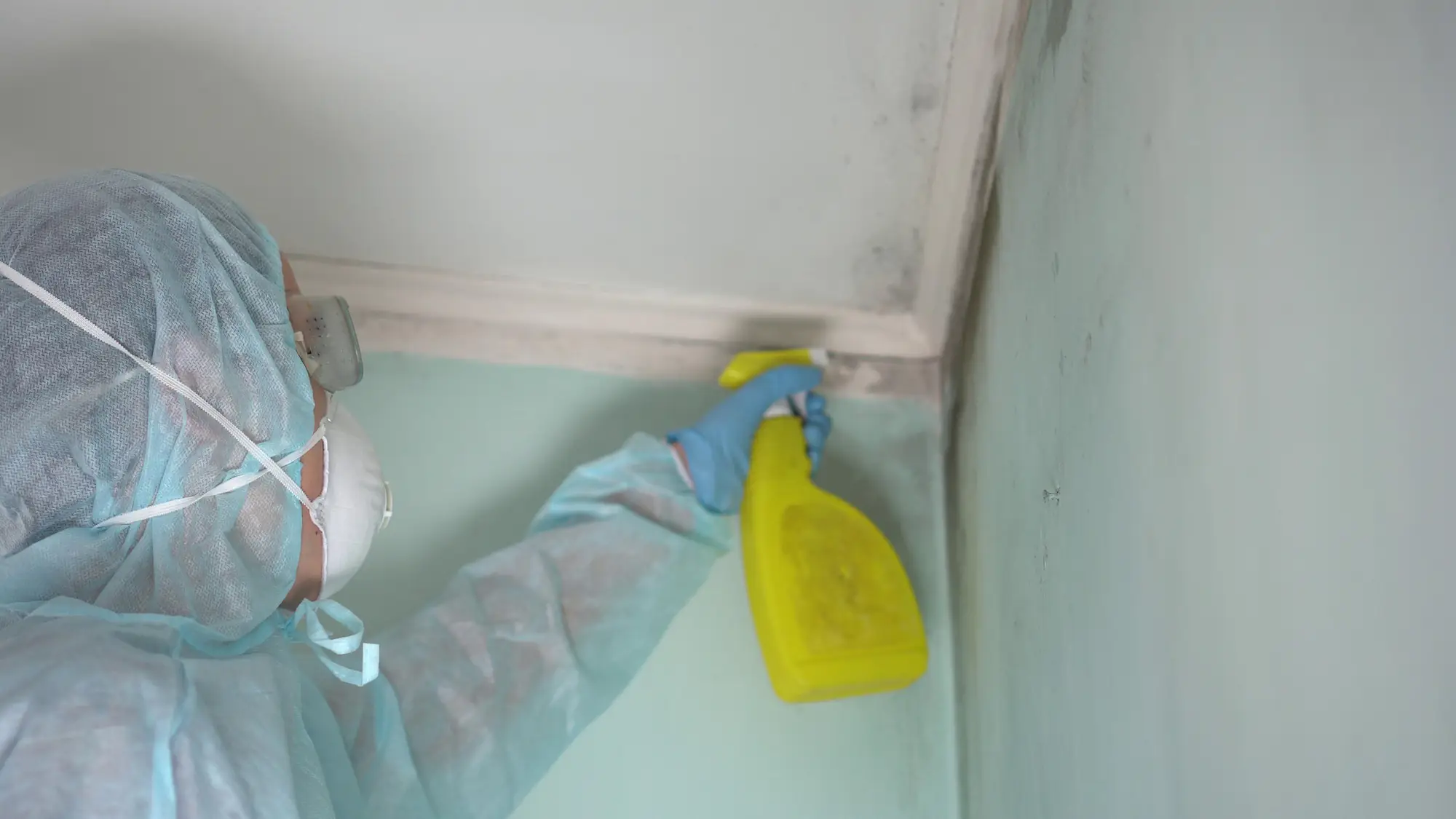
If anyone in your home has unexplained allergies, asthma that’s getting worse, or respiratory symptoms that improve when they leave the house, that’s a red flag. Same goes if you’ve had water damage, flooding, or leaks—even if they were fixed months ago.
You should also consider testing after any major renovation or construction work. Demolition, new drywall, paint, and flooring materials all release chemicals into your indoor air. Most people don’t think about it until someone starts feeling sick.
Musty odors, visible mold, or condensation on windows are obvious signs. But plenty of homes have serious air quality issues with no visible symptoms at all. If you’re buying or selling a home in Blue Ridge, a mold air test gives you leverage and peace of mind during the transaction.
DIY kits test one spot in one room and give you limited information. They might tell you mold is present, but they won’t tell you what kind, how much, or where it’s coming from. And they definitely won’t give you a clear plan for what to do about it.
Professional air quality testing uses lab-grade equipment and samples multiple areas of your home. We’re not just looking for mold—we’re testing for VOCs, particulates, humidity levels, and other contaminants that affect your health. The lab analysis we provide is detailed enough to use for insurance claims or legal documentation if needed.
More importantly, we interpret the results for you. A number on a test kit doesn’t mean much if you don’t know what it means for your specific situation. We’ll explain what we found, why it matters, and what your options are. That’s the difference between data and actual answers.
The on-site inspection and sample collection usually takes one to three hours depending on the size of your home and how many areas we’re testing. We’re thorough, but we’re not going to waste your time.
After we collect samples, they go to a certified lab for analysis. You’ll receive a complete written report within two to ten days. That report breaks down everything we found—mold spore counts, types of mold if present, VOC levels, humidity readings, and any other contaminants we tested for.
The report also includes our recommendations. If there’s a problem, we’ll tell you what needs to be addressed, how urgent it is, and what remediation looks like. If your air quality is fine, we’ll tell you that too. The goal is to give you clear, actionable information so you can make informed decisions about your home.
Yes, that’s a big part of what we do. Air testing tells us what’s in your air, but the visual inspection and moisture mapping tell us where it’s coming from. Mold doesn’t just appear—it grows because there’s a moisture source. Our job is to find that source.
We check all the common culprits in Blue Ridge homes: basement moisture, roof leaks, plumbing issues, poor ventilation in bathrooms and kitchens, HVAC condensation, and crawl space humidity. We use moisture meters to measure levels inside walls, floors, and ceilings.
Once we identify the source, we can recommend the right fix. Sometimes it’s a plumbing repair. Sometimes it’s a ventilation upgrade or a dehumidifier. Sometimes it’s a bigger issue like a foundation crack or a failing roof. Either way, you’ll know exactly what’s causing the problem and what it takes to solve it permanently.
If we find mold, we’ll tell you what type it is, how much is present, and where it’s growing. Not all mold requires the same response. Some situations need immediate professional remediation. Others can be handled with targeted cleaning and moisture control.
We’ll give you a clear remediation plan that addresses both the mold and the moisture source. Removing mold without fixing the underlying moisture problem is pointless—it’ll just come back. We’ve been doing this for over 20 years in Bucks County, so we know what works and what doesn’t.
If we find elevated VOCs, poor ventilation, or other air quality issues, we’ll recommend solutions based on your specific situation. That might mean improving your HVAC filtration, increasing ventilation, addressing humidity, or removing specific materials that are off-gassing. You’ll get a report you can use for insurance purposes, and we’re available to answer questions as you move forward with any repairs or remediation.
Cost depends on the size of your home, how many areas need testing, and what specific contaminants you’re concerned about. A basic indoor air quality test for a typical Blue Ridge home usually runs a few hundred dollars. More comprehensive testing that includes multiple rooms, VOC analysis, and detailed moisture mapping costs more.
We’ll give you a clear quote before we start any work. No surprises, no upselling services you don’t need. If you request a quote online, you’ll hear back from us within 24 to 48 hours.
What you’re paying for is lab-accurate results, professional interpretation, and a clear action plan. That’s worth a lot more than a $40 DIY kit that leaves you with more questions than answers. And if testing reveals a problem early, you’re potentially saving thousands in remediation costs down the road. Catching mold or moisture issues before they spread is always cheaper than dealing with extensive damage later.
Other Services we provide in Blue Ridge