

Hear from Our Customers
You’re not looking for a piece of paper with numbers on it. You need to know if that musty smell in your basement is actually dangerous. If those dark spots behind your washing machine are something to worry about. If your kid’s coughing is related to what’s floating around in your air.
Professional mold testing tells you exactly what’s there, where it’s coming from, and how serious it is. We use air sampling and surface testing to identify mold types and concentration levels. That means you’re not tearing into walls based on a hunch or ignoring a problem that’s quietly getting worse.
The testing process takes the guesswork out. You’ll know if you need remediation, or if you can handle it with better ventilation and a dehumidifier. Either way, you’re making decisions based on facts, not fear.
We serve Tradesville and the surrounding Bucks County area with residential mold testing and remediation. We’re local, which means we understand how Pennsylvania’s climate creates the perfect conditions for mold growth. The humidity, the older homes, the basements that never quite stay dry.
We’re not a national franchise reading from a script. We’ve been in enough Bucks County basements and crawl spaces to know what’s typical and what’s a red flag. When we test your home, we’re looking at it through the lens of someone who knows this area and the problems that come with it.
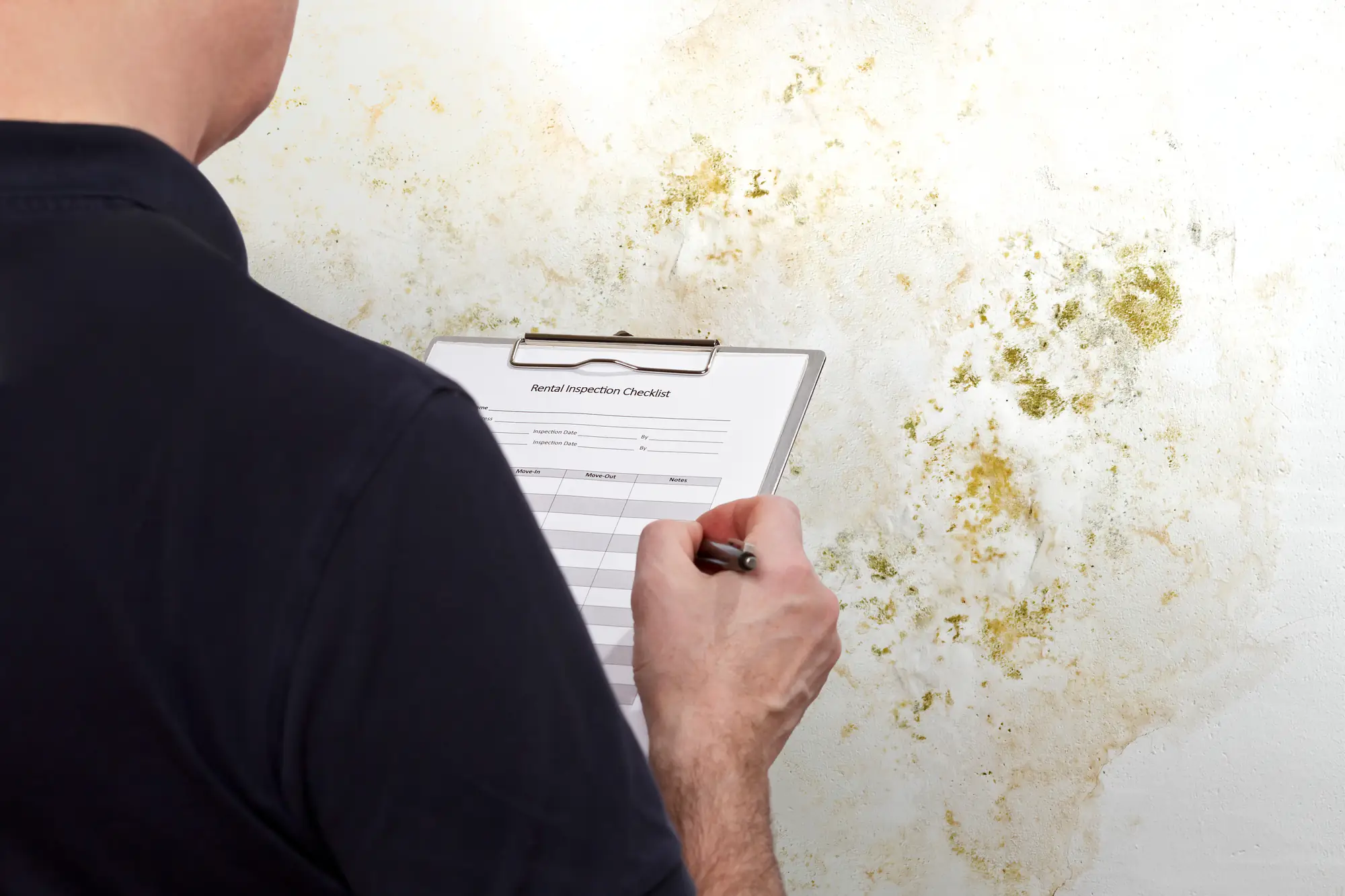
First, we talk. You tell us what you’re seeing, smelling, or experiencing. That conversation guides where we look and what we test.
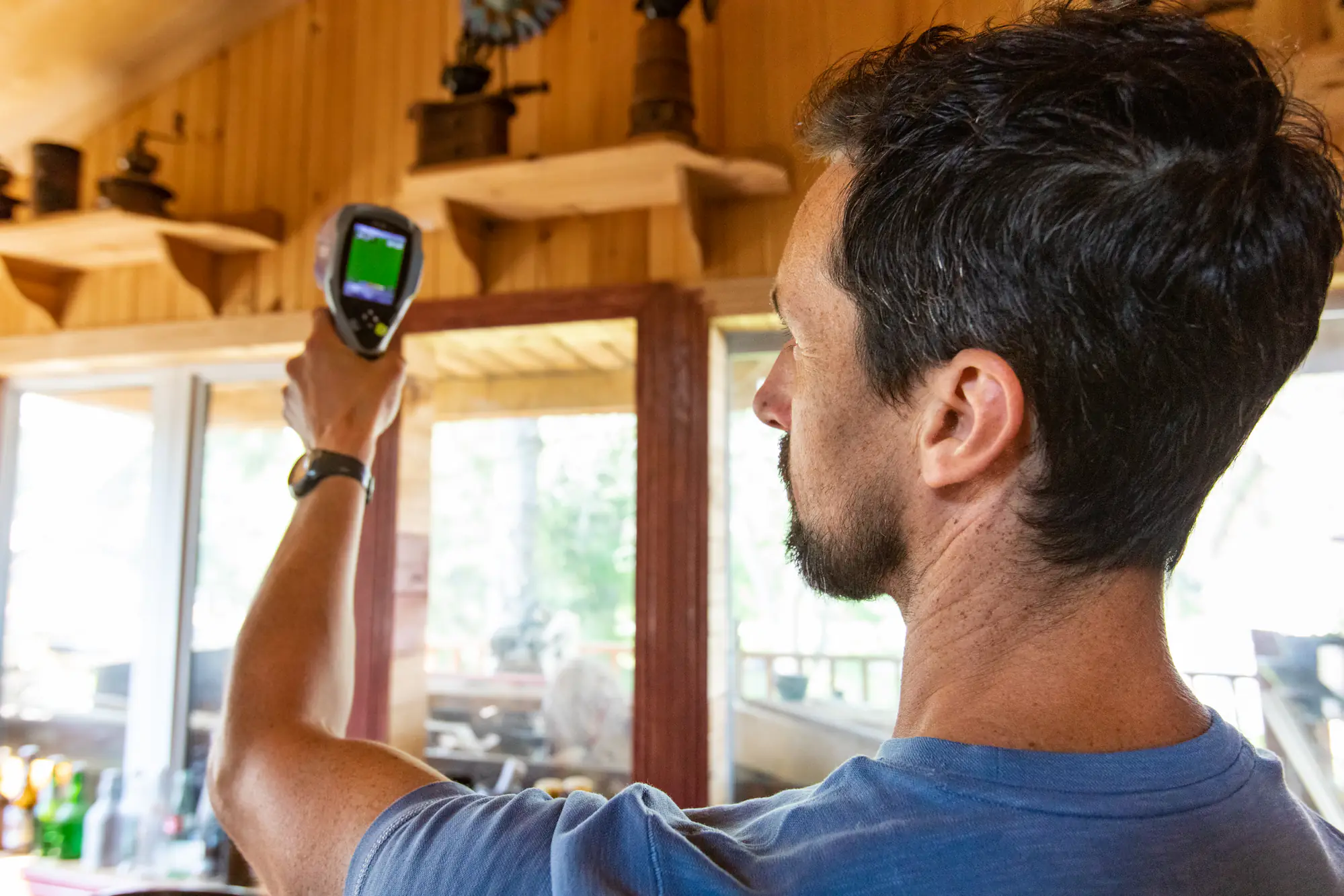
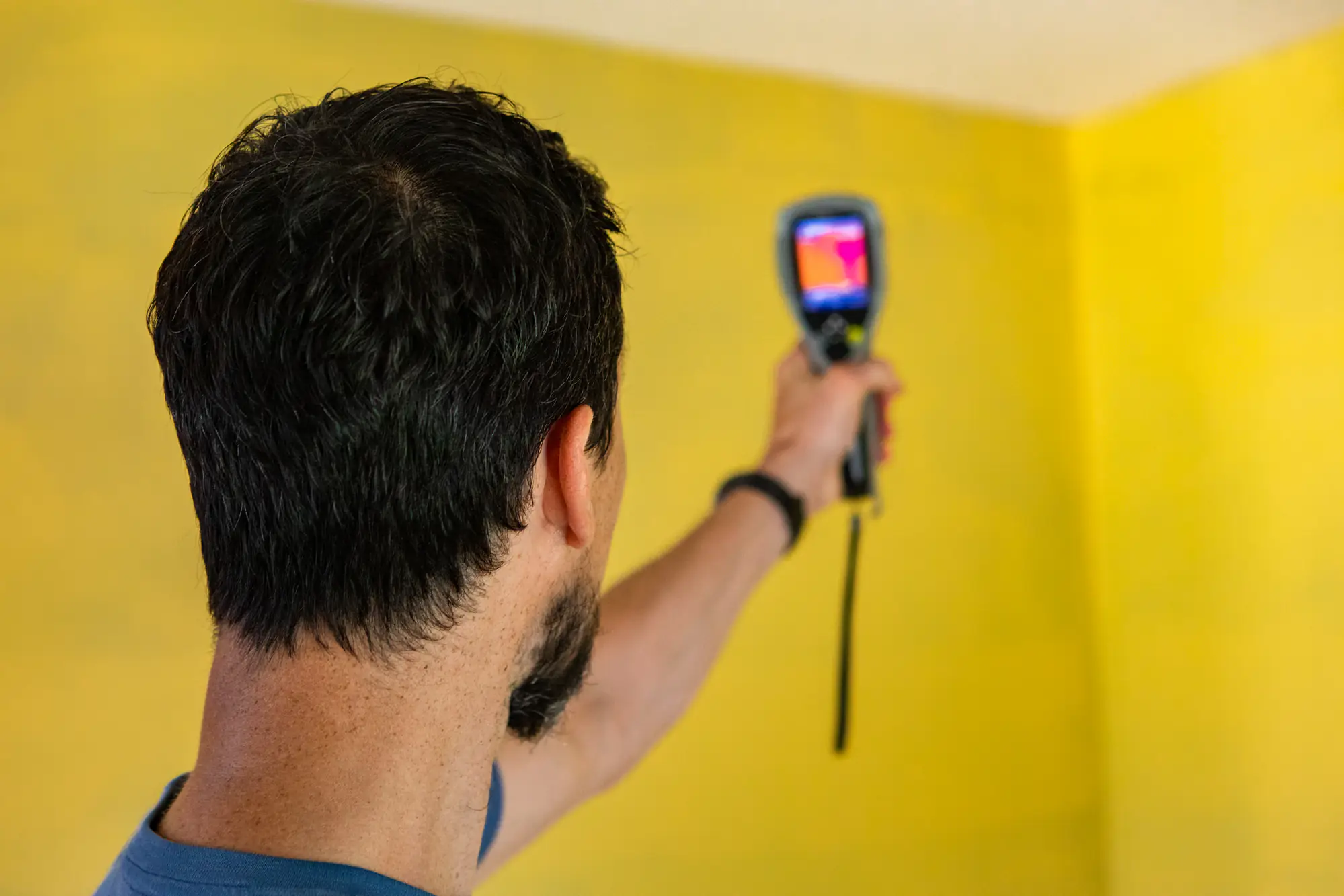
Then we inspect your home. We’re checking the obvious spots and the hidden ones—behind appliances, inside HVAC systems, under sinks, in attics and crawl spaces. We use moisture meters to find where water is collecting, because that’s where mold grows.
We collect air samples and surface samples from areas of concern. Those samples go to a lab for analysis. Within a few days, you get results that tell you what types of mold are present and at what levels. We walk you through what it means in plain language.
If remediation is needed, we give you a clear plan. If it’s not, we tell you that too. You’re not pressured into services you don’t need. You’re just getting honest information about what’s happening in your home.
Ready to get started?
A comprehensive mold test includes a visual inspection of your entire home, moisture detection using specialized tools, air sampling to measure airborne mold spore levels, and surface sampling from visible growth or suspected areas. You’re getting a full assessment, not just a quick walk-through.
In Bucks County, we see mold issues most often in basements, bathrooms, and areas with poor ventilation. Pennsylvania’s humidity levels and older housing stock create ideal conditions for mold growth. Nearly 62% of Pennsylvania schools had mold levels high enough to require remediation, which tells you how common this problem is across the state.
The testing process typically takes a few hours depending on your home’s size. Lab results come back within 3-5 business days. You’ll receive a detailed report showing mold types, concentration levels, and our recommendations. If black mold or other toxic varieties are found, we’ll explain the health risks and next steps clearly.
Professional mold testing in Pennsylvania typically starts around $300 to $350 for a comprehensive assessment. That includes the visual inspection, moisture detection, air sampling, and lab analysis. Some companies charge more depending on your home’s size or the number of samples needed.
It might seem like a lot compared to a $10 DIY kit from the hardware store, but those kits don’t give you accurate results. They often produce false negatives, which means you think you’re fine when you’re not. Or they tell you mold is present without identifying the type or severity, which doesn’t help you make decisions.
Professional testing can actually save you money during remediation. If you open up walls without knowing the scope of the problem, you might end up doing more work than necessary. Or worse, not enough. Testing first gives you a roadmap so you’re not guessing.
A mold inspection is a visual assessment of your property. An inspector looks for visible mold growth, water damage, moisture problems, and conditions that promote mold. It’s about identifying problem areas and potential sources.
Mold testing goes further. It involves collecting air or surface samples and sending them to a lab for analysis. Testing tells you what types of mold are present, how much is there, and whether it’s at levels that require action. You get specific data, not just observations.
Most of the time, you want both. The inspection finds where to look, and the testing confirms what’s actually there. If you’re buying a home, dealing with health symptoms, or need documentation for insurance, testing is usually necessary. If you just want to know if that spot on your wall is mold, an inspection might be enough.
DIY mold test kits aren’t as reliable as professional testing. They’re cheap and easy to use, but they have serious limitations. Most kits just tell you if mold spores are present, which isn’t helpful because mold spores are everywhere. Every home has some level of mold in the air.
What matters is the type of mold and the concentration. A DIY kit won’t tell you if you’re dealing with toxic black mold or harmless surface mold. It won’t measure spore levels accurately. And it won’t help you find hidden mold growing inside walls or ductwork.
Professional testing uses calibrated equipment and lab analysis to give you specific, actionable information. If you’re trying to make a real decision about your home’s safety or whether you need remediation, a DIY kit won’t get you there. It’s like using a thermometer to diagnose an illness—it might tell you something’s wrong, but not what or how serious.
The inspection itself usually takes a few hours depending on your home’s size and the number of areas we’re testing. We’re thorough, but we’re not there all day.
Once we collect the samples, they go to a certified lab for analysis. Lab results typically come back within 3 to 5 business days. Some labs offer rush processing for an additional fee if you need answers faster, but standard turnaround is usually enough for most situations.
After we get the lab results, we’ll contact you to review them. We’ll explain what was found, what the concentration levels mean, and whether remediation is recommended. If you need a written report for insurance or a real estate transaction, we’ll provide that as well. The whole process from inspection to final report usually takes about a week.
The most common molds we find in Bucks County are Cladosporium, Penicillium, Aspergillus, and Alternaria. These are typical indoor molds that grow in damp conditions. They’re not usually dangerous for healthy people, but they can trigger allergies and respiratory issues.
Black mold, or Stachybotrys chartarum, is less common but more concerning. It grows in areas with significant water damage and produces mycotoxins that can cause serious health problems. If you see dark, slimy-looking growth on drywall or wood that’s been wet for a while, that’s when you need testing right away.
Pennsylvania’s climate makes mold growth more likely than in drier states. We get plenty of rain, humidity stays high, and many homes in this area have basements that aren’t properly waterproofed. That combination creates ideal conditions for mold. Testing helps you identify exactly what’s growing so you can address it appropriately.
If you can see mold, you know you have a problem. Testing might still be worth it depending on your situation. If the visible mold is small and surface-level, you might not need testing. Clean it up, fix the moisture source, and monitor the area.
But if the growth is extensive, if it’s in multiple areas, or if you’re experiencing health symptoms, testing tells you what you’re dealing with. Some molds are more harmful than others. Black mold requires different handling than common bathroom mildew. Testing also helps you find hidden mold that’s not visible but might be contributing to air quality issues.
Testing is also important if you’re documenting the problem for insurance, preparing for remediation, or need to prove the issue is resolved after cleanup. Visible mold is often just part of the problem. Air testing can reveal elevated spore levels even in areas that look clean, which means there’s mold growing somewhere you can’t see.
Other Services we provide in Tradesville