

Hear from Our Customers
You’re not looking for a sales pitch. You need to know if there’s mold, what kind it is, and how serious the situation actually is.
That’s what professional mold testing does. It gives you lab-certified data about what’s growing in your home, where it’s coming from, and what concentrations you’re dealing with. No guessing. No conflict of interest from companies that profit from finding problems.
When you’re buying a home in Thornridge, PA, a black mold test can save you from inheriting someone else’s expensive nightmare. Mold can drop property values by 10% to 30%—sometimes more if it’s widespread. For current homeowners, testing identifies issues before they escalate into structural damage or ongoing health problems. About 4.6 million asthma cases in the U.S. are caused by mold exposure, and the risk doubles in homes with active growth.
Testing puts you back in control. You’ll know if that musty smell is actually dangerous, if those health symptoms are connected to your indoor air, and whether you need remediation or just better ventilation.
We provide residential mold testing throughout Thornridge, PA and surrounding Bucks County communities. We’re an independent mold testing company, which means our only job is giving you accurate information.
We don’t profit from finding problems. We don’t upsell remediation services while we’re inspecting your property. That matters in Pennsylvania, where there’s no state licensing requirement for mold work—meaning anyone can claim expertise without proving competence.
Pennsylvania homes face real mold risk. Over 61% of schools in the state had mold levels high enough to require remediation. Dampness shows up in 20% to 50% of homes across the country, and around 45 million buildings lack proper ventilation or insulation. Thornridge isn’t immune to these conditions, especially in older homes or properties near water sources.
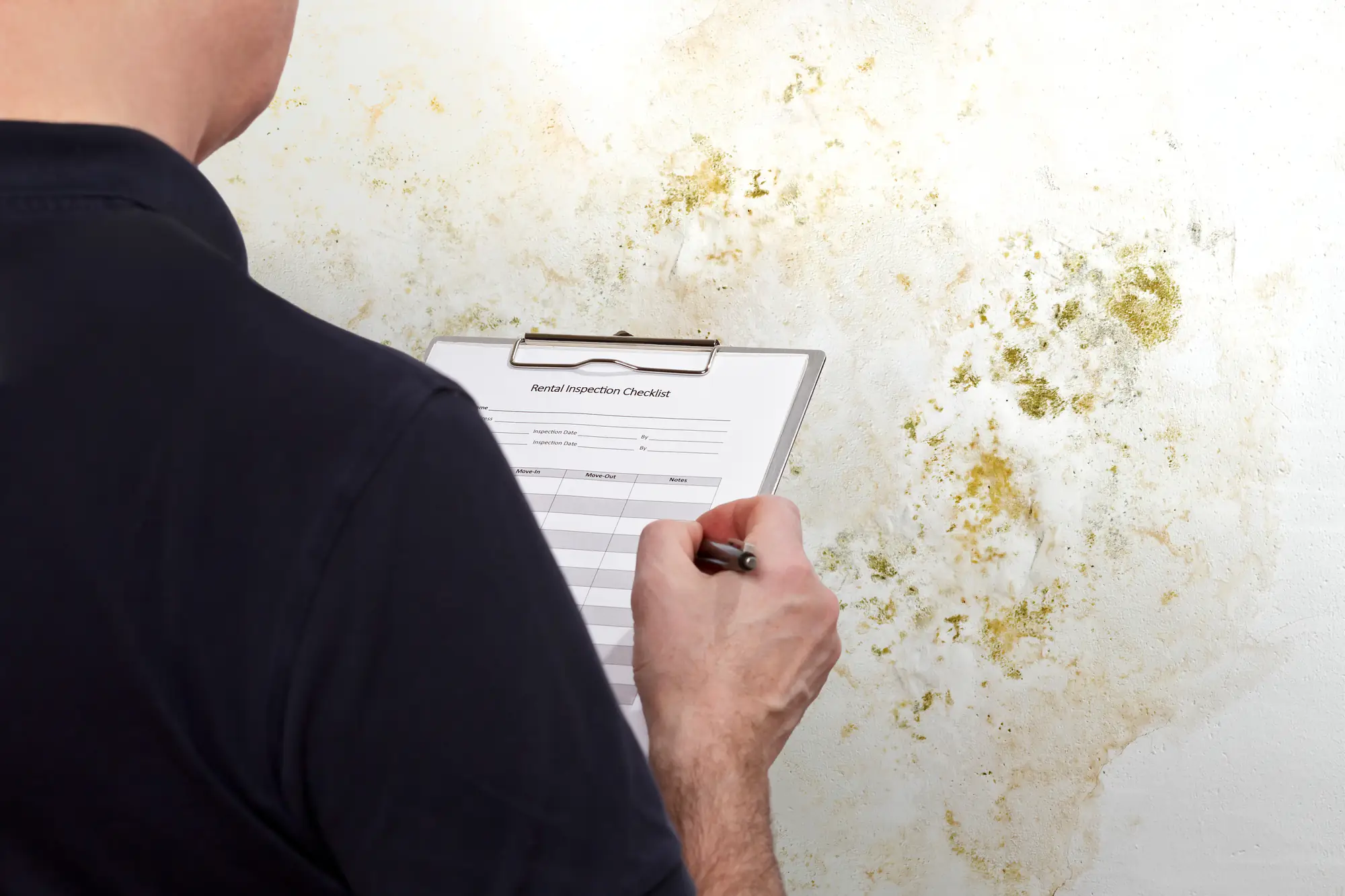
We start with a visual inspection of your property—looking for visible growth, water stains, discoloration, and conditions that support mold development. This includes checking basements, crawl spaces, attics, bathrooms, and anywhere moisture tends to accumulate.
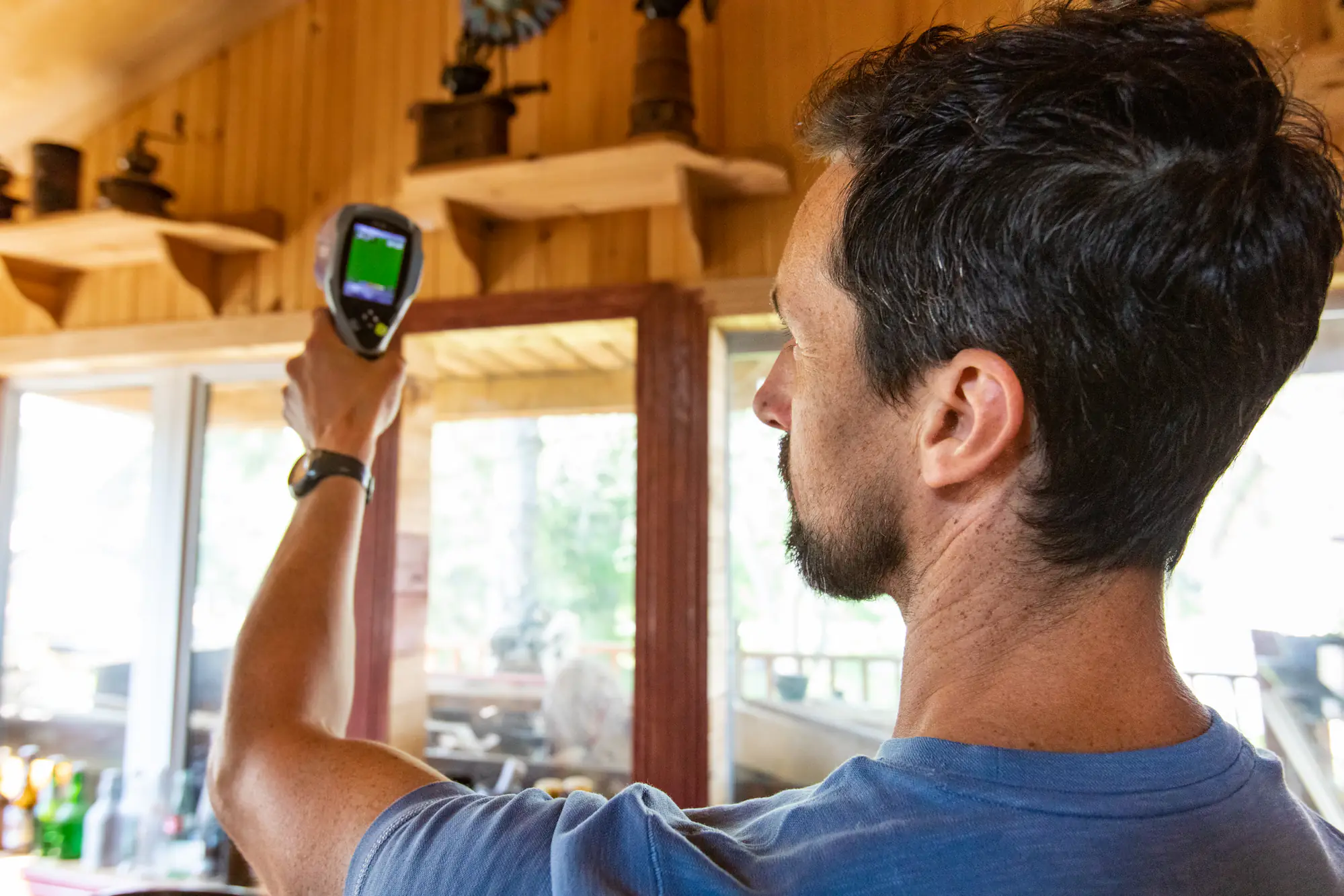
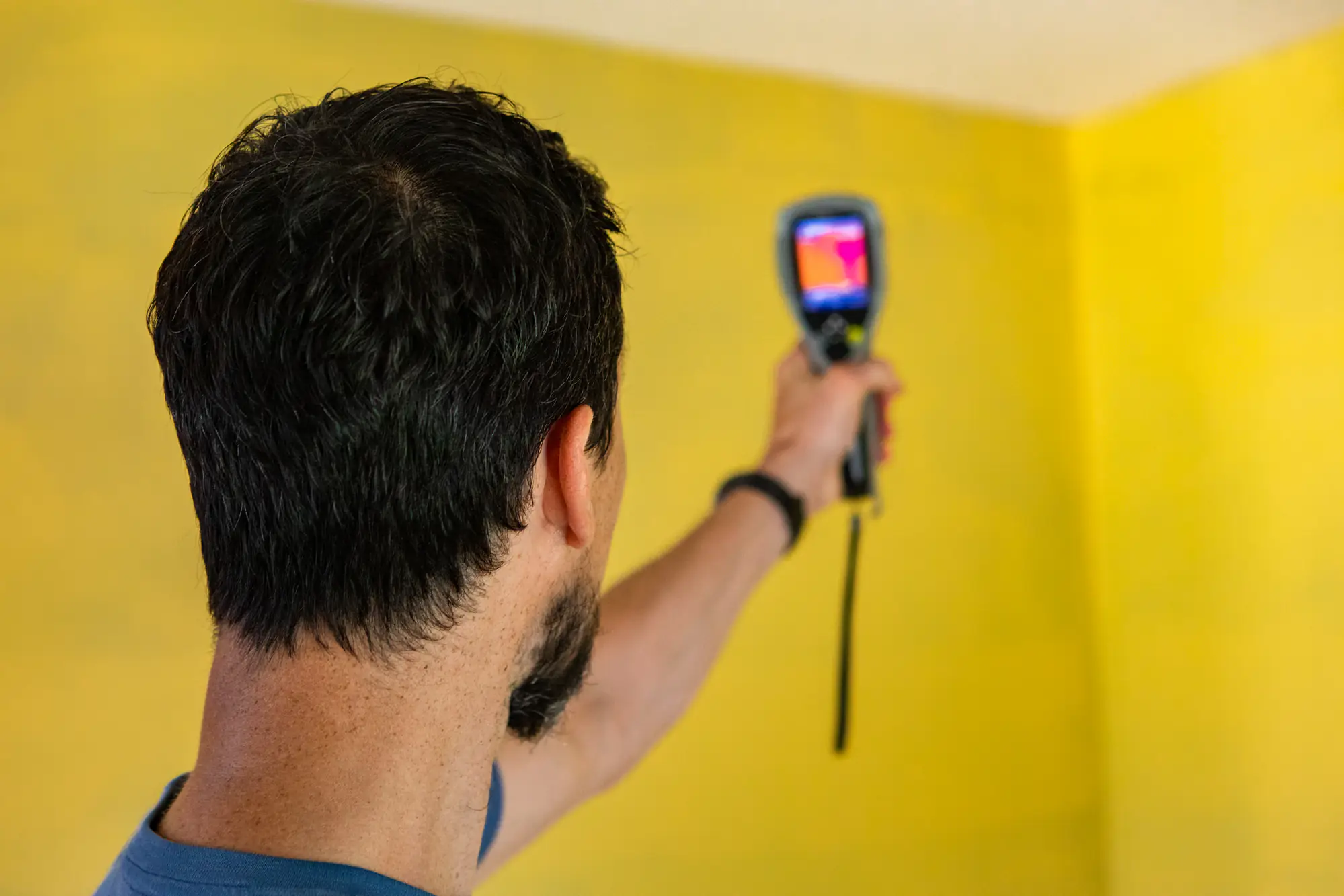
Next, we use thermal imaging cameras and moisture meters to detect hidden problems you can’t see. Mold grows behind walls, under flooring, and inside HVAC systems. Our equipment identifies temperature differences and moisture levels that indicate trouble before it becomes visible.
Then we collect air samples from multiple areas inside your home, plus an outdoor control sample for comparison. These samples capture airborne mold spores that get sent to a certified laboratory for analysis. The lab identifies specific mold species and measures concentration levels—data that tells you exactly what you’re breathing and whether it’s within safe ranges.
We also take surface samples if we find visible growth or suspicious areas. This helps confirm the type of mold and whether it’s something like black mold that requires immediate attention.
You’ll receive a detailed report with lab results, photos, moisture readings, and clear recommendations. If remediation is needed, you’ll have third-party documentation to get accurate quotes from mold check professionals without pressure or bias.
Ready to get started?
Your mold testing service includes a full property assessment—not just a quick walk-through. We inspect all accessible areas where mold typically develops, document conditions with photos, and map moisture levels throughout your home.
Air quality testing captures what’s actually in the air you’re breathing. Our samples go to certified labs where trained analysts identify mold species and measure spore concentrations. You’re not getting results from a $10 test kit—you’re getting scientific analysis that holds up in real estate negotiations, insurance claims, and legal situations if needed.
In Bucks County and Thornridge, PA specifically, we see mold issues tied to aging housing stock, basement moisture, poor attic ventilation, and water intrusion from storms. Pennsylvania’s climate creates ideal conditions for growth, especially in homes without proper moisture control. That’s why our testing includes humidity readings and identification of water sources feeding the problem.
The WHO found that dampness and mold increase respiratory illness rates by 30% to 50%. For families dealing with unexplained allergies, asthma flare-ups, or chronic sinus issues, testing often reveals the source. For homebuyers, it prevents inheriting a problem that could cost thousands to fix. Sellers who invested in professional remediation recovered nearly $20,000 more in resale value compared to those who just dropped their asking price.
Professional mold testing typically ranges from $300 to $600 depending on your property size and how many samples we need to collect. A standard residential mold testing service for a single-family home usually falls in the $400 to $500 range.
That includes the visual inspection, moisture mapping, air sampling from multiple rooms, an outdoor control sample, laboratory analysis, and a detailed report with findings and recommendations. If we need surface samples or additional air tests from specific problem areas, that can add to the cost.
It’s not cheap, but compare that to the alternative. Mold remediation without testing means you’re guessing at the scope of the problem—and contractors might overestimate the work needed. Buyers often negotiate $5,000 to $15,000 off a home’s price when mold is discovered, and sometimes deals fall through entirely. Testing gives you leverage and clarity, whether you’re buying, selling, or just protecting your family’s health.
The on-site inspection usually takes one to three hours depending on your home’s size and how many areas we’re testing. We’re thorough—checking basements, attics, crawl spaces, bathrooms, and anywhere moisture or visible growth appears.
After we collect samples, they go to a certified lab for analysis. Lab results typically come back within three to five business days. Once we receive the data, we compile everything into a report with photos, lab findings, moisture readings, and recommendations.
You’ll have documentation you can actually use—whether that’s negotiating repairs with a seller, getting quotes from remediation companies, or just understanding what’s happening in your home. The timeline matters if you’re in the middle of a real estate transaction, so let us know if you’re working under a deadline. We can often expedite lab processing if needed.
DIY test kits from hardware stores are cheap—usually $10 to $40—but they’re not reliable for making real decisions. Most use petri dishes or test strips that can’t tell you mold species, concentration levels, or whether what you’re seeing is actually a problem.
Here’s the issue: mold spores exist everywhere. A DIY kit will almost always show some mold presence because spores are in the air naturally. But that doesn’t tell you if you have a health hazard or structural issue. You need to know what type of mold is growing, how much is present compared to outdoor levels, and where it’s coming from.
Professional mold testing uses calibrated equipment to collect measured air samples that get analyzed in certified laboratories. We compare indoor spore counts to outdoor baseline levels, identify specific species like black mold or aspergillus, and provide documentation that’s accepted by real estate professionals, insurance companies, and remediation contractors. You’re paying for accuracy and actionable information—not just confirmation that mold exists somewhere in your house.
If you can see mold, you know you have a problem—but testing still tells you how big that problem actually is. Visible growth is often just the surface issue. Mold spreads behind walls, under flooring, and through HVAC systems where you can’t see it.
Testing identifies the mold species, which matters for health risk and remediation approach. Black mold requires different handling than common mildew. Lab analysis also measures airborne spore concentrations throughout your home, showing whether the problem is localized or affecting your entire indoor air quality.
For homeowners, this prevents overpaying for remediation you don’t need or undertreating a problem that’s more widespread than it looks. For buyers and sellers, testing provides documentation that protects both parties. Pennsylvania law requires sellers to disclose known material defects including mold—and “I didn’t test for it” doesn’t hold up if a buyer discovers the issue after closing. Testing gives you facts, not assumptions.
Yes—that’s one of the most valuable parts of professional testing. We don’t just identify mold; we identify the moisture sources feeding it. Mold needs water to grow, so if you’re seeing repeated growth, you have an ongoing moisture problem.
During inspection, we use thermal imaging and moisture meters to find hidden water intrusion, condensation issues, humidity problems, or ventilation failures. Maybe your basement has groundwater seepage. Maybe your bathroom exhaust fan isn’t actually venting outside. Maybe your attic insulation is creating condensation during temperature swings.
Around 45 million U.S. homes lack adequate ventilation, heating, or insulation—conditions that create perfect environments for mold. In Thornridge, PA and Bucks County, we see issues with aging foundations, poor grading around homes, and HVAC systems that can’t handle humidity levels. Our report includes recommendations for fixing the root cause, not just cleaning up visible growth. Otherwise, you’re just treating symptoms while the problem keeps coming back.
Pennsylvania doesn’t legally require mold testing for real estate transactions—but that doesn’t mean you should skip it. Sellers must disclose known material defects, and mold qualifies. If you’re selling and suspect mold, testing protects you from liability. If buyers discover undisclosed mold after closing, they can sue for repair costs, legal fees, and damages.
For buyers, mold is one of the most common deal-breakers. It can kill a sale entirely or lead to major price negotiations. Professional testing during your inspection period gives you documentation to request repairs, ask for credits, or walk away if the problem is too extensive.
Mold lowers home values by 10% to 30% or more depending on severity. Buyers who skip testing sometimes discover expensive surprises after moving in—remediation can cost anywhere from $1,500 for small jobs to $30,000+ for whole-house treatment. A $400 test before you buy can save you thousands and give you negotiating power. For sellers, proactive testing and remediation often recovers more value than simply dropping your price when buyers find problems during their inspection.
Other Services we provide in Thornridge