
Hear from Our Customers
You spend 90% of your time indoors. If someone in your house has unexplained headaches, respiratory issues, or allergies that won’t quit, the air might be the problem.
A home air quality test identifies what’s actually in the air—mold spores, volatile organic compounds, particulates, carbon monoxide, and other pollutants you can’t see or smell. You get a detailed report that tells you exactly what’s wrong and what to do about it.
Catching issues early means you avoid bigger remediation bills later. It also means you stop wondering if your home is making your family sick. Indoor air quality testing gives you clarity, and clarity lets you take action before small problems turn into expensive ones.
We’ve been testing air quality and inspecting homes in Thornridge, PA for over 20 years. We’ve seen what happens when homeowners ignore the signs—and what happens when they catch problems early.
Our technicians use EPA-approved methods and professional-grade equipment. We’re not trying to upsell you on services you don’t need. We test, we report, and we give you honest recommendations based on what we find.
Thornridge homes face specific challenges—older construction, humidity from the Delaware River Valley, and Pennsylvania’s serious radon problem. About 40% of homes in PA have radon levels above EPA guidelines. We know what to look for because we’ve been doing this work in your community for decades.

We start with a free inspection. You tell us what you’ve noticed—symptoms, odors, visible moisture, or just a gut feeling something’s off. We listen.
Then we do a visual inspection of your home, looking for water damage, condensation, ventilation issues, and visible mold. We check areas most people don’t think about—crawl spaces, attics, behind appliances, around windows.
Next comes air sampling. We use professional equipment to collect samples from multiple areas of your home. We also do surface testing if we spot potential contamination. These samples get analyzed in a lab to detect mold spores, VOCs, particulate matter, and other pollutants.
You get a detailed report within a few days. It shows exactly what we found, where the problems are, and what levels of contamination exist. More importantly, it includes clear recommendations for remediation. If you need mold removal, better ventilation, or other fixes, we explain what needs to happen and why.
Ready to get started?
A professional air quality test from us covers more than just mold. We test for volatile organic compounds (VOCs) from cleaning products, paints, and building materials. We measure particulate matter—dust, pollen, and other airborne particles that aggravate allergies and asthma. We check carbon monoxide levels and other gases that pose serious health risks.
Thornridge homeowners deal with specific issues. Older homes often have poor ventilation. Basements get damp. Radon seeps up through foundation cracks—it’s colorless and odorless, so you’d never know it’s there without testing. Pennsylvania has one of the worst radon problems in the country, and Bucks County is no exception.
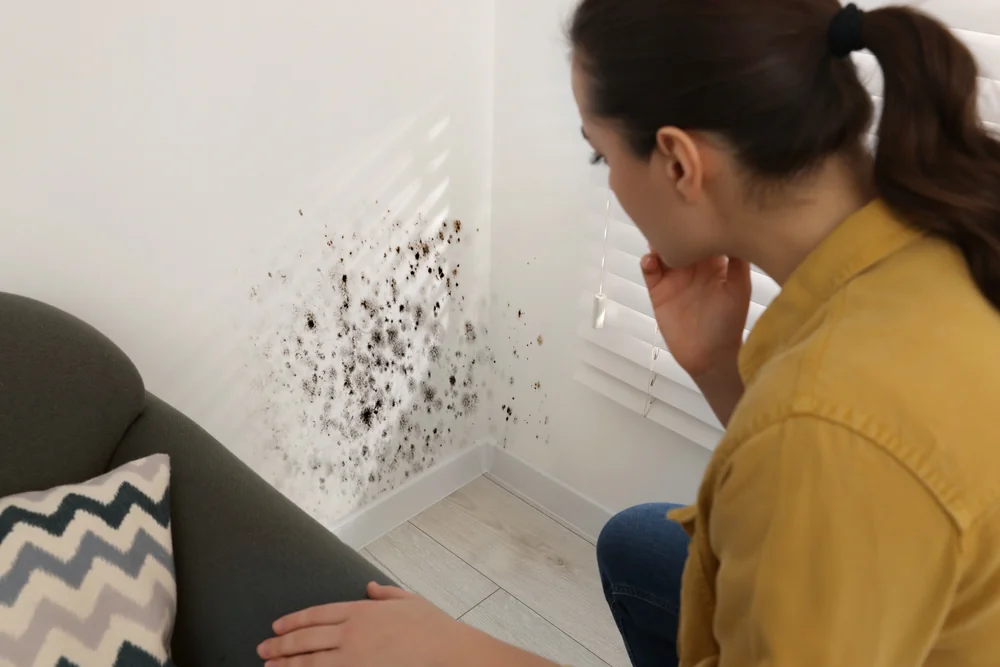
We also look at how water intrusion affects air quality. A small leak can lead to mold growth within 24 to 48 hours. Mold contamination contributes to 25% of asthma cases. If you’ve had water damage—even if it seemed minor—testing makes sense.
The average cost for indoor air quality testing runs between $292 and $585. That’s a fraction of what you’d pay for major mold remediation or ongoing medical bills from respiratory issues. Testing gives you information. Information lets you make smart decisions about your home and your health.
If anyone in your house has unexplained health symptoms—headaches, dizziness, fatigue, eye or throat irritation, worsening allergies, or respiratory issues—testing makes sense. These are classic signs of poor indoor air quality.
You should also test if you’ve had water damage, notice a musty smell, see visible mold, or live in an older home with ventilation issues. Buying or selling a home is another good time to test. You want to know what you’re dealing with before money changes hands.
Experts recommend testing every few years even if you don’t notice problems. Air quality degrades over time as building materials age, HVAC systems collect dust, and small leaks go unnoticed. Regular testing catches issues before they affect your health or your property value.
A mold air test specifically measures mold spore levels in your home. It tells you if mold is present, what types, and how much. This is useful if you suspect mold but can’t see it or if you’ve had remediation done and want to confirm it worked.
A full indoor air quality test covers more ground. It includes mold testing but also checks for VOCs, particulates, carbon monoxide, radon, and other pollutants. You get a complete picture of what’s in your air.
If you’re dealing with unexplained health issues or want a comprehensive assessment, the full test is worth it. If you’ve had water damage or see signs of mold, starting with a mold air test might be enough. We can help you decide which makes sense for your situation during the free inspection.
The inspection and sampling process usually takes one to two hours, depending on the size of your home and how many areas we’re testing. We’re thorough but efficient—we’re not going to waste your time.
After we collect samples, they go to a lab for analysis. You’ll have results within a few days, typically three to five business days. We don’t make you wait weeks.
Once results are in, we send you a detailed report that breaks down what we found in plain language. If you want to go over it together, we’re happy to walk you through it and answer questions. The report includes specific recommendations, so you know exactly what needs to happen next—whether that’s remediation, improved ventilation, or just monitoring the situation.
No. Air quality testing is non-invasive. We collect air samples using specialized equipment that pulls air through collection devices. We might take surface samples with swabs or tape lifts if we see visible contamination. None of this damages walls, floors, or finishes.
We don’t need to cut into drywall or tear anything apart just to test. If testing reveals a problem that requires further investigation—like mold hidden inside a wall cavity—we’ll discuss that with you before doing any invasive work. You’re in control of what happens next.
The goal is to gather information with minimal disruption to your home and your day. We respect your property, clean up after ourselves, and leave things exactly as we found them.
If we find elevated mold levels, VOCs, or other contaminants, the report will specify what’s present and at what concentrations. We’ll explain what those numbers mean for your health and your home.
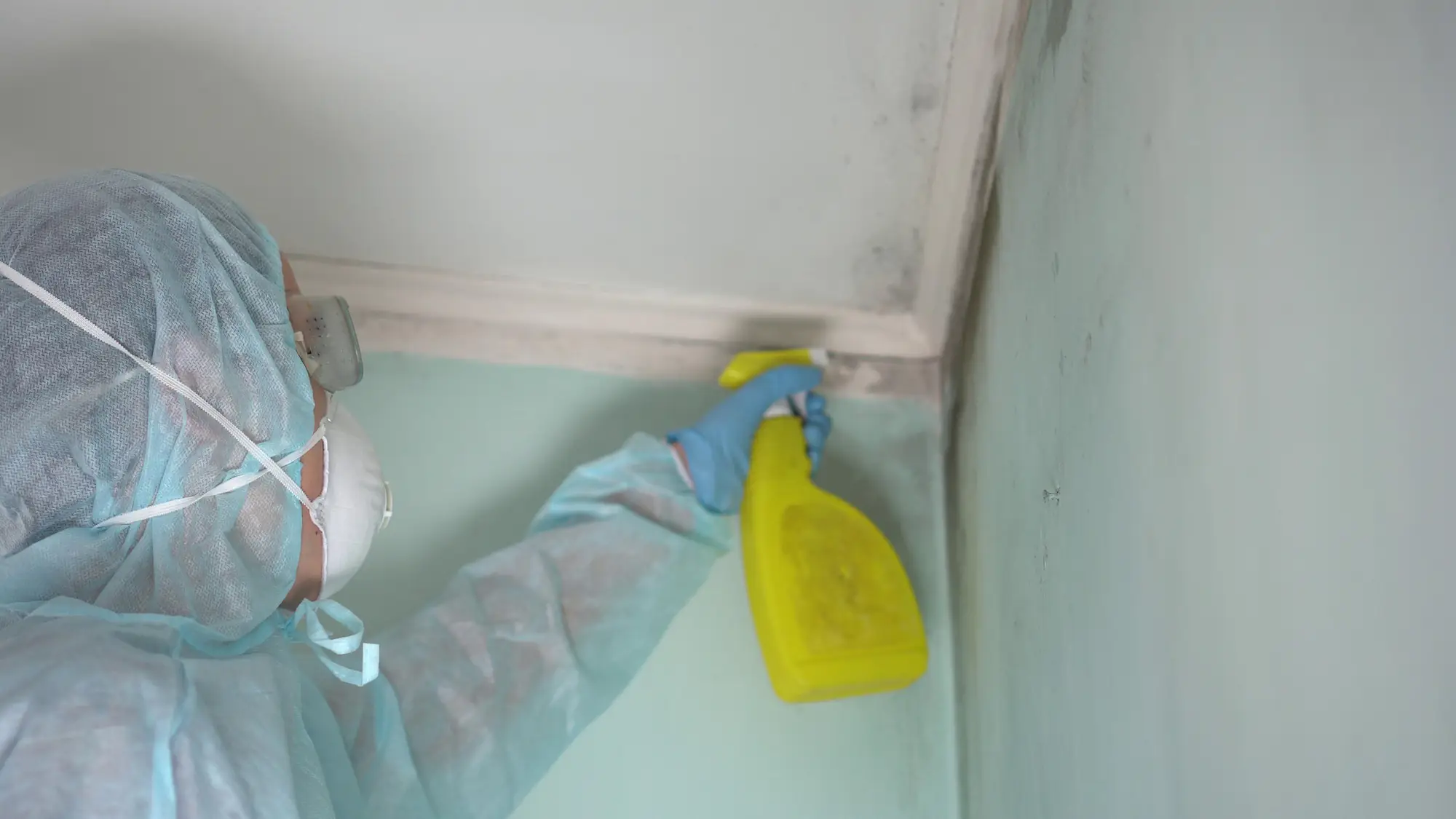
Then we give you clear recommendations. For mold, that usually means identifying the moisture source, removing contaminated materials safely, and preventing future growth. For VOCs, it might mean improving ventilation or removing specific products. For radon, mitigation systems work well and aren’t as expensive as most people think.
We handle mold remediation in-house, so if you need that service, we can move directly from testing to fixing the problem. We comply with all Pennsylvania regulations and use EPA-approved methods. If the issue requires a different solution—like HVAC work or structural repairs—we’ll point you in the right direction. We’re not going to sell you services you don’t need, but we will tell you what actually needs to happen.
It depends on your policy and what caused the problem. If mold or air quality issues resulted from a covered event—like a burst pipe or storm damage—insurance might cover testing and remediation. If it’s from long-term neglect or maintenance issues, probably not.
Read your policy or call your insurance company to ask specifically about mold and water damage coverage. Some policies exclude mold entirely. Others cover it up to a certain dollar amount.
We work with insurance companies regularly and can help you navigate the claims process. We provide detailed documentation of what we find, which is exactly what insurers need to process claims. If your claim gets approved, we’ll work directly with the adjuster to keep things moving. If it doesn’t, we’ll give you upfront pricing so you know what you’re paying before any work starts.
Other Services we provide in Thornridge