

Hear from Our Customers
You’ve noticed the smell. Maybe you’ve seen discoloration on a wall or dealt with a leak that took too long to dry. Now you’re wondering if there’s mold—and if so, how bad it is.
That’s where professional mold testing comes in. It’s not about scaring you or overselling a problem. It’s about getting real answers so you can make informed decisions about your home and your family’s health.
A black mold test or comprehensive residential mold inspection tells you what type of mold you’re dealing with, where it’s hiding, and how far it’s spread. You’ll get documentation you can use for insurance claims, real estate transactions, or just peace of mind. No guessing. No waiting until symptoms get worse.
Pennsylvania’s humid summers create perfect conditions for mold to take hold fast—sometimes within 24 hours of water exposure. The sooner you test, the less damage you’ll face down the road.
We’re a locally owned mold testing company serving Revere and the surrounding Bucks County area. We’re trained and certified by the American Council for Accredited Certification (ACAC), which means we follow industry standards for mold inspection and testing—not guesswork.
We know how Pennsylvania’s climate affects homes here. Humid summers, temperature swings, older construction—it all adds up to conditions where mold thrives if moisture isn’t managed right. We’ve seen it in basements, attics, crawl spaces, and behind bathroom tiles.
Our job is to give you clarity. We use advanced testing methods to detect mold you can’t see, measure moisture levels, and provide a detailed report that explains what’s happening and what needs to happen next. No sales pitch. Just honest findings and clear recommendations.
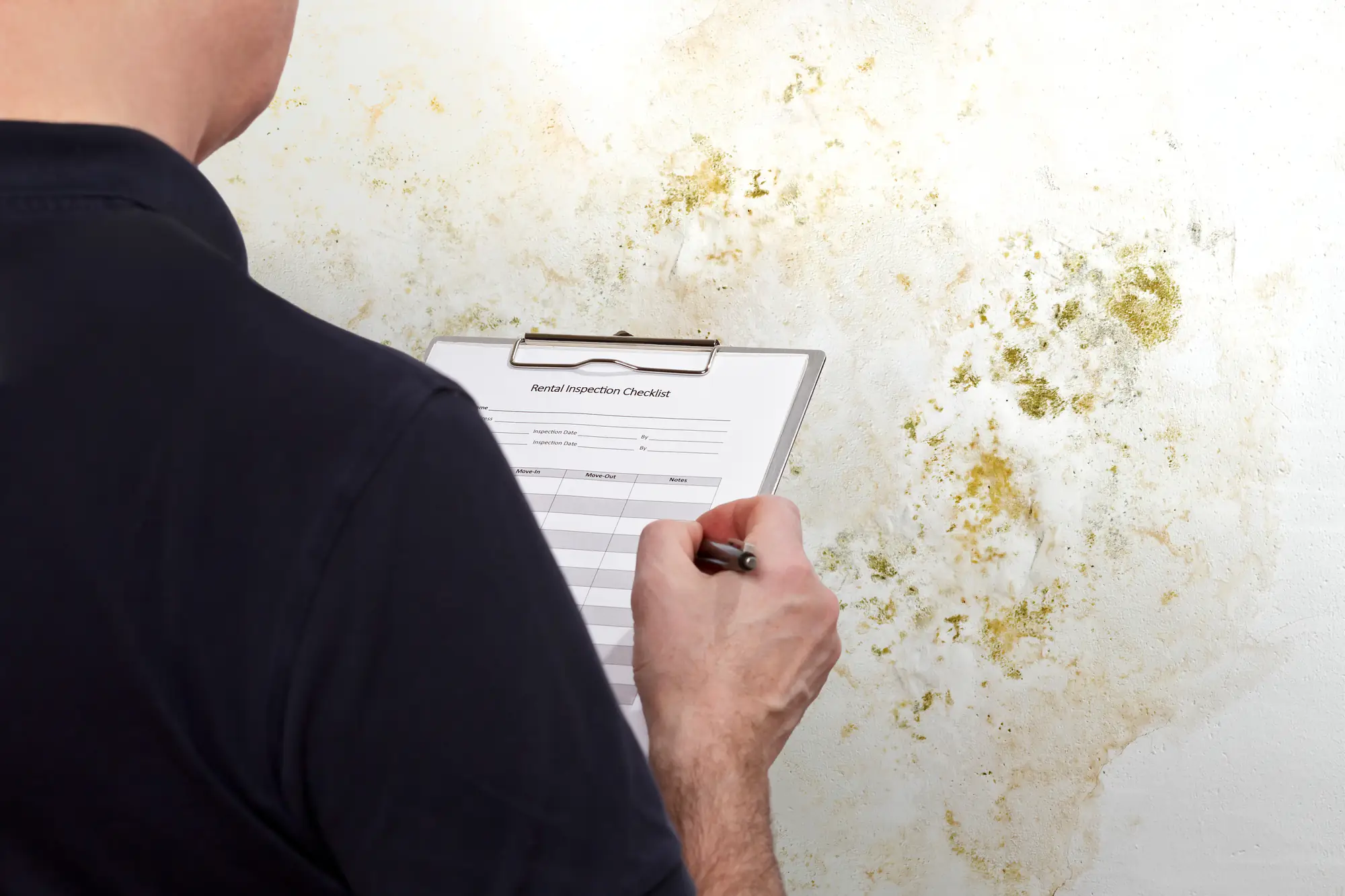
When you schedule a mold test with us, we start with a thorough visual inspection of your property. We check every corner—basements, attics, bathrooms, kitchens, HVAC systems, and anywhere moisture tends to collect. We’re looking for visible mold, water stains, condensation, and other signs of trouble.
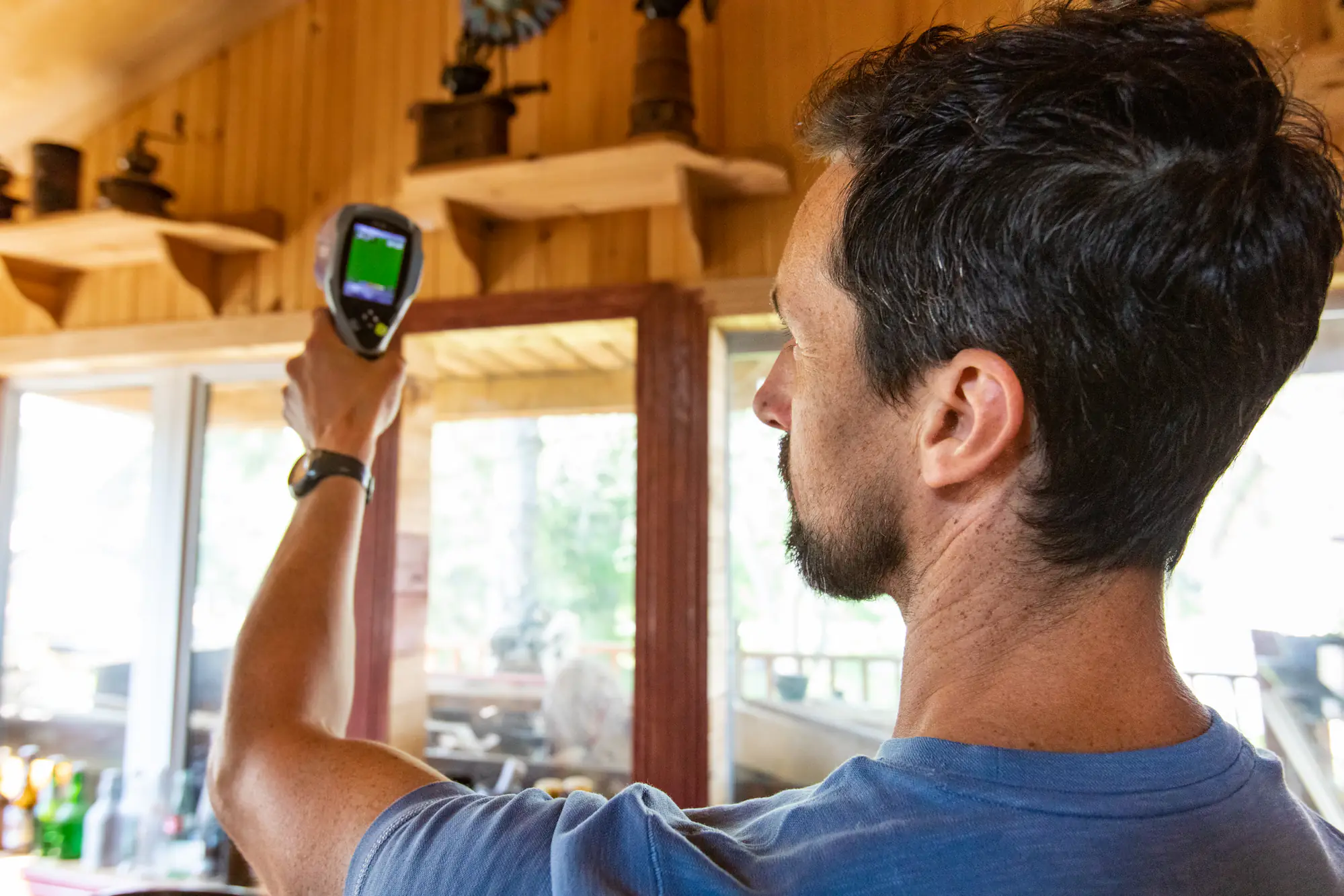
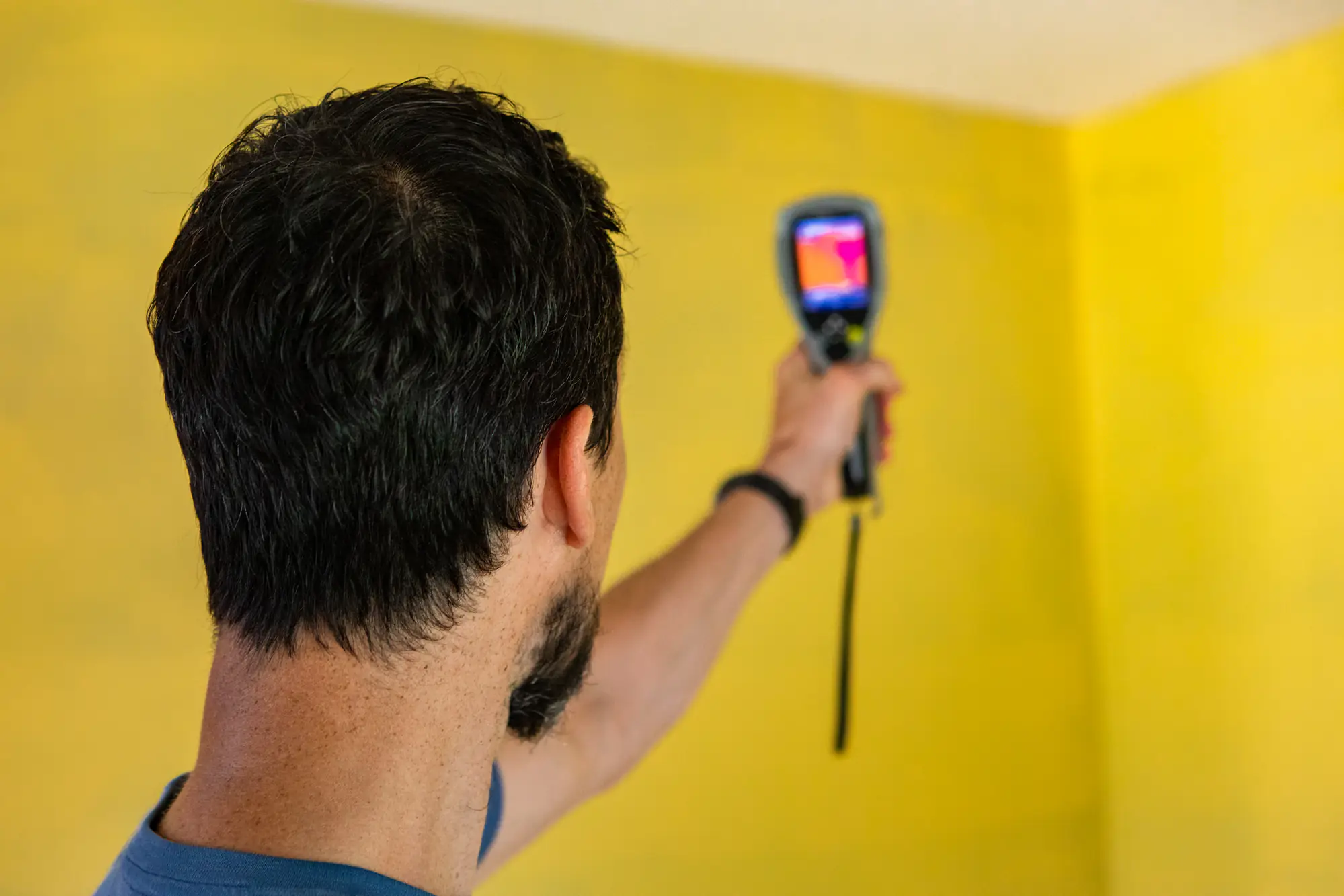
Next, we use moisture detection tools to pinpoint problem areas. High moisture readings tell us where mold is likely growing, even if it’s hidden behind drywall or under flooring. This step is critical because mold doesn’t always show itself until it’s already a bigger issue.
If we find signs of mold or suspect hidden growth, we take air samples and surface samples. These get sent to a lab for analysis, which identifies the exact type of mold and the concentration levels in your home. Lab results usually come back within a few days.
Once we have the full picture, we provide you with a detailed report. It explains what type of mold is present, where it’s located, how severe the issue is, and what steps you should take next. If remediation is needed, we’ll walk you through your options. If it’s a minor issue you can handle yourself, we’ll tell you that too.
Ready to get started?
Our residential mold testing includes a complete visual inspection, moisture mapping with professional-grade meters, and air quality sampling to detect airborne mold spores. If needed, we also take surface samples from suspected areas to confirm the type and extent of contamination.
In Bucks County, we see mold issues most often in basements where groundwater seeps in, attics with poor ventilation, and bathrooms with inadequate exhaust systems. Pennsylvania’s humid climate means moisture doesn’t evaporate quickly, especially during summer months when humidity regularly spikes above 60%. That’s when mold can colonize in as little as 24 hours.
We also check HVAC systems, which can spread mold spores throughout your entire home if ducts or filters are contaminated. Many homeowners don’t realize their heating and cooling system is distributing the problem to every room.
After testing, you’ll receive a written report with lab results, photos, moisture readings, and our professional recommendations. This documentation is useful if you’re buying or selling a home, filing an insurance claim, or just want proof of what’s happening before you invest in remediation. Our mold check professionals make sure you have everything you need to move forward confidently.
Professional mold testing in Revere typically starts around $350 for a comprehensive inspection that includes a visual check, moisture detection, and air sampling. The final cost depends on the size of your property and how many samples need to be collected and analyzed.
If you have a larger home or suspect mold in multiple areas, the price may go up to $650 or more. Lab analysis is usually included in that price, and you’ll get a detailed report within a few days.
Some mold testing companies charge separately for the inspection and lab fees, so it’s worth asking upfront what’s included. We’re transparent about pricing and what you’re paying for. If your situation is straightforward, we won’t upsell you on services you don’t need.
A mold inspection is a visual assessment where a certified inspector examines your property for signs of mold growth, water damage, and moisture issues. It’s the first step in understanding whether you have a problem.
Mold testing goes a step further. It involves collecting air samples, surface samples, or both, and sending them to a lab for analysis. Testing identifies the specific type of mold present and measures the concentration of mold spores in your indoor air.
You don’t always need testing if mold is clearly visible and the source of moisture is obvious. But if you’re experiencing health symptoms, smell mold but can’t find it, or need documentation for insurance or real estate purposes, testing gives you the hard data you need. In Revere and throughout Bucks County, we recommend testing when there’s any uncertainty about what you’re dealing with or how widespread the issue is.
The onsite inspection usually takes one to two hours, depending on the size of your home and how many areas need to be checked. We’re thorough, so we don’t rush through it.
After we collect samples, they’re sent to a certified lab for analysis. Lab results typically come back within three to five business days. Once we receive the results, we’ll contact you to review the findings and discuss next steps.
If you’re in a time crunch—maybe you’re in the middle of a real estate transaction—let us know upfront. We can sometimes expedite lab processing for an additional fee. But in most cases, a few days is a reasonable timeline to get accurate, reliable results that tell you exactly what’s happening in your home.
You can buy DIY mold test kits at hardware stores, but they come with limitations. Most kits only test for the presence of mold, not the type or concentration. They also don’t account for moisture levels, hidden mold, or airflow patterns that affect how mold spreads.
Professional mold testing uses calibrated equipment and lab analysis to give you a complete picture. A certified inspector knows where to look, how to interpret moisture readings, and what conditions allow mold to thrive. That’s especially important in Pennsylvania, where humid summers and older home construction create unique challenges.
If you’re dealing with health symptoms, planning to buy or sell a home, or need documentation for insurance, a professional mold test is worth the investment. It’s not just about finding mold—it’s about understanding the scope of the problem so you can address it properly. DIY kits might save you money upfront, but they often leave you with more questions than answers.
In Bucks County, we most commonly find Cladosporium, Penicillium, Aspergillus, and Stachybotrys (black mold). Each type thrives in slightly different conditions, but they all need moisture to grow.
Cladosporium often shows up on wood surfaces, fabrics, and in HVAC systems. Penicillium is common in water-damaged materials like drywall, insulation, and carpeting. Aspergillus can grow on dust, powdery foods, and building materials. Stachybotrys, the infamous black mold, prefers cellulose-rich materials like drywall and wood that stay wet for extended periods.
Pennsylvania’s humid climate creates ideal conditions for all of these molds, especially during summer when indoor humidity levels spike. Basements, attics, and bathrooms are the most vulnerable areas. A professional mold test will identify which types are present in your home and at what concentration levels, so you know whether you’re dealing with a minor issue or something that requires immediate remediation.
Yes. A professional mold test gives you the information you need to decide whether remediation is necessary. The lab results will show what type of mold is present, how much of it is in your air or on surfaces, and whether the levels are above normal for indoor environments.
If the test reveals elevated mold levels or toxic mold like Stachybotrys, remediation is usually recommended. If levels are low and the mold is a common outdoor variety that drifted inside, you might just need to improve ventilation or fix a minor moisture issue.
We’ll walk you through the results and explain what they mean in plain language. If remediation is needed, we’ll outline your options and what the process involves. If it’s something you can handle on your own with better dehumidification or a small repair, we’ll tell you that too. Our goal is to give you honest answers, not to push services you don’t need.
Other Services we provide in Revere