

Hear from Our Customers
You can’t see mold spores floating through your air. You can’t always smell them either. But if someone in your house has a cough that won’t quit, headaches that come and go, or allergies that seem worse at home than anywhere else, there’s a reason to check.
Professional mold testing shows you what’s actually there. Not guesses. Not assumptions based on a water stain or a musty smell. Real data from air samples and surface tests, analyzed in a lab, with results that tell you the species, the concentration, and whether it’s something you need to handle now or just monitor.
That’s what matters when you’re trying to figure out if your home is safe. You get clarity. You get documentation if insurance is involved. And you get a plan that’s based on facts, not fear.
We work throughout Farm School and Bucks County, and we’ve seen what happens when humidity sits in a basement too long or when a slow roof leak goes unnoticed for months. The homes here—especially the older ones—weren’t built with the kind of ventilation or moisture barriers that newer construction has. That makes them more vulnerable.
We use EPA-approved methods and send every sample to an independent lab for analysis. Our team is certified, our equipment is calibrated, and our reports meet Pennsylvania Department of Health standards. When local insurance adjusters or contractors need documentation they can trust, they send people to us.
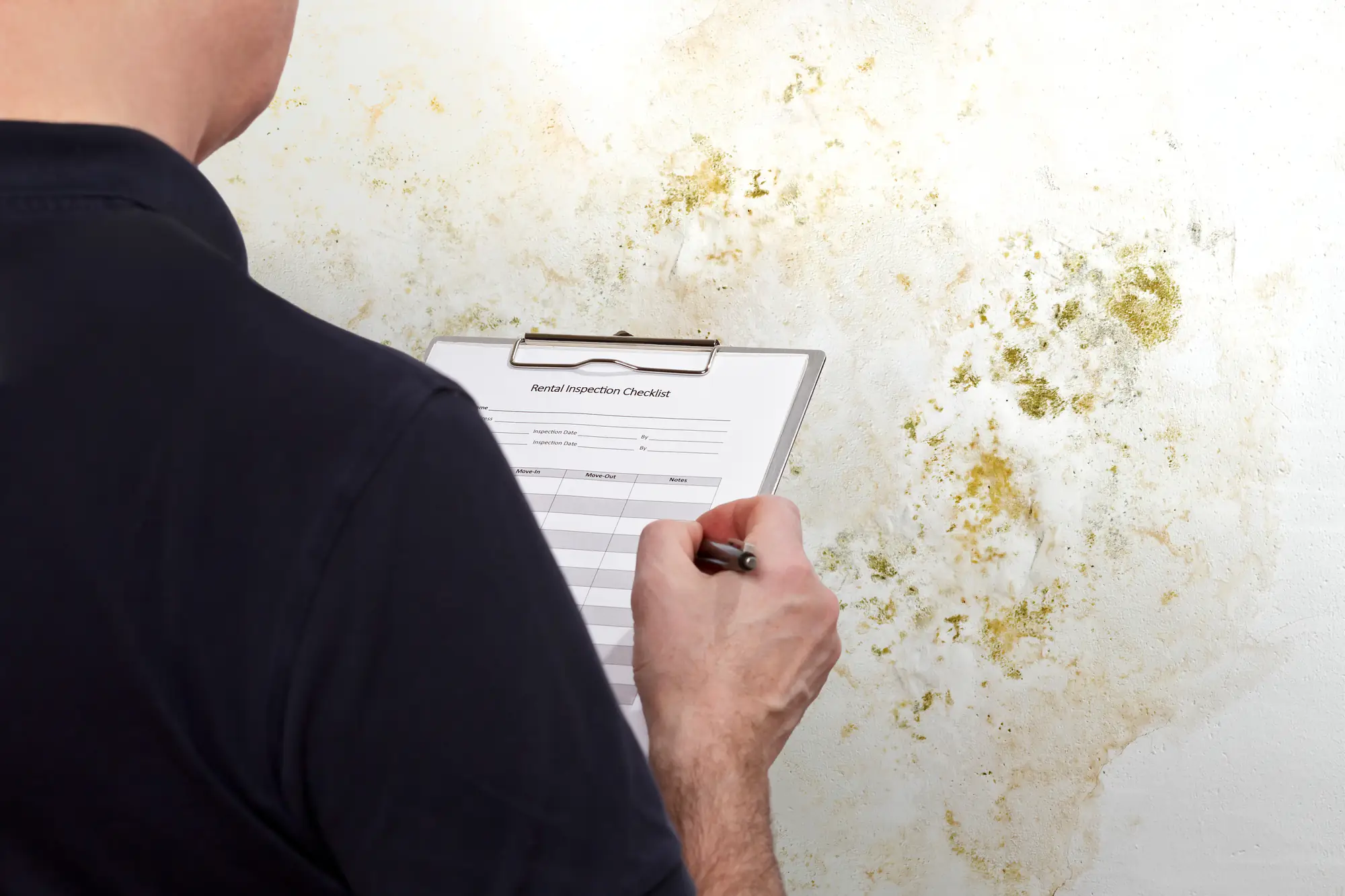
First, we walk through your home and talk about what you’ve noticed. Smells, stains, health symptoms, water damage—anything that made you call. We’re looking for visible mold, but also moisture sources, ventilation issues, and areas where mold likes to hide.
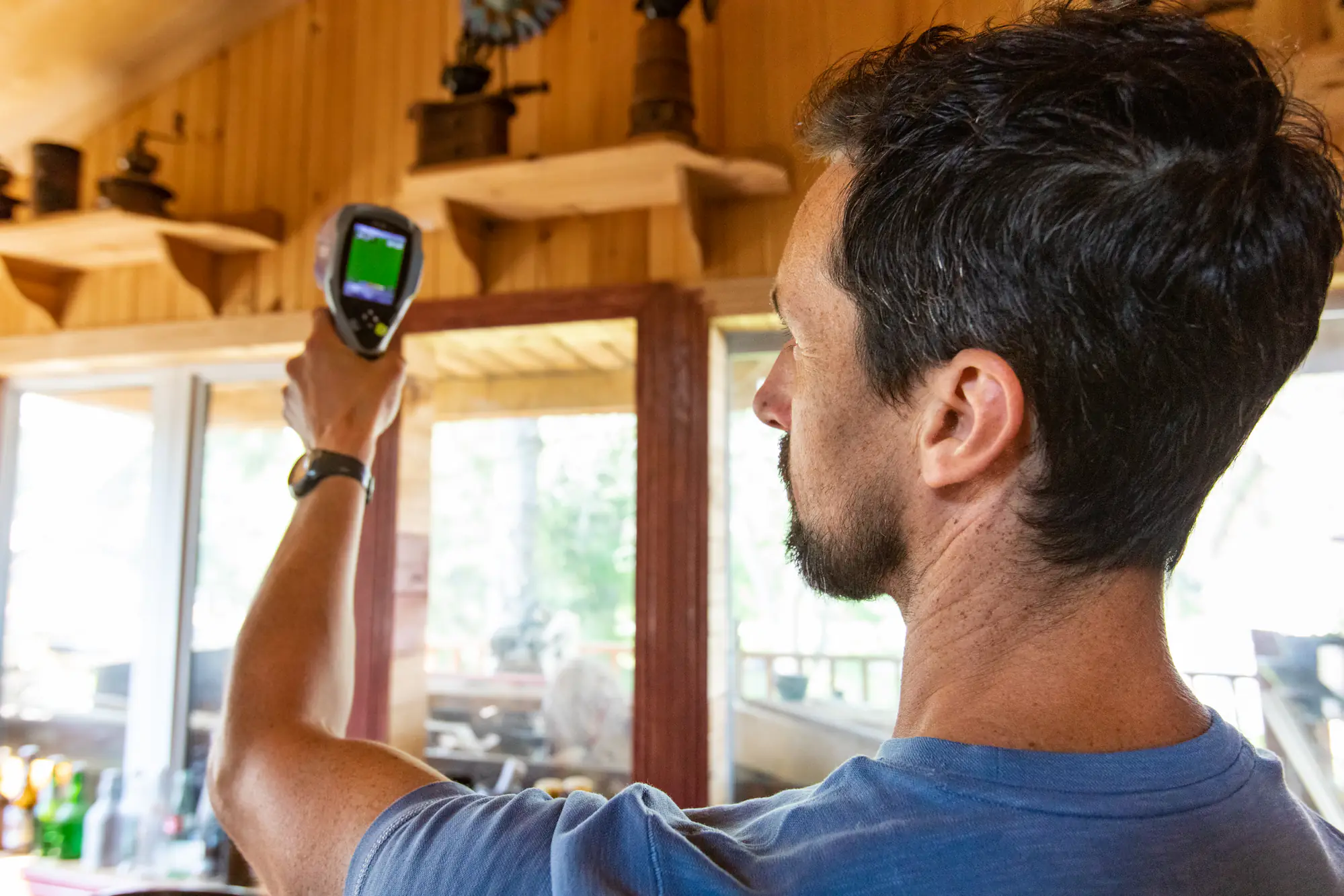
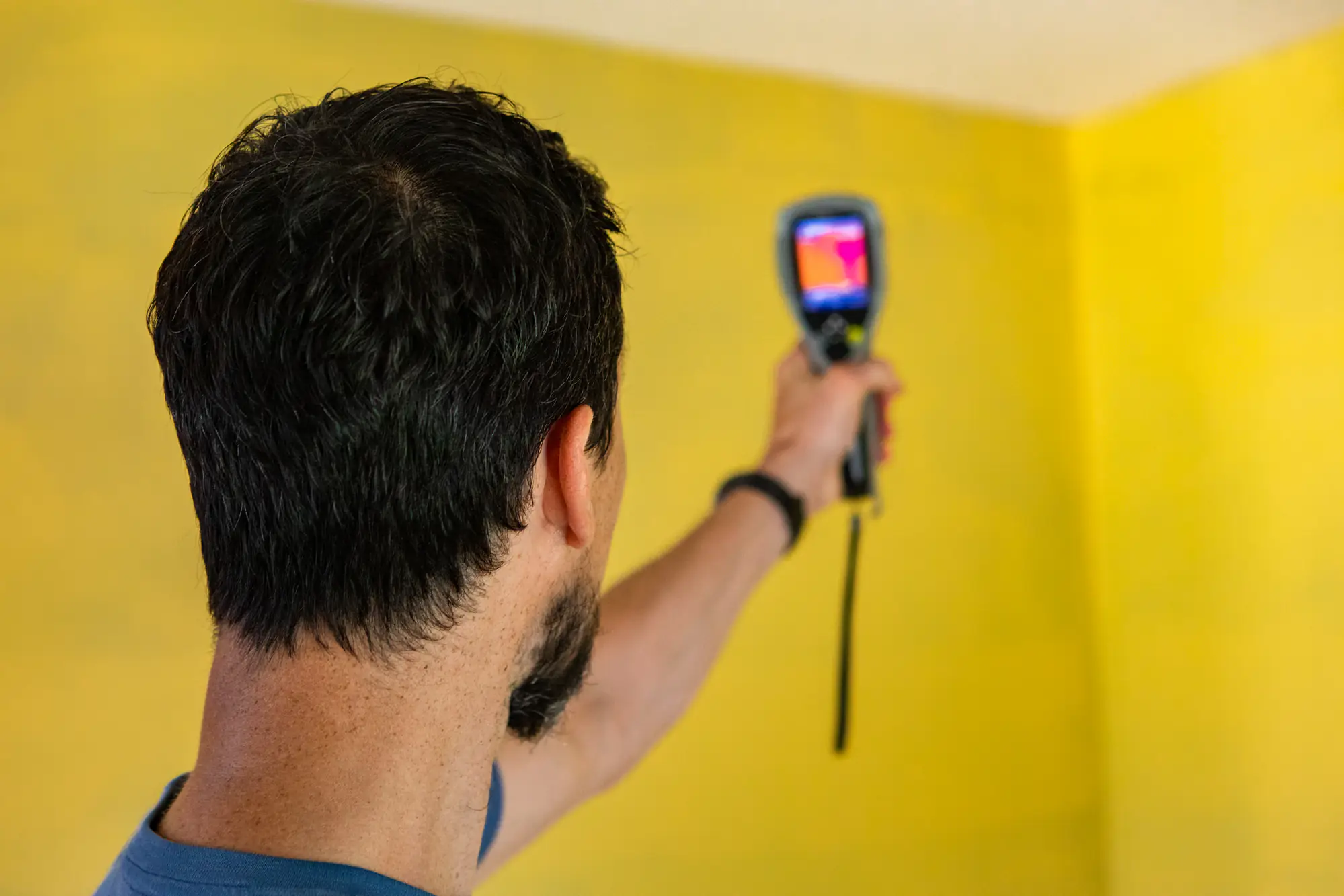
Then we test. Air sampling captures spores you can’t see. Surface sampling checks suspicious spots on walls, ceilings, or floors. If there’s a specific material we’re concerned about—like insulation or drywall—we’ll take a bulk sample. We use moisture meters and thermal imaging to find hidden water intrusion, because that’s usually where the problem starts.
Samples go to the lab. You get results within a few days, along with a full report that identifies the type of mold, the concentration levels, and whether it’s something that requires immediate remediation or just monitoring. We’ll walk you through the findings and recommend next steps. No upselling. Just honest advice based on what the data shows.
Ready to get started?
You get a full visual inspection of your property, including attics, basements, crawl spaces, and any areas where you’ve noticed issues. We bring moisture meters, thermal imaging cameras, and air sampling equipment. If we find something, we document it with photos and detailed notes.
Air samples are the most common test we run. They measure the concentration of mold spores in your indoor air and compare it to outdoor levels. Surface samples check visible growth or suspicious discoloration. Bulk samples analyze materials like drywall or insulation when we need to confirm what’s growing inside a wall or ceiling cavity.
Every sample gets sent to an EPA-certified lab. You receive a written report with species identification, spore counts, and clear recommendations. If remediation is needed, we’ll outline what that looks like. If your home tests clean, you’ll have documentation proving it—useful for real estate transactions, insurance claims, or just your own peace of mind. And because Bucks County’s humid summers create ideal conditions for mold growth, we’ll also talk about prevention strategies specific to your home’s age, construction, and ventilation setup.
If you’ve had water damage in the last year, you probably need one. Mold can start growing within 24 to 48 hours after water exposure, and Bucks County’s humidity makes it worse. Even if you dried everything out, spores can survive in hidden areas like wall cavities or under flooring.
Health symptoms are another reason. Persistent coughing, sinus congestion, headaches, or skin irritation that gets better when you leave the house—those are signs that something in your indoor air might be affecting you. Testing identifies whether mold is the culprit.
You should also test if you’re buying or selling a home, especially an older one. Many homes in Farm School were built before modern moisture barriers and ventilation standards. A test gives you documentation and helps avoid surprises during inspections. And if you smell something musty but can’t find the source, testing pinpoints where it’s coming from and whether it’s actually mold or just dampness.
An inspection is visual. We walk through your home, look for visible mold, check for moisture issues, and identify conditions that could lead to growth. It’s a good starting point, and sometimes that’s all you need if the problem is obvious.
Testing goes deeper. We collect air samples, surface samples, or bulk samples and send them to a lab for analysis. That tells you exactly what type of mold is present, how much of it there is, and whether it’s something that poses a health risk. Testing is critical when mold is hidden—behind walls, under floors, in HVAC systems—or when you need documentation for insurance or legal purposes.
Most people benefit from both. The inspection finds the problem areas, and the testing confirms what’s growing and how serious it is. If you’re dealing with health symptoms but can’t see any mold, testing is the only way to know for sure what’s in your air.
The inspection and sample collection usually take one to two hours, depending on the size of your home and how many areas we’re testing. We’re thorough, but we’re not going to waste your time poking around places that don’t need attention.
Lab results come back in three to five business days. That’s standard turnaround for most EPA-certified labs. If you’re in a situation where you need faster results—like a real estate closing or an insurance claim deadline—we can request expedited analysis, which usually gets you answers within 24 to 48 hours for an additional fee.
Once we have the results, we’ll schedule a call or meeting to walk you through the report. We’ll explain what was found, what the spore counts mean, and what your options are. If remediation is needed, we’ll give you a detailed estimate and timeline. If everything tests clean, you’ll have written proof that your home’s air quality is safe.
It depends on what caused the mold. If it’s from a covered peril—like a burst pipe, roof leak from storm damage, or appliance malfunction—most homeowners policies in Pennsylvania will cover testing, remediation, and repairs up to your policy limit, which is typically around $10,000. You’ll need documentation showing the mold resulted from sudden and accidental water damage, not long-term neglect or maintenance issues.
If the mold is from something like ongoing humidity, poor ventilation, or a slow leak you didn’t address, insurance usually won’t cover it. That’s considered a maintenance issue. Same goes for flooding—standard homeowners policies exclude flood damage, so you’d need separate flood insurance for coverage.
We work directly with insurance companies and provide the documentation they require. Our reports meet Pennsylvania Department of Health standards and include lab results, photos, moisture readings, and remediation recommendations. If you’re filing a claim, we’ll help you navigate the process and make sure you have everything the adjuster needs. And if insurance doesn’t cover it, we’ll work with you on payment options.
First, don’t panic. Finding mold doesn’t automatically mean your house is unsafe or that you’re looking at a massive bill. It depends on the type, the amount, and where it’s located. Some mold is common and not particularly harmful. Other types—like black mold—require immediate attention.
Once we get the lab results, we’ll tell you exactly what species was found and whether it’s something that poses a health risk. If remediation is needed, we’ll give you a detailed plan that outlines what needs to be removed, how we’ll contain the area to prevent spores from spreading, and what it’ll take to fix the underlying moisture problem so it doesn’t come back.
We handle the remediation ourselves using EPA-approved methods. Every technician is certified, and we follow all Pennsylvania regulations. After remediation is complete, we do a post-test to confirm the mold is gone and your air quality is back to safe levels. You’ll get documentation for your records, and we’ll talk through prevention strategies—like improving ventilation, fixing leaks, or managing humidity—so you don’t end up dealing with this again.
You can, but those kits have serious limitations. Most of them just tell you that mold is present, which isn’t particularly useful—mold spores exist in almost every home. What matters is the type of mold and the concentration. DIY kits don’t give you that information, and they don’t include professional lab analysis or a report you can use for insurance or remediation planning.
They also can’t detect hidden mold. If the problem is behind a wall, under flooring, or in your HVAC system, a surface swab from a kit won’t find it. And if you don’t know where to test or how to collect the sample properly, the results won’t be accurate.
Professional testing uses calibrated equipment, follows scientific protocols, and includes independent lab analysis that identifies species and spore counts. You get a written report that meets industry standards, and you get expert interpretation of what the results mean for your home and your health. If you’re dealing with symptoms, water damage, or a potential insurance claim, professional testing is the only way to get reliable answers.
Other Services we provide in Farm School