

Hear from Our Customers
Most mold problems start where you’re not looking. Behind drywall. Under flooring. Inside your HVAC system. By the time you see it or smell it, spores have already been circulating through your home for weeks—maybe months.
Professional mold testing gives you the full picture. Air sampling picks up what’s floating through your rooms. Surface testing confirms what’s growing on walls, ceilings, and hidden spaces. Moisture mapping shows where the problem starts and where it’s likely to spread next.
You’re not guessing anymore. You know what type of mold you’re dealing with, how much of it there is, and whether it’s affecting your indoor air quality. That clarity matters when you’re trying to protect your family’s health or prep your home for sale. It also matters when you want to catch a small issue before it turns into a $5,000 remediation job.
Testing doesn’t fix the mold. But it tells you exactly what needs fixing—and whether you even have a problem worth worrying about in the first place.
We’ve been testing homes in Bucks County for over 20 years. We’re not a national franchise running service calls between states. We’re local, and we know what mold looks like in Croydon Heights homes—especially the older ones built before modern moisture barriers became standard.
Bucks County’s humid summers and damp basements create perfect conditions for mold growth. Add clay soil and high groundwater tables, and you’ve got a recipe for recurring moisture issues. We’ve seen it in hundreds of homes across the area.
Every test we run follows EPA and IICRC guidelines. Our team uses calibrated moisture meters, thermal imaging cameras, and lab-certified air sampling equipment. You get a detailed report that breaks down mold types, spore concentrations, and moisture levels—not vague recommendations or scare tactics.
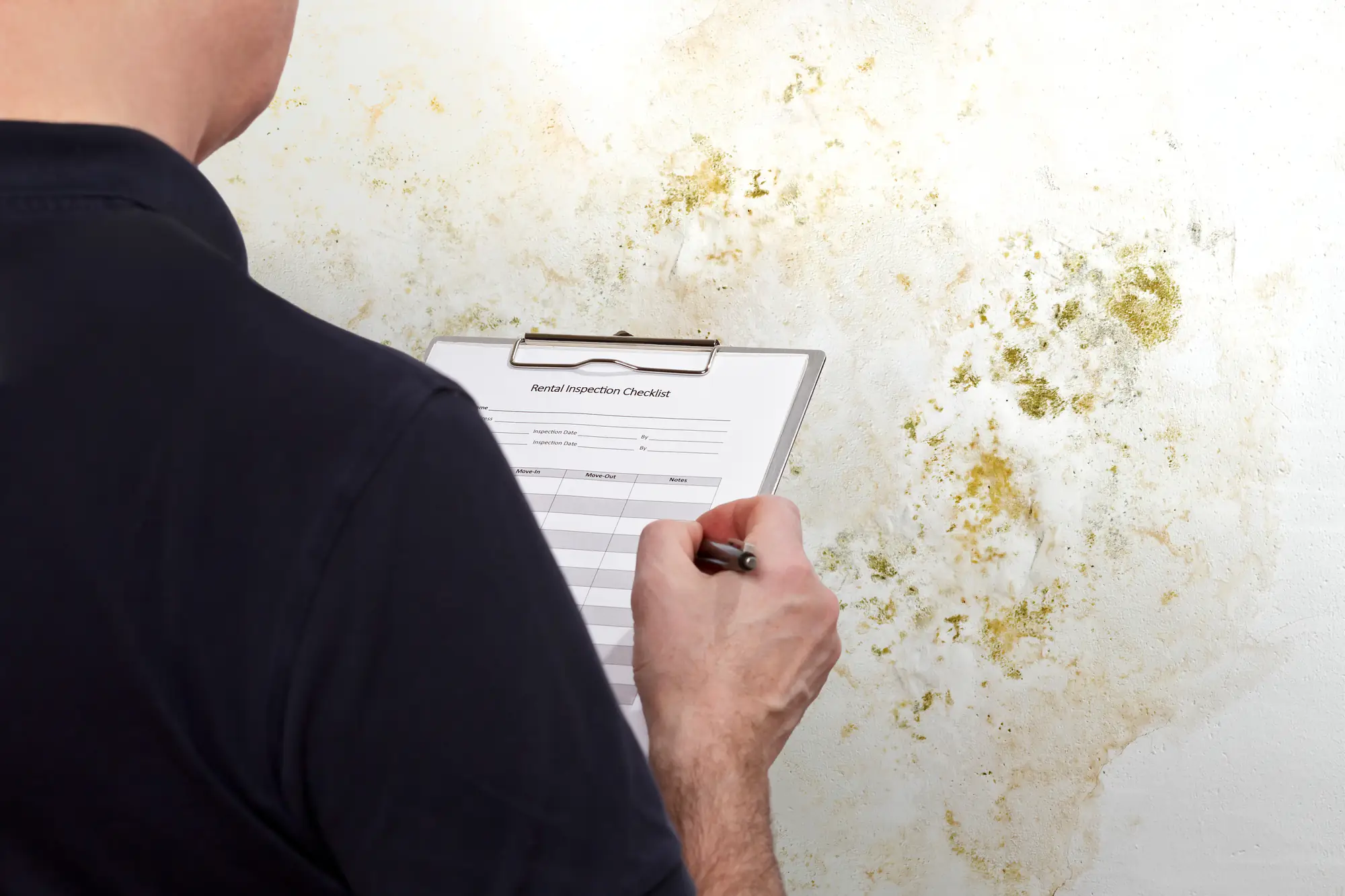
The inspection starts with a visual assessment of your home. We check basements, crawl spaces, attics, bathrooms—anywhere moisture tends to collect. We’re looking for visible mold, water stains, condensation patterns, and musty odors.
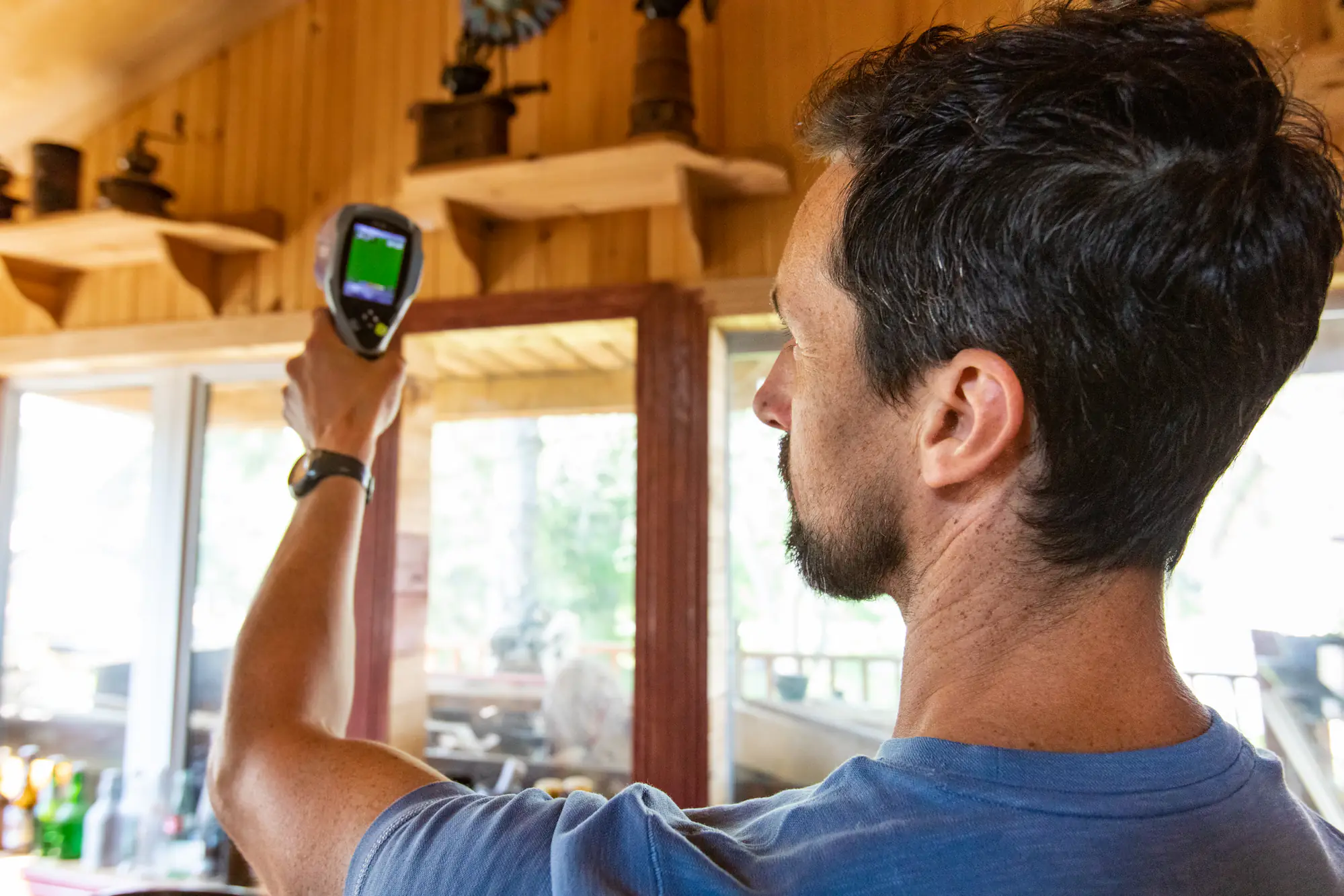
Next comes moisture mapping. Using infrared cameras and moisture meters, we identify wet spots behind walls and under floors. Mold grows where water sits, so finding moisture sources is half the battle.
Then we collect samples. Air sampling captures airborne spores in different rooms to measure concentration levels. Surface sampling tests visible growth or suspicious areas. If needed, we take bulk samples from materials like drywall or insulation. All samples go to an independent lab for analysis.
Within a few days, you receive a full report. It identifies mold species, spore counts, moisture readings, and problem areas. We walk through the findings with you and explain what they mean for your home. If remediation is needed, we map out a plan. If your air quality is fine, we tell you that too.
Ready to get started?
A residential mold testing service covers more than just swabbing a wall. It’s a full assessment of your indoor air quality and moisture conditions.
Air quality testing measures spore levels in the air you’re breathing. We sample multiple rooms and compare indoor concentrations to outdoor baselines. High indoor counts signal an active mold problem, even if nothing’s visible yet.
Surface and bulk sampling confirm what’s growing on walls, ceilings, insulation, or HVAC components. Lab analysis identifies the species—some are harmless, others are toxic. Knowing the difference matters.
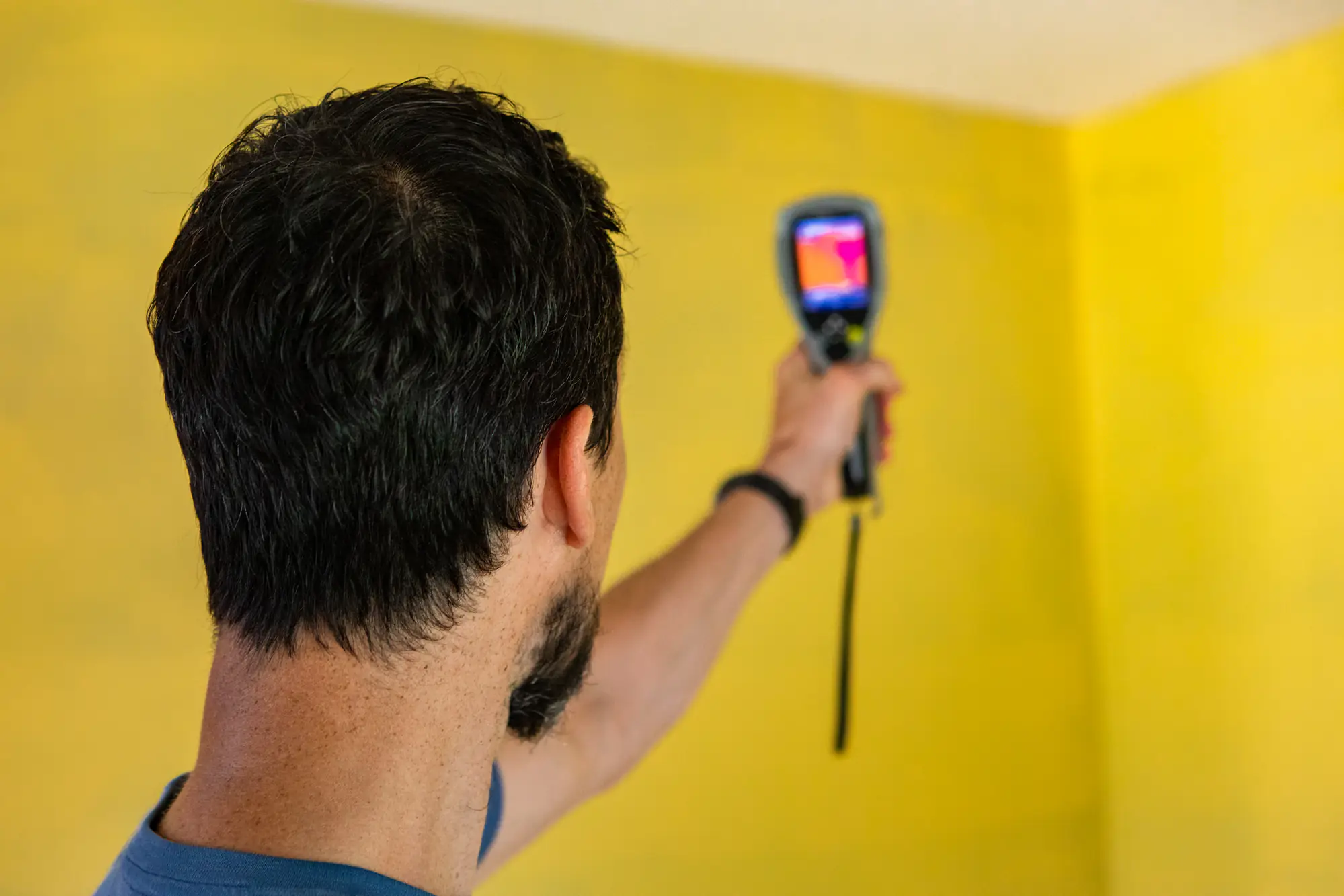
Moisture detection finds hidden water intrusion. We scan walls, floors, and ceilings with thermal imaging to locate damp areas that could be feeding mold growth. In Croydon Heights, basement moisture and roof leaks are common culprits, especially in homes built before the 1990s.
You also get a written report with lab results, photos, moisture readings, and clear next steps. If remediation is necessary, the report gives you documentation for insurance claims or contractor bids. If your home is clean, you have proof for buyers or peace of mind for your family.
Most residential mold testing in Bucks County runs between $300 and $600, depending on the size of your home and how many samples you need. A basic inspection with air sampling in two or three rooms sits on the lower end. Larger homes or properties with multiple problem areas cost more because they require additional sample collection and lab analysis.
Some mold testing companies charge separately for the inspection and lab fees. Others bundle everything into one price. Make sure you’re clear on what’s included before you book.
If you’re buying or selling a home, some real estate inspectors offer mold testing as an add-on. That can save money upfront, but it’s not always as thorough as hiring a dedicated mold testing company. Independent testing gives you more detailed air quality data and moisture mapping, which matters if you’re trying to pinpoint the source of a problem.
A mold inspection is a visual assessment. The inspector walks through your home looking for visible mold, water damage, condensation, and conditions that promote mold growth. They check basements, attics, crawl spaces, and HVAC systems. You get a report on what they found and where moisture problems exist.
A mold test goes further. It involves collecting air samples, surface samples, or bulk material samples and sending them to a lab for analysis. The lab identifies mold species and measures spore concentrations. Testing gives you hard data on what’s in your air and whether it’s at harmful levels.
Most professional mold inspections include some level of testing, especially air sampling. But not all tests require a full inspection. If you already know where mold is growing, you might just need surface sampling to confirm the species. If you’re dealing with mystery symptoms or musty odors but no visible mold, air testing is the way to go.
You can buy DIY mold test kits at hardware stores or online, but they’re not reliable. Consumer Reports tested several popular kits and rated every single one as “Not Recommended.” The problem is accuracy. DIY kits often produce false positives because they pick up mold spores that exist in every home at low, harmless levels.
They also don’t measure spore concentration, which is what actually matters. A few spores on a petri dish don’t tell you if your indoor air quality is dangerous. Professional air sampling compares your indoor levels to outdoor baselines and gives you a clear picture of whether you have an active problem.
DIY kits also can’t find hidden mold. They test the air or surface right in front of you, but they won’t detect mold growing inside your walls or under your floors. Professional inspectors use moisture meters and thermal imaging to locate hidden problem areas before they spread.
If you’re serious about knowing what’s in your home, skip the $10 kit and get a real test. The data is worth the investment.
Most labs return mold test results within three to five business days. Air samples and surface samples go to an independent lab where technicians culture the samples and identify mold species under a microscope. Rush processing is available if you need results faster, but it costs extra.
Once the lab sends the results, we review the data and prepare a report. The report breaks down mold types, spore counts, and what the numbers mean for your home. We schedule a follow-up call to walk through the findings with you, or we can email the report with detailed notes.
If you’re in the middle of a real estate transaction, timing matters. Let us know your closing date upfront so we can prioritize lab turnaround. We’re used to working with tight schedules and can coordinate with your agent or attorney.
If you’re testing after water damage or a suspected mold problem, don’t wait on results to start drying out the space. Mold grows fast in damp conditions—sometimes within 24 to 48 hours. Get the moisture under control while you wait for lab confirmation.
The most common indoor molds in Bucks County are Cladosporium, Penicillium, Aspergillus, and Stachybotrys (black mold). Cladosporium and Penicillium grow on damp surfaces like windowsills, bathroom tiles, and basement walls. They’re usually not toxic, but they can trigger allergies and asthma in sensitive people.
Aspergillus is more concerning. Some species produce mycotoxins that affect respiratory health, especially in people with weakened immune systems. It grows on water-damaged building materials, insulation, and HVAC ducts.
Stachybotrys—commonly called black mold—thrives on materials with high cellulose content, like drywall and wood. It needs consistent moisture to grow, so it’s often found after long-term leaks or flooding. Black mold produces toxins that can cause serious health problems, including respiratory issues, headaches, and fatigue.
Pennsylvania’s humid climate makes mold growth more likely, especially in older homes without proper ventilation or moisture barriers. Basements in Croydon Heights are particularly vulnerable because of clay soil and high groundwater levels. If your basement feels damp or smells musty, there’s a good chance mold is growing somewhere.
Yes. A professional mold test shows whether your spore levels are high enough to require remediation. The lab report compares your indoor air quality to outdoor baselines and flags any species that are present at elevated or abnormal concentrations.
If your indoor spore counts are significantly higher than outdoor levels, or if toxic mold species like Stachybotrys are detected, remediation is usually necessary. The report will also identify moisture sources feeding the mold growth, which need to be fixed before remediation starts. Otherwise, the mold just comes back.
If your test results show low spore counts and no toxic species, you might not need full remediation. Sometimes improving ventilation, fixing a small leak, or cleaning a limited area is enough. We won’t push unnecessary services. We’ll tell you what the data says and let you decide how to move forward.
Testing also gives you documentation if you’re filing an insurance claim or negotiating with a contractor. You’re not relying on visual estimates or opinions. You have lab-certified proof of what’s growing in your home and how much of it there is.
Other Services we provide in Croydon Heights