

Hear from Our Customers
You can’t fix what you can’t see. That’s the problem with mold in Breadysville homes—it hides in wall cavities, under floors, behind appliances, and in attics where Bucks County’s humid summers create perfect growing conditions.
Professional mold testing tells you three things that matter: whether you have mold, what type it is, and how bad the problem actually is. Not guessing based on a musty smell or a dark spot on the ceiling. Real data from air samples and surface testing that shows exactly what’s happening in your home.
That clarity matters when you’re trying to protect your family from respiratory issues, when you’re negotiating a real estate deal, or when you need documentation for an insurance claim. You get a full picture of your indoor air quality, identification of problem areas you didn’t know existed, and a clear path forward that addresses the root cause—not just the visible symptoms.
The difference between a mold check and actually solving the problem is knowing where the moisture is coming from. Testing shows you both.
We’ve been inspecting homes in Breadysville and throughout Bucks County long enough to know exactly where mold shows up in this area. The basement moisture problems from our clay-heavy soil. The attic condensation issues from our temperature swings. The bathroom and kitchen ventilation failures that every older home around here seems to have.
Our certified inspectors use EPA-approved methods and the same advanced equipment—infrared cameras, moisture meters, air sampling tools—that larger restoration companies use, but without the corporate pricing or the pressure to upsell services you don’t need. You get a thorough inspection, clear documentation, and honest answers about what’s actually required to fix the problem.
We offer free inspections because we’d rather spend an hour understanding your situation than waste your time with a quote based on assumptions. That approach has built our reputation in Breadysville—one honest assessment at a time.
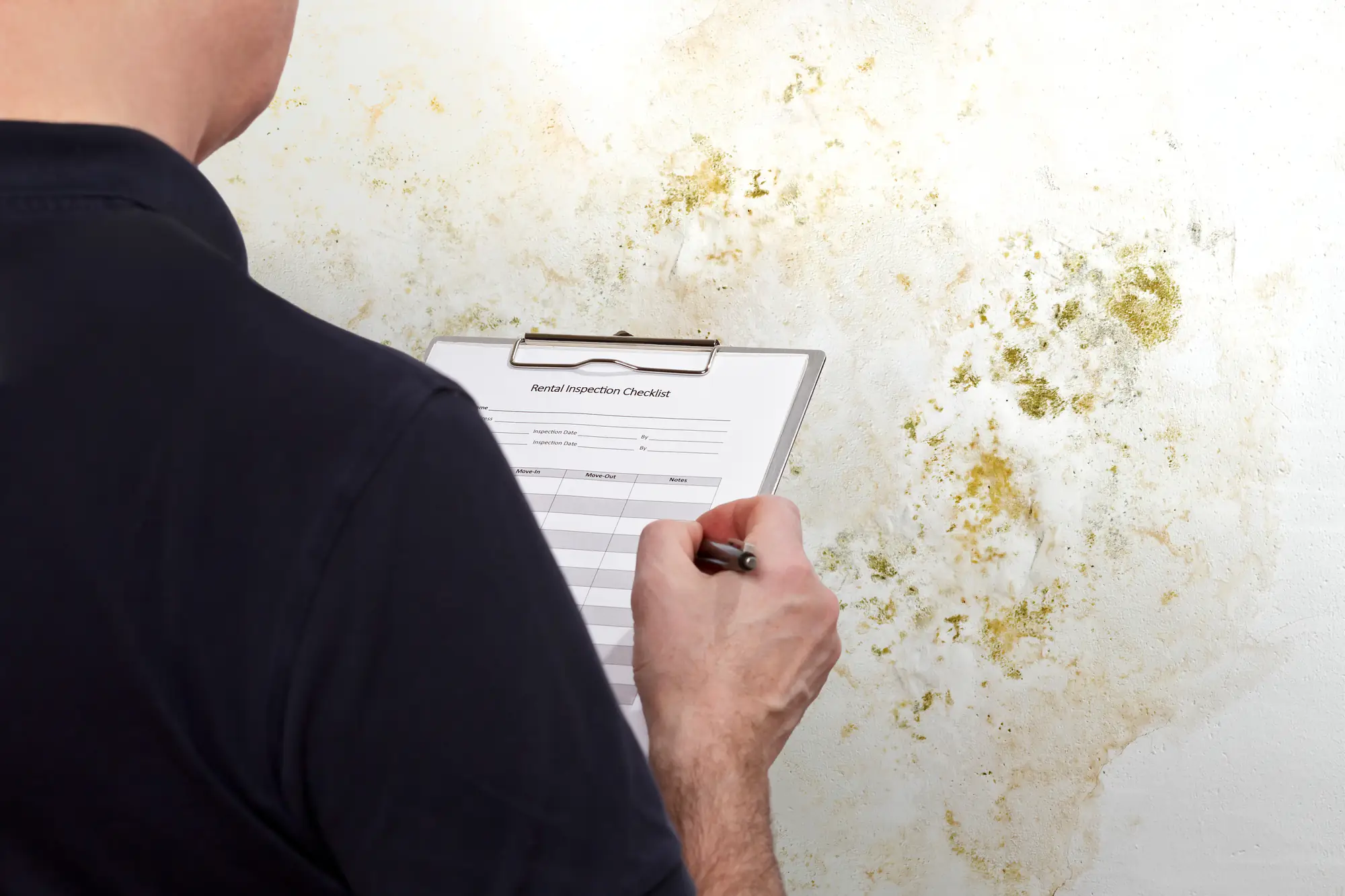
The inspection starts with a conversation about what you’ve noticed—smells, visible growth, water damage, health symptoms, or just concern about your home’s air quality. That context tells us where to look first.
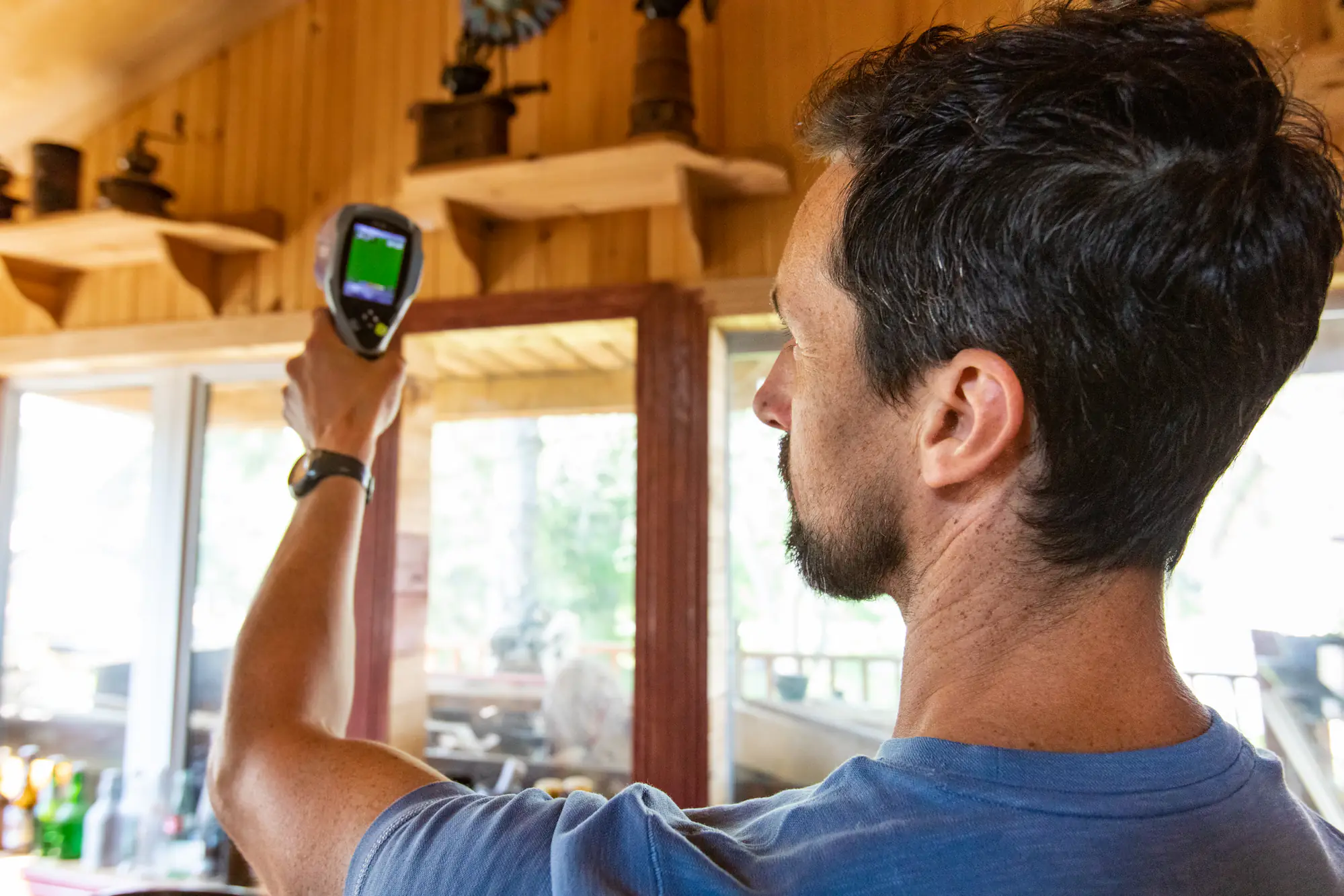
Then we walk through your entire property with moisture meters and infrared cameras that detect water intrusion and temperature differences behind walls and ceilings. We’re checking basements for groundwater seepage, bathrooms for ventilation failures, attics for humidity buildup, and any area where Bucks County’s climate creates conditions for mold growth. We also inspect HVAC systems since they can spread mold spores throughout your home if contaminated.
When we find suspect areas, we take samples. Air sampling measures spore counts in your indoor environment compared to outdoor baseline levels. Surface samples identify the specific type of mold growing in problem areas. Both get sent to an independent lab for analysis—you’re not trusting our opinion, you’re getting scientific results.
After lab results come back, we walk you through exactly what we found, what it means for your health and your home, and what it takes to fix it properly. You get a detailed report with photos, lab results, and recommendations. No pressure, no scare tactics—just the information you need to make a good decision.
Ready to get started?
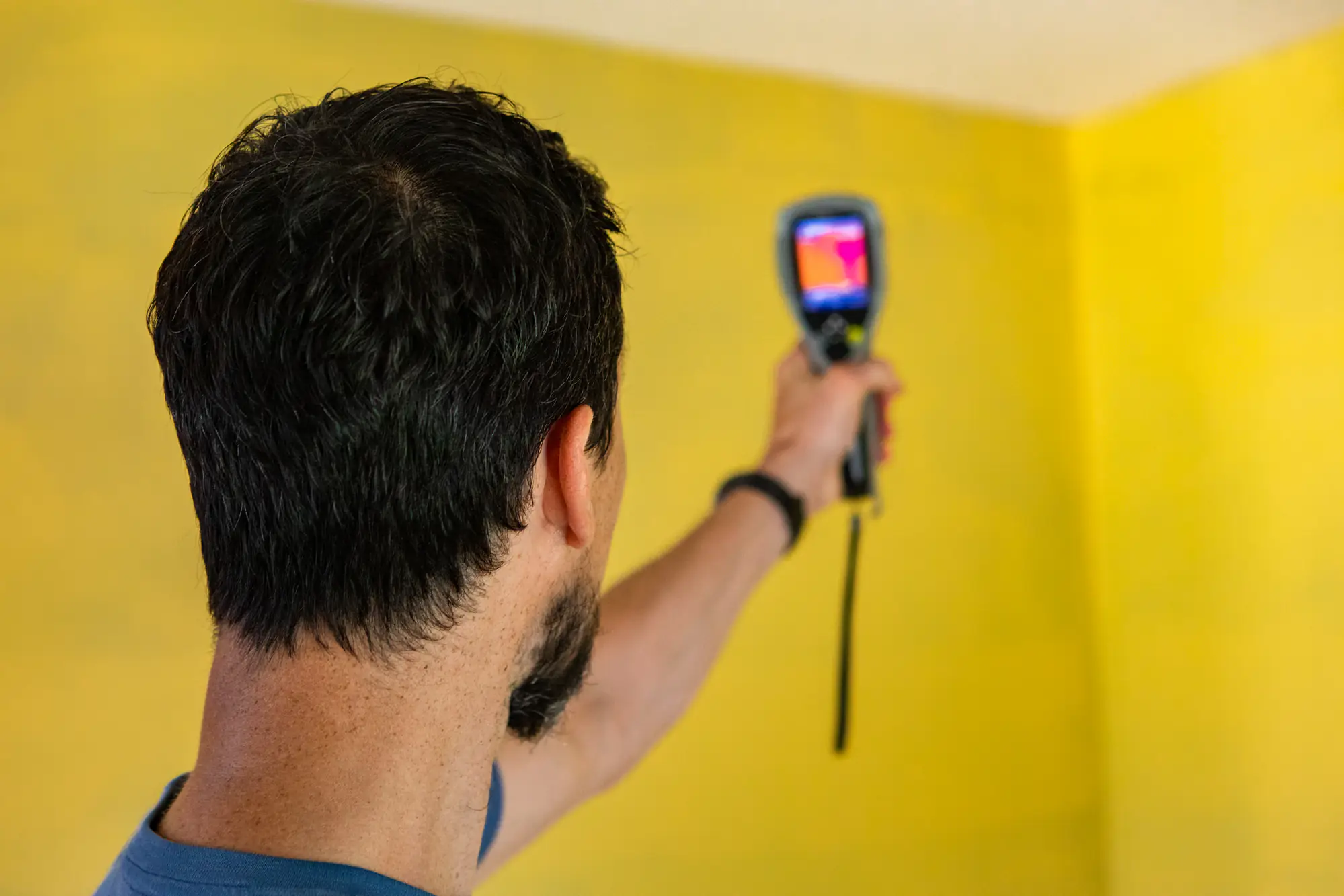
Your residential mold testing includes a complete visual inspection of accessible areas in your home, moisture mapping with professional-grade meters that measure humidity levels in walls and floors, and infrared thermal imaging that reveals hidden water damage and potential mold growth behind surfaces.
We conduct air quality testing that measures mold spore concentrations in your indoor environment and compares them to outdoor levels—this tells us if you have an active mold problem even when nothing is visibly growing. Surface sampling identifies the specific mold species present, which matters because black mold requires different handling than common household molds.
You also get a written report with lab results, photos of problem areas, moisture readings, and specific recommendations for remediation. We document everything for insurance purposes or real estate transactions. And because Breadysville’s humid climate creates ongoing challenges, we include prevention recommendations specific to your home’s construction and the moisture issues we identified.
The inspection typically takes 1-2 hours depending on your home’s size and the extent of areas we need to investigate. You’ll have preliminary findings the same day and full lab results within 3-5 business days. Then we review everything with you and answer your questions about next steps.
A standard mold inspection in Breadysville runs $250-$650 depending on your home’s size and how many areas need investigation. That base inspection includes the visual assessment, moisture mapping, and infrared scanning.
Lab testing is additional and priced per sample—typically $50-$150 for each air or surface sample you want analyzed. Most homes need 2-4 samples to get a complete picture: one outdoor baseline, one or two indoor air samples from problem areas, and surface samples from any visible growth.
We offer free initial inspections where we assess your situation and give you an honest opinion about whether paid testing is actually necessary. Sometimes the problem is obvious enough that you can skip straight to remediation. Other times—especially for real estate transactions, insurance claims, or when you have health concerns but no visible mold—professional testing with lab analysis is worth every dollar because it gives you documentation and certainty about what you’re dealing with.
A mold inspection is the physical walkthrough where we examine your home, use moisture meters and thermal cameras, and identify areas where mold is likely growing. It’s the detective work that finds problems and determines their extent.
Mold testing means taking actual samples—either air samples or surface samples—and sending them to a lab for analysis. The lab identifies specific mold species and measures spore concentrations. Testing gives you scientific proof of what’s growing and how severe the contamination is.
You can have an inspection without testing if the goal is just finding and removing visible mold. But you need testing when you’re buying or selling a home, filing an insurance claim, dealing with health issues that might be mold-related, or when you smell mold but can’t find the source. Testing is also important for confirming that remediation worked—we can test again after cleanup to verify that spore counts returned to normal levels.
Most of our Breadysville clients get both: the inspection finds the problems, and targeted testing confirms what we’re dealing with in the worst areas.
You can buy DIY mold test kits at hardware stores for $10-$50, and they’ll tell you if mold spores are present. But here’s the problem: mold spores are present in every home. What matters is the type of mold, the concentration levels, and where it’s growing.
DIY kits can’t tell you if the levels are dangerous. They can’t find hidden mold behind walls or in crawl spaces. They won’t identify whether you’re dealing with common mildew or toxic black mold. And they don’t come with moisture mapping that shows you why the mold is growing in the first place.
Professional mold testing uses calibrated equipment, proper sampling techniques, and accredited lab analysis. We know where to look in Bucks County homes based on common problem areas. We can detect moisture intrusion before mold even appears. And our reports hold up for insurance claims and real estate transactions—DIY test results don’t.
If you’re just curious, a DIY kit might satisfy that curiosity. If you’re trying to protect your family’s health, document a problem for insurance, or make an informed decision about a home purchase, professional testing is the only option that gives you reliable answers.
Plan on 1-2 hours for the on-site inspection itself. That’s how long it takes to thoroughly examine your home, run moisture meters across walls and floors, scan with infrared cameras, and collect air and surface samples from problem areas.
Smaller homes or condos might take closer to an hour if there’s only one or two areas of concern. Larger homes or properties with basements, attics, and multiple bathrooms can push toward two hours, especially if we’re investigating water damage in several locations.
You’ll get preliminary findings right away—we’ll tell you what we found, where the moisture problems are, and what we think is happening. Then samples go to the lab for 3-5 business days. Once results come back, we schedule a follow-up call or meeting to review the lab report and discuss your options.
The whole process from scheduling to having complete results typically takes about a week. We can expedite lab testing if you’re working against a real estate closing deadline or dealing with a health emergency, but that adds to the cost.
The obvious sign is visible mold growth—dark spots on walls, fuzzy growth on bathroom ceilings, or discoloration around windows. But you don’t always see mold before it becomes a problem.
A persistent musty or earthy smell is a red flag, especially in basements, bathrooms, or closets. That smell means mold is actively growing somewhere even if you can’t see it. Water damage or flooding—even if you dried everything quickly—creates conditions for hidden mold growth inside walls and under flooring.
Health symptoms are another indicator: unexplained allergies, respiratory issues, headaches, or skin irritation that get worse when you’re home and better when you leave. If multiple family members are experiencing these symptoms, mold could be affecting your indoor air quality.
You also need testing after any significant water intrusion, before buying a home in Breadysville (especially older homes with basement moisture issues), or if you’re selling and want to address problems before they derail your deal. And if you’ve had mold remediation done before but the problem keeps coming back, testing helps identify whether the source was actually fixed or just covered up.
It depends on what caused the mold. If mold resulted from a covered event—like a burst pipe, roof leak during a storm, or appliance malfunction—most homeowners insurance policies will cover both testing and remediation.
If mold developed from long-term neglect, poor maintenance, or ongoing humidity issues you didn’t address, insurance typically won’t cover it. They view that as a maintenance issue, not a sudden accident.
The key is documentation. When you have a water event, you need to file a claim quickly and get professional testing that proves the mold resulted from that specific incident. We work directly with insurance companies, provide the documentation they require, and help you navigate the claims process.
Some policies have mold coverage limits—often $10,000 or less—so it’s worth checking your policy details. And some insurers require you to use their preferred remediation companies, though they usually can’t force you to skip independent testing.
We recommend getting testing done regardless of insurance coverage because knowing what you’re dealing with helps you make informed decisions. If insurance covers it, great. If not, at least you know the real cost to fix the problem properly instead of guessing or getting surprised halfway through remediation.
Other Services we provide in Breadysville