
Hear from Our Customers
You can’t fix what you can’t see. That musty smell in your basement or the dark spots behind your bathroom tile might be surface-level, or they might signal a bigger problem growing inside your walls.
A professional mold inspection gives you the full picture. We use infrared cameras and moisture meters to find mold hiding in places you’d never think to check—inside HVAC systems, under flooring, behind drywall. You get a clear report showing what’s there, where it’s growing, and what needs to happen next.
No guessing. No unnecessary work. Just accurate information so you can make the right call for your home and your budget. If there’s a problem, you’ll know the scope before anyone starts tearing into walls or quoting remediation work you might not need.
Mack’s Mold Removal serves Farm School and the surrounding Bucks County area with professional mold detection services. We’re the local team homeowners call when they need to know what’s actually happening inside their walls.
Bucks County’s climate creates perfect conditions for mold. Cold winters, warm summers, and above-average rainfall mean moisture problems are common here. We’ve seen how quickly a small leak or humidity issue can turn into a health concern or a property value problem.
Our approach is simple: thorough inspection, clear communication, and honest recommendations. We’re licensed for mold assessment in Pennsylvania and use the same detection technology larger restoration companies rely on—but we’re focused on Farm School and the local communities we serve.
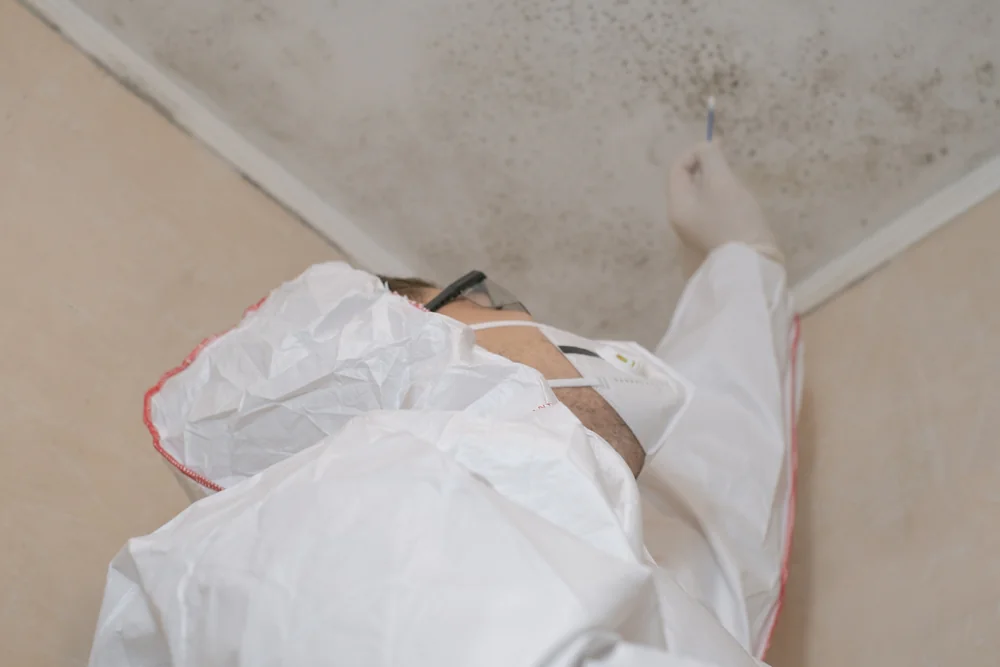
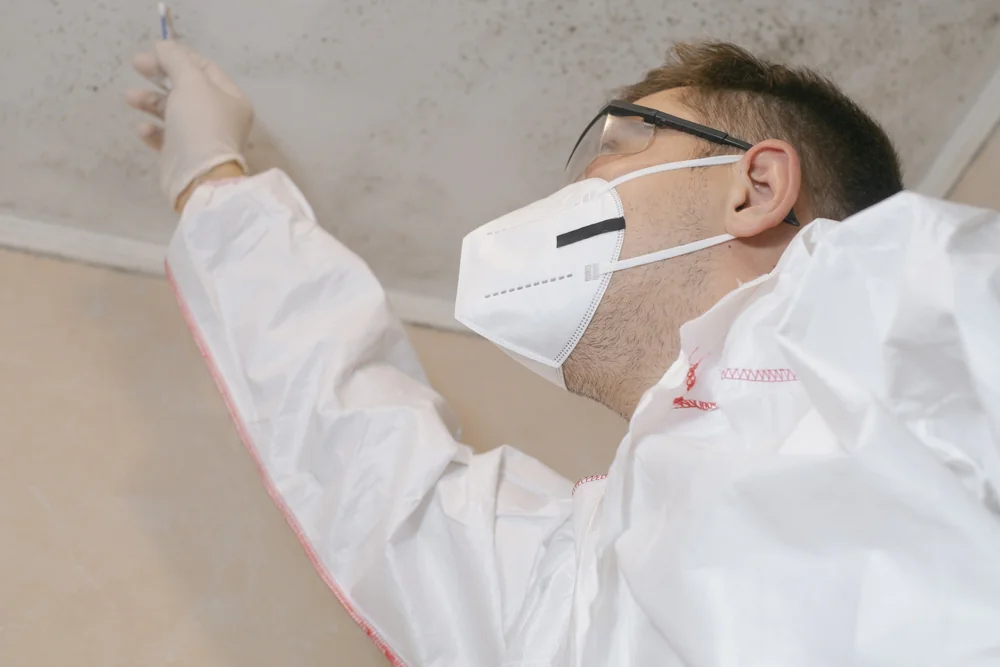
First, we walk through your home looking for visible signs—discoloration, water damage, areas where moisture tends to collect. We’re checking basements, crawl spaces, bathrooms, attics, anywhere mold typically shows up.
Next comes the technology. Infrared cameras detect temperature differences that indicate trapped moisture. Moisture meters measure exact levels in walls, floors, and ceilings. These tools find problems before they’re visible to the naked eye.
We also conduct air and surface testing when needed. Air samples capture spore counts throughout your home. Surface samples identify specific mold types growing in problem areas. This testing tells us if you’re dealing with common mold or something more concerning like black mold.
You get a detailed report explaining what we found, where the moisture is coming from, and what level of response makes sense. If remediation is needed, you’ll know exactly why. If it’s not, we’ll tell you that too.

Ready to get started?
Your inspection covers the full property—interior spaces, hidden areas, and anywhere moisture could be creating problems. We’re looking at your HVAC system, checking behind appliances, inspecting areas around windows and doors where leaks commonly develop.
In Farm School, we’re particularly focused on basement moisture issues and attic ventilation problems. The local climate means these areas need extra attention. Bucks County has seen precipitation increase by 5-10% recently, and that moisture has to go somewhere.
Testing includes both air quality sampling and surface testing in affected areas. Air samples show whether mold spores are circulating through your home. Surface samples identify the specific type of mold and contamination level. You need both to understand the full situation.
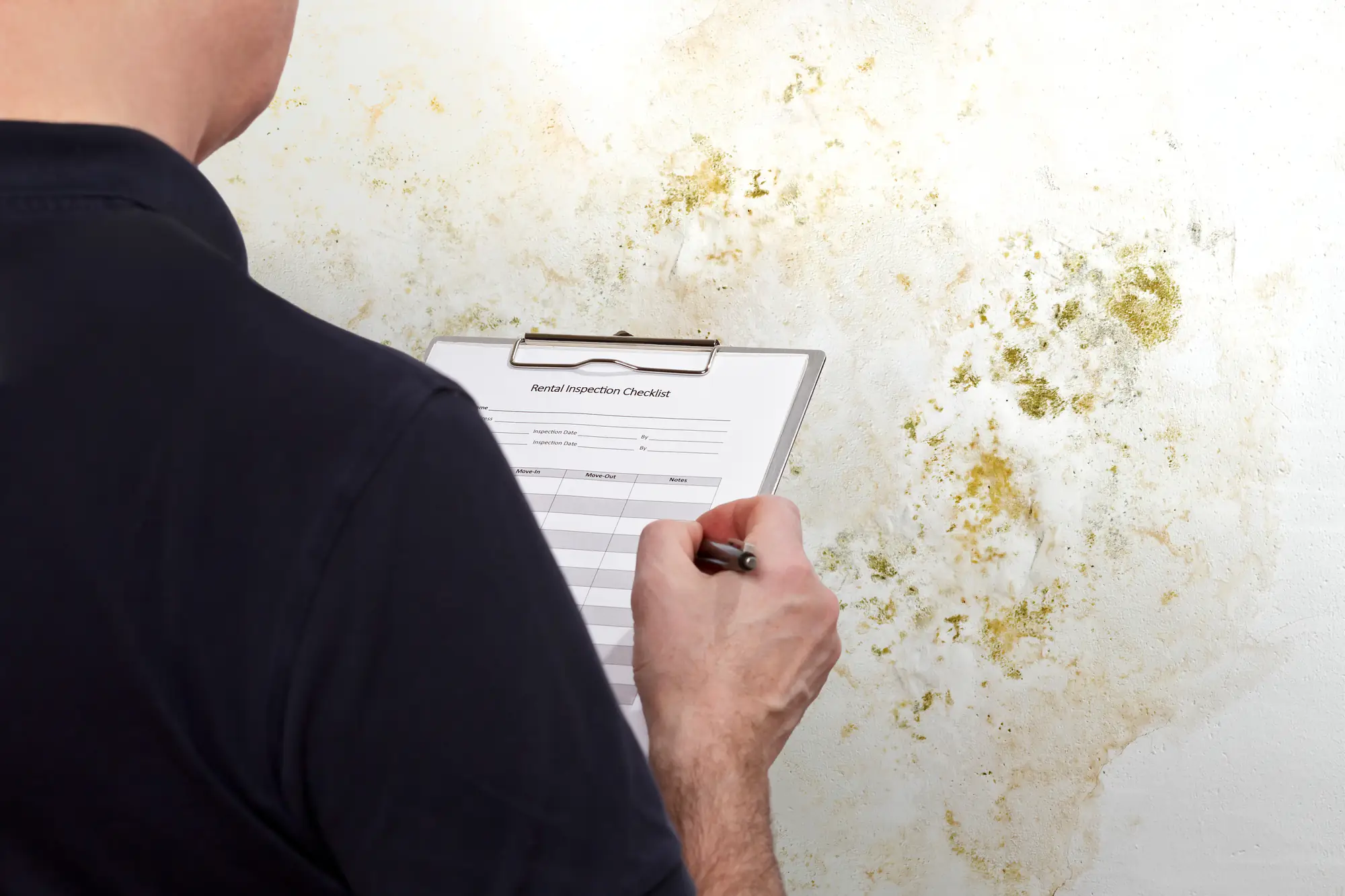
The inspection report breaks down findings room by room. It identifies moisture sources, explains contamination levels, and outlines what needs to happen next. If your home is clean, the report confirms it. If there’s a problem, you’ll have documentation for insurance claims or real estate negotiations.
Mold inspection costs vary based on your home’s size and the level of testing required. A basic visual inspection with moisture detection typically runs less than comprehensive testing that includes lab analysis of air and surface samples.
For most homes in Farm School, expect to invest a few hundred dollars for a thorough inspection. That includes the visual assessment, moisture mapping with professional equipment, and air quality testing. Surface sampling of specific areas adds to the cost but gives you exact identification of mold species.
It’s worth understanding what you’re paying for. Professional mold assessment requires a license in Pennsylvania. The equipment isn’t cheap—infrared cameras and calibrated moisture meters are specialized tools. Lab testing for spore identification takes time and expertise. You’re paying for accurate information that protects you from unnecessary remediation work or, worse, missing a serious problem. Many homeowners find that a proper inspection saves them thousands by pinpointing exactly what needs attention instead of guessing.
You can see some mold growth—the black spots on bathroom grout, the fuzzy patches on basement walls. But the mold you can see is often just part of the problem.
Mold grows inside wall cavities, under flooring, in HVAC ductwork, and other hidden spaces where moisture collects. By the time it’s visible on a surface, there’s usually more behind it. Air testing picks up elevated spore counts even when you can’t see active growth. That matters because you’re breathing those spores whether the mold is visible or not.
The other issue is identifying what type of mold you’re dealing with. Not all mold is the same. Some species cause more serious health effects than others. Black mold (Stachybotrys) produces mycotoxins that can require emergency medical attention. You can’t tell what you’re looking at without lab testing. A professional inspection combines visual assessment with scientific testing to give you the complete picture—what’s there, where it’s growing, and whether it’s a health risk.
Musty odors are the biggest indicator. If you smell that earthy, damp smell, there’s mold growing somewhere. You might not see it, but your nose is picking up the volatile organic compounds mold releases as it grows.
Visible water damage means you should schedule an inspection soon. Water stains on ceilings or walls, peeling paint, warped flooring—these all indicate moisture problems. Where there’s moisture, mold follows within 24-48 hours. Even if you don’t see mold yet, it’s likely starting.
Health symptoms that improve when you leave the house are a red flag. Unexplained respiratory issues, headaches, skin irritation, or allergy symptoms that get worse at home suggest poor indoor air quality. Mold spores circulating through your HVAC system can cause these problems. If multiple family members are experiencing symptoms, especially children or elderly relatives, get an inspection scheduled. About 24% of people have a genetic sensitivity to mold that makes them more susceptible to chronic illness from exposure.
Plan on two to three hours for a thorough inspection of an average-sized home. Larger properties or homes with multiple problem areas take longer.
The visual inspection and moisture mapping happen first—walking through every room, checking hidden spaces, using infrared cameras and moisture meters to identify problem areas. That’s usually 60-90 minutes depending on your home’s size and layout.
Air and surface sampling adds another 30-60 minutes. We’re collecting samples from multiple locations throughout your home to get accurate readings. Those samples go to a lab for analysis. Results typically come back within a few days, and then we provide your detailed report with findings and recommendations. The inspection itself is done in one visit, but you’ll want to factor in a few days for lab results before you have the complete picture. Most homeowners appreciate the thoroughness—you’re making decisions about your home and your family’s health, so accuracy matters more than speed.
The opposite is true. Finding and addressing mold before listing protects your home’s value. Unchecked mold can knock 20-37% off your market value if buyers discover it during their inspection.
Here’s what happens in real estate transactions: buyers order inspections. If mold shows up then, they have all the leverage. They can demand you fix it, negotiate a lower price, or walk away completely. You’re dealing with the problem anyway, but now you’re doing it under pressure with less control over the process.
Getting your own inspection first means you know what you’re dealing with before listing. If there’s a minor issue, you can address it affordably and disclose the remediation work to buyers—showing you’re a responsible seller. If testing comes back clean, you have documentation proving your home is mold-free. That’s a selling point, especially in Bucks County where moisture issues are common. Buyers appreciate transparency. A pre-listing mold inspection shows you’ve done your homework and aren’t hiding problems. That builds trust and can actually help your home sell faster.
You get a detailed report showing exactly where the mold is growing, what type it is, and how extensive the contamination is. That report guides your next steps.
Minor mold growth in small areas—less than 10 square feet—can often be cleaned up without professional remediation. The report will tell you if that’s the case and what cleaning methods are safe to use. For larger contamination or toxic mold species, professional remediation is necessary to protect your health and prevent the problem from spreading.
The inspection report also identifies the moisture source feeding the mold growth. That’s critical because removing mold without fixing the moisture problem means it’ll just come back. Maybe it’s a plumbing leak, poor ventilation, a roof issue, or groundwater seeping into your basement. Knowing the source lets you fix the root cause. You’ll have clear documentation for insurance claims if your policy covers the damage. And you’ll know the real scope of work needed, which prevents contractors from overselling you on remediation you don’t need. The goal is giving you accurate information so you can make informed decisions about your property.
Other Services we provide in Farm School