
Hear from Our Customers
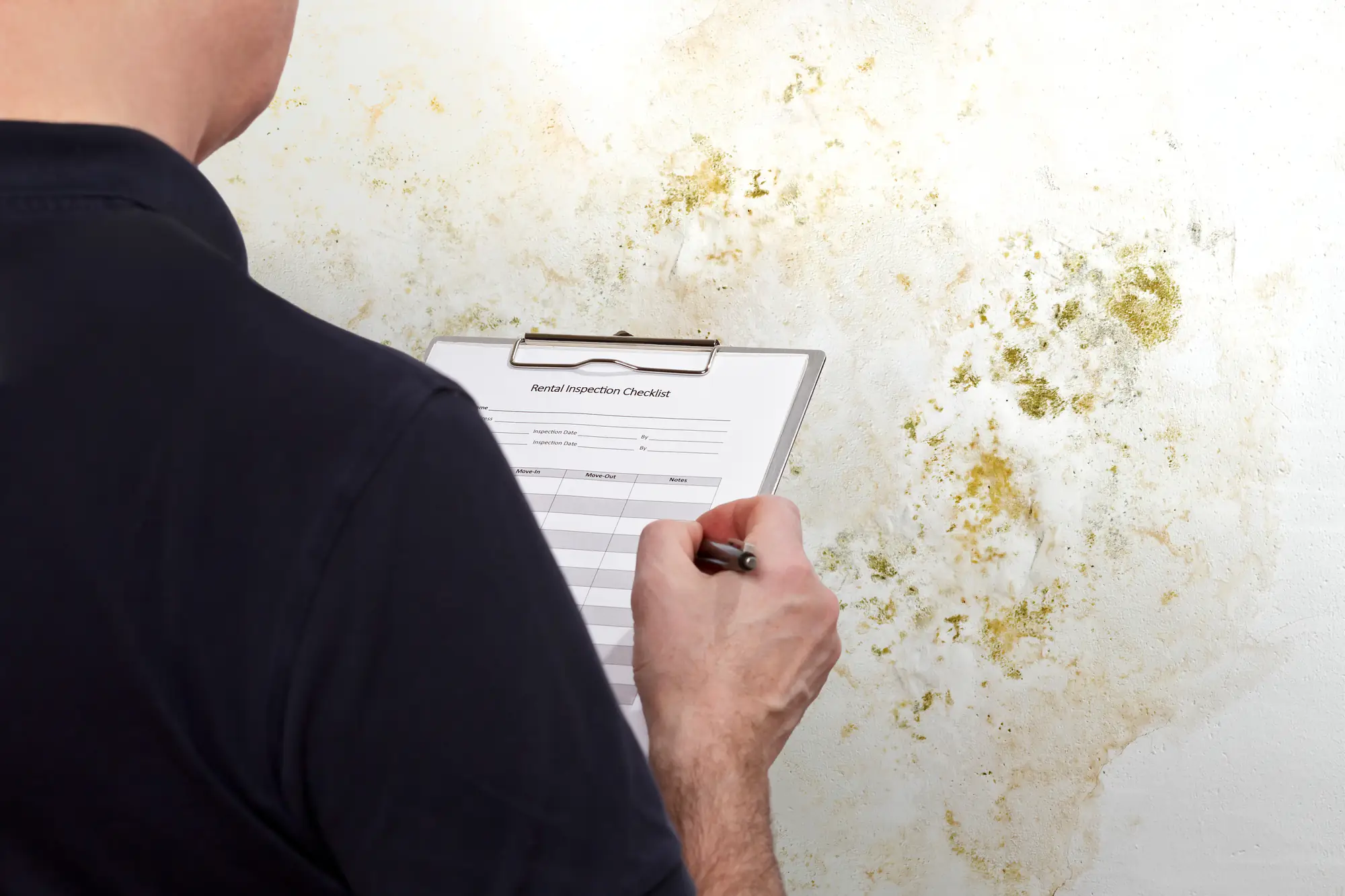
Mold starts growing within 24 to 48 hours after water exposure. By the time you see it or smell it, you’re already looking at a bigger problem than you needed to face.
A professional mold inspection finds what you can’t see—the spots behind walls, under floors, inside HVAC systems. The places where mold thrives while you’re unaware. Early detection means smaller fixes, lower costs, and no guessing about what’s actually happening in your home.
You’re not just paying for someone to look around. You’re getting thermal imaging, moisture mapping, air sampling, and lab-confirmed results that tell you exactly what you’re dealing with. That’s the difference between wondering if you have a problem and knowing how to fix it.
We’ve been inspecting and remediating mold in Dublin, PA and throughout Bucks County for 30 years. We’re certified by MICRO, fully insured with environmental coverage, and we follow EPA and IICRC S520 guidelines on every job.
Dublin’s humid summers create perfect conditions for mold growth, especially in older homes common throughout this area. We’ve seen what happens when AC units run all season in Pennsylvania’s sticky July heat—condensation builds, airflow stalls, and mold finds a home. We know the basements, the crawlspaces, the problem spots that come with properties in this region.
You’re hiring local experience, not a national franchise reading from a script.
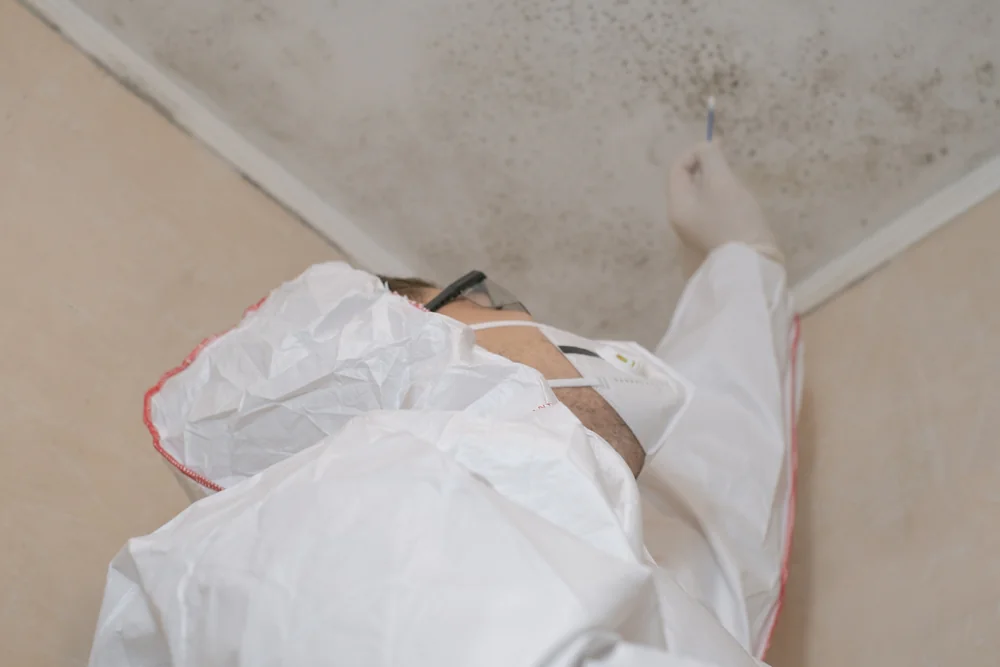
First, we walk through your home and identify the areas most likely to harbor mold—anywhere moisture lingers or airflow is limited. We’re looking at basements, bathrooms, attics, HVAC systems, and any spots where you’ve had leaks or water damage.
Next, we use infrared moisture mapping and thermal imaging to detect hidden moisture you can’t see. Mold needs water to grow, so finding moisture tells us where mold is likely hiding. Then we take air samples and surface samples from suspected areas and send them to an independent lab for analysis.
You get a detailed written report that identifies the type of mold, the extent of contamination, and the moisture source feeding it. If remediation is needed, we provide a clear proposal with no surprises. If your home is clean, we tell you that too.

Ready to get started?
Every mold inspection includes a visual assessment of your entire property, moisture detection with professional-grade equipment, and lab-tested air and surface samples. We don’t use cheap DIY kits that only test a tiny area—we inspect the whole home, including the hidden spots where mold actually grows.
In Dublin and Bucks County, we’re dealing with homes that see humidity levels over 70% during summer months. That means attics with poor ventilation, basements with foundation moisture, and HVAC systems that breed mold when they’re working hardest. We check all of it.
You also get documentation you can use for real estate transactions, insurance claims, or your own records. If you’re buying a home, this inspection can save you from inheriting someone else’s mold problem. If you’re selling, it proves your home is clean. And if you’re just concerned about your family’s health, it gives you clarity instead of worry.

Most professional mold inspections in this area run between $300 and $1,000, with the average around $650. The final cost depends on the size of your home, how many areas need testing, and whether lab analysis is required.
That might sound like a lot until you compare it to mold remediation costs, which typically range from $1,500 to $9,000—and can hit $20,000 for severe cases. Spending a few hundred now to catch mold early can save you thousands in repairs later.
We offer free consultations and can give you a quote based on your specific situation. No pressure, just honest pricing.
Not reliably. Standard home inspections focus on visible defects—structural issues, roofing, plumbing, electrical. Most general inspectors won’t test for mold, and many explicitly exclude it from their contracts to limit liability.
Mold hides in places a general inspector won’t access—inside walls, under flooring, in ductwork, behind insulation. Without moisture meters, thermal imaging, and air sampling equipment, they’re only seeing what’s obvious. And by the time mold is obvious, it’s already a bigger problem.
If you’re buying a home in Dublin or anywhere in Bucks County, a separate mold inspection is worth it. Pennsylvania’s older housing stock and humid climate make mold more common here than in drier regions. A dedicated mold inspection gives you information a standard inspection simply can’t provide.
Musty odors are the most common sign—if a room smells like mildew or damp basement, mold is likely growing somewhere. Visible discoloration on walls, ceilings, or around windows is another red flag, especially if it’s black, green, or brown.
Health symptoms can also point to mold exposure. Stuffy nose, sore throat, coughing, wheezing, burning eyes, or skin rashes that get worse at home and better when you leave—those are all potential mold reactions. If someone in your household has asthma and it’s getting worse, mold could be the trigger.
Water damage is the biggest risk factor. If you’ve had a leak, flooding, or even just persistent condensation, mold is probably growing within 48 hours. Even if the area looks dry now, mold can be thriving behind the surface. That’s when you call for an inspection.
Most inspections take between one and three hours, depending on the size of your home and how many areas we’re testing. We’re not rushing through—we’re checking every potential problem spot and using equipment that takes time to get accurate readings.
After the inspection, samples go to an independent lab for analysis. Lab results typically come back within a few days. Once we have those results, we’ll walk you through the findings and explain what they mean in plain terms.
If you need faster answers, let us know. We offer same-day inspections for urgent situations, and we can prioritize lab processing if you’re in the middle of a real estate transaction or dealing with a health emergency.
Only if you ignore the results. Finding mold during an inspection gives you the chance to fix it before it becomes a deal-killer. Research shows that about half of homebuyers back out when they learn a property had mold—even if it’s been properly remediated.
If you’re selling, getting an inspection before you list lets you address any issues on your terms. You can remediate the mold, provide documentation that it’s gone, and market your home as clean and safe. That’s a lot better than having a buyer’s inspector find mold and tank your deal.
If you’re buying, a mold inspection protects your investment. You can make the sale contingent on a clean report, negotiate repairs, or walk away if the problem is too big. Either way, you’re making an informed decision instead of gambling with your biggest purchase.
We give you a written report that identifies the type of mold, where it’s located, how extensive the contamination is, and what’s causing it—usually a moisture source that needs to be fixed. Then we provide a detailed remediation proposal that follows EPA and IICRC S520 guidelines.
You’re not locked into using us for remediation. You can take our report to any qualified contractor. But if you want us to handle it, we’ll walk you through the process, timeline, and cost before we start. No surprises, no upselling.
If the mold is minor and you want to tackle it yourself, we’ll tell you that too. We’re not here to scare you into unnecessary work. We’re here to give you accurate information so you can make the right call for your home and your budget.
Other Services we provide in Dublin