

Hear from Our Customers

Most Lower Makefield homeowners never think about their ductwork until something feels off a musty smell when the heat kicks on in October, or allergy symptoms that don’t quit even after a clean house. The problem is usually invisible. Mold and debris accumulate deep inside duct systems where no one looks, and every time your HVAC runs, it pushes that air into every room in the house.
Living near the Delaware River means your home deals with a level of ambient moisture that inland communities simply don’t. The clay-heavy soil throughout Lower Makefield holds water near your foundation longer after rain events, and summer humidity along the river corridor seeps into HVAC systems every time they cycle. If your AC runs constantly through July and August which it does in Lower Makefield you’re generating condensation inside the ductwork on a daily basis. That’s the environment mold needs to get established.
After a professional cleaning, the difference is usually immediate. The musty smell is gone. The system runs more efficiently. If your home is one of the many in Tanglewood, Makefield Highlands, or Carriage Hill that was built in the 1980s or 1990s, you may be breathing air through ductwork that has never once been professionally cleaned. That changes after one visit from us.
We’re based in Bensalem, right here in Bucks County. We’ve been working in homes throughout the county for over 15 years, which means we understand what Delaware River proximity actually does to a home’s moisture profile not in theory, but from years of inspecting crawl spaces, basements, and duct systems in townships exactly like Lower Makefield.
What separates us from a general duct cleaning company is our mold remediation background. When mold is present inside ductwork, disturbing it without proper containment protocols can spread spores throughout the entire home. We bring certified remediation expertise to every duct job the kind of credential that matters when your Lower Makefield home sits near the Delaware Canal or has a history of flooding from events like Hurricane Ida.
You’ll get a free inspection upfront, a written quote before any work begins, and post-cleaning verification to confirm the job was done right. No surprises on the invoice. No guessing about whether the problem was actually resolved.
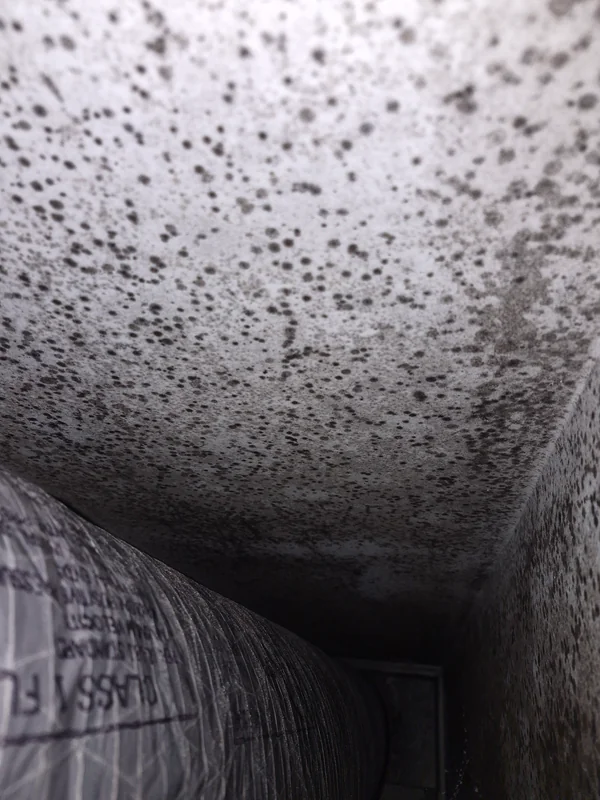
It starts with a free inspection. Before anything is touched, a certified technician walks through your home, checks the duct system, and looks for signs of mold, debris buildup, or contamination. In Lower Makefield, that inspection often includes checking return vents in lower levels of the home because those low-mounted returns are the first points of contact when floodwater or ground moisture enters the living space. Homes along River Road or near the Maplevale area that experienced flooding know exactly what this means.
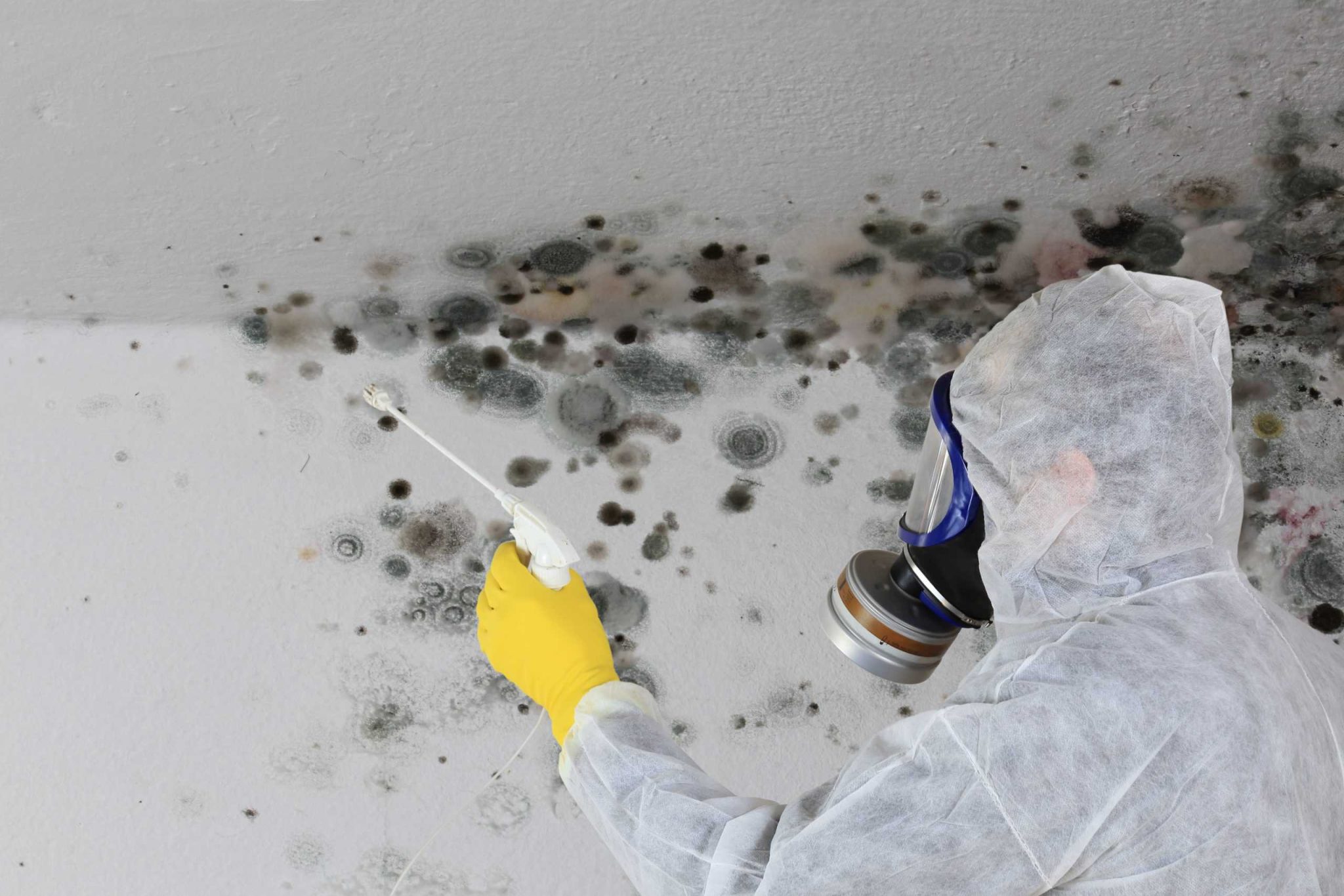
Once the inspection is complete and you’ve reviewed the upfront quote, the cleaning begins. We use professional-grade negative pressure equipment not a shop vac to pull debris from the full length of the duct system, both supply and return sides. Containment protocols are in place throughout, so nothing that comes out of the ducts gets redistributed into your living space. The process typically takes several hours for a standard home, and our technician works through the system methodically rather than rushing.
After the cleaning, we test to confirm the mold is actually gone. That’s the step most companies skip. You get documentation of the results, not just a handshake and an invoice. If dryer vent cleaning or air duct sanitizing is also needed, those are handled in the same visit so you’re not scheduling multiple appointments.
Ready to get started?
Air duct cleaning and air duct sanitizing are not the same thing, and in a township with Lower Makefield’s moisture exposure, the distinction matters. Cleaning removes the physical debris dust, particulate buildup, biological growth from inside the ductwork. Sanitizing applies an antimicrobial treatment to the interior surfaces after mechanical cleaning to address any remaining biological contamination. When mold is involved, both steps are needed. We provide both as part of a complete HVAC mold remediation approach, not as a bait-and-switch upsell you find out about after the crew arrives.
Dryer vent cleaning is also part of what we handle. This one tends to get overlooked, but the fire risk is real the NFPA reports nearly 16,000 dryer-related house fires annually, and the leading cause is failure to clean the vent. Many Lower Makefield homes built in the 1980s and 1990s have dryer vents routed through interior walls with longer duct runs than newer construction, which means lint accumulates faster and the risk is higher. It’s not optional maintenance it’s a fire safety issue.
If you’re in one of the Lower Makefield neighborhoods affected by the PECO infrastructure project currently running through areas including Lindenhurst Road, Heather Ridge Drive, and Timber Lakes Drive, construction activity has been stirring up particulates that enter HVAC intakes. A post-construction duct cleaning is a practical response to what’s been happening in those neighborhoods throughout 2026.
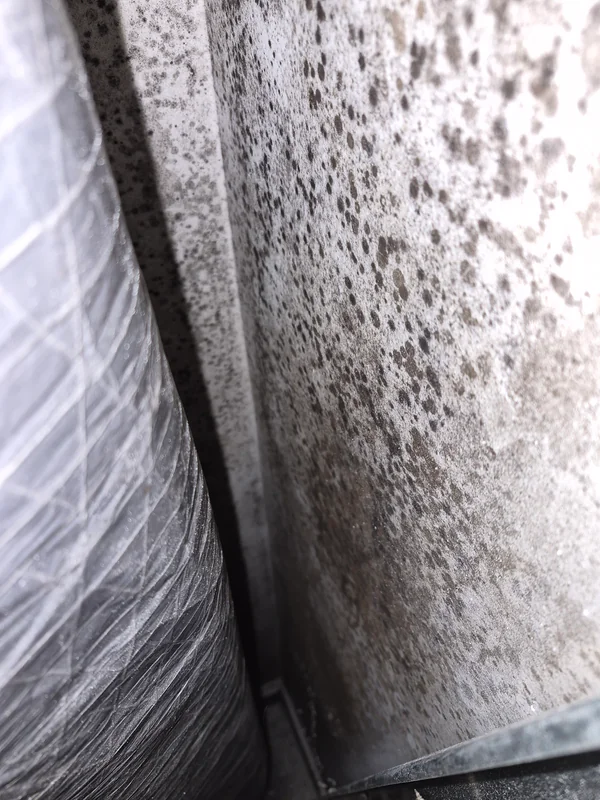
Yes, and it’s one of the more direct connections between geography and indoor air quality that we see in Bucks County. The Delaware River creates elevated ambient humidity along the eastern edge of Lower Makefield, particularly during summer months when the combination of heat, moisture, and continuous AC operation generates condensation inside ductwork on a near-daily basis. That condensation doesn’t dry out quickly in a sealed duct system it lingers, and mold follows.
The clay-heavy soil throughout Lower Makefield compounds this by holding rainwater near foundations longer than sandy or loamy soils would. That ground moisture wicks into basements and crawl spaces, where HVAC return systems often pull their air from. Homes near the Delaware Canal, River Road, or in lower-lying areas like Maplevale are especially susceptible. If your home has experienced any flooding even minor basement seepage and your ductwork wasn’t specifically inspected afterward, there’s a real possibility mold established itself in the return side of the system without anyone noticing.
The honest answer is that you usually can’t tell without a professional inspection, because the sections of ductwork where mold grows most readily interior bends, the areas around evaporator coils, return plenums are not visible from the registers you can see. What you can pay attention to is how the system smells when it runs. A musty or earthy odor that appears specifically when the HVAC kicks on is one of the more reliable indicators that something biological is growing inside the system, not just dust sitting on a surface.
Other signs include worsening allergy or respiratory symptoms that seem to improve when you leave the house, visible discoloration around vent registers, or a history of water intrusion in your Lower Makefield home that wasn’t followed by a duct inspection. In a township where many homes have experienced flooding events or deal with chronic basement moisture, these conditions are more common than people realize. The only way to know for certain is a proper inspection with lab testing of samples which is exactly how we start every job.
Absolutely, and this is one of the more common situations we encounter in Lower Makefield. When floodwater enters a home, it almost always reaches the HVAC return system first those low-mounted return vents in hallways and lower-level rooms are exactly where water travels. General water damage restoration companies focus on walls, flooring, and visible surfaces. Ductwork is internal, out of sight, and frequently overlooked during the initial remediation process.
Mold that established itself in ductwork after a flood event doesn’t always make itself known immediately. It can take a year or more before the musty smell becomes noticeable, or before occupants start connecting worsening respiratory symptoms to the home environment. If your home was affected by Ida in September 2021 and the ducts were never specifically addressed, you’re now several years into a potential slow-developing mold problem. A professional inspection with lab testing will tell you definitively whether something is there and if it is, we have the remediation credentials to address it properly, not just clean around it.
They’re two separate steps that address two different problems. Air duct cleaning is the mechanical process using professional equipment to physically remove dust, debris, and biological growth from inside the duct system. Air duct sanitizing is what happens after the mechanical cleaning, when an antimicrobial treatment is applied to the interior surfaces to address any residual biological contamination that the physical cleaning alone can’t fully eliminate.
If your ducts have mold in them, cleaning without sanitizing leaves the job incomplete. The physical debris comes out, but the surface conditions that allowed mold to grow in the first place are still there. In a home with Lower Makefield’s humidity exposure especially one near the river corridor or with a history of moisture intrusion skipping the sanitizing step means the same conditions that caused the problem are still present after the cleaning is done. We provide both as part of a complete approach when mold is identified, so you’re not scheduling a follow-up visit six months later because the problem came back.
The general industry guidance is every three to five years for routine maintenance, but that baseline assumes average conditions. Lower Makefield homes don’t operate in average conditions. The combination of Delaware River humidity, clay-heavy soil moisture retention, and the flooding history of certain neighborhoods means the biological risk inside ductwork is higher here than in drier, inland communities. If your home has experienced any water intrusion even once that resets the clock regardless of when the last cleaning was done.
There are also situation-specific triggers that warrant cleaning outside of any schedule. If you’ve recently had mold remediated elsewhere in your home, the ducts should be inspected as part of that process mold in one area often signals that the HVAC system has been distributing spores throughout. Similarly, if you’re in one of the Lower Makefield neighborhoods where PECO construction has been active in 2026, particulate intrusion from that activity is a real and current reason to schedule a cleaning sooner rather than later. A free inspection from us will tell you where you actually stand.
It’s a genuine fire safety issue, not an optional upgrade. The National Fire Protection Association reports close to 16,000 dryer-related house fires every year, and the leading cause by a significant margin is failure to clean the dryer vent. Lint is highly flammable, and it accumulates in the vent duct every single time the dryer runs. When the vent is partially or fully blocked, the dryer runs hotter, lint builds up faster, and the risk climbs.
This matters especially in Lower Makefield because a large portion of the township’s housing stock was built in the 1980s and 1990s, when dryer vent routing through interior walls was common practice. Those longer, more complex vent runs accumulate lint faster than a short exterior run on a newer home. If your home is in Tanglewood, Carriage Hill, or one of the other established subdivisions and the dryer vent has never been professionally cleaned, the blockage may already be significant. We handle dryer vent cleaning alongside air duct work so you can address both in a single visit rather than coordinating separate appointments.
Other Services we provide in Lower Makefield