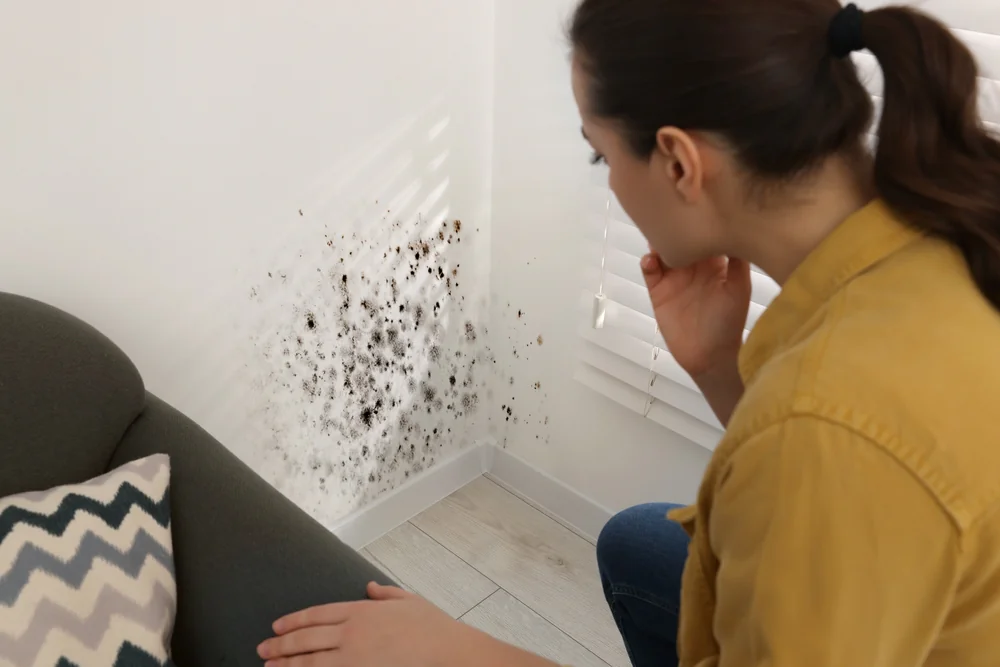
You’ve got a musty smell in the basement. Maybe some dark spots near the bathroom window. Someone offers you a free mold inspection, and it sounds perfect—why pay when you can get it for free?
Here’s the thing: free and comprehensive are rarely the same. What you get in a no-cost assessment versus what’s included in professional mold testing can mean the difference between solving your problem and watching it grow behind your walls for another six months.
Let’s talk about what you’re actually getting with each option, when free makes sense, and when skipping professional testing ends up costing you more.
Free Mold Assessment: What You Actually Get
A free mold assessment usually means someone comes to your home, looks at visible areas, and tells you whether they see mold. That’s it. It’s a visual check—eyes and maybe a flashlight.
They’ll walk through your basement, check your bathroom, peek in the attic if you ask. They might take some photos. They’ll definitely tell you if they see something that looks like mold.
What they won’t do is test the air. They won’t send samples to a lab. They won’t use moisture meters or thermal cameras to find problems hiding behind your drywall. And they probably won’t give you a written report you can use for insurance or real estate purposes.
Free Mold and Mildew Inspections: The Business Model Behind the Offer
Companies don’t offer free mold and mildew inspections out of kindness. They offer them because it gets them in your door. And once they’re there, they’re hoping to sell you remediation services.
That’s not necessarily bad. Most mold remediation companies are honest and want to help. But the structure creates a conflict of interest. When the person inspecting your home also makes money removing mold, they have a financial reason to find problems—whether those problems are urgent or not.
Think about it like this: would you trust a car mechanic who offers free inspections but only makes money when they sell you repairs? You might. But you’d probably want a second opinion before agreeing to replace your transmission.
The same logic applies with mold inspections free of charge. Free inspections from remediation companies can be useful for getting a general sense of whether you have visible mold. But they’re not designed to give you an unbiased, comprehensive assessment of your situation. They’re designed to generate leads.
Some companies are upfront about this. Others aren’t. The ones that aren’t upfront are the ones you need to watch out for. They might overstate the severity of your problem, suggest expensive remediation for minor issues, or skip mentioning that the “mold” they found is actually just dirt or mildew that you could clean yourself.
If you go with a free inspection, ask questions. Who’s paying for this? What’s included? Will I get a written report? Are you also the company that would do the remediation? Understanding the business model helps you evaluate the advice you’re getting.
What’s Missing from Most Free Inspections
Free mold assessments typically don’t include the things that cost money: lab testing, air sampling, moisture mapping, or detailed written reports. Those services require equipment, time, and third-party lab fees that companies can’t afford to give away.
Air sampling matters because mold you can’t see can still affect your health. Spores float through your HVAC system. They settle in your walls. A visual inspection won’t catch that. Only air quality testing will.
Lab analysis matters because not all mold is the same. Some species are more dangerous than others. Some indicate serious moisture problems. Some are just surface-level nuisances. Without lab results, you’re guessing about what type of mold you’re dealing with and whether it poses real health risks.
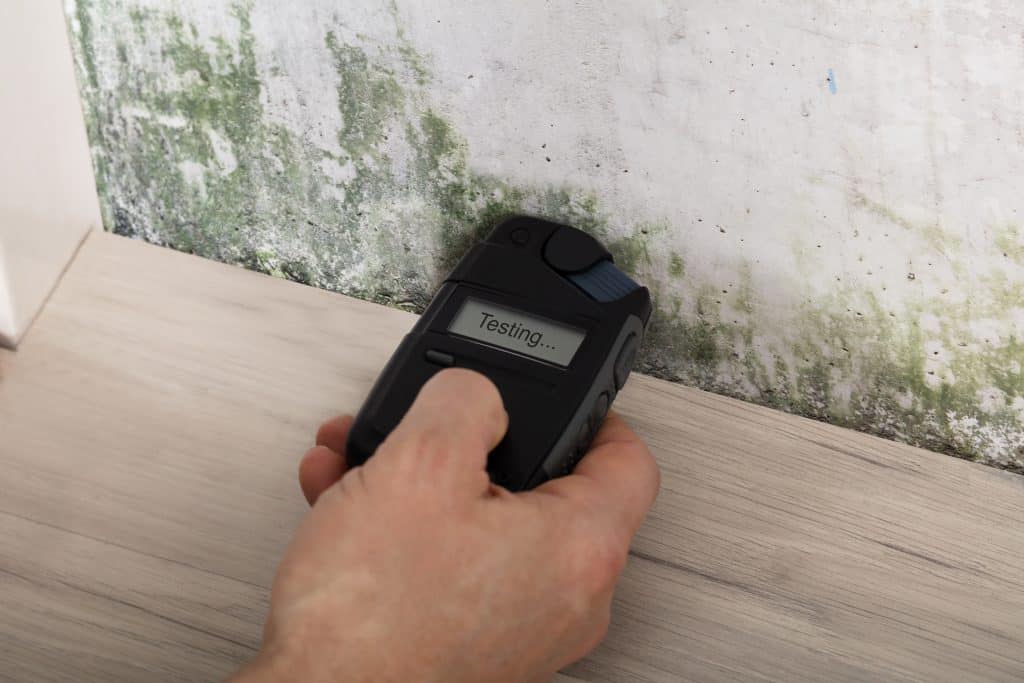
Moisture mapping matters because mold is a symptom, not the disease. The disease is water. If you don’t find and fix the moisture source, the mold will come back. A certified mold inspector uses moisture meters and thermal imaging to track down leaks, condensation, and humidity problems that aren’t obvious to the naked eye.
Written reports matter for insurance claims, real estate transactions, and legal documentation. A free inspection might give you verbal feedback, but if you need proof for your insurance company or a buyer’s lender, a verbal “yeah, you’ve got mold” isn’t going to cut it.
Bucks County, PA homes face specific challenges that make these tools especially important. The area gets more rain than the national average. Humid summers create condensation issues. Older homes have aging foundations and outdated drainage systems. A quick visual check might miss the groundwater seeping through your basement wall or the humidity trapped in your crawl space—problems that professional mold testing equipment would catch immediately.
Professional Mold Testing: What You’re Paying For
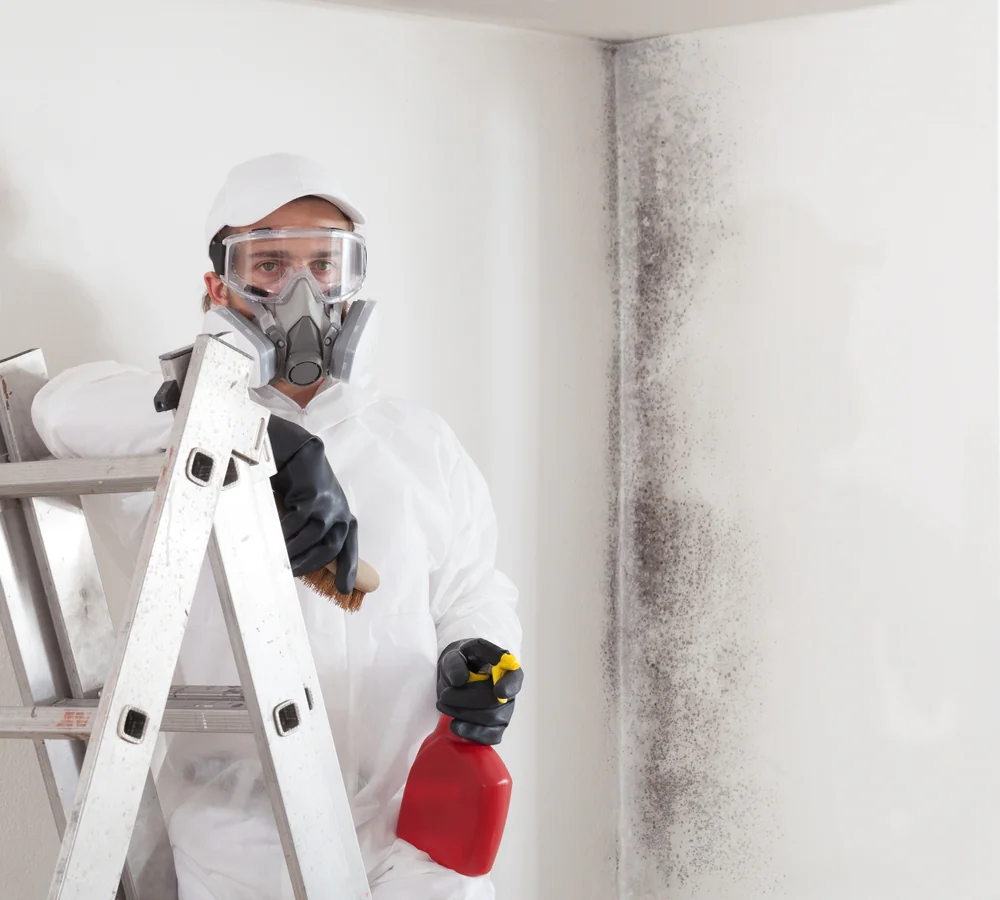
Professional mold testing costs money because it includes the things free inspections skip: lab-analyzed air samples, surface testing, moisture detection, and a written report from an independent inspector who doesn’t profit from selling you remediation.
You’re paying for accuracy. You’re paying for someone whose job is to find the truth, not to sell you a service. And you’re paying for documentation that holds up when you need it—whether that’s for insurance, a real estate transaction, or peace of mind.
The typical mold inspection cost for professional services in Pennsylvania ranges from $300 to $800, depending on the size of your home and the number of samples needed. That’s not pocket change. But it’s a fraction of what you’ll pay if you remediate the wrong areas, miss hidden mold, or let a problem escalate because a free inspection didn’t catch it.
Independent Testing vs. Remediation Company Testing
The best professional testing comes from independent inspectors who don’t also do remediation. That separation eliminates the conflict of interest. Their only job is to tell you what’s actually happening in your home.
Some states require this separation by law. Pennsylvania doesn’t. That means it’s up to you to ask the question: does your company also do mold removal? If the answer is yes, that doesn’t automatically mean they’re dishonest. But it does mean you should understand what you’re getting and whether the recommendations are truly objective.
Independent inspectors use the same tools and labs as remediation companies, but their recommendations aren’t tied to their paycheck. They’ll tell you if the problem is minor and you can handle it yourself. They’ll tell you if you need a plumber before you need a mold guy. They’ll prioritize fixing the moisture source over ripping out drywall.
When you hire an independent inspector, you’re buying objectivity. You’re buying someone who can look at your situation and say, “This isn’t urgent,” or “This needs attention now,” without worrying about whether that answer helps their bottom line. That’s worth paying for when you’re making decisions about your home and your family’s health.
The process typically includes a thorough visual inspection, air sampling in multiple rooms, surface sampling if visible mold is present, moisture detection using meters and thermal imaging, and lab analysis by an accredited third-party facility. You’ll get a written report that breaks down what was found, where it was found, what species are present, and what moisture conditions are contributing to the problem. That level of detail is what separates professional mold testing from free visual assessments.
When Professional Testing Makes Sense for Pennsylvania Homes
Professional testing makes sense when you can’t see the mold but you can smell it. When you’ve had water damage and want to confirm whether mold developed. When you’re buying or selling a home and need documentation. When someone in your house has unexplained respiratory symptoms that might be related to indoor air quality.
It also makes sense when you’ve already tried a free inspection and the results don’t add up. If a remediation company quotes you $10,000 to tear out your entire basement, getting an independent test for $500 might save you $9,500 if it turns out the problem is smaller than they claimed.
In Bucks County, PA specifically, professional testing is smart if you have an older home with a basement, if you’ve noticed water stains or efflorescence on foundation walls, if your HVAC system struggles with humidity control, or if you’ve had flooding or plumbing leaks in the past year. These are all situations where hidden mold is likely and where visual inspections miss the real problem.
Testing is also valuable after remediation is complete. Post-remediation testing confirms that the work was done correctly and that spore levels have returned to normal. Some homeowners skip this step to save money, then discover six months later that the mold is back because the remediation company didn’t address the moisture source. A $200 post-remediation test is cheaper than paying for the same remediation twice.
One more scenario where professional mold testing pays off: if you’re dealing with health symptoms that might be mold-related—chronic cough, sinus issues, headaches, fatigue—professional testing gives you data. It tells you whether your home’s air quality is actually the problem or whether you need to look elsewhere for answers. That’s information you can’t get from a free visual inspection, and it’s worth having before you spend thousands on remediation or medical bills.
Making the Right Choice for Your Home
Free mold assessments have their place. They’re a reasonable first step if you’re not sure whether you have a problem. They can confirm visible mold and give you a general sense of scope. But they’re not comprehensive, they’re not unbiased, and they’re not designed to give you the full picture.
Professional testing costs more, but it gives you accuracy, objectivity, and documentation. It finds hidden problems, identifies moisture sources, and provides the information you need to make smart decisions about remediation—or to confirm that you don’t need remediation at all.
If you’re in Bucks County, PA and you’re trying to figure out your next step, start by asking what you actually need to know. If you just want confirmation that the dark spot in your bathroom is mold, a free assessment might be enough. If you need to understand the extent of the problem, the species involved, and the moisture conditions causing it, professional testing is the way to go. And if you want help from a team that understands the local climate, uses EPA-approved methods, and offers both inspection and comprehensive mold services without the pressure, we’re available 24/7 to walk you through your options.