You’ve got a musty smell in the basement. Maybe you spotted discoloration on the bathroom ceiling. Or you’re buying a home in Bucks County, PA and want to know what you’re actually getting.
Now you’re wondering whether you need professional mold testing and what it’s going to cost. Here’s the reality: mold testing in Pennsylvania runs anywhere from $300 to over $1,000. But price alone doesn’t tell you much.
Some companies charge $200 and miss half the problem. Others quote $800 and include tests you don’t actually need. What matters is understanding what you’re paying for, what comprehensive testing actually catches, and whether it’ll solve your problem instead of creating a bigger one down the road.
What Affects Mold Testing Cost in Pennsylvania
The cost of mold testing isn’t random. Several specific factors determine what you’ll pay, and understanding them helps you evaluate quotes and spot red flags.
Your home’s size is the biggest factor. A 1,500 square foot home with two bedrooms requires fewer samples than a 4,000 square foot property with multiple levels and a finished basement. We typically see costs of $300 to $400 for smaller homes and $700 to $1,000 for larger properties in the Bucks County, PA area.
The number of samples collected directly impacts your bill. Each air sample runs $250 to $350. Surface samples cost $200 to $300. Lab analysis fees add another $30 to $100 per sample. If you need samples from five different rooms plus an outdoor control sample for comparison, those costs add up fast.
Testing method matters too. A basic visual inspection runs cheapest but might miss hidden problems. Comprehensive testing with air quality analysis, surface sampling, thermal imaging, and moisture mapping costs more upfront but catches the issues that cheaper options leave behind to grow.
How Property Size and Accessibility Drive Costs Higher
Square footage affects more than just sample count. Larger homes take longer to inspect thoroughly, and that time translates directly to cost. But it’s not just about size.
A standard inspection of a 2,000 square foot home takes about two hours. We check bathrooms, basements, attics, and anywhere with visible moisture or previous water damage. For a 4,500 square foot home with a finished basement, crawl space, and multiple bathrooms, that same thorough process can take four to six hours.
Accessibility creates costs that catch homeowners off guard. If mold is suspected behind walls or under flooring, we need specialized equipment to investigate without tearing your home apart. Thermal imaging cameras detect temperature differences that indicate hidden moisture. Moisture meters measure water content in drywall, wood framing, and concrete. These tools add value but also add expense to your quote.
Hard-to-reach areas require extra effort and time. Crawl spaces with limited clearance, attics with poor access, areas behind finished walls. Some situations require removing vents, cutting small inspection holes, or using specialized equipment to reach problem areas safely.
Pennsylvania’s older housing stock creates unique challenges that affect testing costs. Many Bucks County, PA homes built before the 1980s lack modern waterproofing. Stone and masonry foundations common in the region wick moisture straight from the ground. Finished basements hide problems behind drywall and drop ceilings. These factors mean Pennsylvania homes often require more thorough investigation than newer construction in drier climates.
The complexity of your home’s layout also matters. A simple ranch with one level and a straightforward floor plan costs less to inspect than a multi-level home with additions, multiple HVAC systems, and complicated drainage patterns. Each additional system or space that could harbor mold increases the inspection scope and the final bill.
Lab Fees and Testing Methods: What You’re Actually Paying For
Lab analysis is where many homeowners get hit with costs they didn’t expect. The samples we collect don’t provide answers on their own. They need analysis by a certified laboratory, and those lab fees are often separate from the inspection fee.
Standard air samples run through spore trap analysis cost $90 to $150 per sample at most accredited labs. The lab identifies mold species present and provides spore counts that get compared to normal outdoor levels. Most inspections require at least two indoor samples plus one outdoor control sample. That’s $270 to $450 in lab fees alone before you factor in inspection time and travel.
Surface samples analyzed for genus-level identification cost around $90 per sample. If you need species-level identification to determine whether you’re dealing with toxic mold varieties, expect to pay $270 per sample. That level of detail matters when you’re dealing with health concerns, need documentation for insurance claims, or you’re in the middle of a real estate transaction that hinges on test results.
ERMI testing takes a different approach entirely. Instead of air samples, it analyzes dust collected from your home using DNA-based technology. The Environmental Protection Agency developed this method to assess overall mold contamination by testing for 36 specific mold species. ERMI testing typically costs $200 to $500, with most providers charging around $290 for the basic test. It provides historical data about mold presence over time rather than just current airborne spore levels.
Rush processing adds fees when you need results faster than the standard turnaround. Most labs deliver results in three to five business days. If you need same-day or next-day results for a real estate closing deadline or an urgent health situation, expect to pay $100 to $200 extra for expedited processing.
Here’s what trips people up: some testing companies bundle lab fees into their quoted price. Others charge separately and the lab bill comes later. When comparing quotes, ask specifically what’s included. A $400 quote that includes inspection, sample collection, lab analysis, and a detailed report with remediation recommendations offers better value than a $300 quote that only covers the visual inspection with lab fees, travel fees, and report fees added separately.
The type of report you receive matters too. Basic lab results list mold species and spore counts. Comprehensive reports interpret those findings, explain health implications, compare indoor levels to outdoor baselines, identify moisture sources, and provide specific remediation recommendations. The difference in usefulness is significant, even if both options technically “test for mold.”
ERMI Testing for Mold: When It’s Worth the Cost
ERMI testing represents a fundamentally different approach to mold assessment. Understanding when it’s worth the cost helps you avoid paying for testing that won’t answer your specific questions.
The Environmental Relative Moldiness Index analyzes dust samples rather than air samples. You collect dust from carpets or surfaces using a special cloth or vacuum method, then send it to a lab for DNA-based analysis. The lab tests for 36 specific mold species and generates a score that indicates your home’s mold burden compared to a national database of tested homes.
ERMI testing costs $200 to $500 depending on the provider and how fast you need results. Most homeowners pay around $290 for standard processing. The test provides a historical picture of mold exposure because dust accumulates over time, capturing spores that may not currently be floating in the air.
The method has real advantages in specific situations. It detects mold species like Stachybotrys (black mold) that don’t readily release spores into the air. It provides data about long-term exposure rather than just what’s happening on the day of testing. But it can’t pinpoint where mold is actively growing or distinguish between current problems and past issues that have been resolved.
When ERMI Testing Actually Provides Value
ERMI testing makes sense in specific situations where its strengths align with what you actually need to know. Understanding those situations helps you avoid paying for testing that won’t solve your problem.
If you’re experiencing unexplained health symptoms but can’t find visible mold anywhere, ERMI testing can confirm whether your home has elevated mold levels overall. The dust analysis catches mold that traditional air sampling might miss, especially species that don’t readily become airborne even when they’re actively growing.
Post-remediation verification is another strong use case. After professional mold removal, ERMI testing can confirm that contamination levels have dropped to acceptable ranges. The historical nature of dust sampling means you’re getting data about what’s been accumulating since remediation, not just what happens to be in the air on testing day.
For Bucks County, PA homes with a history of water damage, flooding, or chronic moisture problems, ERMI testing reveals whether past issues left behind mold contamination. Even if the leak has been fixed and everything looks dry now, mold may still be present in wall cavities, under flooring, or in other hidden spaces that standard air testing might miss.
Real estate transactions sometimes benefit from ERMI testing, particularly when buying older homes or properties with disclosed water damage history. The comprehensive nature of testing 36 mold species provides detailed documentation that supports price negotiation or helps you decide whether to walk away from a deal entirely.
However, ERMI testing has real limitations that make it less useful in other common situations. If you have visible mold growth on your bathroom ceiling or basement walls, you don’t need expensive testing to confirm mold is present. You need to know the extent of the problem, what’s causing it, and how to fix it permanently. Standard inspection with targeted sampling provides more actionable information for active problems.
ERMI testing also can’t tell you where mold is growing. The dust sample might show elevated levels of certain mold species, but you’ll still need a visual inspection and moisture assessment to locate the actual source. For active leaks or obvious moisture problems, standard testing methods provide more useful guidance for remediation that actually works.
The composite sampling method used in standard ERMI protocols combines dust from multiple rooms into one sample. This reduces cost but makes it impossible to identify which specific areas have problems. If you need room-by-room data to guide targeted remediation, you’ll either need multiple ERMI tests at $290 each or different testing methods that provide location-specific information.
Black Mold Test Costs: What the Premium Actually Buys
Black mold testing often comes with higher price tags, but understanding what that premium actually buys helps you evaluate whether it’s justified or just scare tactics.
Testing specifically for Stachybotrys chartarum (the mold commonly called “black mold”) typically runs $500 to $800. The higher cost reflects additional safety precautions, specialized sampling methods, and more detailed lab analysis. We use more protective equipment when collecting samples from suspected toxic mold growth. Lab analysis includes species-level identification to confirm whether you’re actually dealing with Stachybotrys or just one of many other dark-colored molds.
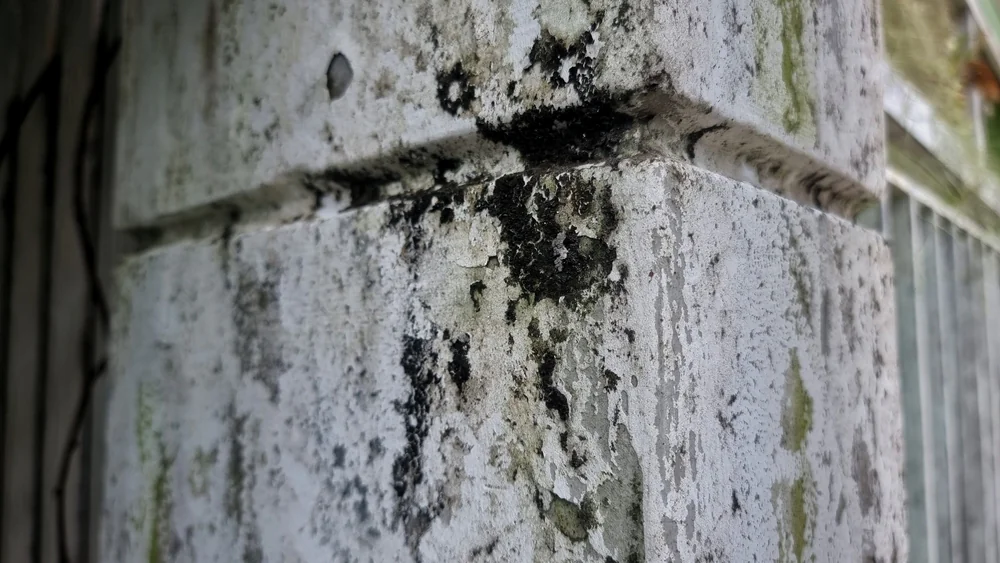
Here’s what most homeowners don’t realize: the color of mold doesn’t determine its toxicity. “Black mold” has become a catch-all term that creates fear and confusion. Many molds appear black, green, or dark gray. Some are problematic. Others aren’t. What actually matters is the species and concentration, not whether it looks scary.
Professional testing identifies the actual mold species present. Stachybotrys is one of several molds that can produce mycotoxins under certain conditions. But Aspergillus, Penicillium, and other species can also cause serious health problems. Focusing solely on “black mold” can mean missing other concerning contamination that’s just as problematic.
The testing process for suspected black mold includes visual inspection, moisture assessment, air sampling, and surface sampling. We document the extent of visible growth, identify moisture sources feeding the problem, and collect samples for laboratory analysis. The lab report identifies mold species down to the genus and species level, provides spore counts, and compares indoor levels to outdoor baselines to determine if you have a real problem or just normal environmental mold.
Most reputable testing companies charge the same rate regardless of mold color because the actual testing process is identical. If a company quotes significantly higher prices specifically for “black mold testing” without explaining what additional services that includes, that’s often a red flag for scare tactics designed to inflate your bill.
What does justify higher costs is the extent of contamination. If black mold or any mold species has spread extensively throughout your home, testing requires more samples from more locations. A small patch of mold in one bathroom might need two samples total. Widespread growth affecting multiple rooms, HVAC systems, or structural components requires comprehensive sampling that naturally costs more but provides the information needed for effective remediation.
The real value in professional testing isn’t confirming that the black stuff growing on your wall is mold. It’s identifying what species you’re dealing with, how extensively it’s spread, what moisture problem is feeding it, and what remediation approach will actually solve the problem permanently. That information guides effective remediation and prevents recurring issues that cost thousands more than proper testing ever would.
Getting Mold Testing That’s Worth the Investment
Mold testing costs in Pennsylvania range from $300 to over $1,000, but the right investment depends entirely on your specific situation. Small homes with isolated concerns need less extensive testing than large properties with multiple problem areas, chronic moisture issues, or Pennsylvania’s common basement humidity challenges.
What matters most is getting testing comprehensive enough to actually identify the problem and its source. Cheap testing that misses hidden mold or fails to identify the moisture causes creates recurring problems that cost far more than proper testing would have cost upfront. Comprehensive testing that includes visual inspection, moisture assessment, and appropriate sampling provides actionable information that guides effective remediation instead of temporary fixes.
When you’re ready to get real answers about potential mold in your Bucks County, PA home, we provide professional testing with transparent pricing, advanced equipment, and no-pressure consultations. The right testing approach protects your family’s health and your property investment without paying for services you don’t actually need.