You found the house. The kitchen’s updated, the school district checks out, and your offer just got accepted. Then your buddy mentions mold inspections, and suddenly you’re wondering if you’re about to inherit someone else’s nightmare.
Here’s the thing: a standard home inspection won’t catch what’s growing behind your walls or under your floors. And in Bucks County, where we get 49 inches of rain a year and humidity that makes basements feel like saunas, mold isn’t a maybe—it’s a when.
This isn’t about scaring you out of a deal. It’s about making sure you know exactly what you’re buying before you sign. Let’s talk about what a mold inspection actually does and why skipping it could cost you thousands.
What Does a Mold Inspection Actually Find That Your Home Inspector Misses
Your home inspector is looking at the big picture. Roof, foundation, electrical, plumbing. They’re checking if the house is structurally sound and safe to live in. That’s valuable, but it’s not the same as a mold inspection.
Most home inspectors will point out obvious water damage or visible mold if they see it. But they’re not pulling back drywall. They’re not testing air quality in your crawl space. And they’re definitely not using thermal imaging to find moisture hiding inside your walls.
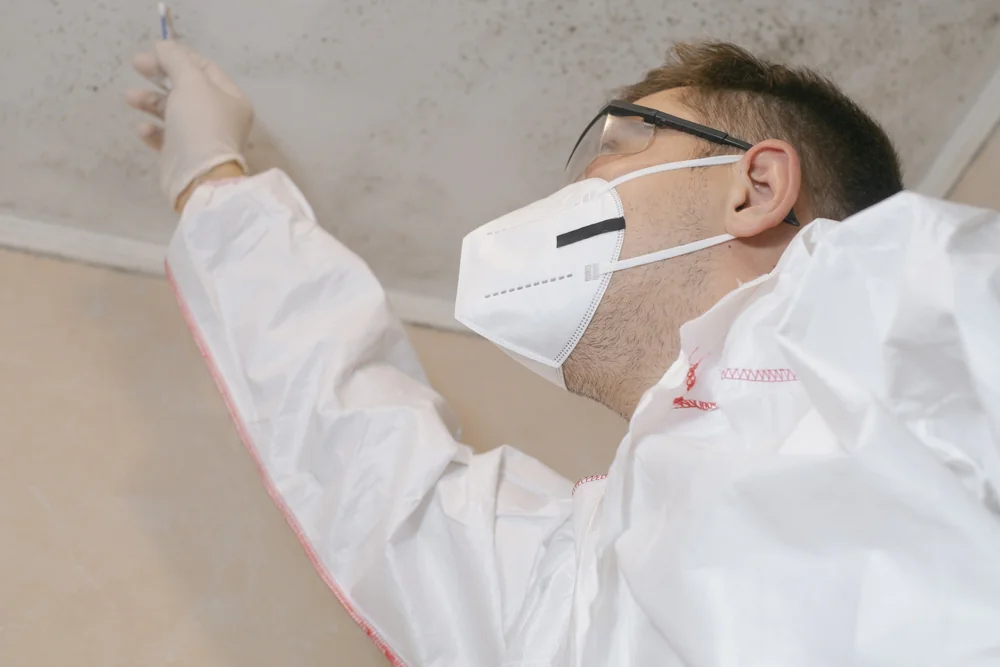
A professional mold inspection goes deeper. It’s focused specifically on finding mold growth, identifying the type of mold present, and tracking down the moisture source that’s feeding it. That means checking places you’d never think to look and using equipment that reveals problems invisible to the naked eye.
Where Mold Hides in Bucks County Homes and Why Standard Inspections Miss It
Mold doesn’t grow where you can see it. It thrives in dark, damp spaces that most people never check until there’s already a problem. In Bucks County homes, that usually means basements, crawl spaces, attics, and inside HVAC systems.
Your basement might look dry on the surface, but moisture can be seeping through foundation cracks or building up from poor drainage outside. Crawl spaces are even worse—they’re out of sight and often poorly ventilated, creating perfect conditions for mold to spread undetected. Attics can trap condensation, especially during our humid summers, and that moisture feeds mold growth on insulation and wood framing.
Then there’s your HVAC system. If there’s mold in your ductwork, it’s circulating spores through every room in the house. You won’t see it, but you’ll breathe it. That’s the kind of thing a standard home inspection isn’t designed to catch.
A mold inspector uses moisture meters to detect hidden water problems. They use thermal imaging cameras to spot temperature differences that signal moisture buildup behind walls. They take air samples to measure spore levels and surface samples to identify specific mold types. This level of detail tells you not just if there’s mold, but how bad it is and what it’ll take to fix it.
In older Bucks County homes—and we’ve got plenty of those—the risk is even higher. Aging foundations, outdated waterproofing, and decades of humidity exposure create conditions where mold can establish itself deep in the structure. By the time you notice a musty smell or see visible growth, the problem is usually much bigger than it appears.
The Real Cost of Skipping a Mold Inspection Before You Buy
Let’s talk money. A mold inspection typically costs a few hundred dollars. Mold remediation, on the other hand, averages around $2,364 for most projects. But if the problem is severe—think widespread basement contamination or mold throughout your HVAC system—you could be looking at $10,000 to $30,000 or more.
Now imagine discovering that problem three months after closing. You’ve already moved in. Your earnest money is gone. The seller has moved on. And you’re stuck with a bill that could have been negotiated into the sale price or fixed before you ever signed.
Here’s what makes it worse: untreated mold can drop your home’s value by 20% to 37%. That’s not a small dip. On a $400,000 house, you could lose $80,000 to $148,000 in equity just because mold is present. Even after remediation, there’s often a stigma discount of about 3%, meaning buyers will lowball you when it’s time to sell.
But here’s the flip side. Sellers who spend $7,500 on professional remediation before listing often recover nearly $20,000 more in resale value compared to those who just drop the price and leave the mold for the buyer. That tells you two things: mold is fixable, and buyers will pay more for a house they know is clean.
If you’re the buyer and you catch mold during your inspection period, you have options. You can ask the seller to fix it before closing. You can negotiate a lower purchase price to cover remediation costs. Or, if the problem is too severe, you can walk away and keep your deposit. None of those options exist if you skip the inspection and find mold after closing.
There’s also the health angle. Mold exposure can trigger respiratory issues, worsen asthma, and cause allergic reactions. If you have kids, elderly family members, or anyone with a compromised immune system living with you, the health risks multiply. A few hundred dollars for an inspection is a lot cheaper than ongoing medical bills or the stress of living in a home that makes your family sick.
How Bucks County’s Climate Makes Mold Inspection Even More Critical
Bucks County isn’t Phoenix. We get rain—a lot of it. Nearly 50 inches a year, which is well above the national average. Add in humid summers where the air feels thick enough to swim through, and you’ve got the perfect recipe for mold growth.
Basements here are especially vulnerable. Older homes were built with foundations that weren’t designed to handle the kind of moisture we see today. Water seeps through cracks, hydrostatic pressure pushes moisture through concrete, and poor drainage systems let water pool around your foundation instead of directing it away.
Even newer homes aren’t immune. If the grading around your house isn’t right, or if your gutters are clogged, water finds its way in. And once it does, mold can start growing within 24 to 48 hours.
What Pennsylvania Law Says About Mold and Seller Disclosures
Pennsylvania requires sellers to disclose known material defects to prospective buyers. Mold qualifies as a material defect when it affects habitability, structure, health, or property value. That means if a seller knows there’s mold in the house, they’re legally required to tell you.
But here’s the catch: they only have to disclose what they know. If they haven’t looked for mold, they can honestly say they’re not aware of any issues. That’s why the responsibility falls on you as the buyer to do your due diligence.
If a seller hides mold and you discover it after closing, you do have legal recourse. Pennsylvania law allows buyers to recover the cost of repairs, legal fees, and sometimes additional damages. But lawsuits are expensive, time-consuming, and stressful. It’s a lot easier to catch the problem before you close.
Real estate agents and appraisers in Pennsylvania also have a duty to disclose any signs of mold they’re aware of. But again, they’re not mold experts. They might spot obvious water stains or a musty smell, but they’re not going to find hidden growth behind drywall or in your crawl space.
A professional mold inspection removes the guesswork. It gives you documentation of the property’s condition, which protects you legally and financially. If the inspection comes back clean, you have peace of mind. If it reveals mold, you have leverage to negotiate or walk away.
Transparency is your best protection. Sellers who disclose mold upfront and provide documentation of professional remediation are much more likely to close deals successfully. Buyers appreciate honesty, and they’re willing to move forward when they know the problem has been properly addressed.
When Mold Becomes a Deal-Breaker and When It’s Just a Negotiation Tool
Not all mold is created equal. Finding a small patch of surface mold on a bathroom tile is very different from discovering black mold throughout your basement or HVAC system. The key is understanding the severity, the type of mold, and what it’ll take to fix it.
Surface mold on non-porous materials like tile or glass can usually be cleaned with antimicrobial cleaners. It’s not ideal, but it’s not a disaster either. You can negotiate a small credit or ask the seller to clean it before closing.
Mold on porous materials like drywall, insulation, or carpet is a bigger problem. These materials absorb moisture, and once mold takes hold, you can’t just clean it off. The contaminated materials have to be removed and replaced. That drives up the cost and complexity of remediation.
Then there’s the question of what caused the mold in the first place. If it’s from a one-time event like a burst pipe that’s already been fixed, remediation might be straightforward. But if the mold is there because of ongoing moisture issues—like poor drainage, foundation cracks, or high humidity—you’re looking at a bigger fix. You’ll need to address the root cause, not just the mold itself, or it’ll come back.
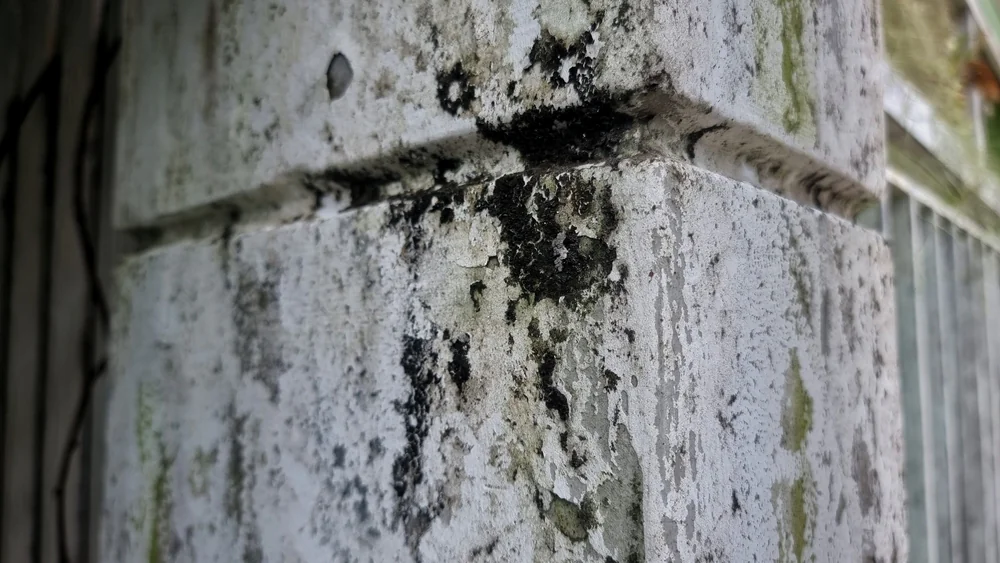
Black mold, also known as Stachybotrys, is one of the more concerning types. It typically shows up after prolonged water exposure and can pose health risks. If your inspection reveals black mold, that’s a red flag that there’s been significant moisture intrusion over time. It’s fixable, but it requires professional remediation and a thorough investigation of the moisture source.
So when does mold become a deal-breaker? If the contamination is extensive, if remediation costs are astronomical, or if the underlying moisture problem is tied to major structural issues like foundation failure, you might decide to walk away. That’s especially true if you’re a move-in-ready buyer who doesn’t want to deal with a major renovation before you’ve even unpacked.
But in many cases, mold is negotiable. You can ask the seller to handle remediation before closing and provide documentation of the work. You can negotiate a lower purchase price to cover your costs. Or you can request a credit at closing that you’ll use to hire your own remediation company. The inspection gives you the information you need to make that call.
Health considerations also play a role. If you or a family member has severe mold allergies, asthma, or a compromised immune system, even a properly remediated home might not be suitable. Your family’s health is more important than any real estate deal.
Making the Smart Move Before You Close on Your Bucks County Home
A mold inspection isn’t a luxury. It’s a smart investment that protects your money, your health, and your peace of mind. For a few hundred dollars, you get a clear picture of what you’re buying and the leverage to negotiate if problems show up.
Bucks County’s climate makes mold a real risk, not a hypothetical one. Humid summers, heavy rainfall, older homes, and damp basements create conditions where mold thrives. A standard home inspection won’t dig deep enough to catch it.
If you’re serious about protecting your investment, schedule a professional mold inspection during your due diligence period. If the results come back clean, you can move forward with confidence. If they reveal mold, you’ll have the information you need to make the right decision for your family and your finances. We provide free inspections with clear, upfront pricing and help Bucks County home buyers navigate the process without pressure or surprises.