
Hear from Our Customers
You’ve noticed the smell. Maybe some discoloration on the wall or ceiling. Or your allergies have been worse since you moved in. Whatever brought you here, you’re smart to take it seriously.
Mold doesn’t announce itself until it’s already a problem. By the time you see it, there’s usually more hiding where you can’t. That’s where professional mold testing comes in not to scare you, but to give you real answers.
We collect samples from the air and surfaces in your home, send them to a certified lab, and get back detailed results that tell you exactly what type of mold you’re dealing with and how much of it is there. Then we map out where the moisture is coming from, because mold is always a symptom of a bigger issue. You’ll walk away knowing what needs to happen next no guessing, no panic, just a plan.
Mack’s Mold Removal has been handling mold issues in the Philadelphia area for nearly 30 years. We’re not a franchise following a script. We’re a local team that understands how Washington Square West homes are built and why they’re so vulnerable to moisture problems.
Row houses, old brownstones, historic construction it’s beautiful, but it wasn’t designed with modern ventilation or waterproofing in mind. Add in Philadelphia’s humid summers and aging plumbing, and you’ve got the perfect recipe for mold growth. We’ve seen it all, and we know how to fix it right.
Our team is EPA and IICRC certified. We use thermal imaging, moisture meters, and lab analysis to do the job correctly the first time. And we back our work with a one-year warranty against mold regrowth.
First, we walk through your property and talk about what you’ve noticed odors, visible growth, health symptoms, water damage, whatever’s going on. We’re not there to sell you something you don’t need. We’re there to figure out what’s actually happening.
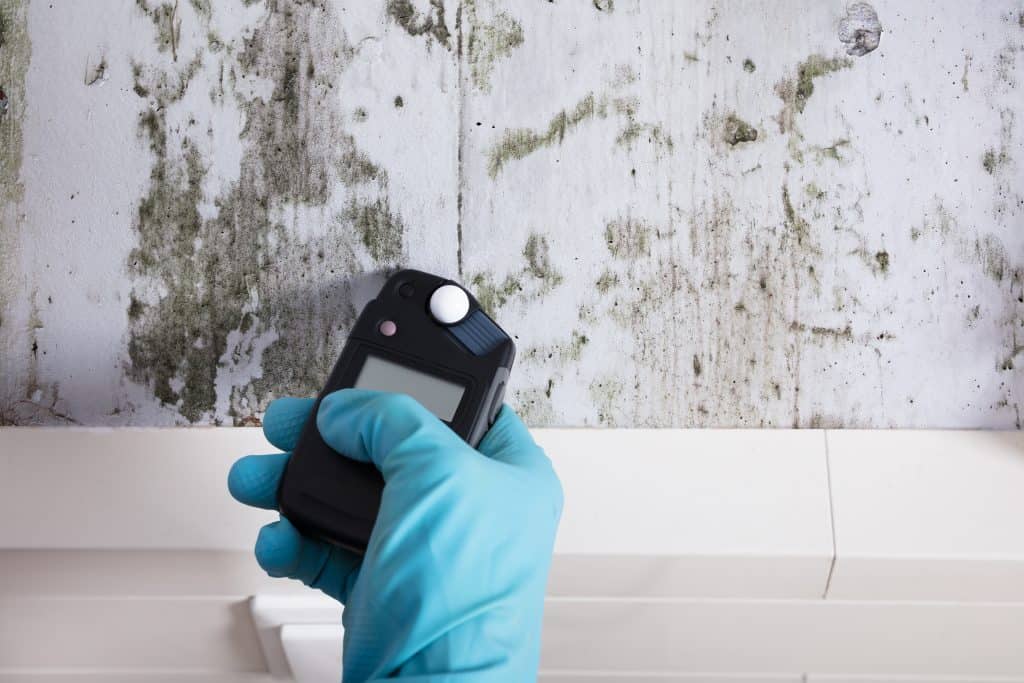
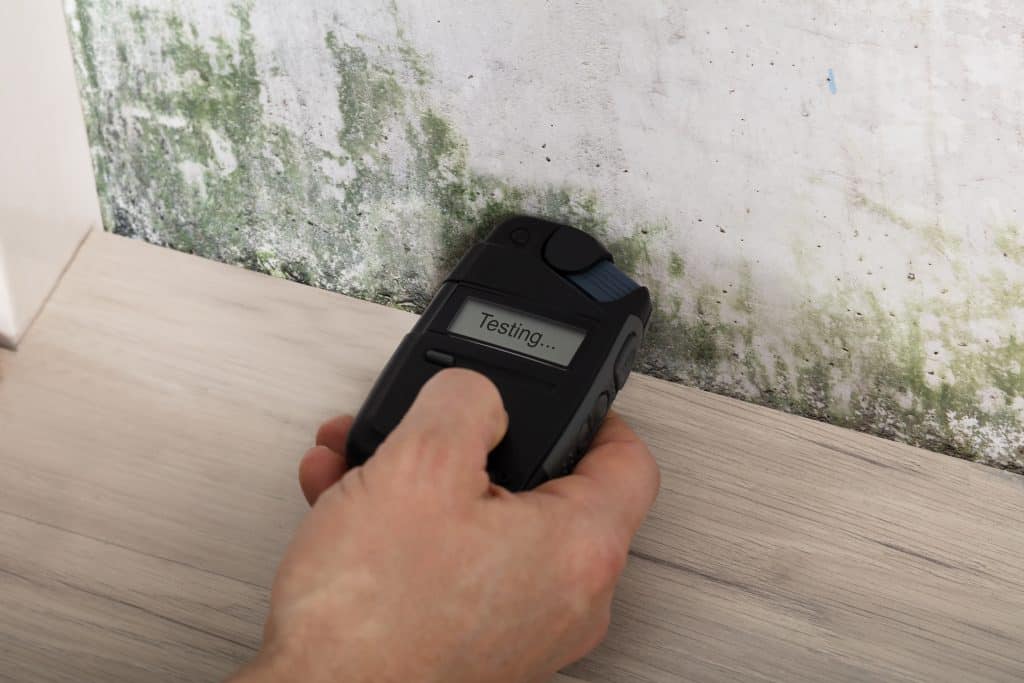
Next, we use moisture meters and thermal imaging to find hidden water sources. Mold doesn’t grow without moisture, so if we don’t find the leak or condensation issue, we’re just putting a band-aid on it. We check behind walls, under sinks, around HVAC systems, in crawl spaces anywhere water likes to hide.
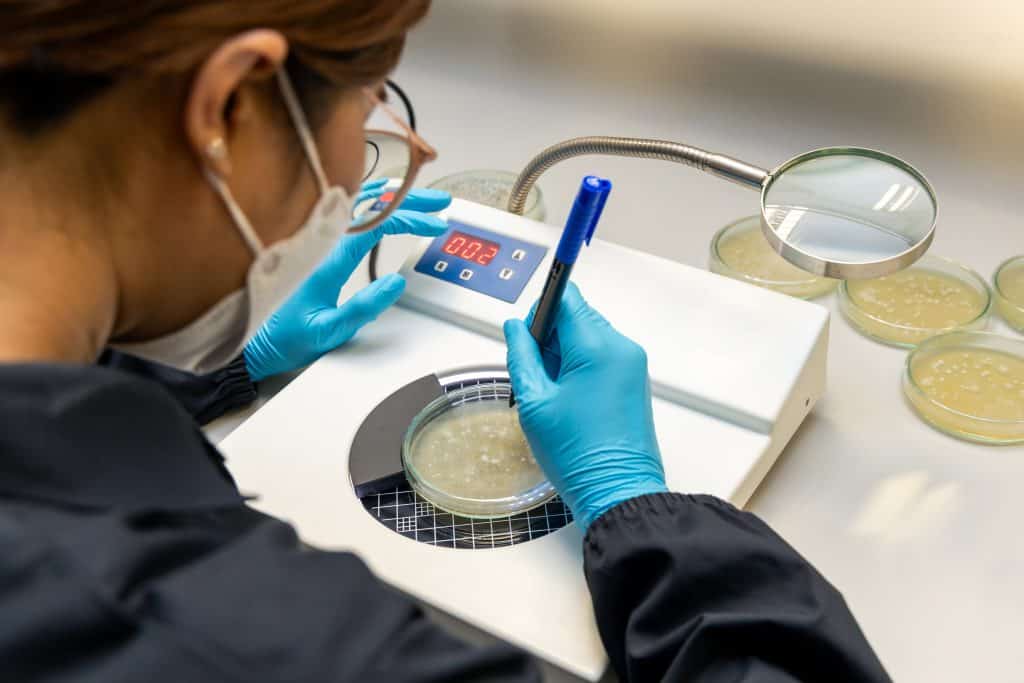
Then we collect air and surface samples using specialized equipment. Those samples go to an accredited lab for analysis. Within a few days, you’ll get a report that tells you what species of mold are present, the concentration levels, and whether they pose a health risk. We’ll walk you through the results in plain language and give you a clear remediation plan if one’s needed. If the levels are normal, we’ll tell you that too.

Ready to get started?
You’re not just paying for someone to show up with a swab. You’re getting a full diagnostic that covers air quality, moisture intrusion, HVAC contamination, and hidden growth areas.
We test the air in multiple rooms to measure spore counts. We take surface samples from suspected problem areas. We inspect your HVAC system, because that’s where mold loves to spread throughout your home without you ever seeing it. And we document everything with photos, moisture readings, and thermal images so you have a complete record for insurance or real estate purposes.
Washington Square West properties are especially prone to basement moisture, old cast iron plumbing leaks, and poor attic ventilation. We’ve worked in hundreds of these homes, and we know where to look. That local experience matters when you’re trying to track down a hidden water source in a 100-year-old building.
You’ll get a written report with lab results, our findings, and specific recommendations. If remediation is needed, we’ll give you a detailed scope of work. If it’s not, we’ll tell you how to prevent problems down the road. Either way, you’ll know exactly where you stand.
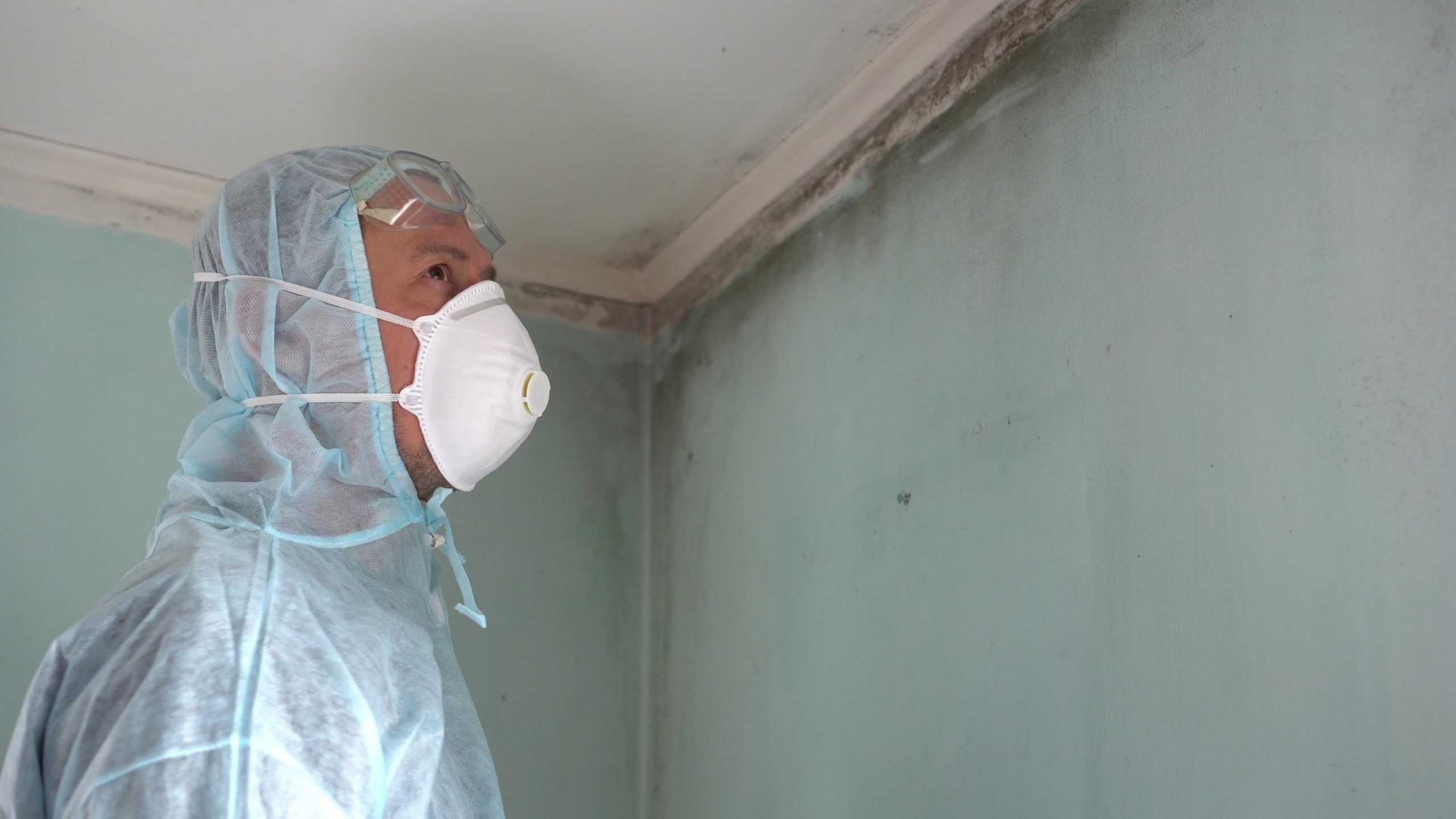
The inspection itself usually takes one to two hours depending on the size of your property and how many areas we’re testing. We’re not rushing through it we’re checking every potential problem zone, taking samples carefully, and documenting what we find.
Once we collect the samples, they go to the lab within 24 hours. Lab analysis typically takes three to five business days. You’ll get a full report with the species identified, concentration levels, and our interpretation of what it means for your home.
If you’re dealing with an urgent situation like a real estate transaction that’s about to fall through or a serious health concern we can request expedited lab processing. That cuts the turnaround time down to 24 to 48 hours, though there’s usually an additional fee from the lab for that service.
You can, but here’s the problem: those kits only tell you that mold is present. They don’t tell you what kind, how much, or where it’s coming from. And here’s the thing mold spores are everywhere. A home test will almost always come back positive because it’s detecting background levels that exist in every building.
What you actually need to know is whether the mold levels in your home are elevated compared to outdoor air, what species you’re dealing with, and whether it’s toxic. You also need to find the moisture source, or you’re just going to have the same problem again in six months.
Professional mold testing uses calibrated equipment, controlled sampling methods, and accredited lab analysis. We’re comparing indoor air to outdoor air, testing multiple locations, and using our experience to interpret the results in context. A $30 kit from the hardware store can’t do that. It’s like using a thermometer to diagnose why your car is overheating it might confirm there’s a problem, but it won’t tell you what’s broken.
The most common types we find are Aspergillus, Penicillium, and Cladosporium. These are pretty standard indoor molds that grow when humidity levels stay above 60% for extended periods. They’re not usually toxic, but they can still trigger allergies and respiratory issues, especially in kids or anyone with asthma.
Stachybotrys the infamous “black mold” shows up less frequently, but when it does, it’s usually in areas with chronic water damage like basements, behind walls with slow leaks, or in attics with roof leaks. Stachybotrys needs really wet conditions to grow, so if we find it, that tells us there’s been standing water or serious moisture intrusion for a while.
In Washington Square West specifically, we see a lot of mold growth related to old plumbing, foundation seepage, and poor ventilation in historic buildings. The row house design means shared walls and limited airflow, which creates perfect conditions for mold when moisture gets trapped. That’s why testing is so important here you need to know if what you’re seeing is surface-level or if it’s a sign of a deeper structural issue.
Yes, if we include HVAC inspection as part of the testing process and we almost always do. Your heating and cooling system is one of the most common ways mold spreads through a home without anyone noticing. Spores get pulled into the return vents, settle in the ductwork or on the coils, and then get blown into every room whenever the system runs.
We’ll inspect the air handler, check the condensate drain pan for standing water, look at the evaporator coils, and take samples from inside the ducts if we see visible growth or smell that musty odor. If the system is contaminated, it needs to be cleaned professionally before we remediate the rest of the house otherwise you’re just recirculating spores.
This is especially important in older Philadelphia homes where HVAC systems were added later and the ductwork wasn’t designed with mold prevention in mind. We’ve seen systems that haven’t been cleaned in 20 years. If your allergies get worse when the heat or AC kicks on, that’s a red flag that something’s growing in there.
Most residential mold inspections in this area run between $400 and $800 depending on the size of your home and how many samples we’re collecting. A typical rowhome or condo inspection with air sampling, surface testing, moisture mapping, and a lab report usually falls around $500 to $600.
If you need additional services like HVAC system inspection, crawl space access, or testing multiple floors in a larger property the cost goes up from there. Expedited lab results also add to the price. But you’re getting certified analysis, professional-grade equipment, and a detailed report you can use for insurance claims or real estate documentation.
Here’s the reality: if you skip testing and just start ripping out drywall or spraying bleach on visible mold, you’re probably going to spend more money fixing the wrong problem. Testing gives you a roadmap. It tells you whether you’re dealing with a $1,500 issue or a $15,000 issue, and it makes sure you’re addressing the actual source of the problem instead of just treating symptoms. That’s worth the investment.
No, you don’t need to leave. Mold testing is non-invasive and doesn’t involve any chemicals or demolition. We’re collecting air samples, taking swabs, using moisture meters, and documenting what we see. You’re welcome to stay and follow along, and most people do because they want to see what we’re finding in real time.
That said, if you have severe mold allergies or respiratory issues, you might want to step out while we’re disturbing areas where mold is visible like pulling back carpet or moving furniture away from walls. That can temporarily stir up spores. But it’s a short-term thing, and we’re not doing anything that makes the air quality worse than it already is.
Once testing is done, there’s no downtime. You can go about your day normally while we wait for lab results. If we do end up recommending remediation based on what the lab finds, that’s a different story depending on the scope of work, you might need to stay elsewhere for a few days. But the testing itself? You’re fine to be home.
Other Services we provide in Washington Square West