
Hear from Our Customers
You spend 90% of your time indoors. If something’s wrong with your air, you’re breathing it constantly—while you sleep, while your kids play, while you’re trying to figure out why everyone’s coughing more than usual.
A home air quality test gives you actual data. Not a hunch. Not a DIY kit that tells you mold exists somewhere in America. You get lab results that show what’s in your air, at what concentration, and whether it’s something that needs attention now or just monitoring.
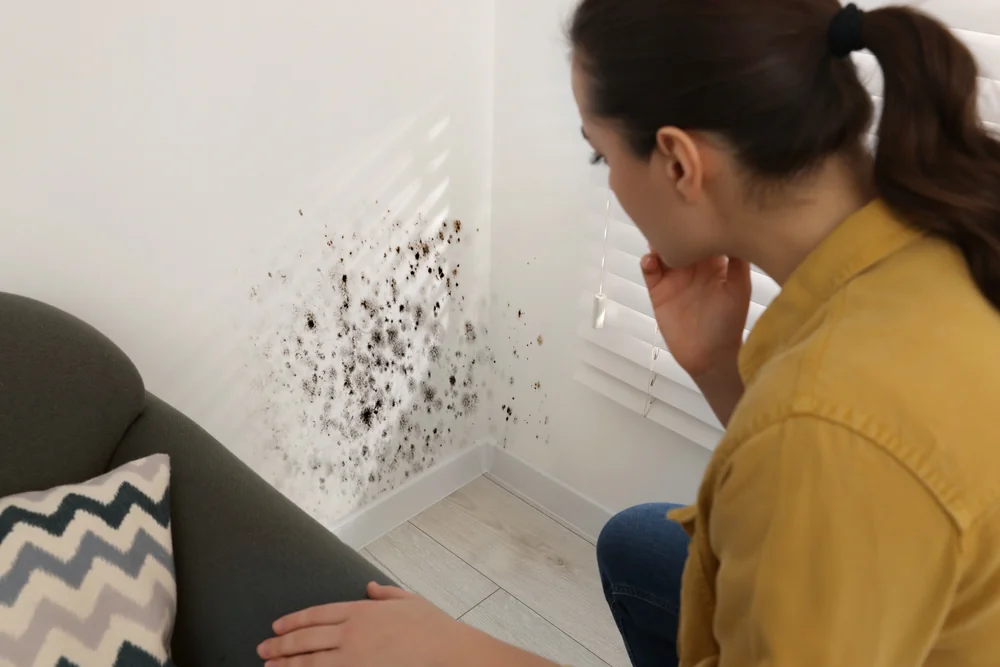
Indoor air quality testing catches problems early. Mold doesn’t announce itself until it’s already spread. Allergens build up silently. VOCs from building materials or cleaning products don’t have a smell until levels get high. Testing finds these issues before they become expensive repairs or ongoing health concerns.
If you’re dealing with unexplained allergies, respiratory irritation, or musty odors you can’t locate, you’re not overreacting. You’re noticing something real. Air quality testing confirms what’s happening and gives you a clear path forward.
We serve homeowners throughout Washington Square West and the surrounding Bucks County area with professional air quality testing that actually means something. We’re not running a scare campaign. We’re giving you certified lab analysis so you can make informed decisions about your property.
Washington Square West homes face specific challenges. The humidity, the age of many properties, the way historic buildings were constructed—it all creates conditions where mold and air quality issues develop quietly. We know what to look for because we’ve been doing this work locally for years.
Our testing process uses calibrated equipment and certified laboratories. You get documentation you can use for insurance claims, real estate transactions, or just peace of mind. We’re not here to sell you services you don’t need. We’re here to tell you what’s actually happening in your home.
We start with a visual inspection of your property. This isn’t just walking through rooms. We’re checking areas where moisture accumulates—basements, crawl spaces, around windows, near HVAC systems. We use moisture meters and infrared cameras to find problems you can’t see.
Then we collect air samples. We set up equipment that pulls air through collection devices, capturing particles and spores. We take samples from multiple locations in your home and compare them to outdoor air as a baseline. This tells us if your indoor air quality is worse than what’s naturally occurring outside.
Samples go to a certified lab for analysis. You’re not getting results from a color-changing strip. You’re getting a report that identifies specific mold species, spore concentrations, and other contaminants. The lab breaks down what’s present and at what levels.
We review the results with you in plain language. If there’s a problem, we explain what it means and what your options are. If your air quality is fine, we tell you that too. The goal is clarity, not drama.
Ready to get started?
Every residential air quality testing appointment includes a full visual assessment of your property. We’re looking at the spaces where problems typically develop in Washington Square West homes—older basements with stone foundations, areas with poor ventilation, rooms where humidity tends to be higher.
You get moisture readings throughout your home. High moisture doesn’t always mean visible water damage. It means conditions where mold can grow. We document these readings room by room so you know exactly where your property is vulnerable.
Air sampling captures what’s actually circulating through your home. We collect samples from problem areas and from spaces where you spend the most time. The lab analysis identifies mold species by name—not just “mold detected.” Some species are more concerning than others. You need to know which one you’re dealing with.
The final report includes everything the lab found, our interpretation of what it means for your specific situation, and recommendations if action is needed. Philadelphia’s climate creates year-round moisture challenges. Homes here need monitoring, especially older properties where building materials and construction methods make them more susceptible to air quality issues.
If testing reveals contamination, we can discuss remediation. But testing comes first. You can’t fix what you haven’t accurately identified.
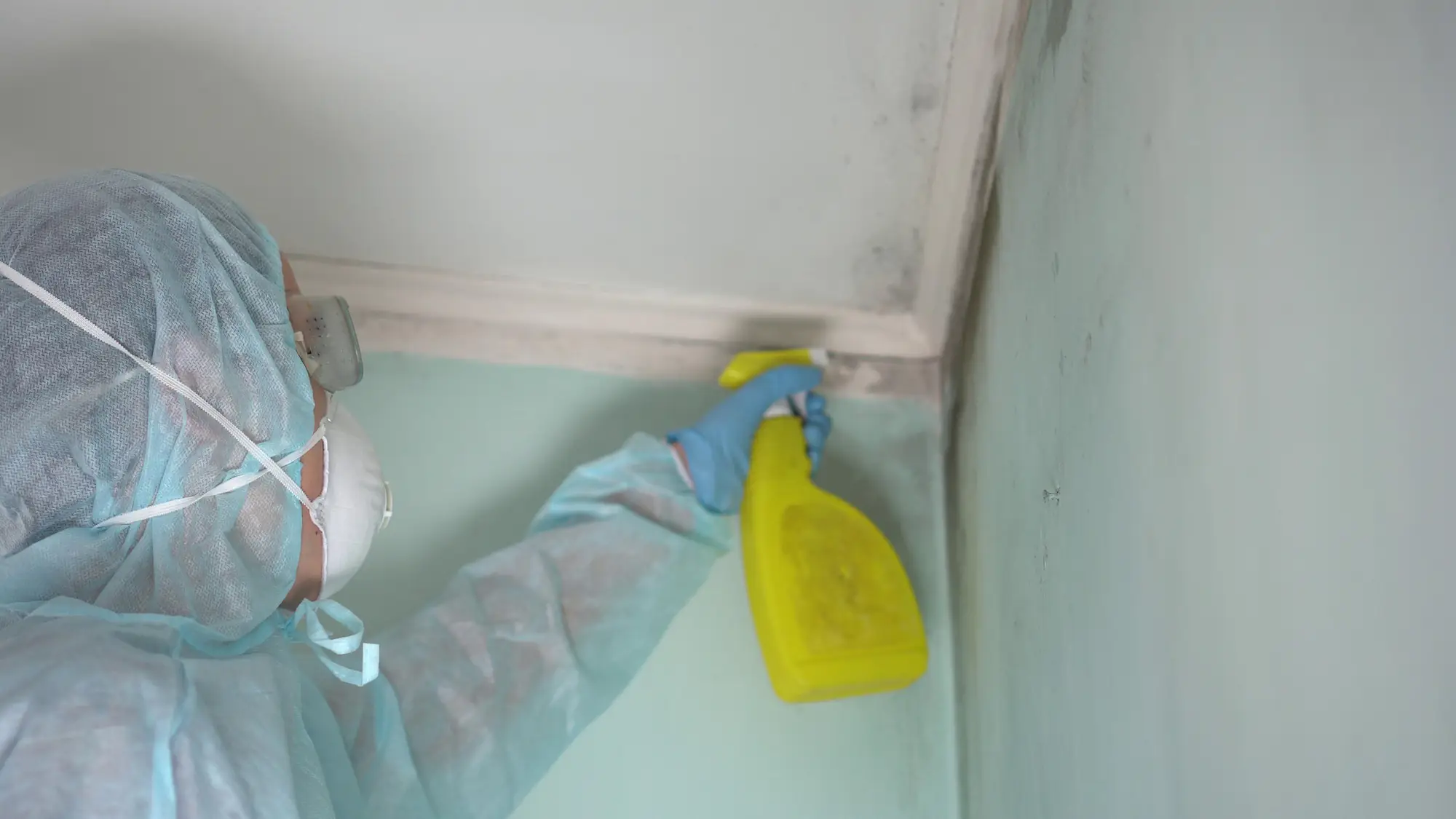
Most homeowners in Washington Square West pay between $400 and $900 for complete air quality testing, depending on the size of the property and how many samples are needed. That includes the inspection, sample collection, lab analysis, and a detailed report.
It’s not cheap. But compare that to mold remediation costs, which run $3,000 to $20,000 when problems spread. Or compare it to months of unexplained medical bills trying to figure out why everyone in your house has respiratory issues.
We offer free initial inspections. If you’re not sure whether testing is necessary, we can assess your property first and give you an honest recommendation. Some situations clearly need testing. Others don’t. We’ll tell you which category you’re in before you spend anything.
DIY kits tell you mold exists. Professional air quality testing tells you what type of mold, how much, and whether it’s a problem.
Most DIY kits work by exposing a petri dish to air and seeing what grows. The issue is that mold spores are everywhere. You’ll almost always get growth. But that doesn’t tell you if you have a contamination issue or just normal background levels.
Professional testing uses calibrated air sampling equipment and certified lab analysis. The lab identifies specific species and measures spore concentrations. They compare your indoor levels to outdoor baseline readings. This tells you if your home has elevated contamination or if what you’re seeing is normal environmental mold that exists in every building.
You also can’t use DIY results for insurance claims or real estate transactions. Those require professional documentation from certified labs. If you need testing for any official purpose, DIY kits won’t meet the requirement.
Lab results typically come back in 3 to 5 business days. Some labs offer rush processing for an additional fee if you’re in a time-sensitive situation—like a real estate closing or an urgent health concern.
The testing appointment itself takes 1 to 2 hours depending on your property size. We’re collecting samples, taking moisture readings, and documenting conditions throughout your home. We don’t rush this. Accurate sampling requires proper setup time.
Once we receive lab results, we contact you to schedule a review. We go through the findings, explain what they mean in practical terms, and answer your questions. If remediation is needed, we can provide estimates at that time.
If you’re dealing with ongoing symptoms or you’ve discovered visible mold, don’t wait on testing. The sooner you know what you’re dealing with, the sooner you can address it. Mold doesn’t improve on its own. It spreads.
Yes. Air sampling is specifically effective at finding hidden mold because it captures spores that have become airborne from concealed colonies.
Even if mold is growing inside a wall cavity or under flooring, spores eventually enter the air. That’s actually how mold spreads—through airborne spores. Our sampling equipment captures these particles, and lab analysis identifies what species are present and at what concentrations.
If air testing shows elevated mold levels but we don’t see visible growth during inspection, that’s a strong indicator of hidden contamination. At that point, we can use moisture meters and infrared cameras to narrow down where the hidden growth is likely occurring.
This is particularly important in Washington Square West’s older homes, where mold often develops in areas that aren’t easily accessible—behind old plaster walls, in closed-off crawl spaces, or in areas where historic construction methods created moisture traps. You can’t see these problems, but air testing reveals them.
Comprehensive indoor air quality testing can identify mold spores, allergens like pollen and dust mites, volatile organic compounds (VOCs) from building materials or household products, and particulate matter from various sources.
The specific contaminants we test for depend on what concerns you’re experiencing. If you’re dealing with respiratory symptoms, we focus on biological contaminants—mold, bacteria, allergens. If you’re concerned about chemical exposure from renovations or new materials, we test for VOCs.
Most homeowners start with mold air testing because it’s the most common indoor air quality issue, especially in humid climates like ours. Mold testing gives you species identification and spore counts, which directly inform whether remediation is necessary.
If initial testing suggests other contaminants might be present, we can expand the scope. But we don’t recommend testing for everything at once unless you have specific reasons to suspect multiple issues. It’s more cost-effective to start with targeted testing based on your symptoms or concerns, then expand if needed.
No. Air quality testing is completely non-invasive. We’re not using chemicals, creating dust, or disturbing materials in your home. You can stay during the entire process.
Some homeowners prefer to be present so they can ask questions and see exactly what we’re doing. Others leave and come back when we’re finished. Both are fine.
The only requirement is that you close windows and doors for a few hours before we arrive. This allows your home’s air to stabilize so we’re sampling typical conditions, not air that’s been diluted by outdoor ventilation. We’ll give you specific instructions when we schedule your appointment.
If we discover visible mold during inspection and recommend remediation, that’s a different process. Remediation does require containment and may require you to temporarily relocate depending on the extent of contamination. But testing itself is straightforward and doesn’t disrupt your daily routine.
Other Services we provide in Washington Square West