
Hear from Our Customers
Mold doesn’t always show itself. You might smell something musty in your basement. Your kids might be coughing more than usual. Maybe you’re buying one of Society Hill’s beautiful historic rowhomes and want to know what’s behind those old brick walls before you sign.
That’s where professional mold testing comes in. We inspect areas you can’t easily access wall cavities, crawl spaces, HVAC systems and collect air and surface samples from multiple locations throughout your property. Those samples go to an independent laboratory that tells us exactly which mold species are present and at what concentration levels.
Within a week, you get a detailed report with lab results, photos, and our findings. If mold is detected, we identify the moisture source feeding it and explain your options. If your air is clean, you have documentation proving it helpful for insurance claims, tenant disputes, or simply your own peace of mind.
You’re not guessing anymore. You know what’s there, where it came from, and what it means for your health and your property.
That’s the whole point. We’ve been serving Society Hill and the greater Philadelphia area since 1997, and we’ve built our reputation on one thing: unbiased results.
We don’t profit from finding mold. We’re not trying to upsell you on remediation. We send samples to independent labs, give you the facts, and let you decide what happens next. If you need remediation, we can handle that too but the testing side stays separate, so you can trust what we find.
Society Hill has some of the oldest residential architecture in the country. Homes built in the 1700s and 1800s weren’t designed with modern ventilation in mind. Add Philadelphia’s coastal humidity and those long, wet summers, and you’ve got conditions where mold can take hold fast sometimes within 24 to 48 hours of water exposure. We’ve seen it in finished basements, behind old plaster, under hardwood floors, and inside HVAC ducts that haven’t been cleaned in decades.

First, we walk through your property and talk about what you’ve noticed odors, discoloration, health symptoms, water damage, whatever brought you here. Then we start the inspection. We check visible areas and hidden ones: behind appliances, inside air ducts, around windows, in attics and crawl spaces.
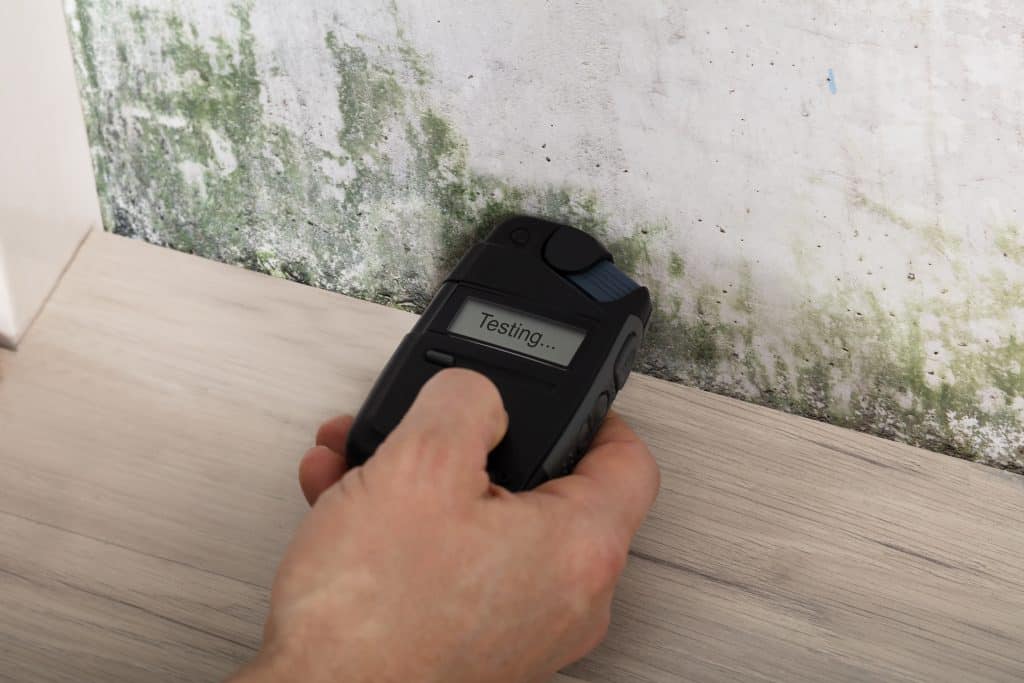
We use moisture meters and thermal imaging to find areas where water might be hiding. Mold needs moisture to grow, so if we find elevated levels in your walls or floors, that’s a red flag. We collect air samples from different rooms to measure spore concentration, and we take surface samples from any suspicious spots.
Everything gets labeled, logged, and sent to an independent lab for analysis. The lab identifies mold species some are harmless, others produce allergens or irritants and measures concentration levels. We also note any moisture sources we found, like leaky pipes, poor drainage, or condensation issues.
You get a full report within three to seven days. It includes lab results, photos from the inspection, an explanation of what we found, and recommendations if action is needed. If there’s mold, we’ll tell you how serious it is and what’s causing it. If your air is clean, you’ll have third-party documentation proving it.

Ready to get started?
Every mold testing service starts with a free initial inspection. We assess your property, identify problem areas, and give you an honest assessment before any testing begins. If testing makes sense, we move forward. If it doesn’t, we’ll tell you that too.
The testing itself covers air quality analysis and surface sampling. Air samples capture what’s floating around in the rooms where you live and sleep. Surface samples target visible growth or discoloration to confirm whether it’s mold and what type. We also use advanced equipment moisture meters, infrared cameras, and hygrometers to detect hidden water intrusion that could be feeding mold growth you can’t see yet.
Philadelphia’s climate makes this especially important. The city sits in a coastal region with high humidity year-round, and all that rain we get creates perfect conditions for mold in homes with poor ventilation or older construction. Society Hill’s historic homes often have basements with stone foundations, minimal airflow, and decades of settled moisture. That’s not a flaw it’s just how buildings were made back then. But it does mean mold testing is a smart move, especially if you’re buying, selling, or dealing with unexplained health symptoms.
We also work directly with insurance companies if you’re filing a claim. Our reports include everything adjusters need to process water damage or mold-related claims, and we’re available to answer their questions if needed.
Cost depends on the size of your property and how many samples we collect, but most residential mold inspections in Society Hill range from a few hundred dollars to around $800. That includes the on-site inspection, sample collection, lab analysis, and a detailed report.
If you just need air quality testing in a single room or area, the cost is lower. If you’re testing a multi-story historic rowhome with a basement, attic, and multiple living areas, it’s higher because we’re collecting more samples and spending more time on-site. We give you a clear estimate upfront after the free initial inspection, so there’s no surprise billing.
Some companies offer cheaper testing but then push expensive remediation whether you need it or not. We don’t do that. Our pricing reflects independent lab work and honest reporting, not a sales pitch.
DIY kits can tell you if mold spores are present, but they can’t tell you much beyond that. Mold spores exist almost everywhere they’re in outdoor air, they’re on your clothes, they blow in through open windows. The question isn’t whether spores are present. It’s whether you have an active mold problem, what species it is, and whether the concentration levels are high enough to affect your health or property.
Professional mold testing answers those questions. We collect samples from multiple locations, send them to an accredited lab, and get back detailed analysis that identifies specific mold types and measures concentration. We also inspect your property for moisture sources, which DIY kits don’t do. Knowing you have mold is one thing. Knowing why it’s there and how to stop it is another.
If you’re dealing with insurance claims, real estate transactions, or tenant disputes, you’ll need professional documentation anyway. DIY results won’t hold up in those situations.
The on-site inspection and sample collection usually take one to three hours, depending on the size of your property and how many areas we’re testing. We’re thorough, but we’re not there all day.
Once we collect the samples, they go to the lab. Lab analysis typically takes three to seven business days. After we get the results, we compile everything into a report with photos, findings, and recommendations, then send it to you. So from the day we inspect to the day you have answers, you’re looking at about a week in most cases.
If you need results faster say you’re in the middle of a real estate closing or an insurance claim we can request expedited lab processing for an additional fee. That can cut the turnaround time in half. But for most situations, the standard timeline works fine and keeps costs down.
Visible mold is the obvious one, but most people call us because something feels off and they can’t pinpoint it. Common signs include a persistent musty smell, especially in basements, bathrooms, or areas that don’t get much airflow. If you or your family are experiencing unexplained respiratory issues coughing, wheezing, sinus congestion, throat irritation that get worse at home and better when you leave, mold exposure could be the cause.
Water damage is another big red flag. If you’ve had a leak, flooding, or even just chronic condensation around windows or pipes, mold can start growing within 24 to 48 hours. You might not see it right away, especially if it’s behind drywall, under flooring, or inside your HVAC system, but it’s there.
In Society Hill, we also see a lot of mold in older homes with poor ventilation. Historic properties are beautiful, but many were built before modern HVAC systems existed. That means limited airflow, and in Philadelphia’s humid climate, that’s a recipe for mold growth. If your home was built before 1980 and you’ve never had it tested, it’s worth checking especially if you’re noticing any of the symptoms above.
Not really. We’re in and out in a few hours, and the process is non-invasive. We’re not tearing into walls or ripping up floors unless we’ve already identified a specific problem area and you’ve asked us to investigate further. Most of the time, we’re taking air samples, swabbing surfaces, using moisture meters, and documenting what we find with photos and notes.
You don’t need to leave during the inspection. Some people prefer to walk through with us so they can see what we’re looking at and ask questions in real time. Others let us work and check in at the end. Either way is fine.
The only minor disruption is that we need access to all areas of your home including basements, attics, crawl spaces, and utility rooms. If those areas are packed with storage, it helps to clear a path beforehand, but it’s not required. We’ll work around it.
Once we’re done, there’s no cleanup needed on your end. We take the samples, pack up our equipment, and leave your home exactly as we found it. Then we wait for the lab results and get back to you with a full report.
If the lab confirms mold, we walk you through what that means. Not all mold is dangerous, and not all mold requires expensive remediation. The report will tell you which species were detected, at what concentration, and whether they’re known to produce allergens, irritants, or mycotoxins. We’ll also explain where the mold is likely growing and what’s causing it usually a moisture issue like a leak, condensation, or poor ventilation.
From there, you decide what to do. If it’s a minor issue in a small area, you might be able to handle it yourself with proper cleaning and by fixing the moisture source. If it’s widespread or in a hard-to-reach area, professional mold remediation makes more sense. We offer remediation services, but we’re not going to pressure you into it. The testing side is separate, and our job is to give you accurate information so you can make the right call.
If you’re dealing with insurance, the report serves as documentation for your claim. If you’re buying or selling a home, it gives you leverage to negotiate repairs or pricing. And if you’re a landlord or tenant, it provides third-party proof of the problem, which can be critical in disputes. Whatever your situation, you’ll have the facts you need to move forward.
Other Services we provide in Society Hill