
Hear from Our Customers
You can’t fix what you can’t see. That’s the problem with mold in Overbrook homes it hides in crawl spaces, behind walls, under floors, and in attics where Philadelphia’s humid summers create the perfect breeding ground.
Most homeowners don’t realize they have a mold problem until someone gets sick or they’re trying to sell. By then, what could have been a few hundred dollars in prevention becomes thousands in remediation. Your home value can drop 20-37% if buyers find undisclosed mold during inspection.
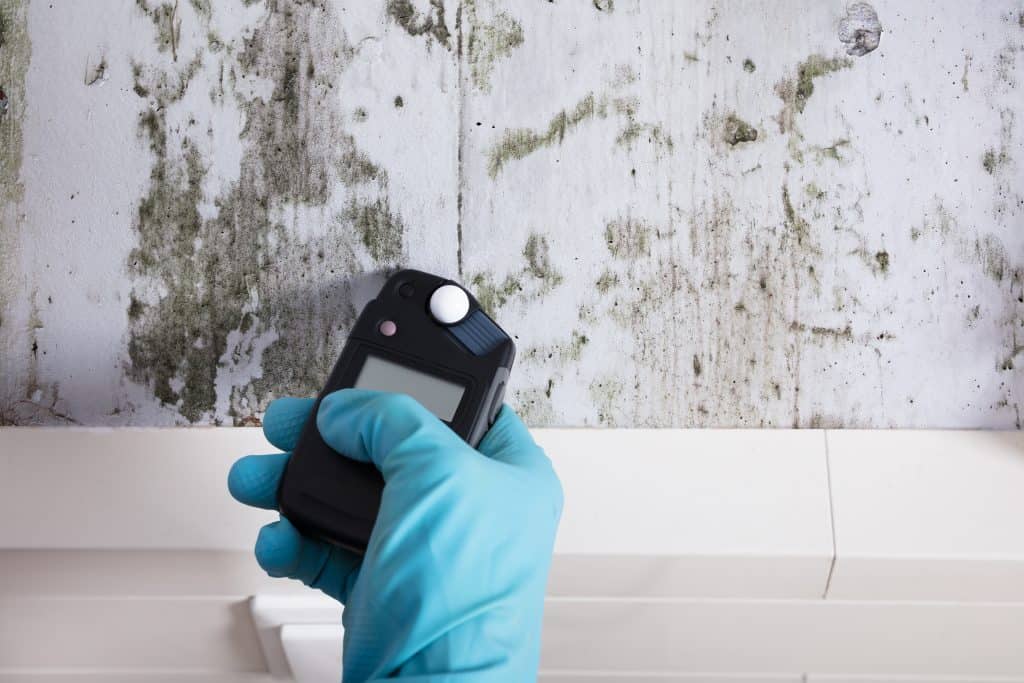
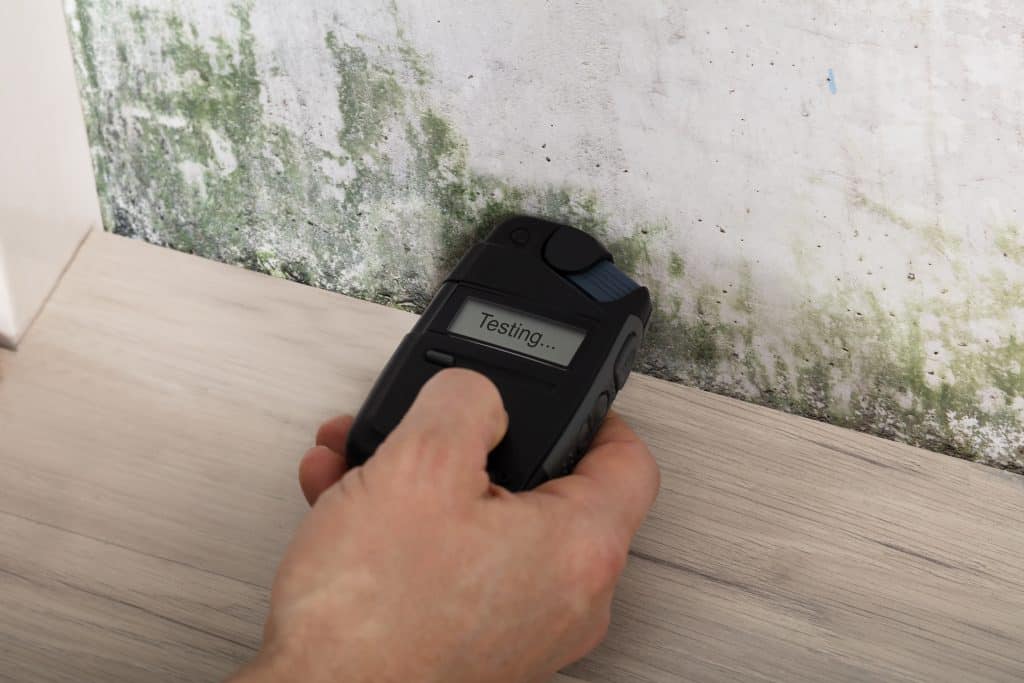
Professional mold testing catches problems early. We use infrared cameras and digital moisture meters to detect issues in places you’d never think to check. Air sampling picks up spores from hidden colonies, even when there’s no visible growth. You get lab results that tell you exactly what species you’re dealing with and whether your indoor air quality is safe.
The testing process is straightforward. We inspect your property, take samples from the air and suspicious surfaces, send everything to a certified lab, and deliver a full report with moisture readings and photos within days. You’ll know if you have a problem, how serious it is, and what needs to happen next.
We’ve spent over 15 years helping Philadelphia-area homeowners figure out what’s actually happening inside their walls. We’re not here to sell you services you don’t need. We’re here to give you accurate information so you can make the right call.
Overbrook’s housing stock those classic row homes and mid-century properties built between the 1920s and 1960s comes with specific vulnerabilities. Older construction means older plumbing, less effective moisture barriers, and ventilation that wasn’t designed for today’s energy-efficient windows and doors. We know where problems develop in these homes because we’ve seen it hundreds of times.
You’ll work directly with certified professionals who understand Pennsylvania’s mold regulations and follow strict testing protocols. We’re not a national chain sending different crews every time. You get the same team, the same standards, and straight answers about what your test results actually mean.
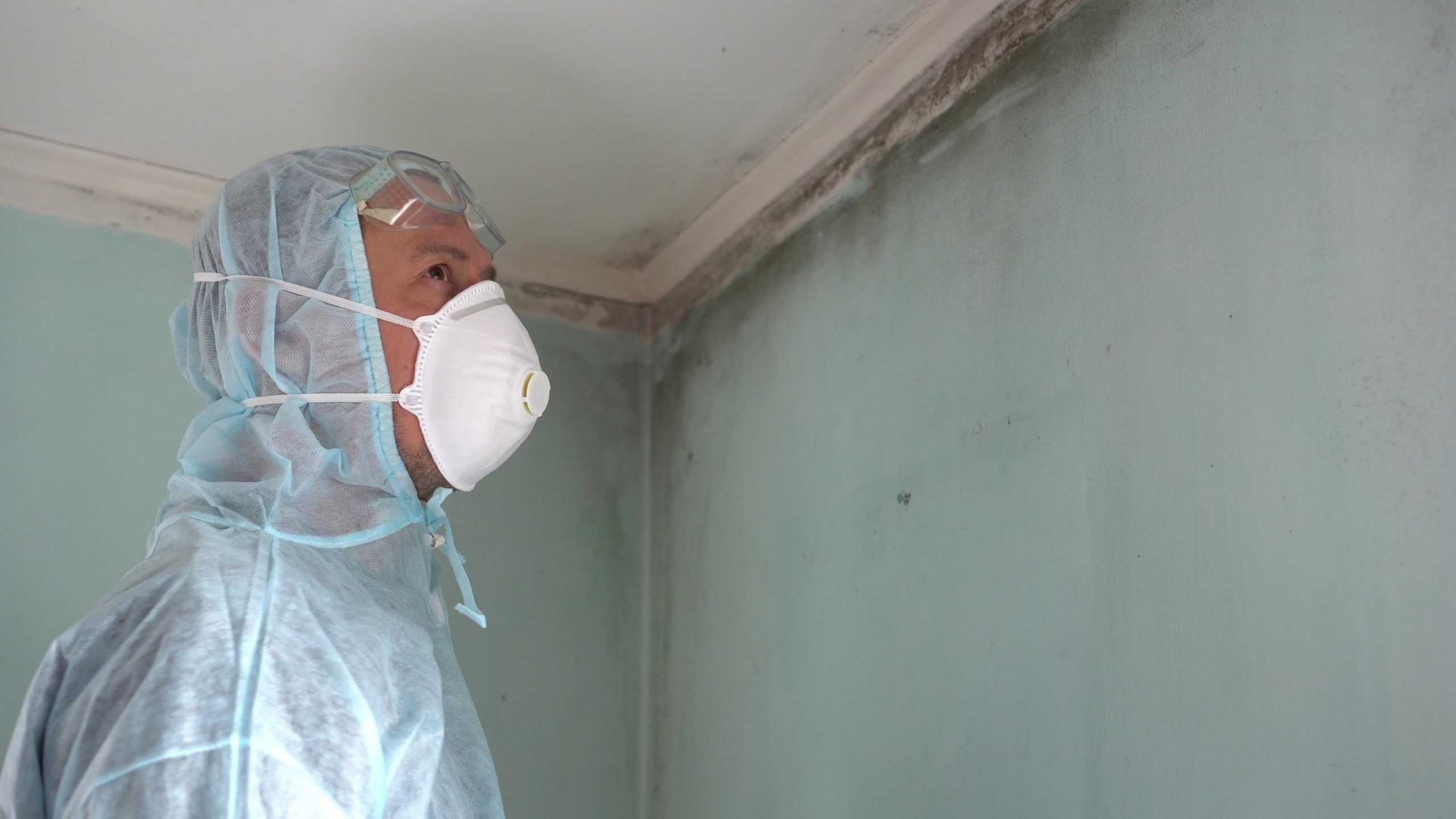
First, we walk through your property and look for visible signs discoloration, water stains, musty odors, or areas that feel damp. We use thermal imaging to spot temperature differences that indicate moisture problems behind surfaces. This tells us where to focus our sampling.
Next comes air sampling. We collect samples from different rooms and compare them to outdoor air. This shows us if you have elevated spore counts inside and helps identify hidden mold that isn’t visible. For suspicious surfaces, we take direct samples using swabs or tape lifts.
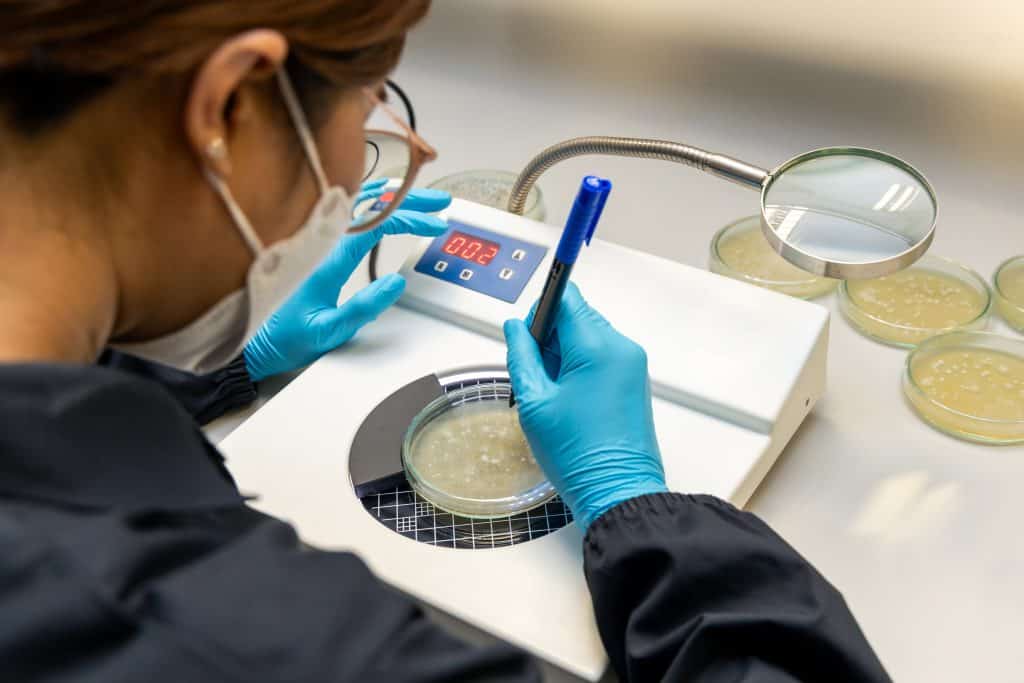
Everything goes to a certified laboratory. They identify the specific mold species and measure concentration levels. Most labs return results in 3-7 business days. We don’t just hand you a report and disappear we walk you through what the numbers mean, which areas need attention, and what your options are.
You’ll receive documentation that includes lab analysis, inspection photos, moisture readings, and our interpretation of the findings. If you need remediation, you’ll have everything required for insurance claims or contractor bids. If your air quality is fine, you’ll have proof that your home is safe.

Ready to get started?
Every mold evaluation includes a complete visual inspection of your property. We check basements, crawl spaces, attics, bathrooms, kitchens, and anywhere moisture tends to accumulate in Overbrook homes. We’re looking at HVAC systems, around windows, near plumbing fixtures, and in areas where previous water damage might have occurred.
You get both air and surface sampling. Air samples capture what you’re actually breathing. Surface samples identify growth on walls, ceilings, or other materials. We use calibrated equipment that meets industry standards, and all samples go to AIHA-accredited laboratories that specialize in mold analysis.
The testing process typically takes 1-2 hours depending on your property size. We can often schedule same-day appointments because we understand that when you suspect mold, you want answers fast. There’s no obligation to use us for remediation if testing reveals a problem the report is yours to use however you need.
Overbrook’s climate means spring and summer bring humidity that can push indoor moisture levels into the danger zone. Homes without proper ventilation or with aging waterproofing are especially vulnerable. Our testing accounts for seasonal factors and gives you a realistic picture of your risk throughout the year.
Most professional mold inspections in the Philadelphia area run between $300 and $600 depending on your home’s size and how many samples we need to collect. A typical Overbrook row home usually falls in the $350-$450 range for comprehensive testing.
That price includes the visual inspection, air sampling from multiple rooms, surface sampling if we find suspicious areas, laboratory analysis, and a detailed report. You’re not paying extra for the equipment, the lab work, or the follow-up consultation it’s all included upfront.
Some companies offer cheaper testing, but they’re often using hardware store test kits that aren’t accurate enough to make real decisions. Other companies inflate prices by charging separately for every sample or adding fees for things like moisture readings. We give you one clear price before we start, and that’s what you pay.
The most obvious sign is a musty smell that won’t go away, especially in basements, bathrooms, or rooms that don’t get much airflow. If you can smell it but can’t find visible mold, that usually means it’s growing somewhere hidden.
Health symptoms are another red flag. If people in your home are dealing with persistent respiratory issues, allergies that seem worse indoors, headaches, or skin irritation that improves when they leave the house, mold exposure could be the cause. Kids, elderly family members, and anyone with asthma or compromised immune systems tend to react first.
Water damage is a major indicator even if it happened months ago. If you’ve had leaks, flooding, roof damage, or plumbing problems, there’s a good chance mold started growing within 24-48 hours. You might have fixed the water issue, but mold can keep spreading behind walls or under flooring where you can’t see it. Overbrook’s older homes often have small leaks that go unnoticed until the damage is significant.
Laboratory results typically come back in 3-7 business days from the time we collect samples. We work with certified labs that prioritize residential testing, so you’re usually looking at the shorter end of that range.
The inspection itself takes 1-2 hours depending on your property size. We can often schedule appointments within 24 hours of your call, sometimes same-day if you reach us early enough. Once we have the lab results, we’ll contact you to schedule a time to review the findings or we can walk you through everything over the phone if that’s easier.
You’ll receive a complete written report that includes the lab analysis, photos from the inspection, moisture readings, and our professional interpretation. If the results show elevated mold levels, we’ll explain which areas are affected, what species were identified, and what the concentration levels mean for your health and property. If everything comes back clean, you’ll have documentation proving your indoor air quality is safe.
A mold inspection is the visual assessment we walk through your property looking for signs of mold growth, water damage, moisture problems, and conditions that promote mold. We use tools like infrared cameras and moisture meters to find issues you can’t see with the naked eye.
Mold testing goes further by collecting actual samples. Air testing measures spore levels in your indoor air and compares them to outdoor levels. Surface testing identifies specific mold species growing on walls, ceilings, or other materials. The samples go to a lab for analysis, which tells you exactly what you’re dealing with.
Most homeowners need both. The inspection tells us where to look and whether conditions exist for mold growth. The testing confirms whether mold is actually present, identifies the species, and measures concentration levels. In Overbrook homes, we often find that the inspection reveals moisture problems in basements or around old windows, and testing confirms whether those conditions have already led to mold colonization. You can’t make informed decisions about remediation without knowing what species you have and how widespread the problem is.
You can buy test kits at hardware stores, but they’re not reliable enough to make real decisions about your health or property. Most kits just tell you that mold spores are present which is always true because spores exist everywhere. They don’t tell you what species, what concentration levels, or whether your indoor air quality is actually dangerous.
The bigger problem is that DIY kits can’t tell you where mold is growing or how serious the problem is. You might get a positive result and panic over normal background levels, or you might miss a serious problem because you didn’t sample the right location. Professional testing uses calibrated equipment, follows specific protocols, and compares your results to established safety thresholds.
We also know where to look in Overbrook’s older homes. We understand how these properties are built, where moisture tends to accumulate, and which areas are most vulnerable during Philadelphia’s humid seasons. A home kit can’t give you that context. If you’re concerned enough to test, you’re better off getting accurate information the first time rather than wasting money on unreliable results that leave you with more questions than answers.
No. Professional mold testing is non-invasive. Air sampling just involves running equipment that pulls air through a collection device nothing touches your walls or surfaces. Surface sampling uses tape lifts or swabs that don’t damage paint or materials.
We only recommend invasive investigation if the inspection reveals strong evidence of hidden mold and you want confirmation before opening up walls. Even then, we’re talking about small inspection holes that are easy to patch, not major demolition. Most testing is completely surface-level.
The equipment we use infrared cameras, moisture meters, air pumps doesn’t leave marks or require drilling. We’re careful with your property because we’re often working in finished living spaces. You won’t need to repair anything after testing, and your home will look exactly the same as it did before we arrived. The whole point is to get you information without creating more problems in the process.
Other Services we provide in Overbrook