
Hear from Our Customers
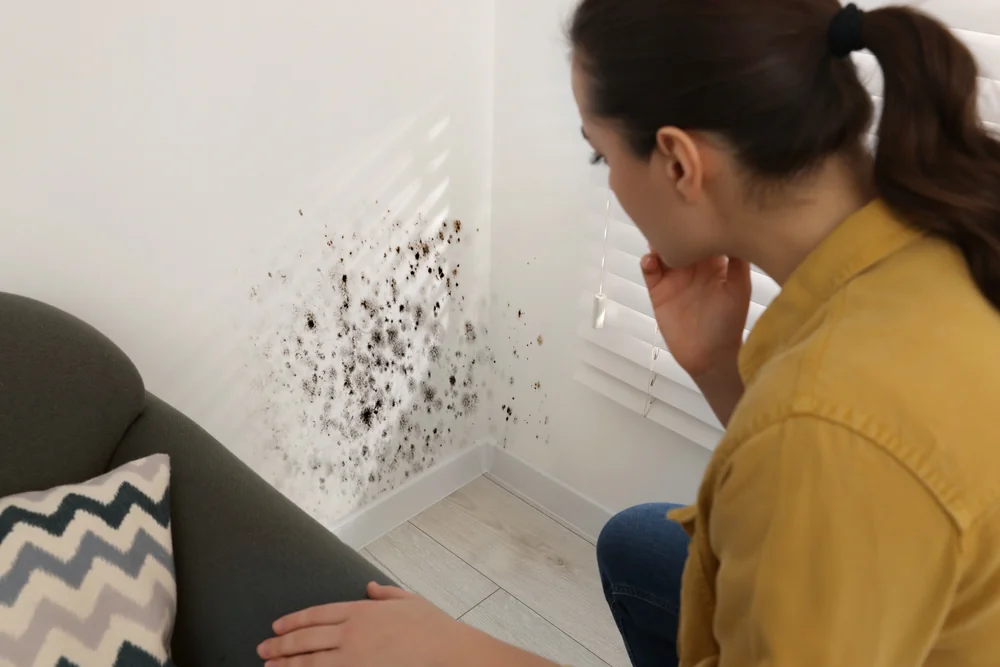
You can’t see mold spores in the air. You can’t smell them until concentrations get dangerously high. By the time you notice musty odors or visible growth, you’re already dealing with a contamination problem that could cost $3,000 to $20,000 to fix.
A professional air quality test catches it early. We use air sampling equipment that captures spores from hidden colonies behind drywall, under flooring, and in HVAC systems. Those samples go to certified labs that identify exactly what species you’re dealing with and how much is present.
That means you know if your kid’s asthma is getting triggered by something fixable. You know if that persistent cough is environmental. You get documentation for insurance claims if water damage led to mold growth. And you avoid the nightmare of discovering a major contamination problem when you’re trying to sell your home.
Early detection saves money, protects health, and gives you actual data instead of guessing.
We’ve been testing indoor air quality and inspecting for mold in Overbrook, PA and throughout Bucks County for over 20 years. That’s thousands of homes with aging infrastructure, basement moisture issues, and HVAC systems that create perfect conditions for mold growth.
Overbrook’s building stock ranges from historic properties to newer construction, and we’ve seen how water intrusion affects both. We know where problems hide in these homes. We use infrared cameras and digital moisture meters to detect issues in areas you can’t easily access, then send samples to certified laboratories that prioritize residential testing.
You’re not getting a pass/fail kit from a hardware store. You’re getting lab analysis that identifies specific species, measures concentration levels, and provides documentation that meets Pennsylvania Department of Health standards and insurance requirements.
First, we walk through your property and identify areas of concern. That includes visible water damage, musty odors, or spaces with poor ventilation. We use infrared cameras to detect hidden moisture and temperature variations that indicate potential mold growth behind walls or ceilings.
Next, we collect air samples using specialized equipment that captures airborne spores. We typically take samples from multiple rooms plus an outdoor control sample for comparison. If there are visible signs of growth, we may also take surface samples to identify the specific species present.
Those samples go to an independent certified laboratory for analysis. Results typically come back in 3-7 business days. The lab report identifies mold species, spore concentrations, and compares your indoor levels to outdoor baseline levels.
We review the results with you in detail. You’ll understand what types of mold are present, whether concentrations are elevated, and what health risks they pose. If remediation is needed, we explain exactly what steps are necessary and provide a clear scope of work with upfront pricing.
Ready to get started?
Every residential air quality testing service includes a thorough visual inspection using advanced detection equipment. We’re looking for moisture intrusion, ventilation problems, and conditions that promote mold growth. That means checking basements, crawl spaces, attics, and HVAC systems.
Air sampling captures spores that are already circulating through your home. This is critical in Overbrook, PA homes where Pennsylvania’s industrial history already compromises outdoor air quality. Indoor air is typically 2-5 times worse than outdoor air, and mold contamination makes that gap even wider.
You receive a comprehensive laboratory report that breaks down exactly what’s in your air. The report identifies mold species by name, measures spore concentrations, and compares your levels to normal outdoor levels. If dangerous species like Stachybotrys (black mold) or Aspergillus are present, you’ll know immediately.
We also provide a detailed explanation of findings. Not just data, but what it means for your health and your home. If remediation is necessary, we outline the scope of work required and give you transparent pricing before any work begins. No surprises, no hidden fees.
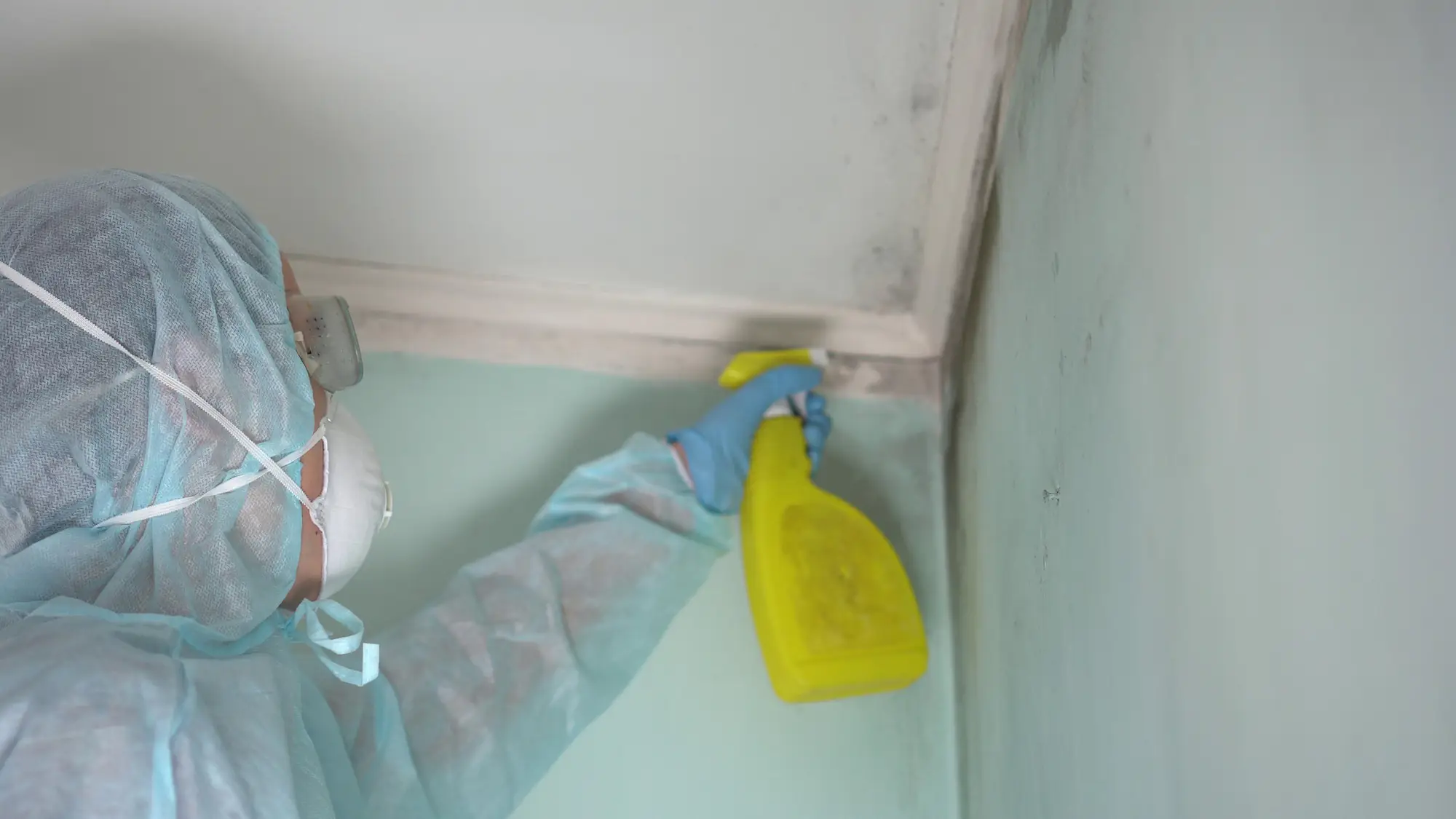
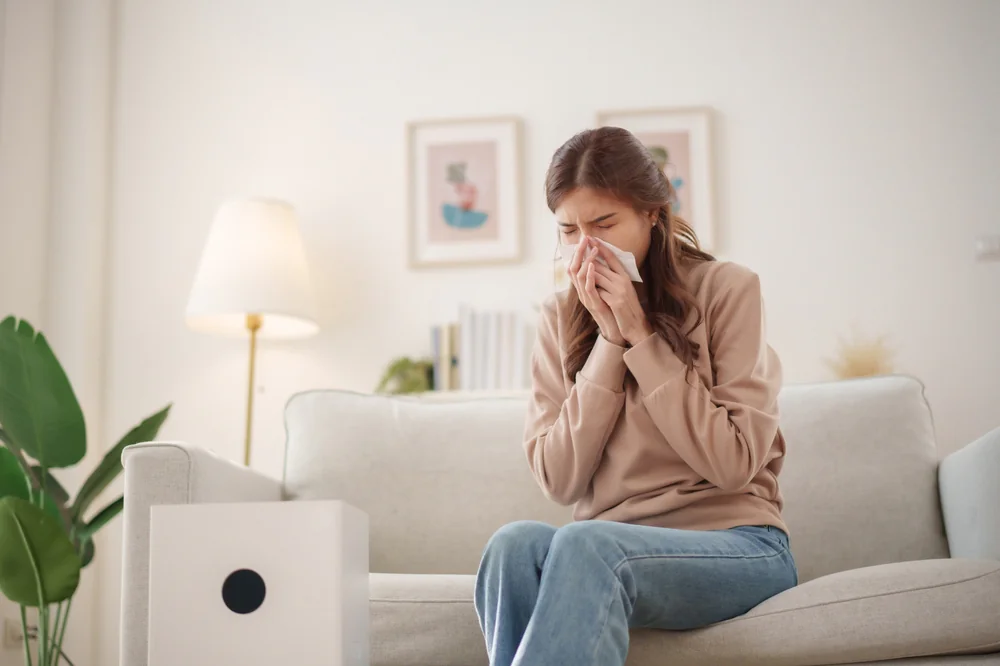
You should consider a mold air test if anyone in your household has unexplained respiratory symptoms, allergies that worsen indoors, or persistent headaches that improve when you leave the house. Those are classic signs of elevated mold spore counts affecting your indoor air quality.
You also need testing after any water damage event, even if it was cleaned up quickly. Water intrusion from roof leaks, plumbing failures, or basement seepage creates conditions for mold growth within 24-48 hours. Visible mold is just the surface problem – airborne spores spread throughout your HVAC system and into rooms that never got wet.
Testing is also smart if you’re buying or selling a home in Overbrook, PA. Many properties here have older infrastructure and hidden moisture issues. A clean air quality test protects buyers and gives sellers documentation that the home is safe. It’s a lot cheaper than discovering a mold problem during a home inspection or after closing.
DIY test kits from hardware stores are essentially petri dishes that collect whatever lands on them. They’ll tell you that mold spores exist in your home, which is true for every home in America. They can’t tell you what species are present, how much is present, or whether concentrations are dangerous.
Professional air sampling uses calibrated equipment that pulls a specific volume of air through a collection device. Those samples go to certified laboratories with trained mycologists who identify species under microscopes and measure spore concentrations using standardized methods. You get actual data: species names, counts per cubic meter, and comparison to outdoor baseline levels.
That difference matters when you’re trying to determine if your child’s asthma is environmental, if you need remediation, or if you’re filing an insurance claim. DIY kits don’t provide documentation that insurance companies or health departments will accept. Professional lab analysis does. It’s the difference between guessing and knowing.
Laboratory analysis typically takes 3-7 business days from the time we collect samples. The certified labs we work with prioritize residential testing, but proper analysis can’t be rushed. Mycologists need time to culture samples, examine them under microscopes, and identify species accurately.
Some labs offer rush services for an additional fee if you’re dealing with a time-sensitive situation like a real estate transaction or insurance claim deadline. We can coordinate that if needed. But in most cases, waiting a few extra days for accurate results is smarter than getting fast but incomplete data.
Once results come back, we schedule a time to review findings with you in detail. That conversation usually takes 30-45 minutes. We walk through the lab report, explain what each mold species means for your health and property, and outline any remediation steps that are necessary. You’ll have time to ask questions and understand exactly what you’re dealing with before making any decisions.
Insurance coverage for mold testing depends on what caused the potential contamination. If you had a covered water damage event – like a burst pipe, roof leak, or appliance failure – most homeowner policies will cover testing and remediation as part of the water damage claim.
If mold developed from long-term moisture problems, neglect, or lack of maintenance, insurance typically won’t cover it. That includes basement seepage, condensation issues, or slow leaks that went unnoticed for months. Insurance companies expect homeowners to maintain their properties and address moisture problems promptly.
The best approach is to document everything. Take photos of any water damage, keep records of when it occurred, and file your claim quickly. We provide comprehensive testing reports that meet insurance documentation requirements. Many of our clients in Overbrook, PA have successfully used our lab reports to support their claims and get coverage for both testing and remediation work.
If testing reveals elevated mold spore concentrations, we first identify the moisture source that’s feeding the growth. Mold needs water to survive, so remediation won’t work long-term unless we fix the underlying moisture problem. That might be a plumbing leak, poor ventilation, basement seepage, or HVAC condensation.
Next, we contain the affected area to prevent spores from spreading during cleanup. That means sealing off rooms with plastic sheeting and using negative air pressure to keep contaminated air from reaching clean areas. We remove contaminated materials that can’t be cleaned – drywall, insulation, carpeting – and dispose of them properly.
Surfaces that can be salvaged get treated with antimicrobial solutions. We clean HVAC systems if spores have spread through ductwork. After remediation is complete, we do post-remediation testing to verify that spore counts have returned to normal levels. You get documentation showing the problem is resolved. The whole process typically takes 3-7 days depending on the extent of contamination, and we provide upfront pricing so you know costs before work begins.
Most homeowners should test air quality every 3-5 years as part of routine home maintenance, especially if anyone in the household has allergies, asthma, or respiratory sensitivities. Regular testing catches problems early before they become expensive remediation projects.
You should also test immediately after any water damage event, even if cleanup happened quickly. Test before buying a home in Overbrook, PA, where older properties often have hidden moisture issues. Test if you notice musty odors, visible mold growth, or if family members develop unexplained health symptoms that improve when they leave the house.
Homes with known moisture problems – basement seepage, poor ventilation, or previous mold issues – benefit from annual testing. It’s cheap insurance compared to the cost of major remediation work. Pennsylvania’s lack of state regulation on indoor mold means you’re responsible for monitoring your own air quality. Testing every few years keeps you ahead of problems instead of reacting to them after they’ve spread.
Other Services we provide in Overbrook