
Hear from Our Customers
You’ve noticed the musty smell in the basement. Maybe your kids are coughing more at night, or there’s a dark spot on the wall that wasn’t there last month. You need to know if it’s mold and if it is, how bad it actually is.
Professional mold testing gives you lab-certified results, not guesswork. We test the air, check surfaces, and look at your HVAC system to find out where mold is hiding and why it’s growing in the first place. You get a clear report that tells you what’s there, where it came from, and what needs to happen next.
Most homes in Juniata Park were built in the 1940s. That means older plumbing, settled foundations, and ventilation systems that weren’t designed for Philadelphia’s humidity. Mold doesn’t need much just moisture and time. Testing catches it early, before it spreads behind walls or into ductwork where you can’t see it.
We’ve been serving Philadelphia homeowners since before mold testing became a checkbox on every home inspection. We’re certified, we’re local, and we’ve seen what happens when mold gets ignored in neighborhoods like Juniata Park.
We don’t upsell. We don’t pressure you into remediation if you don’t need it. We test, we report, and we explain what’s actually going on in plain language. If there’s a problem, we’ll tell you how to fix it. If there isn’t, we’ll tell you that too.
You’re not hiring a franchise call center. You’re working with inspectors who know Philadelphia’s climate, the way these rowhomes are built, and what to look for when things go wrong.
First, we walk through your home and talk about what you’ve noticed odors, water damage, health symptoms, whatever brought you here. Then we start testing.
We collect air samples from multiple rooms to measure airborne mold spore levels. We take surface samples from any visible growth or staining. We check your HVAC system, inspect crawl spaces, and look for moisture sources like leaky pipes, poor drainage, or condensation buildup. This isn’t a quick visual scan it’s a full evaluation of your indoor air quality.
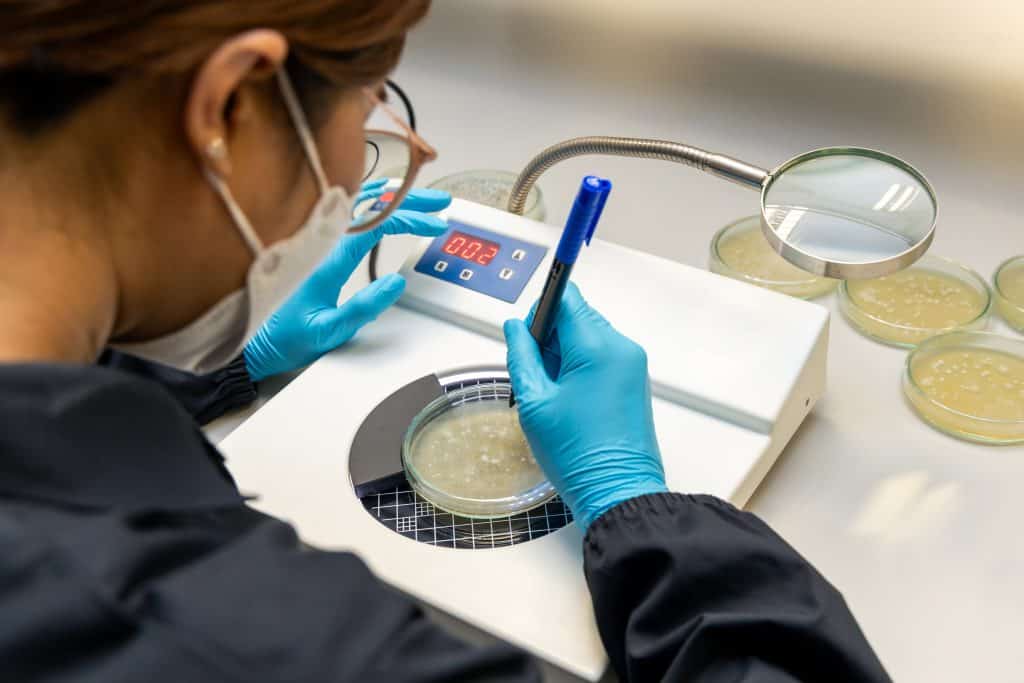
Samples go to a certified lab. You get results within 24 to 48 hours, along with a written report that breaks down what was found, where it’s concentrated, and what’s causing it. We also explain what the numbers mean and whether remediation is necessary or if you can handle it with cleaning and prevention.
If mold is present, we’ll walk you through your options. If it’s not, you’ll have documentation proving your air quality is safe helpful for insurance, real estate transactions, or just peace of mind.

Ready to get started?
You’re getting more than a mold test. You’re getting a full assessment of why mold might be growing and how to stop it from coming back.
We test air quality in living areas, bedrooms, basements, and attics. We inspect HVAC systems for contamination and poor airflow. We check plumbing, windows, and foundations for leaks or condensation. In Juniata Park, where most homes are pre-1950 rowhomes with shared walls and aging infrastructure, these details matter.
Philadelphia’s humidity averages above 60% most of the year. Add in summer heat and poor ventilation, and you’ve got ideal conditions for mold growth. Our inspections identify not just where mold is, but what’s feeding it whether that’s a slow roof leak, a basement sump pump that’s not keeping up, or an HVAC system circulating spores through every room.
You’ll also get recommendations on prevention: dehumidifier placement, ventilation upgrades, and maintenance tips that actually work in older homes. This isn’t a one-and-done test it’s an education on how to protect your home long-term.
If you can see mold growing on walls, ceilings, or other surfaces, you probably don’t need testing you need removal. Testing is most useful when you suspect mold but can’t find it, when you’re experiencing health symptoms with no clear cause, or when you need documentation for insurance or legal reasons.
Testing is also critical after water damage, even if you don’t see visible growth yet. Mold can start growing within 24 to 48 hours of a leak or flood, often in places you can’t see inside walls, under flooring, or in ductwork. Air quality testing picks up elevated spore levels before the problem becomes visible.
In Juniata Park, where basements are common and many homes have older plumbing, hidden moisture problems are frequent. If you’ve had a pipe leak, sump pump failure, or roof damage, testing confirms whether mold has taken hold and how widespread it is. That information shapes the remediation plan and prevents you from tearing into walls unnecessarily.
Air testing measures the concentration of mold spores floating in your indoor air. It’s the best way to detect hidden mold or confirm that airborne spore levels are elevated, even when you can’t see growth. We collect air samples from multiple rooms and compare them to outdoor baseline levels.
Surface testing involves swabbing or tape-lifting samples from visible growth, staining, or suspicious areas. It identifies the specific type of mold present and confirms whether discoloration is actually mold or just dirt and mildew. Surface tests are more targeted they tell you what’s growing in a specific spot.
Most comprehensive mold inspections include both. Air testing catches what’s circulating through your home, while surface testing identifies problem areas and mold species. In older Juniata Park homes with finished basements and limited airflow, air testing often reveals contamination that surface checks alone would miss. You need both to get the full picture of your indoor air quality.
The inspection itself usually takes one to two hours, depending on the size of your home and how many areas we’re testing. We’ll walk through the property, collect air and surface samples, inspect your HVAC system, and check for moisture sources. You don’t need to do anything to prepare we handle the whole process.
Samples are sent to a certified lab for analysis. Results typically come back within 24 to 48 hours. You’ll receive a detailed report showing spore counts, mold species identified, and where contamination was found. We’ll also schedule a follow-up call or meeting to walk you through the findings and explain what they mean in plain language.
If you need faster results for a real estate closing or insurance claim, let us know upfront. We can often expedite lab processing for time-sensitive situations. For Juniata Park homeowners dealing with active leaks or health concerns, we prioritize same-day inspections and fast turnaround so you’re not waiting around wondering what’s happening in your walls.
It depends on your policy and what caused the mold. Most homeowners insurance covers mold testing and remediation if the mold resulted from a sudden, accidental event like a burst pipe, roof damage from a storm, or an appliance leak. If mold developed due to long-term neglect, poor maintenance, or chronic humidity, it’s usually not covered.
You’ll need documentation to file a claim. That’s where professional testing comes in. A certified mold inspection provides the lab results and written report your insurance company requires to process a claim. Without it, they’ll likely deny coverage or dispute the extent of the damage.
Before you schedule testing, check your policy or call your insurance agent to confirm what’s covered. Some policies have mold coverage caps or exclusions, especially in high-humidity areas like Philadelphia. If your claim is approved, we can work directly with your adjuster and provide all necessary documentation. If it’s not covered, we offer upfront pricing and flexible payment options so you’re not stuck with a mold problem you can’t afford to address.
You can, but DIY kits have serious limitations. Most over-the-counter mold test kits only tell you that mold is present which isn’t useful, because mold spores exist in nearly every indoor environment. They don’t measure spore concentration, identify specific mold species, or pinpoint the source of contamination. You’re left with vague results and no clear next steps.
Professional testing uses calibrated equipment and lab analysis to measure airborne spore levels, compare them to safe baselines, and identify whether you’re dealing with common molds or toxic varieties like Stachybotrys (black mold). We also inspect your home’s structure, HVAC system, and moisture sources to determine why mold is growing and how to stop it.
In Juniata Park’s older housing stock, mold problems are rarely surface-level. They’re usually tied to plumbing issues, foundation cracks, or ventilation failures that a DIY kit won’t catch. If you’re experiencing health symptoms, planning to sell your home, or dealing with water damage, professional testing gives you accurate data and a clear remediation plan. DIY kits might save you $50 upfront, but they won’t solve the problem.
The most common molds we find in Juniata Park are Cladosporium, Penicillium, Aspergillus, and Alternaria. These thrive in damp, humid conditions and are frequently found in basements, bathrooms, and areas with poor ventilation. They’re not always dangerous, but they can trigger allergies, asthma, and respiratory issues especially in kids and older adults.
Stachybotrys, often called black mold, is less common but more concerning. It grows on water-damaged materials like drywall, wood, and insulation, and it produces mycotoxins that can cause serious health problems with prolonged exposure. If you see dark, slimy growth after a leak or flood, don’t touch it call for testing.
Philadelphia’s climate and Juniata Park’s aging housing stock create perfect conditions for mold growth. Humidity levels above 60%, older plumbing prone to slow leaks, and basements with limited airflow all contribute. Testing identifies which molds are present and whether they’re at levels that require remediation. Knowing what you’re dealing with helps you make informed decisions about your health and your home.
Other Services we provide in Juniata Park