
Hear from Our Customers
You shouldn’t have to leave your house to feel better. If your allergies calm down at work, if the kids’ cough disappears on vacation, or if that musty smell in the basement won’t go away no matter how much you clean—your indoor air quality is probably the problem.
A home air quality test gives you actual data. Not guesses. Not maybes. You’ll know exactly what’s floating around in your air—mold spores, dust mites, pet dander, or other allergens that Philadelphia’s humid climate loves to amplify.
Once you know what’s there, you can fix it. Better sleep. Fewer doctor visits. No more wondering if your home is making your family sick. That’s what happens when you stop living with contaminated air and start breathing clean.
We’ve spent over twenty years finding air quality problems in homes across Bucks County and the greater Philadelphia area. We’ve tested thousands of properties—from historic Juniata Park row homes to newer construction—and we understand exactly how Pennsylvania’s humidity and aging building infrastructure create the indoor air problems you’re dealing with.
We use EPA-approved testing methods and send every sample to certified laboratories for analysis. You get detailed results in 24-48 hours, along with clear explanations of what we found and what you should do about it. No jargon. No upselling. Just honest answers about your air quality.
We’re local, we’re experienced, and we know what Juniata Park homeowners are up against when it comes to indoor air contamination.
First, we come to your Juniata Park home and do a visual inspection. We’re looking for moisture sources, ventilation issues, visible mold growth, and any other red flags that could be affecting your indoor air quality.
Then we collect air samples from multiple rooms using professional-grade equipment. We also use moisture meters and infrared cameras to detect hidden problems behind walls or in areas you can’t see. If there’s a specific concern—like a musty basement or allergy symptoms in certain rooms—we focus extra attention there.
Your samples go straight to a certified laboratory that specializes in indoor air analysis. Within 24-48 hours, you’ll receive a detailed report that breaks down exactly what contaminants are present, at what levels, and whether they’re above safe thresholds. We’ll walk you through the results in plain language and give you specific recommendations.
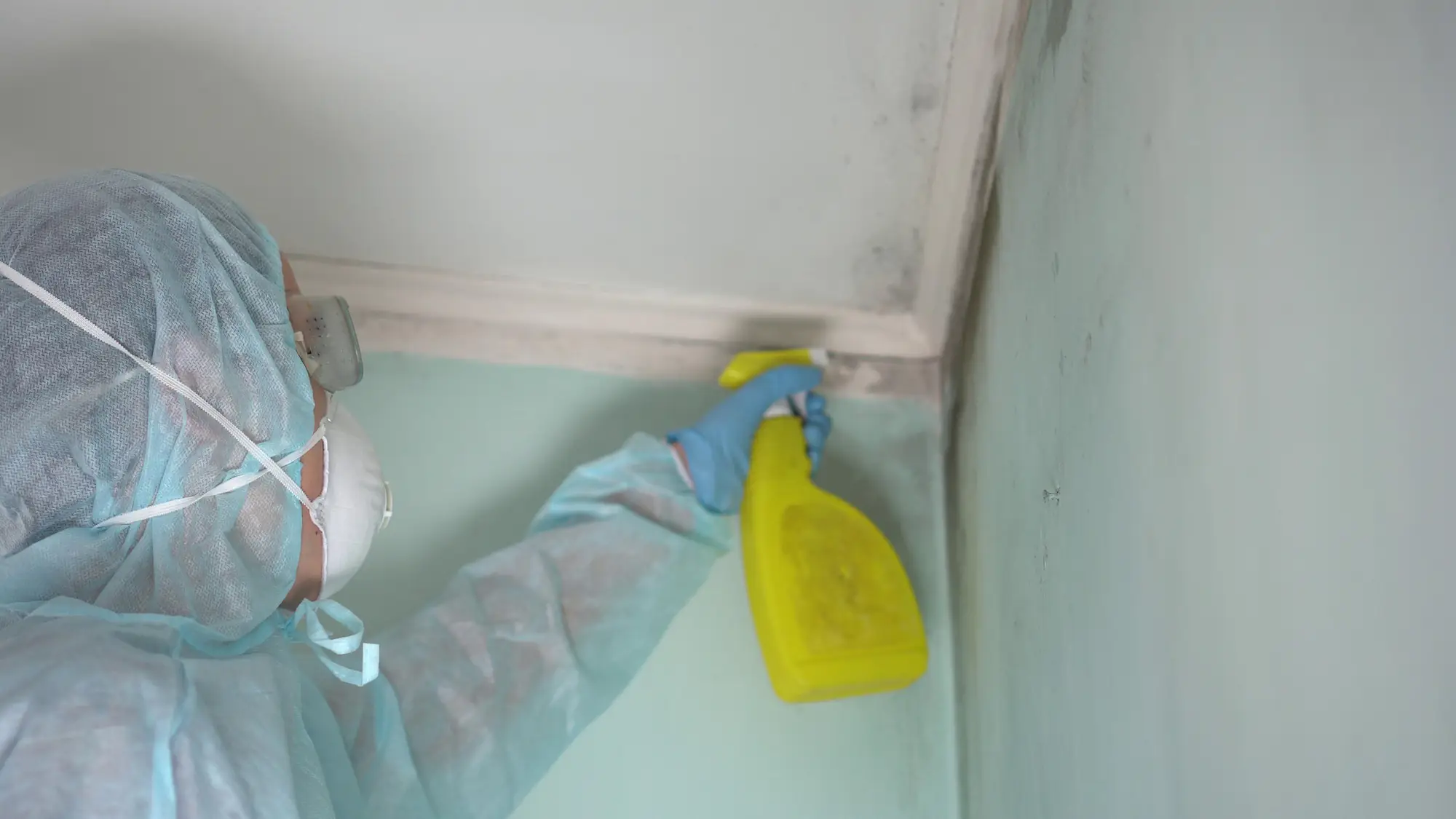
If we find issues that need remediation, we can handle that too. And once the work is done, we’ll do post-remediation clearance testing to verify your air is clean and safe.
Ready to get started?
Your residential air quality testing includes comprehensive analysis for mold spores, common allergens, dust mites, pet dander, and other airborne contaminants that affect indoor air in Juniata Park homes. We test multiple rooms to give you a complete picture of your home’s air quality, not just one area.
Philadelphia’s climate creates specific challenges. With humidity regularly exceeding 70% in summer and Pennsylvania ranking among the worst states for radon exposure, your indoor air faces threats that homeowners in drier climates don’t deal with. We know what to look for in older row homes with limited ventilation, and we understand how Juniata Park’s mix of historic and modern construction affects air circulation.
You’ll receive lab-certified results that meet insurance requirements and provide documentation for real estate transactions if needed. We also assess your HVAC system’s efficiency and identify moisture sources that could lead to future mold growth. If you’re experiencing unexplained health symptoms, dealing with persistent musty odors, or just want peace of mind about what your family is breathing, this testing gives you answers.
The report includes specific recommendations based on what we find—not generic advice, but actionable steps for your specific situation.
You’ll receive your detailed results within 24-48 hours after we collect the samples. The actual testing appointment usually takes 1-2 hours depending on your home’s size and the number of areas we’re testing.
Once the certified laboratory completes the analysis, we’ll contact you to review the findings. If we discover any immediate health concerns during our initial inspection—like active mold growth or severe moisture problems—we’ll let you know right away, not wait for the lab results.
The report itself breaks down every contaminant we tested for, shows you the concentration levels, and compares them to EPA safety guidelines. We’ll explain what the numbers mean for your specific situation and outline your next steps if any issues need addressing.
A mold air test identifies the types and concentrations of mold spores floating in your indoor air. The lab analysis tells you exactly which mold species are present—some are harmless, others can cause serious health problems—and whether the levels are elevated compared to outdoor air.
This matters because mold spores are everywhere. The question isn’t whether you have any mold spores in your home—you do. The question is whether you have elevated levels of problematic species that indicate active mold growth somewhere in your house.
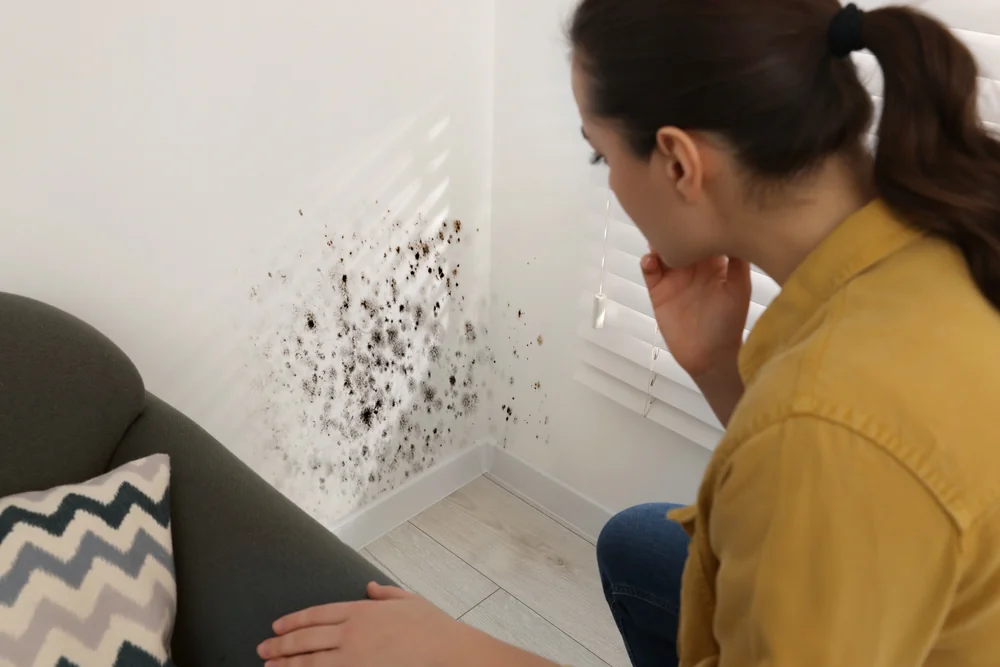
The test results show you if those persistent allergy symptoms or musty smells are actually mold-related, or if something else is affecting your air quality. In Juniata Park’s humid climate, basement mold and bathroom mold are common culprits, but sometimes the source is hidden in walls, crawl spaces, or HVAC ducts where you’d never see it without professional testing.
Most residential air quality testing in the Juniata Park area runs between $300-$600 depending on your home’s size and how many areas you want tested. A basic mold air test for a smaller home costs less than comprehensive testing for a larger property with multiple problem areas.
We offer free initial consultations where we can give you an accurate quote based on your specific situation. If you’re dealing with insurance claims or need post-remediation clearance testing after mold removal, those factors affect pricing too.
The cost of testing is minimal compared to what you’d spend on ongoing health issues, emergency remediation, or property damage from undetected mold growth. Finding problems early—before they become expensive disasters—is exactly why homeowners invest in professional air quality testing. You’re not paying for peace of mind, you’re paying for accurate information that protects your family and your property value.
You can buy DIY air quality test kits at hardware stores, but they’re not comparable to professional testing. The equipment matters. Consumer-grade kits often miss problems or give you inaccurate readings that either cause unnecessary panic or false reassurance.
Professional air quality testing uses calibrated equipment that detects contaminants at much lower concentrations. We know where to sample, how long to run the tests, and how to interpret results in context of your home’s specific conditions. A certified laboratory analyzes your samples using methods that meet EPA standards—not the simplified tests that come in retail kits.
More importantly, we can identify the source of contamination, not just confirm that it exists. If your DIY test shows elevated mold levels, you still don’t know where it’s coming from or how serious the problem is. Professional testing gives you that complete picture, plus documentation that satisfies insurance requirements if you need remediation work done.
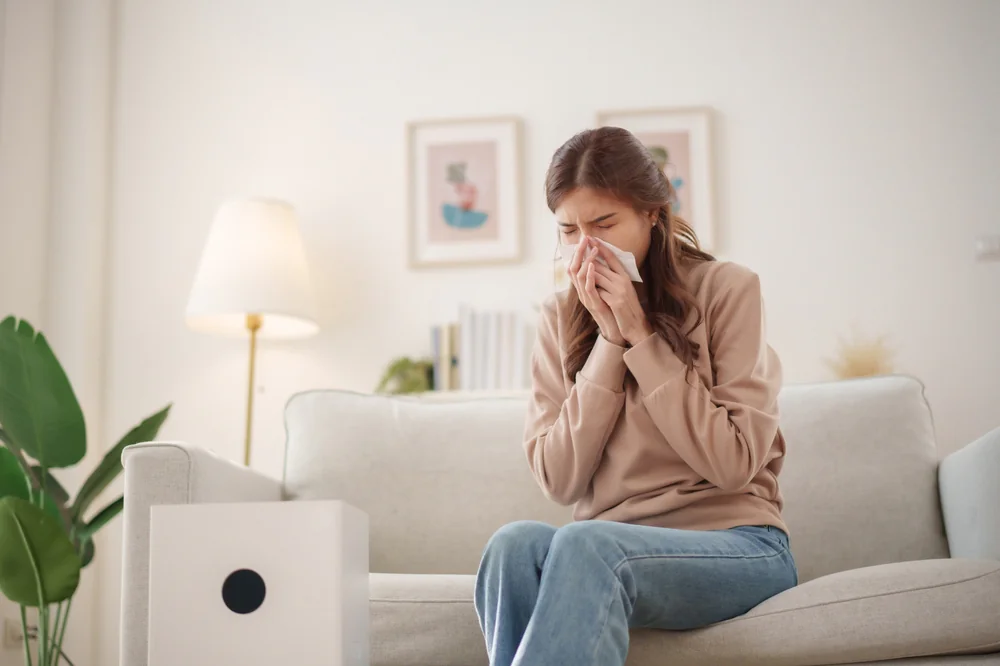
Persistent allergy symptoms that improve when you leave the house are the biggest red flag. If you’re dealing with unexplained coughing, sneezing, watery eyes, headaches, or respiratory issues that seem worse at home, your indoor air quality deserves investigation.
Musty odors are another clear sign, especially in basements, bathrooms, or near HVAC vents. Even if you don’t see visible mold, that smell indicates microbial growth somewhere. Water damage, roof leaks, basement flooding, or high humidity also create conditions where mold and other contaminants thrive.
Philadelphia’s asthma rates are three times the national average for children—21% compared to 5.8% nationwide. If anyone in your Juniata Park home has asthma or compromised immunity, air quality testing isn’t optional. You need to know what they’re breathing. Recent home purchases, pre-sale inspections, and post-remediation verification are other common situations where testing makes sense.
Standard air quality testing focuses on biological contaminants like mold spores, allergens, and airborne particles. Radon and carbon monoxide require separate specialized testing because they’re gases that need different detection methods.
That said, radon testing is critical for Pennsylvania homeowners. Forty percent of homes in Pennsylvania show radon levels above EPA action guidelines—one of the worst rates in the country. Radon is colorless, odorless, and causes lung cancer. If you haven’t tested for radon, you should.
We can discuss radon testing during your consultation and either include it with your air quality assessment or schedule it separately. Carbon monoxide detection typically involves installing CO detectors near fuel-burning appliances and sleeping areas—your HVAC technician or home inspector usually handles that. But if you’re concerned about multiple air quality issues, we’ll help you figure out what testing makes sense for your specific situation in Juniata Park.
Other Services we provide in Juniata Park