
Hear from Our Customers
You’ve noticed the smell. Maybe you’ve seen discoloration on the ceiling or around the windows. Or maybe someone in your house has been coughing more than usual and you can’t figure out why.
Here’s what most people don’t realize: by the time you can see mold, it’s already been growing for a while. And if you can smell it but can’t see it, that means it’s somewhere you haven’t looked yet.
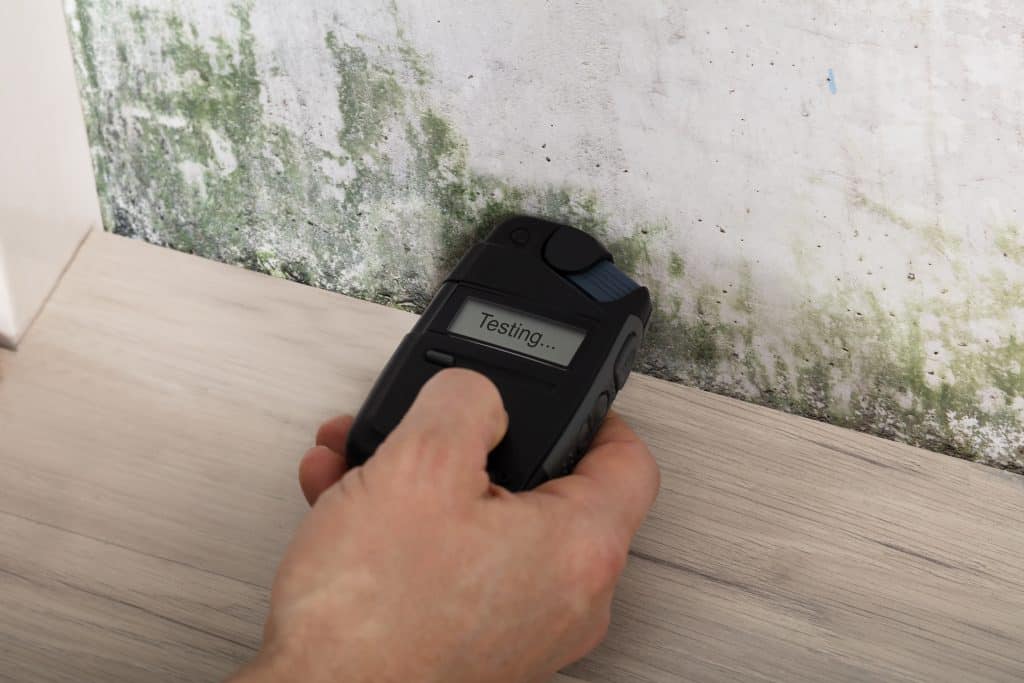
Professional mold testing gives you the full picture. We use air sampling to detect spores you can’t see, moisture meters to find hidden water problems, and infrared cameras to locate cool spots where moisture gets trapped behind walls or under floors. You get lab results that show exactly what type of mold is present, how much of it there is, and whether it’s affecting your indoor air quality.
That’s not just useful for peace of mind. It’s documentation you can use for insurance claims, real estate transactions, or just knowing whether you need remediation or if you caught it early enough to handle it yourself.
We’ve been helping homeowners across Bucks County, Montgomery County, and Philadelphia deal with mold the right way. That means finding the source, not just treating the symptoms.
We’re IICRC-certified, we follow EPA-approved methods, and we don’t upsell you on work you don’t need. If you’ve got a small issue that you can handle on your own, we’ll tell you. If it’s bigger than you think, we’ll show you why.
Hunting Park has its own challenges when it comes to mold. Older rowhomes with shared walls, basements that weren’t built with modern waterproofing, windows that don’t seal like they should. We know what to look for because we’ve seen it hundreds of times. And we know that in a neighborhood where the median home price is around $113,900, you’re not looking to throw money at a problem that might not even exist yet.

We start with a free visual inspection. That means walking through your home, checking the usual suspects basements, bathrooms, kitchens, attics and looking for visible signs of water damage, discoloration, or active growth.
Then we use moisture meters and infrared cameras to check areas you can’t see. That’s where most people miss the problem. Mold doesn’t just grow on surfaces. It grows inside walls, under flooring, in HVAC ducts, anywhere moisture lingers.
If we find something or if you’re dealing with symptoms but no visible mold, we take air samples and surface samples. Those get sent to a lab for analysis. You’ll get a report that breaks down what species of mold are present, the concentration levels, and whether they’re at levels that require remediation.
After that, we walk you through your options. If remediation is needed, we give you an upfront estimate and help you work with your insurance company if that’s part of the plan. If it’s something smaller, we’ll tell you what you can do on your own and what to watch for going forward.

Ready to get started?
You’re not just getting someone to look around and guess. You’re getting air sampling, surface sampling, moisture mapping, and infrared thermal imaging. All of that gets analyzed by a third-party lab so the results are objective.
In Hunting Park and the rest of Philadelphia, humidity is a year-round issue. Summers are humid, winters bring condensation, and older homes weren’t designed to handle moisture the way newer construction is. That’s why we don’t just test for mold we identify the conditions that let it grow in the first place.
You’ll also get a written report you can use for insurance claims or to show a buyer if you’re selling your home. And if remediation is necessary, you’ll have a clear action plan based on lab data, not guesswork. We’ve worked with homeowners who caught problems early and saved thousands compared to what it would’ve cost if they’d waited another six months.
The whole process is designed to give you clarity. You’ll know what’s in your home, whether it’s a health risk, and what it’ll take to fix it.
If you can see mold and you know where the water problem is, you might not need testing. You can move straight to remediation. But if you’re smelling something musty and can’t find the source, or if someone in your house is dealing with respiratory symptoms that won’t go away, testing is the right move.
Testing tells you what you’re dealing with before you start tearing into walls or spending money on the wrong fix. It also gives you documentation if you’re filing an insurance claim or if you’re buying or selling a home and need proof of what’s going on.
In older Hunting Park rowhomes, mold often hides in places you wouldn’t think to check behind shared walls, under original flooring, in unfinished basements with poor drainage. A professional mold inspection finds those spots before they become expensive problems.
DIY kits can tell you if mold spores are present, but that’s not particularly useful. Mold spores are everywhere. What matters is the type of mold, the concentration, and whether it’s at levels that pose a health risk.
Professional mold testing uses calibrated equipment to take air samples from multiple locations in your home. Those samples get analyzed in a lab that can identify specific species like black mold, aspergillus, or penicillium and measure how much is in the air compared to outdoor levels.
We also use moisture meters and thermal imaging to find hidden water intrusion, which is the real problem. Mold is just the symptom. If you don’t fix the moisture issue, the mold comes back no matter how many times you clean it. A DIY kit won’t tell you any of that.
The inspection itself usually takes one to two hours depending on the size of your home and how many areas we’re sampling. We’re not rushing through it. We’re checking basements, crawl spaces, attics, bathrooms, and anywhere else that’s prone to moisture.
Once we collect the samples, they go to a third-party lab for analysis. You’ll typically get results back within three to five business days. The report will show what types of mold are present, the spore counts, and how those levels compare to what’s normal outdoors.
After you get the results, we’ll walk you through what they mean and what your options are. If remediation is needed, we’ll give you a clear estimate before any work starts. If it’s something you can handle on your own, we’ll tell you that too.
It depends on your policy and what caused the mold. If the mold is the result of a sudden, covered event like a burst pipe or a roof leak from storm damage most policies will cover testing and remediation. If it’s from long-term neglect or a maintenance issue like a slow leak you didn’t fix, coverage gets tricky.
That’s why documentation matters. Professional mold testing gives you a lab report and a clear timeline, which helps when you’re filing a claim. We’ve worked with insurance companies throughout Bucks County and Philadelphia, and we can help you navigate the process.
We also provide upfront pricing so you know what you’re looking at even if insurance doesn’t cover it. Mold remediation is already stressful enough without surprise costs showing up halfway through the job.
Mold exposure can cause respiratory problems, especially if you or someone in your home has asthma or allergies. Symptoms include coughing, wheezing, throat irritation, nasal congestion, and eye irritation. For kids and older adults, the risks are higher.
Research shows that as many as 21% of asthma cases may be linked to mold exposure. Infants in homes with mold have a much greater risk of developing asthma and allergic rhinitis. If someone in your house has been dealing with symptoms that won’t go away and doctors can’t figure out why, mold could be the answer.
The bigger issue is that mold doesn’t get better on its own. It spreads. And the longer it grows, the more damage it does to your home and the more expensive it becomes to fix. Testing gives you the information you need to make a decision before it turns into a bigger problem.
Yes, if you don’t fix the moisture problem. Mold needs three things to grow: moisture, organic material, and the right temperature. Your home has plenty of organic material (wood, drywall, insulation) and the temperature is usually in the range mold likes. The only thing you can control is moisture.
That’s why we don’t just remove mold and walk away. We find the source whether it’s a leaky pipe, poor ventilation, a crack in the foundation, or condensation from an old window and we make sure it’s addressed. Otherwise, you’re just paying to clean up the same problem six months from now.
In Hunting Park, a lot of the older homes have drainage issues, outdated ventilation, and roofing that’s past its prime. We know what to look for, and we’ll tell you what needs to be fixed to keep mold from coming back. That’s the difference between a real solution and a temporary patch.
Other Services we provide in Hunting Park