
Hear from Our Customers
You can’t fix what you can’t see. That musty smell in the basement, the allergies that won’t quit, the water stain that dried months ago they’re all signs that mold might be growing somewhere you haven’t checked yet.
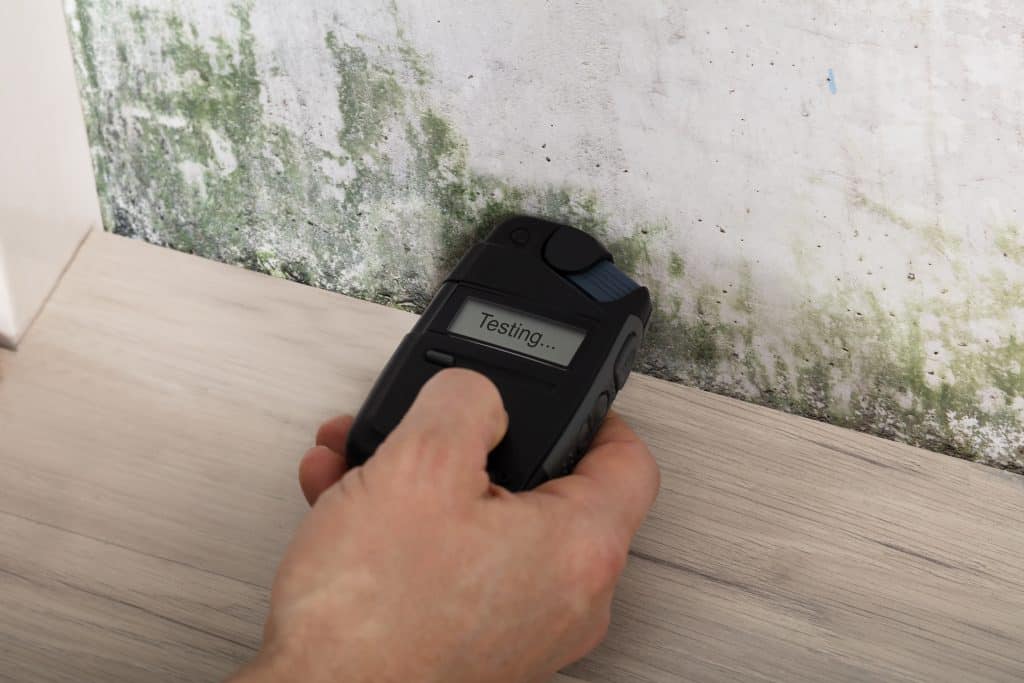
Professional mold testing gives you the full picture. We use thermal imaging, moisture meters, and air quality testing to find mold in places most homeowners would never think to look. Behind drywall. Under flooring. Inside HVAC systems. Then we tell you what type it is, how much is there, and what needs to happen next.
You’re not guessing anymore. You’re not wondering if that dark spot is dirt or something worse. You know exactly what’s in your home, and you can make decisions based on real data not fear or assumptions.
We’ve been serving Frankford and the surrounding Bucks County area for over 27 years. We’re not new to this. Our team includes Certified Mold Inspectors trained in the latest detection techniques, and we use EPA-approved methods on every job.
We know the homes here. The older construction in Frankford, the basements that flood every spring, the humidity that spikes in July and doesn’t let up until October. We’ve seen what happens when mold goes undetected for too long, and we’ve helped hundreds of local homeowners catch it early.
You’re working with people who understand the climate, the housing stock, and the health risks that come with living in a region where nearly half of all homes show visible mold or detectable odor.

First, we schedule a free inspection at a time that works for you. No pressure. No sales pitch. Just a thorough walkthrough of your property.
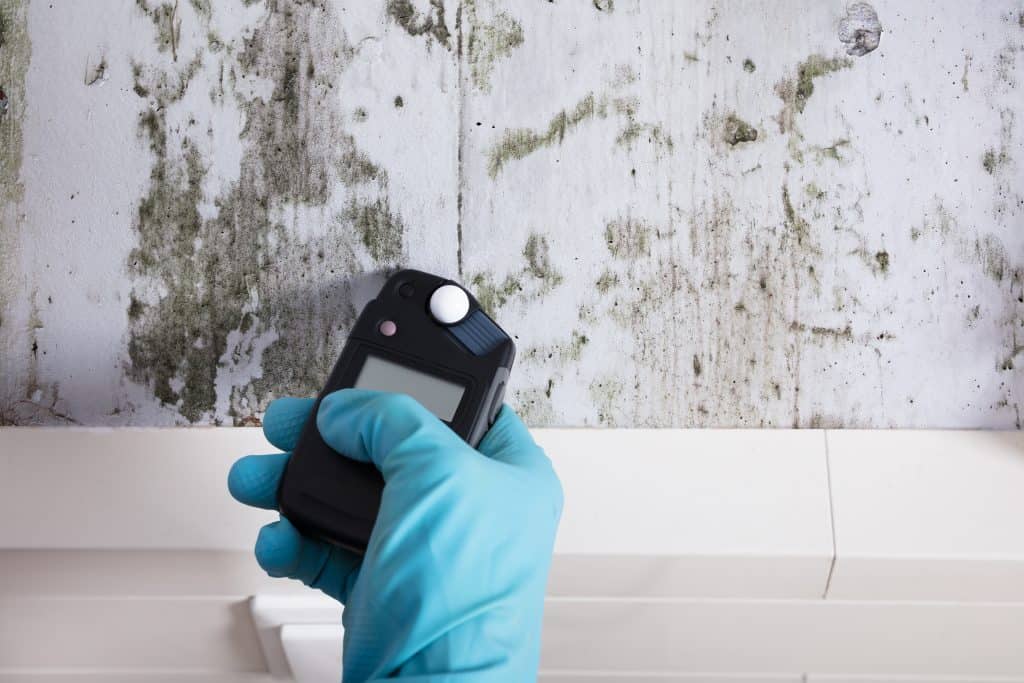
During the inspection, we’re looking for visible mold, moisture problems, and areas where conditions are right for growth. We use thermal imaging to detect temperature differences behind walls and moisture meters to measure humidity levels in materials like drywall and wood. If we find something suspicious, we take air samples and surface samples and send them to an independent lab for analysis.
You get a detailed report that explains what we found, where we found it, and what it means for your home. If remediation is needed, we walk you through the process and give you a clear estimate before any work starts. If the mold is minor and you can handle it yourself, we’ll tell you that too.
The whole process is designed to give you clarity. You’ll know what’s growing in your home, how serious it is, and what your options are.

Ready to get started?
A complete mold inspection covers more than just the obvious spots. We check basements, crawl spaces, attics, bathrooms, and anywhere else moisture tends to accumulate. We inspect HVAC systems because mold spores love to travel through ductwork. We look for water damage, leaks, condensation, and poor ventilation all the things that create environments where mold thrives.
In Frankford and Bucks County, we pay special attention to homes built in the 1980s and 1990s. Construction methods from that era often lacked proper moisture barriers, which makes these homes especially vulnerable. Add in the region’s humid summers and frequent rain, and you’ve got conditions that can lead to serious mold problems if left unchecked.
Our testing equipment is calibrated daily. Samples go to a nationally recognized lab that provides fast, accurate results. You’re not getting a guess or a visual-only assessment. You’re getting lab-confirmed data that tells you exactly what type of mold is present and at what concentration.
This level of detail matters because not all mold is the same. Some types are more hazardous than others, and the remediation approach changes depending on what we find.
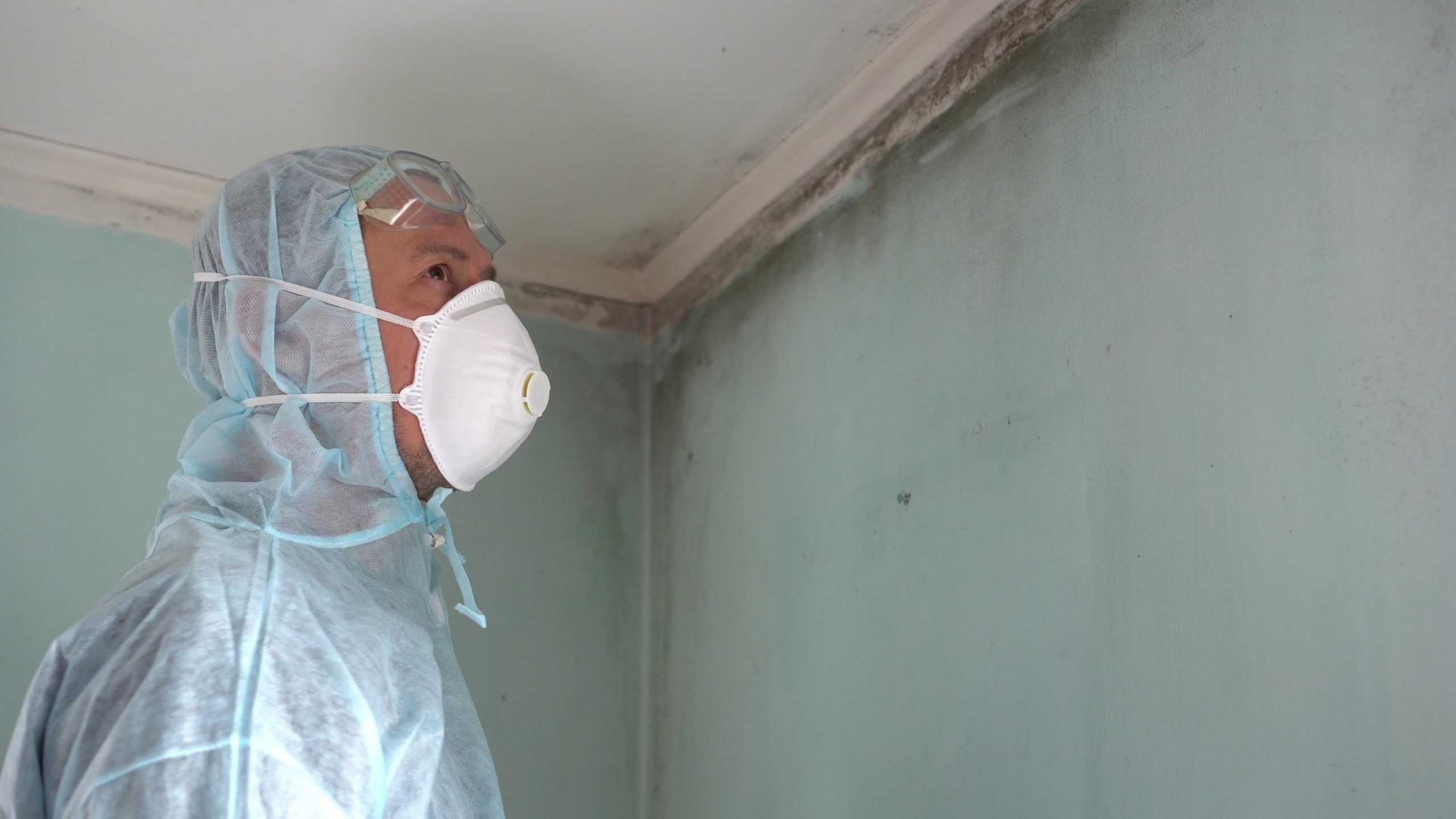
If you’re smelling something musty that won’t go away, that’s usually your first clue. Mold has a distinct odor, and if you’re noticing it in certain rooms or after it rains, there’s a good chance mold is growing somewhere nearby.
Other signs include visible discoloration on walls or ceilings, water stains that never fully dried, condensation on windows, or allergy symptoms that get worse when you’re inside your home. If anyone in your household is experiencing persistent coughing, sneezing, or respiratory issues that improve when they leave the house, that’s worth investigating.
You should also consider testing if you’ve had any water damage in the past year even if it was cleaned up. Mold can start growing within 24 to 48 hours of water exposure, and it doesn’t always show up right away. It can be hidden behind walls, under flooring, or inside your HVAC system where you’d never see it without the right equipment.
A mold inspection is a visual assessment. We walk through your property, look for visible mold, check for moisture problems, and identify areas where conditions are right for mold growth. We use tools like thermal imaging and moisture meters to find hidden issues, but we’re not taking samples yet.
Mold testing goes a step further. If we find something during the inspection or if you’re experiencing symptoms but we can’t see any mold we take air samples or surface samples and send them to a lab. The lab identifies the type of mold, measures the concentration, and gives us data we can use to determine the severity of the problem.
Most of the time, if there’s visible mold, testing isn’t necessary. The CDC and NIOSH both say that a thorough visual inspection is often more reliable than air sampling. But if the mold is hidden, or if you need documentation for insurance or a real estate transaction, testing provides the proof you need.
You can, but those kits have serious limitations. Most over-the-counter test kits only tell you if mold spores are present which they almost always are, because mold spores exist everywhere. They don’t tell you what type of mold it is, how much is there, or whether it’s actually a problem.
Professional mold testing uses calibrated equipment and lab analysis to give you specific information. We’re not just confirming that mold exists. We’re identifying the species, measuring the concentration, and comparing it to outdoor levels to determine if your indoor air quality is compromised.
DIY kits also can’t find hidden mold. If the mold is behind a wall or under flooring, a test kit sitting on your counter isn’t going to detect it. We use thermal imaging and moisture meters to locate problem areas that aren’t visible, and we take samples from those specific locations to get accurate results.
The inspection itself usually takes one to two hours, depending on the size of your home and how many areas we need to check. If we’re taking samples, that adds a little time, but we work efficiently and we’re not going to disrupt your day more than necessary.
Once we send samples to the lab, results typically come back within three to five business days. The lab we work with is nationally recognized and specializes in mold analysis, so you’re getting accurate data fast.
After we receive the results, we’ll walk you through the report and explain what everything means. If remediation is needed, we’ll outline the next steps and provide a detailed estimate. If the mold levels are normal or the issue is minor, we’ll let you know that too. The goal is to give you clarity so you can make an informed decision about what to do next.
Yes, and it can go either way. If you’re selling your home and a buyer’s inspector finds mold, that can drop your home’s value by 20 to 37 percent or kill the sale entirely. About half of potential buyers will walk away once they learn a property has had a mold problem.
But if you test for mold before listing, find it, and remediate it properly, you can provide documentation that shows the issue was handled by professionals. That’s a selling point, not a liability. Buyers want to know they’re not inheriting someone else’s problem.
If you’re not selling, mold testing still protects your investment. Mold damage gets worse over time, and the longer it goes untreated, the more expensive the repairs become. Catching it early means smaller fixes, lower costs, and less risk to your family’s health. Property value isn’t just about resale it’s about maintaining the structural integrity of your home so it doesn’t lose value while you’re still living in it.
It depends on what caused the mold. If the mold is the result of a sudden, accidental event like a burst pipe or a roof leak from storm damage most homeowners insurance policies will cover testing and remediation. If the mold is from long-term neglect, poor maintenance, or ongoing moisture problems, coverage is less likely.
The key is documentation. Insurance companies want proof that the mold was caused by a covered event and that you took reasonable steps to address it. That’s where professional mold testing comes in. We provide detailed reports and work directly with insurance companies to help you navigate the claims process.
We’ve handled plenty of insurance claims over the years, and we know what documentation adjusters are looking for. If your policy covers it, we’ll make sure you have everything you need to file a successful claim. If it doesn’t, we’ll give you a clear estimate upfront so you know what to expect.
Other Services we provide in Frankford