
Hear from Our Customers
Most people don’t need mold testing. They need to know if what they’re seeing is actually dangerous, if it’s affecting their family’s health, and whether it’s going to cost them thousands to fix.
That’s what testing does. It tells you what type of mold is present, at what concentration, and whether it’s the kind that causes respiratory issues or just looks ugly. Some mold is harmless. Some knocks 20-37% off your property value and triggers asthma in kids. You can’t tell the difference by looking.
Our mold evaluation process uses laboratory analysis to identify specific species and concentration levels. We collect samples from multiple areas, including spots you’d never think to check inside HVAC ducts, behind baseboards, under flooring near old leaks. Then an independent lab tells you exactly what’s there. No guessing. No upselling based on fear.
Within a week, you’ll have a written report with photos, findings, and a clear explanation of what it means for your home and health. If there’s a problem, you’ll know how serious it is. If there isn’t, you’ll have documentation proving it which matters when you’re selling or filing an insurance claim.
We’ve served Fitler Square and the greater Philadelphia area for over 25 years. We’re not a franchise following a corporate script. We’re local professionals who understand why mold grows in this region and how to find it in the older rowhomes and brownstones that make this neighborhood what it is.
Fitler Square sits close enough to the Schuylkill River that humidity is a constant factor. Add in century-old construction, outdated ventilation, and Philadelphia’s heavy spring rains, and you’ve got conditions where mold doesn’t just grow it thrives in places most inspections miss.
Our team includes certified mold remediation professionals who follow EPA standards and Pennsylvania regulations. We use thermal imaging and moisture meters to detect problems before they’re visible. And because we’re independent, our testing results aren’t tied to whether you hire us for remediation. You get honest answers, not a sales pitch.
We start with a free initial inspection. A certified technician walks through your property and identifies areas where mold is visible, likely, or hidden. That includes obvious spots like bathrooms and basements, but also less obvious ones around windows with poor seals, inside wall cavities near old plumbing, and in HVAC systems that circulate spores throughout your home.
Next, we collect samples. Air samples measure what’s floating around that you’re breathing in. Surface samples test what’s growing on walls, floors, or furniture. We take multiple samples from different rooms to get an accurate picture of contamination levels throughout the property.
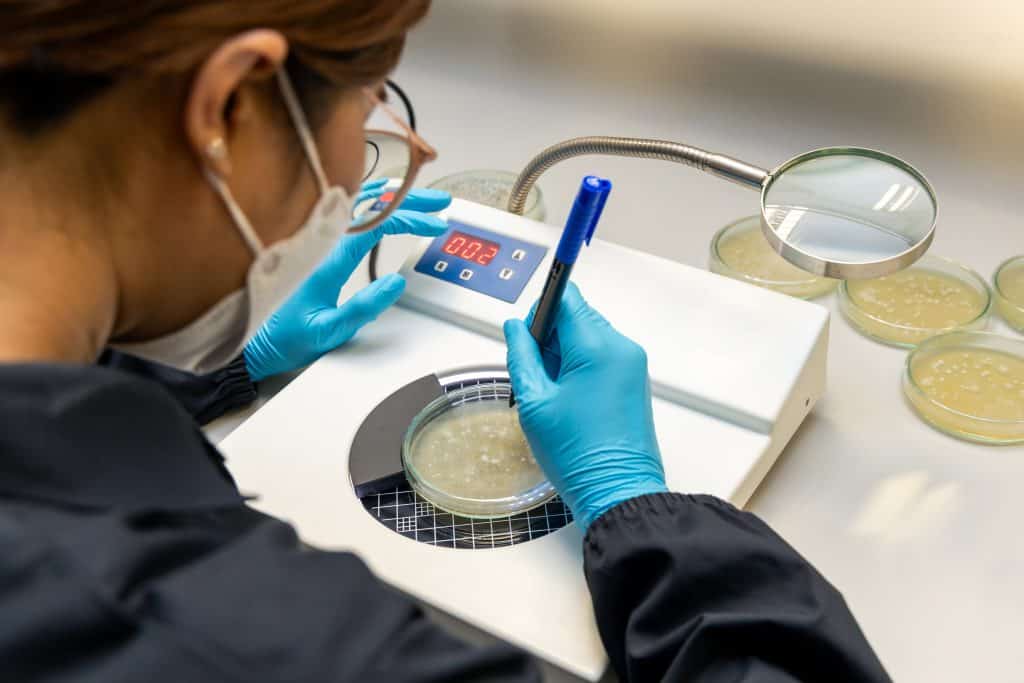
Those samples go to an independent laboratory for analysis. The lab identifies specific mold species and measures concentration levels. This isn’t a pass/fail test it’s detailed data about what’s present and whether it’s at levels that pose health risks or structural concerns.
Within 3-7 days, you receive a written report. It includes lab results, photos from the inspection, identified moisture sources, and a severity assessment. We walk you through what it means in plain language. If remediation is needed, we explain what that involves and provide an upfront estimate. If it’s minor and you can handle it yourself, we’ll tell you that too.

Ready to get started?
Our mold testing service covers your entire property, not just the room where you noticed a problem. Mold spreads through spores that travel through air and ventilation systems. If it’s growing in your basement, there’s a good chance it’s affecting air quality on your second floor.
We inspect all common problem areas: bathrooms, kitchens, basements, crawl spaces, attics, and around windows and doors. We also check areas with previous water damage, even if it was years ago. Water doesn’t just dry and disappear in Fitler Square’s older homes it seeps into wood framing and stays there, creating perfect conditions for hidden growth.
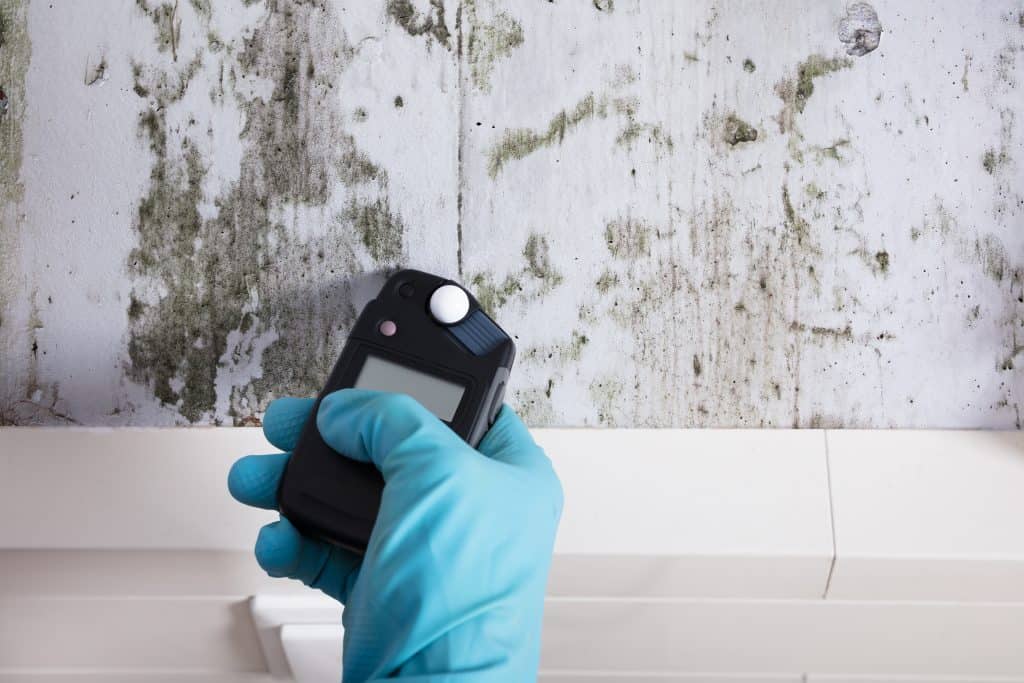
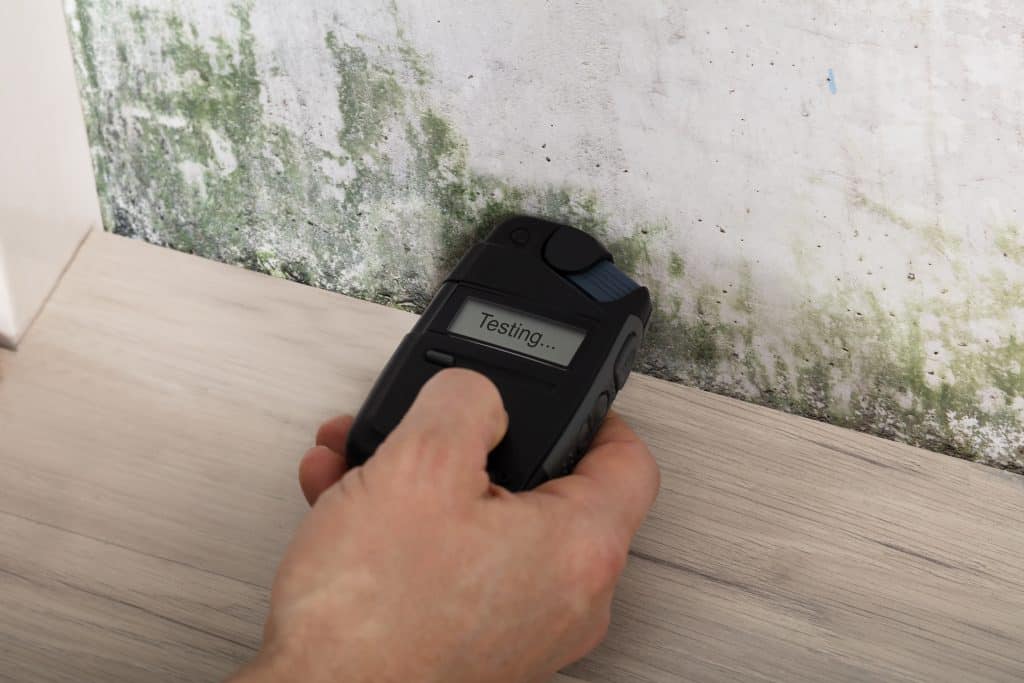
Our equipment includes moisture meters that detect elevated levels inside walls and ceilings, and thermal imaging cameras that show temperature variations indicating leaks or poor insulation. These tools find problems before they become visible, which is critical because mold can contaminate a home within 24-48 hours once conditions are right.
The testing process is non-invasive. We’re not tearing into walls or making a mess. We’re gathering data to give you an accurate assessment. And because we work with your insurance company and handle claims paperwork, the process is straightforward if coverage applies.
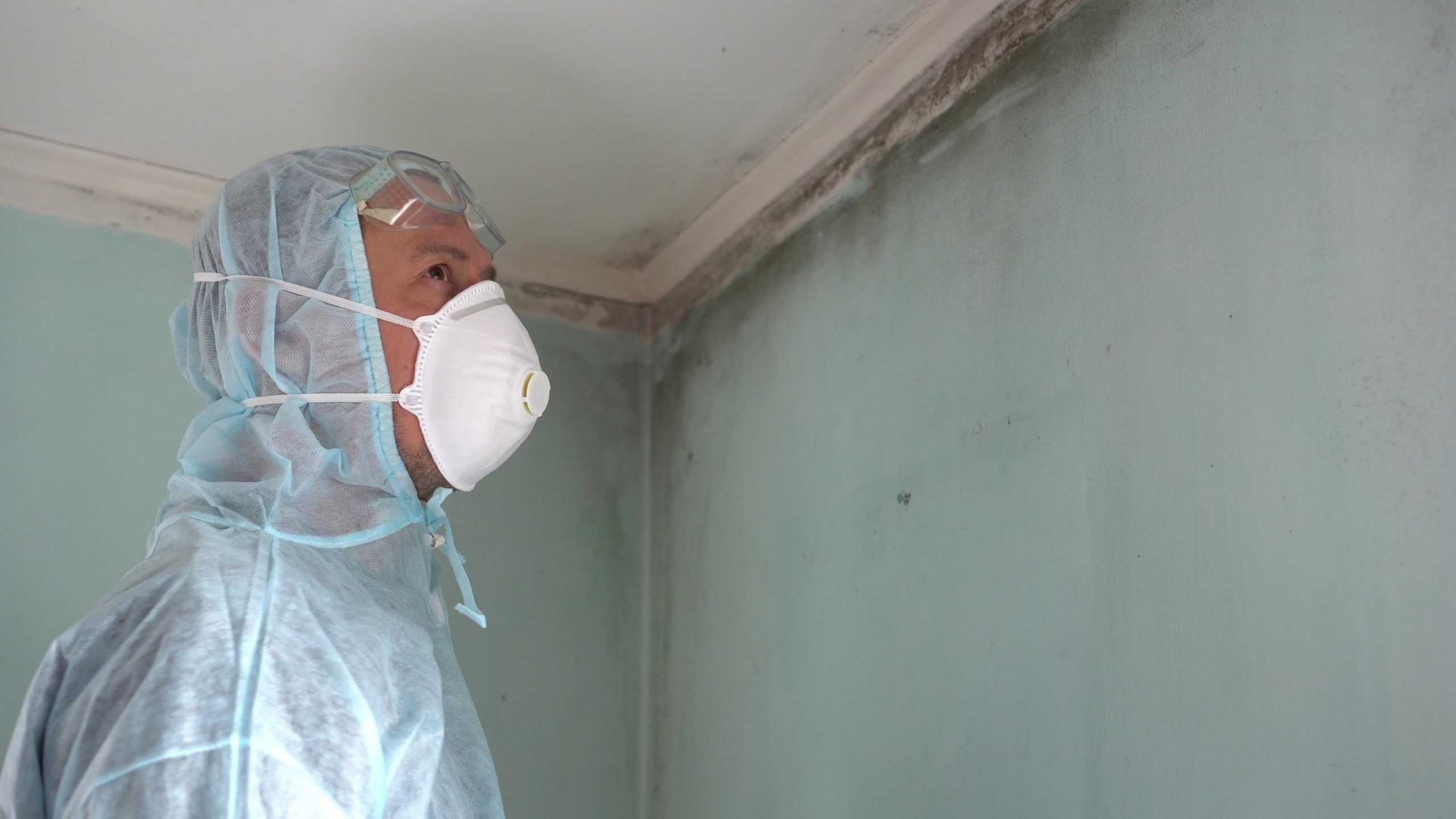
If you can see mold, smell it, or have unexplained health symptoms that get better when you leave the house, testing confirms what’s there and how serious it is. Visible mold doesn’t always mean you need professional remediation some surface mold wipes off and doesn’t come back. But if it keeps returning, or if you’re experiencing allergic reactions like sneezing, congestion, headaches, or respiratory issues, testing identifies whether you’re dealing with toxic species or just cosmetic growth.
Testing also makes sense if you’ve had water damage from a leak, flood, or even just persistent humidity. Mold can grow inside walls, under flooring, and in ductwork where you’ll never see it. By the time it’s visible, contamination is usually widespread. Early detection through professional mold inspection catches problems while they’re still manageable.
Finally, if you’re buying or selling a home in Fitler Square, testing provides documentation. Buyers want proof there’s no hidden mold. Sellers want to avoid deals falling through because an inspection found something that could’ve been addressed earlier. Lab results give everyone confidence about what they’re dealing with.
An inspection is a visual assessment. A technician walks through your property, looks for visible mold, checks for moisture problems, and identifies conditions that promote growth. It’s useful for finding obvious issues and determining whether testing is necessary.
Testing goes further. It involves collecting air and surface samples and sending them to a laboratory for analysis. The lab identifies specific mold species and measures concentration levels. This tells you not just that mold is present, but what kind it is and whether it’s at levels that pose health risks. Some molds are relatively harmless. Others like black mold cause serious respiratory problems and require immediate professional remediation.
Most people need both. The inspection finds where mold is growing and why. The testing tells you how dangerous it is and whether you’re dealing with a minor cleanup or a major remediation project. Together, they give you the complete picture you need to make an informed decision about next steps.
The on-site inspection and sample collection usually takes 1-2 hours, depending on your property size and how many areas we’re testing. We’re thorough but efficient. We’re not disrupting your day or making a mess we’re gathering samples and documenting conditions.
Once samples are collected, they go to an independent laboratory for analysis. Lab processing typically takes 3-5 business days. Some labs offer rush services if you’re dealing with an urgent situation, like a real estate transaction with a tight closing date or a health emergency.
You’ll receive a detailed written report that includes lab results, photos from the inspection, identified moisture sources, and our assessment of severity. We don’t just hand you a report and disappear. We walk you through the findings, explain what they mean in plain language, and answer any questions. If remediation is recommended, we provide a clear estimate and timeline. If the results show minor issues you can address yourself, we’ll explain how to do that safely.
It depends on what caused the mold. Most homeowners insurance policies cover mold remediation if it resulted from a covered peril like a burst pipe, roof leak, or storm damage. If mold grew because of long-term neglect, poor maintenance, or humidity issues you didn’t address, coverage is unlikely.
The key is documentation. Insurance companies want proof that mold resulted from a sudden, accidental event, not gradual deterioration. That’s where professional mold testing helps. Lab results and a detailed inspection report provide the documentation insurers require to process claims. Without it, you’re fighting an uphill battle.
We work directly with insurance companies and handle the paperwork. We know what documentation they need, how to present findings, and how to communicate with adjusters. This doesn’t guarantee coverage, but it significantly improves your chances. And if your claim is denied, you’ll at least have a clear explanation why and can make an informed decision about paying out of pocket or appealing.
You can, but the results won’t tell you much. Most DIY kits test whether mold is present which isn’t useful because mold exists in virtually every home. What matters is the type of mold and the concentration level. A small amount of common mold isn’t a problem. High concentrations of toxic mold are a serious health risk. DIY kits don’t distinguish between the two.
Professional testing uses laboratory analysis to identify specific species and measure concentration levels in different areas of your home. This tells you whether you’re dealing with harmless surface mold or something that requires professional remediation. It also identifies the moisture source causing growth, which is critical for preventing recurrence.
The other issue with DIY testing is that you probably won’t sample the right areas. Mold hides in places you’d never think to check inside walls, under flooring, in HVAC ducts. Our inspectors use moisture meters and thermal imaging to find hidden growth before it spreads. By the time mold is visible enough for you to test it yourself, contamination is usually widespread. Early professional detection saves money and protects your family’s health.
First, don’t panic. Most mold problems are fixable, and knowing exactly what you’re dealing with puts you in control. The lab report will specify which mold species are present and at what concentration. If it’s minor surface mold, we’ll explain how to clean it safely and address the moisture source so it doesn’t return.
If testing reveals toxic mold or widespread contamination, professional remediation is necessary. That involves containing the affected area to prevent spores from spreading, removing contaminated materials, treating surfaces with antimicrobial solutions, and using HEPA filtration to clean the air. We provide a detailed estimate and timeline before any work begins. No surprises, no hidden fees.
We also identify and fix the root cause whether that’s a plumbing leak, poor ventilation, or humidity issues common in Fitler Square’s older homes. Remediation without addressing the moisture source is pointless. Mold will just come back. Our goal is permanent solutions, not temporary fixes that require another call in six months.
Other Services we provide in Fitler Square