
Hear from Our Customers
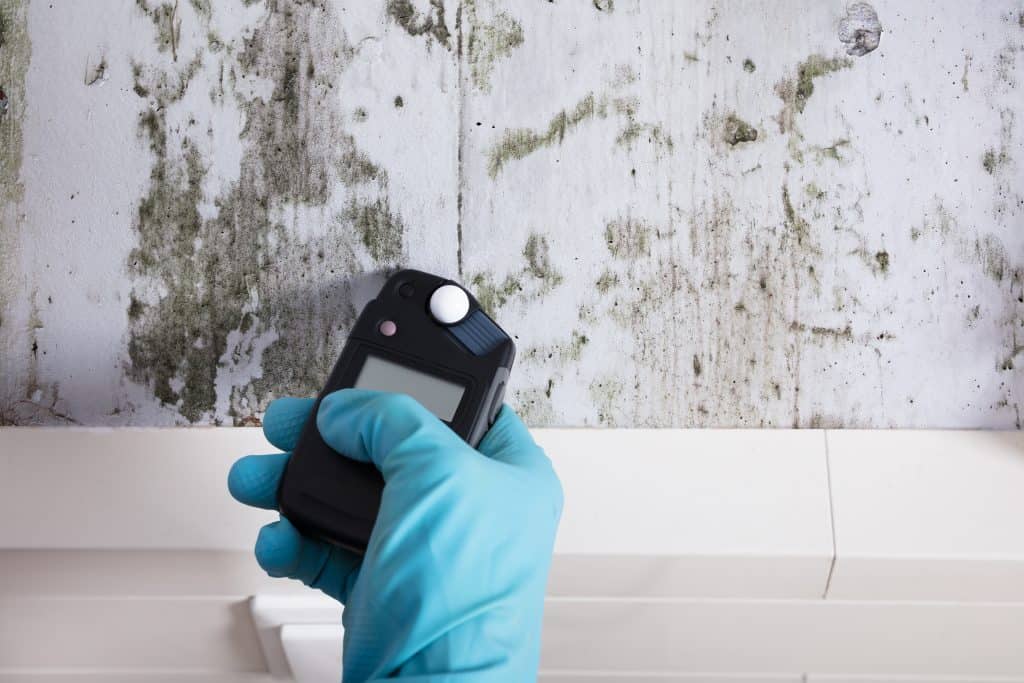
You can’t see mold spores. They’re floating through your air right now, settling into your HVAC system, hiding behind walls, growing under floors. That musty smell in your basement isn’t just unpleasant it’s a warning sign.
Professional mold testing gives you actual data. Lab results that identify the type of mold, the concentration levels, and whether it’s affecting your indoor air quality. You’ll know if that persistent cough is related to what’s growing in your home, or if you can finally stop worrying.
Early detection saves you money. A small mold problem costs a few hundred dollars to fix. A widespread infestation that’s been growing for months? That’s when you’re looking at thousands in remediation costs and potential structural damage. Testing catches problems while they’re still manageable.
You get documentation that insurance companies and real estate agents actually accept. If you’re buying a home in Brewerytown, you need to know what you’re getting into. If you’re selling, you need proof that your property is clean. Either way, guessing doesn’t cut it.
We’ve been serving Philadelphia homeowners since 2009. We’re not a national franchise following a script we’re a local company that understands how Brewerytown’s older housing stock and Philadelphia’s humid climate create the perfect conditions for mold growth.
Jeff, our owner, handles most inspections personally. He’s seen every type of mold problem Philadelphia homes can throw at him, from basement flooding in row homes to attic condensation in converted warehouses. That experience matters when you’re trying to figure out where moisture is coming from and how serious your problem actually is.
We offer free inspections because we want you to know what you’re dealing with before you spend a dime. Our testing uses certified laboratories that meet Pennsylvania Department of Health standards, and we’ll walk you through the results in plain language no jargon, no upselling, just honest answers about what’s happening in your home.
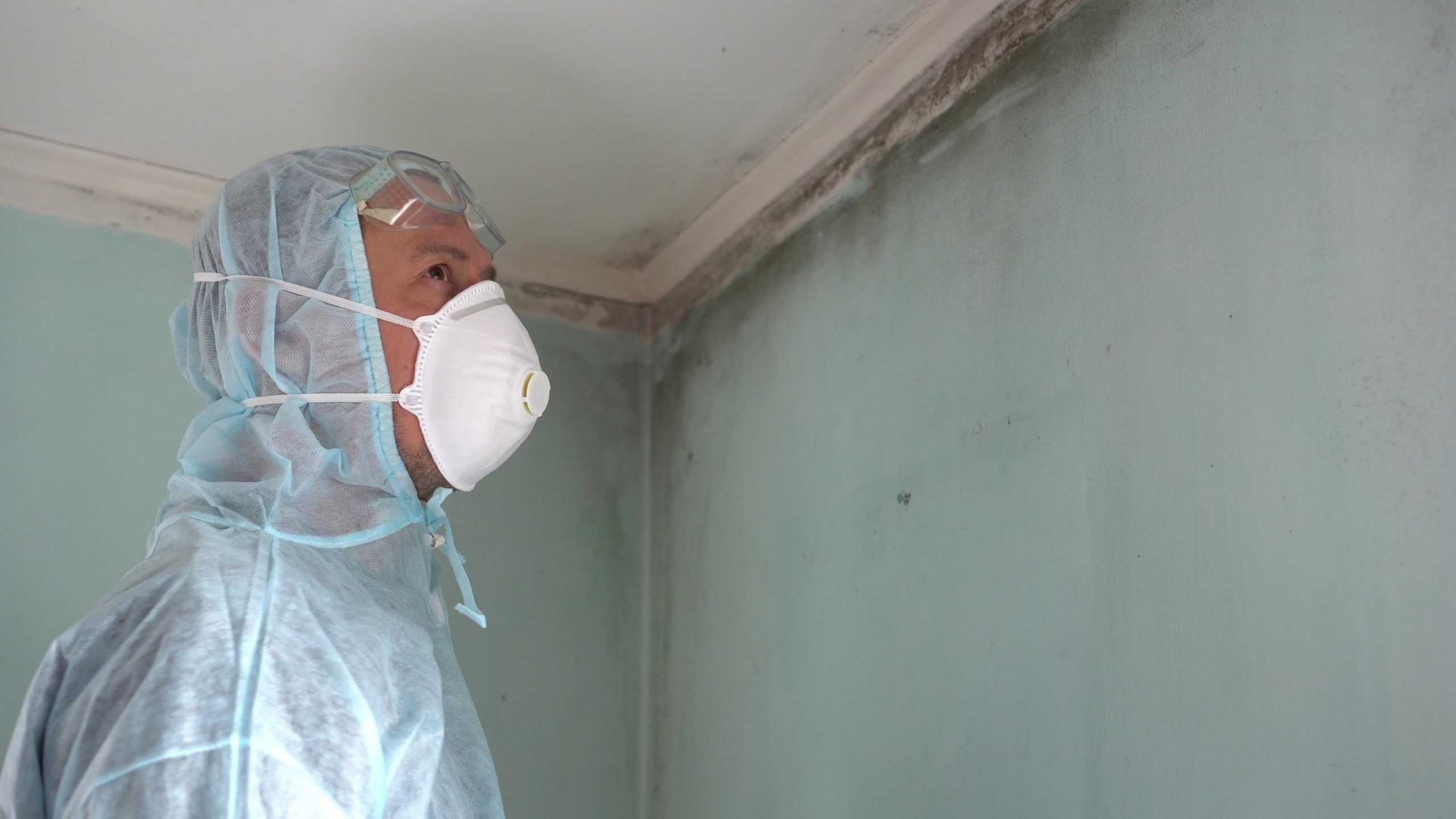
We start with a visual assessment of your entire property. That means checking the obvious spots bathrooms, basements, kitchens but also looking in places most homeowners never think about. Crawl spaces, attic insulation, behind appliances, inside HVAC ducts. Mold grows where moisture collects, and moisture shows up in unexpected places.
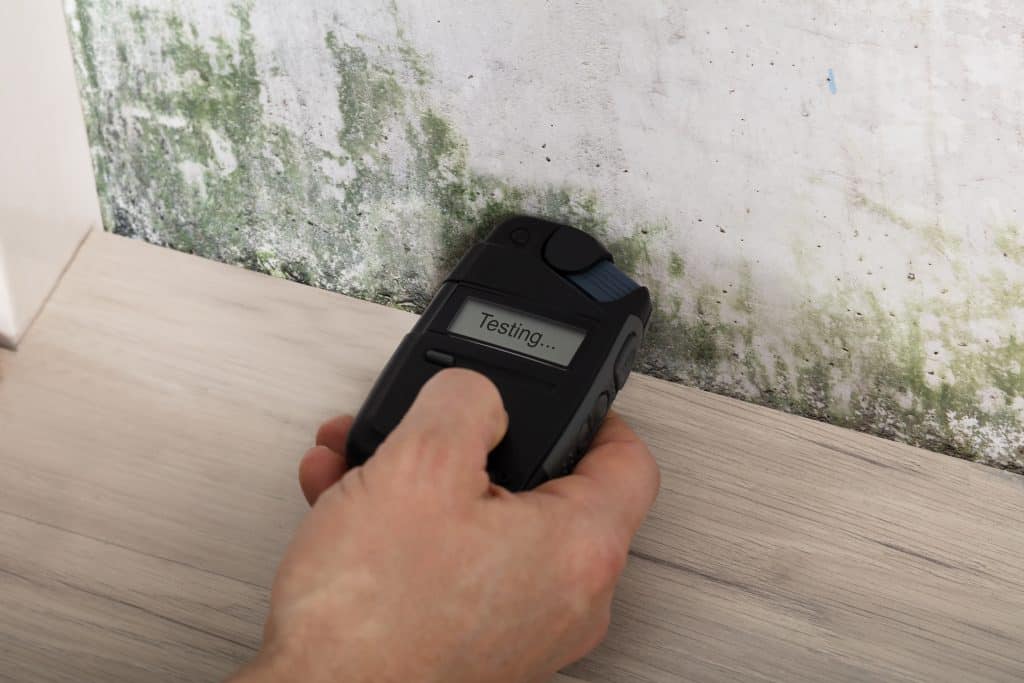
Next comes moisture detection using infrared cameras and digital meters. These tools let us see temperature variations and moisture levels inside walls and under floors without tearing anything apart. If there’s a leak or condensation problem, we’ll find it.
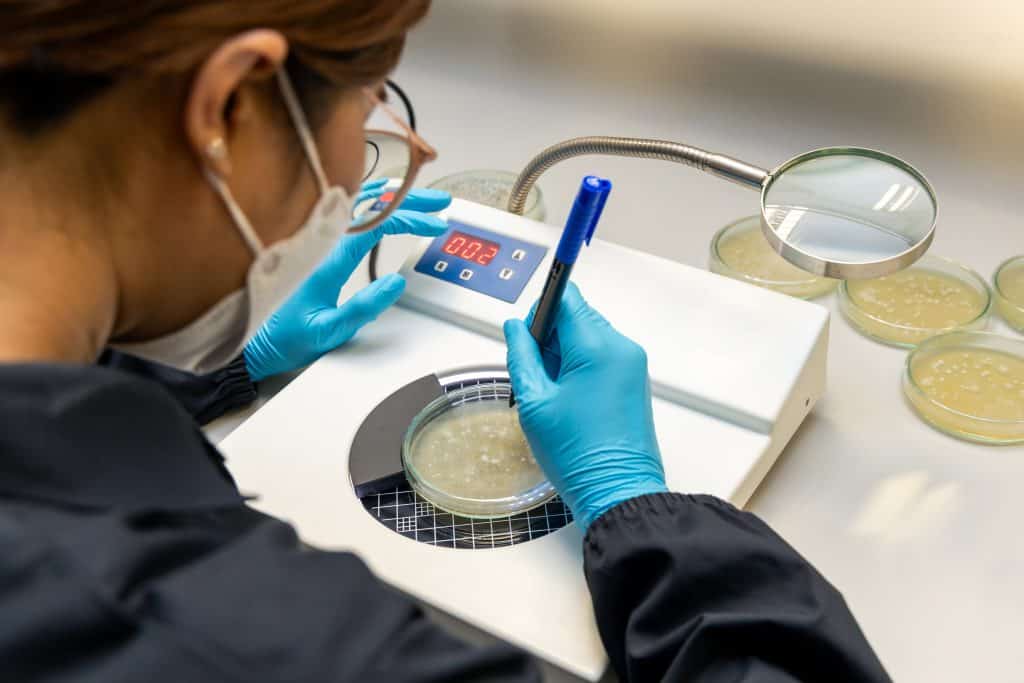
Then we collect air samples from multiple rooms in your home. These samples get sent to a certified laboratory for analysis. The lab identifies every type of mold spore present and measures the concentration levels. You’ll get detailed results within three to seven business days, along with a clear explanation of what those numbers actually mean for your health and your property.
If we find elevated mold levels, we’ll tell you exactly where it’s coming from, what’s causing it, and what needs to happen next. If your air quality is fine, you’ll have documentation proving it. Either way, you’ll know for certain instead of wondering.

Ready to get started?
Every mold inspection includes a complete visual assessment of your property, moisture detection with professional-grade equipment, and air sampling from multiple locations. We don’t just test one room and call it done we’re looking at your entire indoor environment to get accurate results.
The air samples go to an independent, certified laboratory that specializes in residential mold analysis. You’ll receive a detailed report showing every type of mold detected, the spore counts, and how those levels compare to outdoor air and industry standards. This documentation is accepted by insurance companies, real estate professionals, and health departments.
Brewerytown’s housing stock presents unique challenges. Many homes here were built before 1950, with stone foundations that can wick moisture, outdated ventilation systems, and plumbing that’s seen better days. Row homes share walls, which means a neighbor’s water problem can become your mold problem. We understand these local issues because we’ve been dealing with them for over 15 years.
You’ll also get our honest assessment of what’s causing any moisture problems we find. Sometimes it’s a simple fix like improving bathroom ventilation. Sometimes it’s a bigger issue like foundation seepage or a roof leak. We’ll tell you what we see and what you should prioritize no pressure, no sales pitch, just information you can use to make smart decisions about your property.
Most professional mold inspections in the Philadelphia area run between $300 and $800 depending on the size of your property and how many samples you need. Our basic inspection starts at $350 and includes a complete visual assessment, moisture detection throughout your home, and air samples with full laboratory analysis.
Larger homes or properties with multiple problem areas might need additional sampling, which increases the cost. But you’ll know the price upfront we don’t hit you with surprise charges after the fact.
The inspection fee is separate from any remediation work. Testing tells you what the problem is. Remediation fixes it. Some companies offer “free” testing if you hire them for remediation, but that creates an obvious conflict of interest. We’d rather you get unbiased results from an independent lab, then decide what to do next based on actual data instead of a sales pitch.
Air testing measures mold spores floating through your indoor environment. We collect air samples from different rooms, send them to a lab, and get back a detailed analysis of what types of mold are present and at what concentration levels. This method is particularly good at finding hidden mold because spores become airborne even when the colony is behind a wall or under flooring.
Surface testing involves taking a sample directly from visible mold growth usually with a swab or tape lift. This tells you exactly what species is growing in that specific spot, which can be useful if you’re seeing something that looks concerning and want to know if it’s toxic black mold or just common mildew.
For most residential inspections, air testing gives you better overall information about your indoor air quality and whether you have a mold problem affecting your home. Surface testing is more targeted it answers a specific question about a specific spot. We typically recommend air testing first, then add surface samples if we find visible growth that needs identification. That way you’re not paying for tests you don’t actually need.
Laboratory analysis typically takes three to seven business days from the time we collect your samples. The lab is identifying and counting individual mold spores under a microscope, which takes time to do accurately. Rush processing is sometimes available for an additional fee if you’re in a time-sensitive situation like a real estate closing.
You’ll receive a detailed written report showing every type of mold detected in each sample location, the spore counts, and how those numbers compare to outdoor air and acceptable indoor levels. The report also includes the lab’s certification and analysis methods, which is important if you need to submit results to your insurance company or a real estate transaction.
We’ll walk you through the results personally either over the phone or in person, whichever you prefer. Lab reports can be confusing if you’re not familiar with mold terminology and spore count measurements. We’ll explain what the numbers actually mean for your health and your property, and answer any questions you have about next steps.
If we find elevated mold levels, we’ll provide a clear remediation plan with pricing. If your air quality tests clean, you’ll have documentation proving it. Either way, you’re not left wondering what to do with a bunch of technical data you don’t understand.
Home testing kits from hardware stores will tell you if mold is present, but they won’t tell you what type, how much, or whether it’s actually a problem. These kits basically confirm what you already know yes, there are mold spores in your house. There are mold spores in every house. The question is whether you have elevated levels that pose health risks or indicate a moisture problem.
Professional testing uses calibrated air sampling equipment that collects a specific volume of air over a precise time period. The samples go to a certified laboratory where trained technicians identify and count individual spores under a microscope. You get actual data showing concentration levels for each type of mold detected, which tells you if you have a problem and how serious it is.
Home kits also can’t find hidden mold. They only test the spot where you place the kit. If you have mold growing behind a wall or in your HVAC system, a petri dish sitting on your kitchen counter isn’t going to detect it. Professional air sampling captures spores from throughout your home, including from sources you can’t see.
The biggest issue is that home kits don’t come with expert interpretation. You’ll get a result, but you won’t know what it means or what to do about it. Professional testing includes a thorough inspection to find the moisture source causing mold growth, plus guidance on how to fix the problem. That context matters more than the test itself.
Aspergillus and Penicillium are the most common indoor molds we find in Philadelphia area homes. They thrive in damp conditions and often show up in basements, bathrooms, and anywhere moisture accumulates. These molds can cause respiratory issues and allergic reactions, especially in people with asthma or weakened immune systems.
Cladosporium is another frequent one, usually appearing on fabrics, wood surfaces, and in HVAC systems. It’s typically less harmful than other species but can still trigger allergies and respiratory problems with prolonged exposure.
Stachybotrys chartarum commonly called black mold gets the most attention because it produces mycotoxins that can cause serious health effects. It’s less common than people think, but it does show up in Philadelphia homes, particularly after water damage that wasn’t dried properly within 24 to 48 hours. It needs consistently wet conditions to grow, so you’ll usually find it on water-damaged drywall, ceiling tiles, or wood.
Philadelphia’s humid summers and aging building stock create ideal conditions for all these molds. Brewerytown’s older homes often have stone foundations that wick moisture, inadequate ventilation, and plumbing that leaks. The row home construction means poor air circulation between shared walls. These factors combine to create environments where mold thrives if moisture problems aren’t addressed quickly. Testing identifies exactly which species you’re dealing with so you know whether you’re looking at a minor issue or something that needs immediate attention.
Yes. The lab results will show whether your indoor mold levels are elevated compared to outdoor air and industry standards. If your spore counts are significantly higher indoors than outdoors, or if toxic species like Stachybotrys are present at any meaningful level, you need remediation.
The report itself provides the data. Our inspection provides the context. We’ll tell you where the mold is growing, what’s causing the moisture problem, and how extensive the contamination appears to be. That combination of laboratory analysis and on-site assessment gives you a complete picture of what you’re dealing with.
Small, isolated mold growth like mildew on bathroom caulking you can often handle yourself with proper cleaning and ventilation improvements. Widespread contamination, mold inside walls or HVAC systems, or any presence of toxic species requires professional remediation. We’ll be straight with you about which category your situation falls into.
The testing also establishes a baseline. After remediation is complete, we can retest to confirm that spore levels have returned to normal and the problem is actually solved. Without that verification, you’re just hoping the work was done properly. Post-remediation testing gives you proof that your indoor air quality is back to acceptable levels and the money you spent actually fixed the problem.
Other Services we provide in Brewerytown