

Hear from Our Customers
No more musty smell when you walk through the door. No more wondering if that dark spot behind the toilet is spreading. No more waking up with a stuffy nose or worrying about what your kids are breathing in while they sleep.
You get documentation that shows the job was done right. Air quality results you can actually read. And a clear explanation of what caused the problem in the first place so you’re not dealing with this again in six months.
Your home feels lighter. The air smells clean. And when someone asks if you’ve ever had mold issues, you can say yes—and that you handled it the right way.
We work throughout Bucks County, and we know what happens to homes here. Humid summers, damp basements, older construction that wasn’t built with today’s ventilation standards. We’ve seen it all.
Our team uses EPA-approved methods and follows Pennsylvania regulations because cutting corners on mold work doesn’t just risk your health—it risks your investment. We’re local, certified, and we don’t leave until the job’s actually finished.
You’re not getting a sales pitch. You’re getting someone who understands why you called and what needs to happen next.

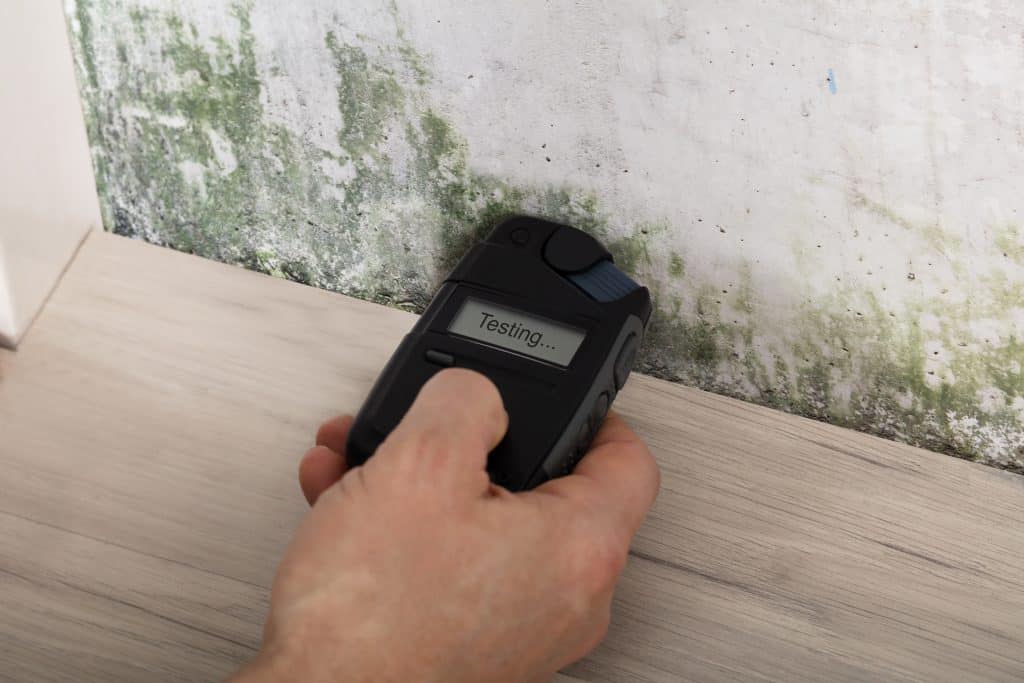
First, we inspect your property. That means checking the obvious spots and the hidden ones—behind walls, under floors, in crawl spaces. We use moisture meters and infrared cameras to find where water is getting in, because mold doesn’t grow without moisture.
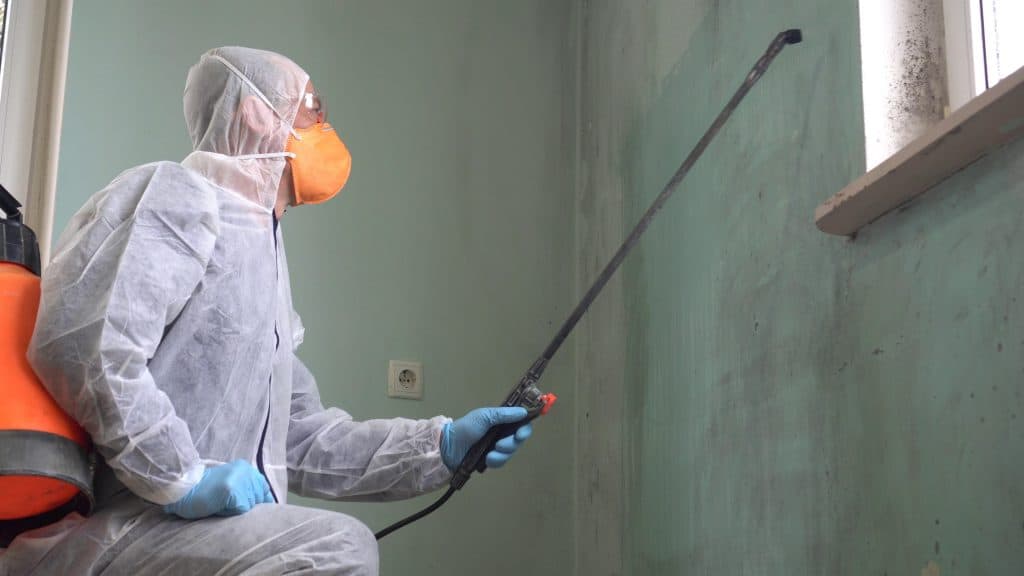
Then we contain the area so spores don’t spread to clean parts of your home. We remove contaminated materials, treat affected surfaces, and run air scrubbers to clean what you can’t see. Everything gets documented with photos and lab results if needed.
After removal, we test the air quality to confirm the mold is gone. Then we help you understand what caused it—whether it’s a leaky pipe, poor ventilation, or something else—and how to prevent it. If repairs are needed, we handle that too. You’re not bouncing between three different contractors trying to piece together a solution.
Ready to get started?
You get a full property inspection at no cost. We’re looking for visible mold, hidden growth, and moisture sources that could cause problems down the road. In Wismer and throughout Bucks County, basements and crawl spaces are common trouble spots, especially in homes built before modern waterproofing standards.
We handle black mold removal, attic mold, bathroom mold—whatever’s growing, wherever it’s growing. Our team uses containment barriers, HEPA filtration, and antimicrobial treatments that meet EPA standards. If you’re dealing with insurance, we provide the documentation they need.
After remediation, we test your air quality to make sure spore counts are back to normal levels. Then we walk you through what we found, what we fixed, and what you should keep an eye on. If structural repairs are needed—like replacing drywall or fixing a roof leak—we take care of that too. One call, one team, complete solution.
Most mold removal projects in Bucks County run between $1,500 and $7,000, depending on the size of the affected area and how far the mold has spread. A small bathroom might cost $1,500 to $3,000. A full basement or multiple rooms can reach $5,000 to $7,000 or more.
The price depends on square footage, the type of materials affected, and whether structural repairs are needed. If we have to remove drywall, flooring, or insulation, that adds to the cost. If it’s just surface mold on a small section of wall, it’s less.
We give you a clear estimate after the inspection. No surprises, no upselling. And if you’re filing an insurance claim, we help with the paperwork. Most homeowners policies in Pennsylvania cover mold if it’s caused by a sudden event like a burst pipe, though coverage limits typically range from $2,500 to $10,000.
A typical mold removal job takes one to three days. Small areas like a bathroom or closet might be done in a day. Larger projects—like a finished basement or multiple rooms—usually take two to three days, sometimes longer if we’re waiting on materials to dry or doing reconstruction work.
The timeline depends on the extent of contamination and how much material needs to be removed. Containment and air scrubbing add time, but they’re necessary to keep mold from spreading to clean areas of your home.
We don’t rush the process. Mold remediation done too quickly usually means it wasn’t done thoroughly. You’ll know the timeline upfront, and we keep you updated if anything changes. Most of our clients are back in their homes within a week, including any repairs.
If it’s a tiny spot—less than 10 square feet, on a hard surface like tile, and you know exactly what caused it—you might be able to handle it yourself with the right cleaner and protective gear. Anything bigger than that, you need a mold specialist.
Here’s why: mold spreads through spores you can’t see. Disturbing it without proper containment sends those spores into your HVAC system and throughout your home. You also need to find and fix the moisture source, or it just grows back. Most DIY attempts miss hidden growth behind walls or under flooring.
Black mold removal especially requires professional equipment and safety protocols. Exposure to high concentrations of certain mold types can cause serious respiratory issues, particularly if you have asthma or allergies. A certified mold removal company has the tools to do it safely and the experience to do it completely. You’re not just paying for removal—you’re paying for it to stay gone.
It depends on what caused the mold. Most Pennsylvania homeowners policies cover mold if it resulted from a “covered peril”—like a burst pipe, storm damage, or appliance malfunction. They typically don’t cover mold caused by long-term neglect, like a slow leak you ignored for months.
Coverage limits for mold usually range from $2,500 to $10,000 in Pennsylvania, though some policies go higher. You’ll need documentation showing the mold resulted from sudden water damage, not gradual moisture buildup.
We work with insurance companies regularly and know what they need—photos, moisture readings, scope of work, itemized estimates. We can help you navigate the claims process and provide the documentation that gets claims approved. If your policy doesn’t cover it, we’ll give you a clear breakdown of costs upfront so you can make an informed decision.
Moisture. That’s it. Mold needs water to grow, and Bucks County gives it plenty of opportunities. Humid summers push indoor humidity above 60%, which is enough for mold to start growing within 24 to 48 hours if there’s a water source.
Common causes in Wismer include basement seepage, roof leaks, poor attic ventilation, plumbing leaks, and condensation around windows or HVAC systems. Older homes in this area often have stone foundations that weren’t waterproofed to modern standards, making basements especially vulnerable.
After heavy rain, check your basement and crawl spaces. If you smell something musty, don’t ignore it. Mold starts small but spreads fast, especially in warm weather. Fixing the moisture problem is just as important as removing the mold—otherwise you’re just treating symptoms, not the cause.
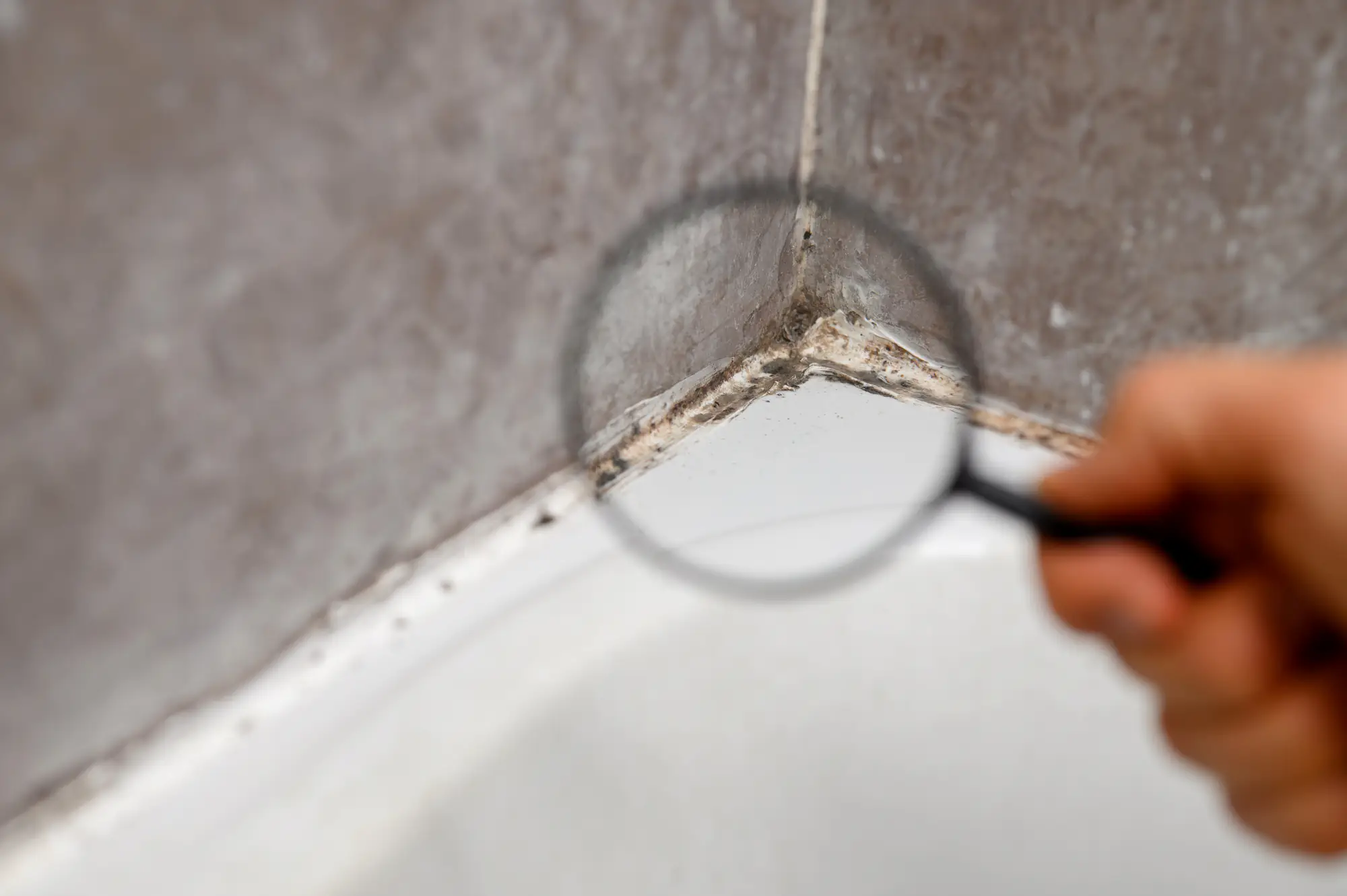
You might see it—dark spots on walls, ceilings, or grout. You might smell it—a musty, earthy odor that doesn’t go away even after you clean. Or you might feel it—persistent congestion, coughing, itchy eyes, or headaches that get better when you leave the house.
Mold often hides in places you don’t check regularly: behind drywall, under carpets, in attic insulation, inside HVAC ducts. If you’ve had any water damage in the past year—even something minor like an overflowing toilet or a small roof leak—there’s a chance mold started growing in areas you can’t see.
A professional mold inspection finds what you’re missing. We check moisture levels, look for hidden growth, and test air quality if needed. If you’re buying or selling a home in Bucks County, an inspection protects everyone involved. Visible mold can drop a home’s value by 20% or more, and most buyers won’t close until it’s resolved.
Other Services we provide in Wismer