

Hear from Our Customers
You shouldn’t have to worry about the air you breathe in your own space. When mold takes hold in Washington Square West’s historic buildings, it doesn’t just create unsightly patches—it threatens your health and your investment.
Professional mold removal eliminates the source completely, not just the symptoms you can see. You get clean air, protected property values, and peace of mind knowing the job was done right the first time.
Your home becomes the safe haven it should be, free from musty odors, respiratory irritants, and the constant concern about what’s growing behind your walls.
We understand what makes Washington Square West unique. These aren’t cookie-cutter suburban homes—they’re historic properties with plaster walls, aging ventilation systems, and architectural details that require specialized care.
We’ve worked throughout Philadelphia’s oldest neighborhoods, tackling mold problems in buildings that date back decades. Your 1930s row house or converted loft presents different challenges than newer construction, and we approach each project with that expertise.
Local knowledge matters when you’re dealing with the humid summers, aging infrastructure, and dense urban environment that make mold such a persistent problem in this area.

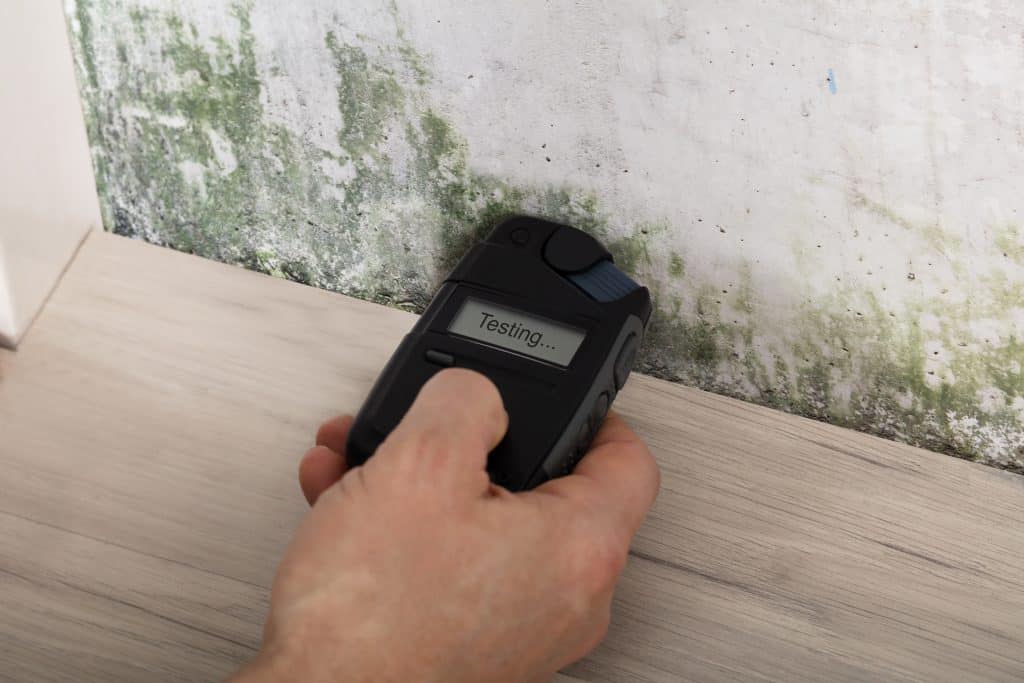
We start with a thorough inspection to find not just the mold you can see, but the moisture sources feeding it. Using specialized equipment, we identify problem areas in wall cavities, behind fixtures, and in those hard-to-reach spaces common in older buildings.
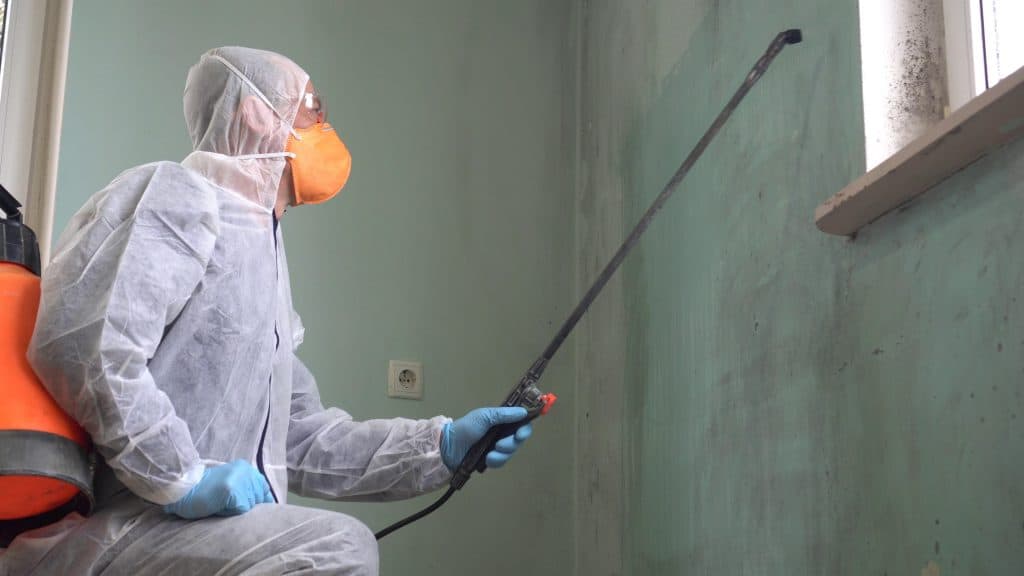
Next comes containment—sealing off the affected area so mold spores don’t spread to clean parts of your home during removal. We use professional-grade air filtration systems to capture microscopic spores that would otherwise circulate through your living space.
The removal process targets both visible mold growth and the materials it has contaminated. We don’t just clean the surface; we eliminate the entire problem, including addressing the moisture source that allowed mold to grow in the first place.
Ready to get started?
Your mold removal service includes complete inspection, professional containment, thorough removal of contaminated materials, and treatment of all affected surfaces. We handle the entire process from initial assessment through final clearance testing.
In Washington Square West’s aging housing stock, mold problems often involve more than surface cleaning. Many of these historic buildings have plaster walls, brick foundations, and ventilation systems that create unique challenges requiring specialized approaches.
We also address the root cause—whether it’s a hidden leak, poor ventilation, or moisture intrusion common in buildings with older windows and roofing systems. You get a complete solution, not just a temporary fix that allows mold to return in a few months.
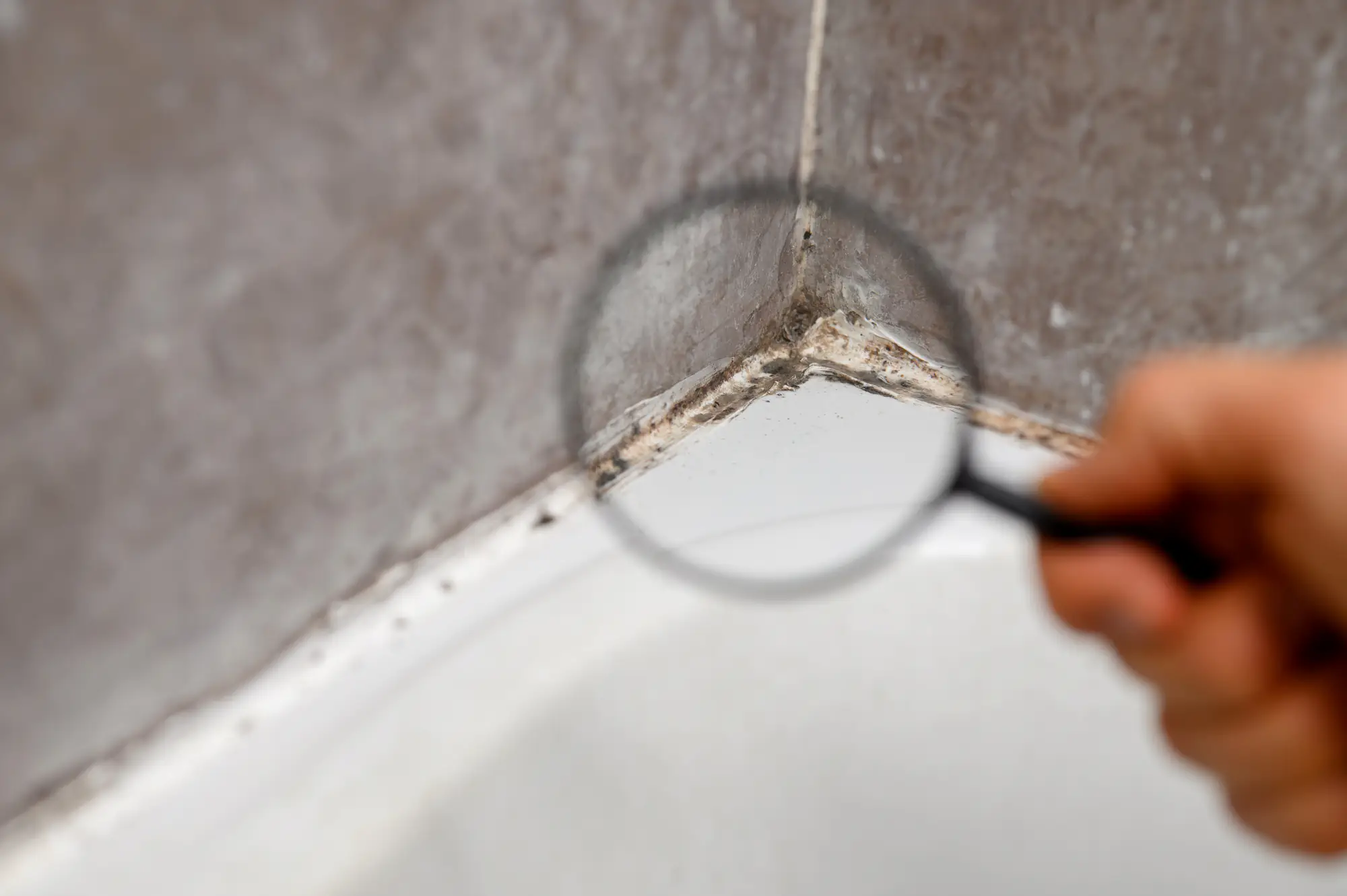
Mold can begin growing within 24 to 48 hours in the right conditions, and Washington Square West’s historic buildings often provide ideal environments. The combination of aging ventilation systems, plaster walls that retain moisture, and the area’s humid climate means mold can spread rapidly once it takes hold.
In buildings constructed in the 1930s and 1940s, like many in Washington Square West, moisture can travel through wall cavities and between units in ways that aren’t immediately obvious. What starts as a small problem behind a bathroom wall can quickly spread to adjacent rooms or even neighboring units in row houses.
The dense urban environment also means mold spores can easily transfer between closely-spaced buildings, making professional containment and removal even more critical to prevent ongoing problems.
Historic properties in Washington Square West present unique challenges that require specialized expertise. Many buildings have plaster walls instead of modern drywall, brick or stone foundations that can wick moisture, and ventilation systems that don’t meet current standards.
These older construction methods mean mold can hide in places that wouldn’t be problematic in newer buildings. Plaster walls can harbor mold growth behind the surface, and original window installations may allow moisture intrusion that feeds ongoing mold problems.
Professional mold removal in these properties requires understanding how to work with historic materials, identifying moisture sources specific to older construction, and using techniques that won’t damage architectural details or historic elements that give these buildings their character.
Mold removal costs in Washington Square West typically range from $1,500 to $5,000 for most residential projects, though the final price depends on the extent of the problem and complexity of the work required. Historic buildings often require more specialized approaches, which can affect pricing.
Factors that influence cost include the size of the affected area, the type of materials involved, accessibility of the mold growth, and whether structural repairs are needed. In older buildings with plaster walls or hard-to-reach areas, removal can be more complex than in standard construction.
The investment in professional removal is typically much less than the cost of ongoing health problems, property damage, or the dramatic decrease in home value that untreated mold can cause. Most homeowners find that addressing mold problems quickly and professionally saves money in the long run.
Visible mold is typically just the tip of the iceberg, especially in Washington Square West’s older buildings where mold can spread through wall cavities and behind surfaces you can’t see. Surface cleaning doesn’t address the root moisture problem or eliminate mold growth in hidden areas.
DIY cleaning can actually make the problem worse by disturbing mold colonies and releasing thousands of spores into your air. Without proper containment and professional equipment, you risk spreading contamination to clean areas of your home.
In historic buildings with plaster walls, brick foundations, or aging ventilation systems, mold problems are often more complex than they appear. Professional removal includes identifying all affected areas, addressing moisture sources, and ensuring complete elimination—something that’s difficult to achieve with household cleaning products.
Preventing mold recurrence in Washington Square West requires addressing both the immediate moisture sources and the environmental factors that make these historic buildings susceptible to mold growth. This includes identifying and repairing leaks, improving ventilation, and controlling humidity levels.
Many older buildings in the area have ventilation systems that weren’t designed for modern humidity control. Professional mold removal includes recommendations for improving air circulation, installing proper exhaust fans, and using dehumidifiers to maintain indoor humidity below 50%.
We also address structural issues common in historic properties—sealing around older windows, improving drainage around foundations, and identifying areas where moisture commonly intrudes. The goal is creating an environment where mold can’t establish itself, even during Philadelphia’s humid summers.
Mold exposure can cause respiratory problems, allergies, skin irritation, and eye irritation, with symptoms often worsening over time if the source isn’t eliminated. In Washington Square West’s dense housing environment, mold problems can affect multiple residents and spread between units.
People with asthma, allergies, or compromised immune systems are particularly vulnerable to mold-related health issues. Even healthy individuals can develop sensitivities with ongoing exposure, experiencing symptoms like persistent coughing, headaches, or fatigue that improve when they leave the affected building.
The air quality issues from mold growth can be especially problematic in older buildings with shared ventilation systems or poor air circulation. Professional removal ensures that mold spores are properly contained and eliminated, rather than continuing to circulate through your living space and potentially affecting your health long-term.
Other Services we provide in Washington Square West