

Hear from Our Customers
You’ll breathe easier once the mold is actually gone. Not covered up, not temporarily treated—removed at the source with the moisture problem fixed so it doesn’t come back next season.
Your basement won’t smell like mildew anymore. Your kids’ allergies might finally calm down. And if you’re selling, you won’t have to drop your asking price or lose a buyer over a failed inspection.
Bucks County’s humidity doesn’t take a break, especially in older Traymore homes where basements stay damp and attics trap moisture. You need more than a quick cleanup. You need someone who knows where mold hides in homes like yours and how to stop it from spreading while we work.
We work with homeowners throughout Traymore and the surrounding Bucks County area. We know the local housing stock—the stone foundations that seep, the crawl spaces that flood, the attics that don’t ventilate.
We’re not a national franchise reading from a script. We’re local, and we’ve seen what happens when Pennsylvania humidity meets poor drainage or an old roof leak. We respond fast because we know how quickly mold spreads here, especially between May and September.
You’ll work with certified mold specialists who use thermal imaging and moisture meters, not guesswork. And we’ll walk you through what we find, what it’ll take to fix it, and what you can expect.

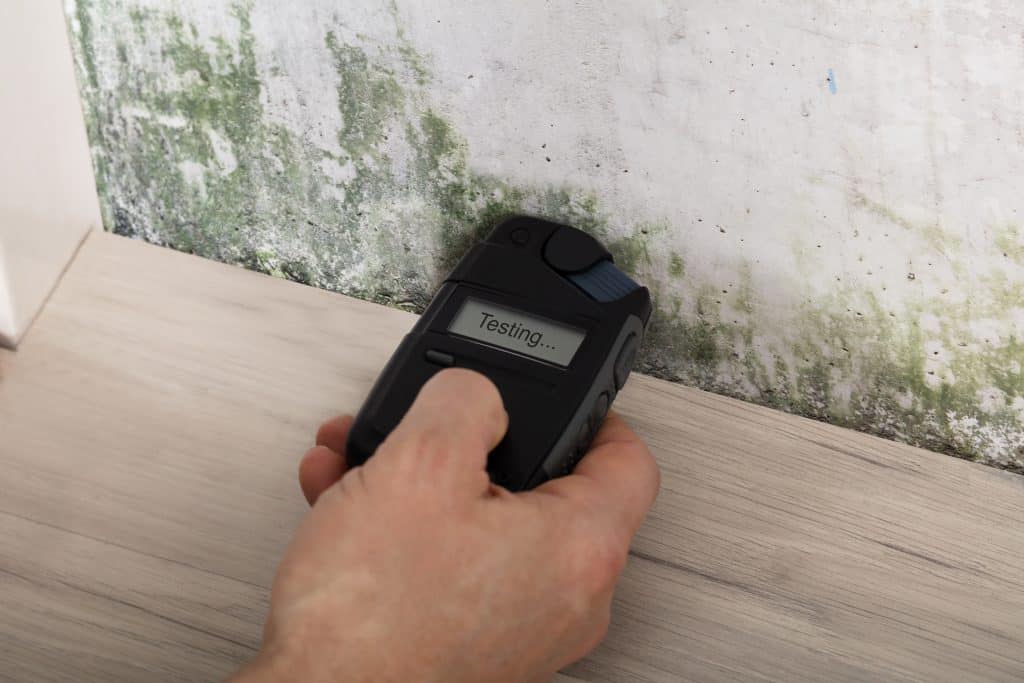
First, we inspect your property for free. We’re looking for visible mold, but also for hidden growth behind walls, under flooring, or in your HVAC system. We use moisture meters and infrared cameras to find what you can’t see.
Once we know what we’re dealing with, you get a clear estimate. No surprises. If you move forward, we contain the affected area with physical barriers and negative air pressure so spores don’t spread to clean rooms while we work.
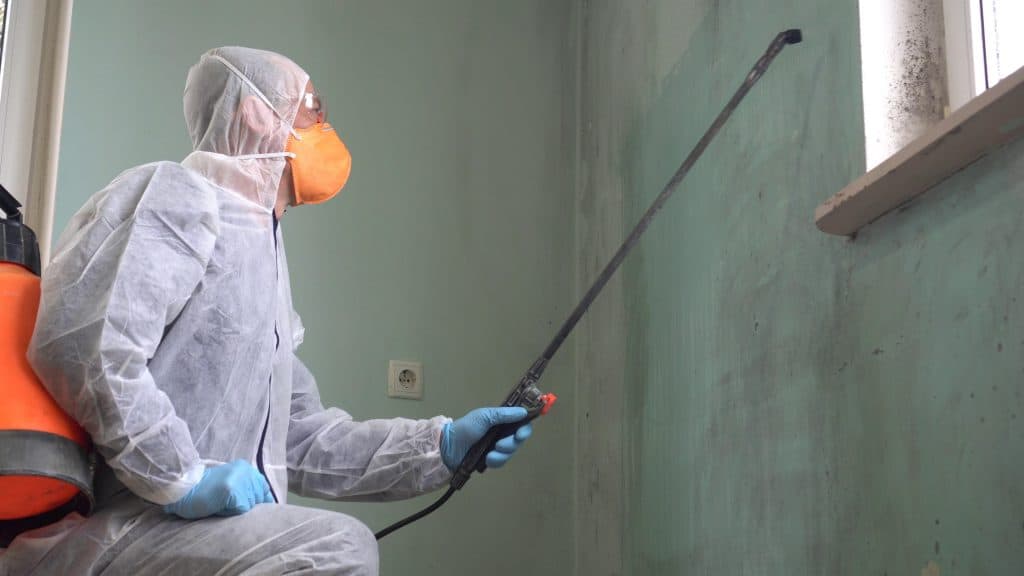
Then we remove contaminated materials—drywall, insulation, whatever can’t be salvaged. We clean structural elements with HEPA vacuums and antimicrobial treatments. The air gets filtered continuously throughout the process.
After removal, we identify and fix the moisture source. That might mean better ventilation, drainage corrections, or sealing entry points. Without that step, you’re just waiting for mold to come back. Finally, we can handle reconstruction if needed, so you’re not coordinating multiple contractors.
Ready to get started?
You get a thorough inspection with moisture mapping and air quality testing if needed. We document everything for your records or insurance claim—photos, moisture readings, scope of work.
The actual mold removal follows EPA guidelines and Pennsylvania regulations. We’re talking proper containment, HEPA filtration, safe disposal of contaminated materials, and antimicrobial application. Our team is IICRC-certified, which means they’ve been trained in the latest remediation protocols.
Traymore’s older homes often have multiple moisture issues—basement seepage from spring rains, ice dam damage in winter, poor attic ventilation in summer. We address what’s causing the problem, not just the mold itself. That might include recommendations for dehumidification, improved drainage, or structural repairs.
You also get help with insurance documentation. Many homeowners don’t realize their policy might cover mold remediation if it resulted from a covered loss like a pipe burst. We’ll provide the paperwork your adjuster needs and work directly with your insurance company if you want us to.
We offer 24/7 emergency response because mold doesn’t wait for business hours. If you’ve just discovered growth or had water damage, we can typically get someone to your property within a few hours.
Speed matters with mold. It starts growing within 24 to 48 hours after water exposure, especially in Bucks County’s humid climate. The longer you wait, the more it spreads and the more expensive remediation becomes.
When you call, we’ll ask some basic questions about what you’re seeing and whether there’s been recent water damage. That helps us know what equipment to bring and how urgent the situation is. Even if it’s not an emergency, we’ll schedule your free inspection as soon as possible—usually within a day or two.
Mold removal means getting rid of visible mold growth. Remediation means removing the mold and fixing the conditions that allowed it to grow. You want remediation.
Just cleaning mold off a surface doesn’t solve anything if moisture is still present. It’ll grow back, sometimes within weeks. Real remediation addresses the root cause—the leaky pipe, the poor ventilation, the foundation crack letting groundwater in.
We remove contaminated materials that can’t be saved, clean and treat surfaces that can, and then identify why moisture accumulated in the first place. In Traymore, that often means dealing with basement humidity, roof leaks, or condensation issues in older homes. Without fixing the moisture problem, you’re wasting money on temporary cleanup.
It depends on what caused the mold. If it resulted from a sudden, covered event like a burst pipe or storm damage, many policies will cover remediation. If it’s from long-term neglect or maintenance issues, probably not.
Pennsylvania law doesn’t require insurers to cover mold, but many policies include it as part of water damage coverage. You’ll need to check your specific policy and document the cause. That’s where we help—we provide detailed reports showing what caused the mold and the extent of damage.
We work with insurance companies regularly and know what documentation they need. We can provide moisture readings, photos, scope of work, and direct communication with your adjuster if needed. Even if insurance doesn’t cover everything, knowing exactly what you’re dealing with helps you make informed decisions about repairs.
We use thermal imaging cameras and moisture meters to detect problems behind walls, under floors, and in other hidden areas. Mold needs moisture, so elevated moisture readings tell us where to look even if we can’t see growth yet.
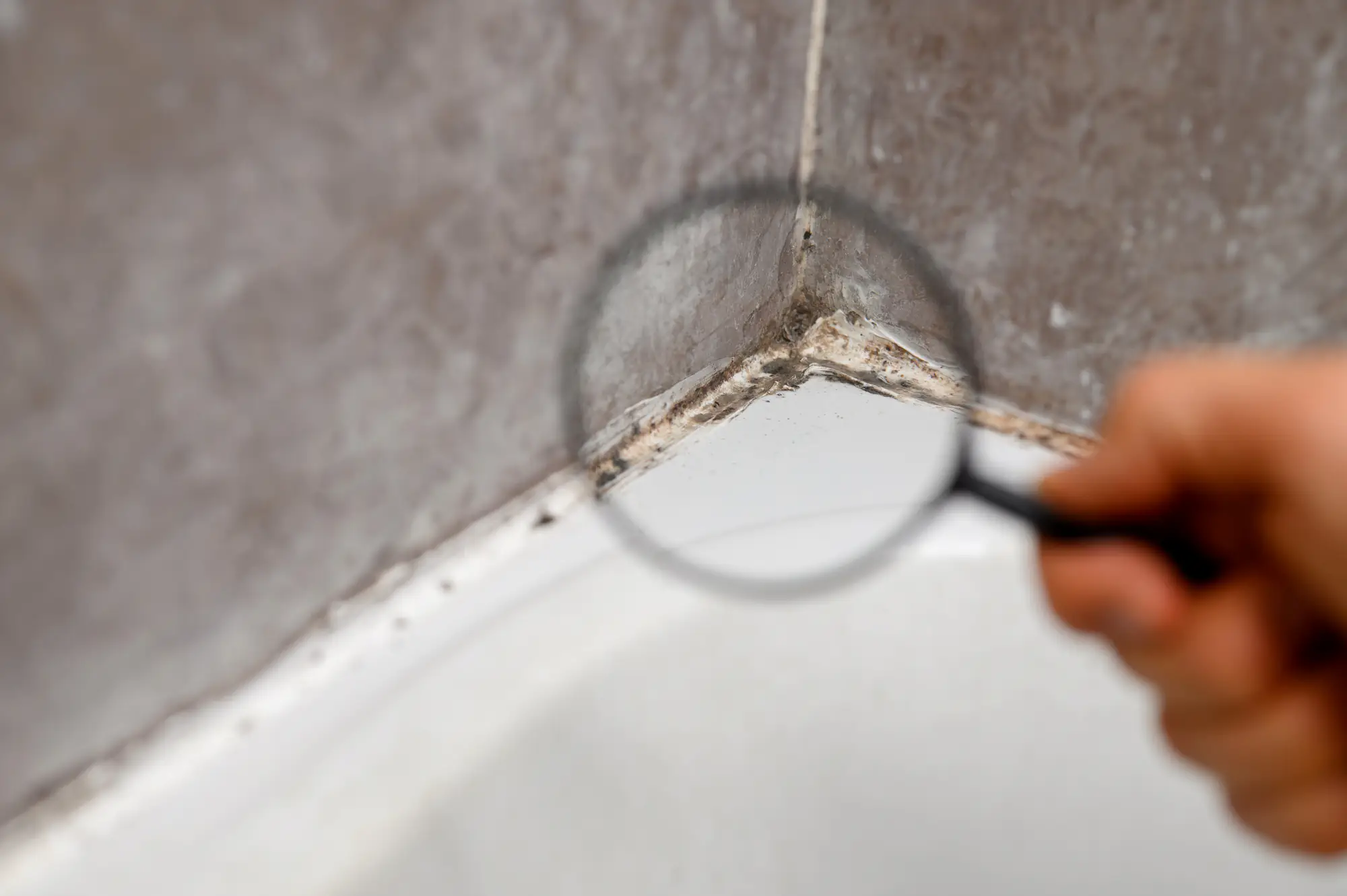
Infrared cameras show temperature differences that indicate water intrusion or poor insulation—both create conditions for mold. We also look for visual clues like staining, warping, or musty odors. In Traymore’s older homes, common hiding spots include behind bathroom tiles, under basement carpet, in wall cavities near plumbing, and in attic insulation.
Sometimes we’ll do air sampling or surface testing to identify mold types and spore counts. That’s especially useful if you’re experiencing health symptoms but can’t locate visible growth. The testing tells us if there’s a problem and helps us target our search.
Small areas under 10 square feet might be manageable with proper precautions, but anything larger needs professional mold removal. Here’s why: disturbing mold releases thousands of spores into your air, and without proper containment, you spread contamination throughout your home.
Black mold removal requires specific safety equipment—respirators, protective suits, and HEPA filtration. You also need to contain the work area with plastic sheeting and negative air pressure so spores don’t migrate to clean rooms. Most homeowners don’t have this equipment or training.
There’s also the question of what’s causing the mold. If you clean the surface but don’t fix the moisture problem, it grows back. We see this constantly in Bucks County—homeowners who tried DIY cleanup and ended up with worse contamination six months later. Professional remediation costs more upfront but actually solves the problem.
Most residential jobs take two to five days depending on the extent of contamination and how much material needs removal. A small bathroom might be done in a day. A finished basement with mold throughout the walls could take a week.
The timeline depends on several factors: square footage affected, what materials are contaminated, whether we’re removing drywall or just cleaning surfaces, and how long it takes to dry everything out properly. We can’t rush the drying process—moisture needs to be below 60% before we close things up, or you’ll have problems again.
We’ll give you a specific timeline after the inspection when we know exactly what we’re dealing with. If you need to stay elsewhere during remediation, we’ll let you know upfront. Most jobs don’t require you to leave, but extensive contamination or immune-compromised family members might make temporary relocation smarter.
Other Services we provide in Traymore