

Hear from Our Customers
Your air clears up. The musty smell disappears. You stop worrying every time someone in your house coughs or sneezes.
Real mold removal means finding where the moisture is coming from and fixing that too. Otherwise, you’re just cleaning the surface while the problem keeps growing behind your walls, under your floors, or up in your attic where humidity settles.
Most older homes in New Britain deal with ventilation issues. Blocked vents packed with insulation, wallpaper trapping moisture, humidity from daily living rising into attics—it all adds up. When humidity hits around 70%, mold starts growing. And in Bucks County homes, that’s not unusual.
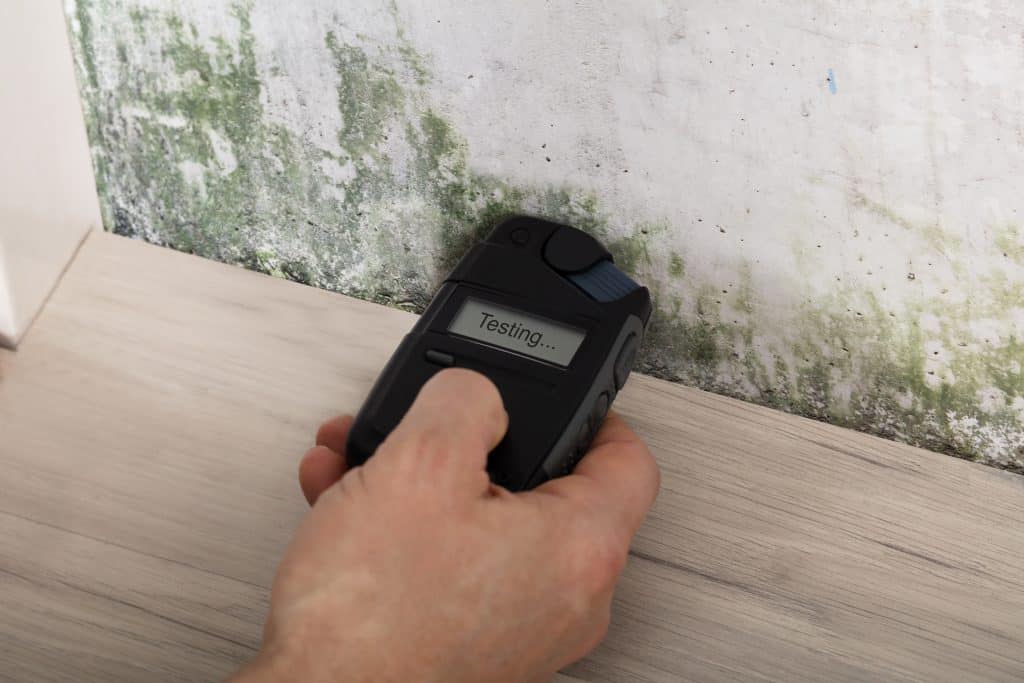
Professional mold removal handles the visible growth and the hidden stuff. Moisture meters and infrared cameras find what you can’t see. EPA-approved methods kill mold at the molecular level, not just on the surface. Then the underlying issue gets addressed so it doesn’t come back next season.
You’re left with a home that’s actually safe. Not just cleaner for now, but protected going forward.
We work throughout Bucks County, and we’ve seen what happens in New Britain homes specifically. The older construction, the way homes breathe from bottom to top, the humidity patterns—we know what causes mold here and how to stop it.
Our team uses certified mold remediation techniques that comply with Pennsylvania regulations. We’re not a franchise following a script. We’re local, we understand the housing stock in this area, and we’ve handled everything from basement moisture issues to attic mold in homes with poor ventilation.
You’ll work with trained professionals who explain what’s happening, why it’s happening, and what needs to be done. No upselling. No scare tactics. Just honest assessment and real solutions.

First, you get a free inspection. A certified inspector comes out, assesses the visible mold, and uses specialized equipment to detect moisture and hidden growth. You’ll know where the mold is, how bad it is, and what’s causing it.
Then you get a clear estimate. No surprises, no hidden fees. You’ll see exactly what needs to be done and what it costs before any work starts.
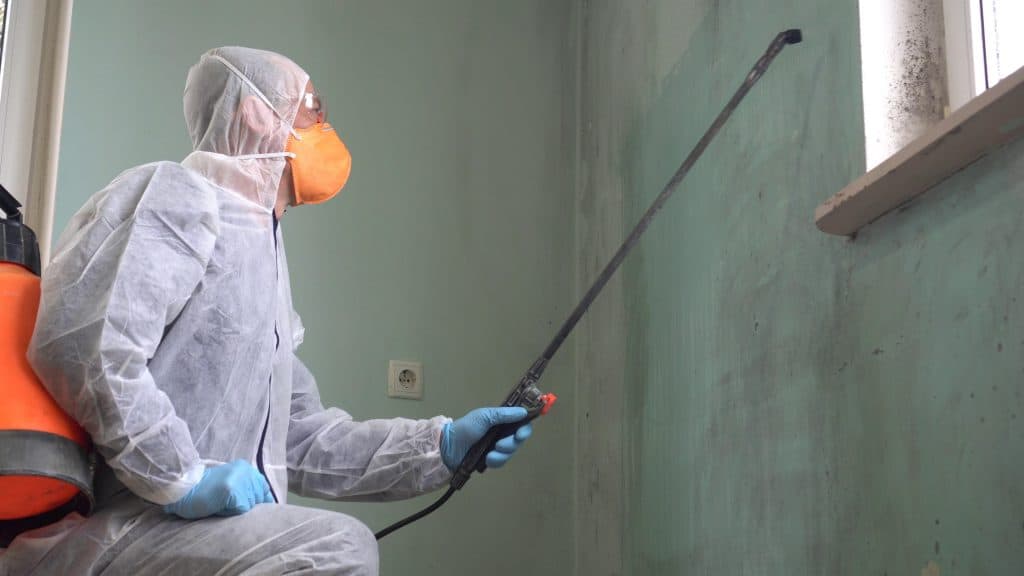
Once you approve, the remediation begins. Containment barriers go up to prevent mold spores from spreading to clean areas. HEPA filtration runs continuously. The mold gets removed using EPA-approved methods that kill it at the molecular level—not just bleach that leaves roots behind.
After removal, the source of moisture gets addressed. That might mean fixing a leak, improving ventilation, or adjusting humidity levels. Without this step, mold comes back.
Finally, affected areas get cleaned, sanitized, and restored. If drywall or other materials had to be removed, those get replaced. You’re left with a space that’s clean, dry, and safe.
The whole process gets explained as it happens. You’re kept informed at every step, and you’ll know what to watch for going forward.
Ready to get started?
You get a thorough mold inspection using moisture meters and infrared cameras to find all the growth, not just what’s visible. That includes checking behind walls, under flooring, in attics, and anywhere moisture accumulates.
The actual mold removal uses advanced equipment and EPA-approved products. HEPA air scrubbers run during the entire process to capture airborne spores. Containment barriers keep mold from spreading to other areas of your home. Everything gets done according to Pennsylvania state regulations for mold remediation.
Black mold—Stachybotrys chartarum—gets special attention because it’s common in Bucks County homes with wallpaper or moisture issues, and it’s particularly dangerous. The removal process is more intensive, but we handle it safely with proper protective equipment and disposal methods.
You also get the underlying problem fixed. If it’s a ventilation issue, that gets addressed. If it’s a leak or humidity problem, that gets solved. Otherwise, you’re just paying to remove mold that will grow back.
After remediation, you’ll receive documentation of what was done, recommendations for preventing future growth, and guidance on maintaining proper humidity levels. Many homeowners need this for insurance claims or real estate transactions.
In New Britain specifically, we see a lot of attic mold from blocked vents and poor air circulation. We also see basement mold from Bucks County’s humidity patterns. Both are fixable, but they require more than surface cleaning. You need someone who understands how local homes are built and where moisture problems typically start.
Cost depends on how much mold you have, where it’s located, and what’s causing it. A small area of surface mold in a bathroom might run a few hundred dollars. Extensive attic mold remediation with ventilation repairs can run several thousand.
Most professional mold removal companies offer free inspections, and that’s where you’ll get an accurate estimate. The inspector measures the affected area, identifies the moisture source, and determines what level of remediation is needed. Then you get a detailed quote before any work starts.
Don’t just go with the cheapest option. Ten years ago, companies were using bleach and charging $10,000 for attic remediation that didn’t actually solve the problem. Now, proper remediation uses advanced methods that kill mold on a molecular level and address the root cause. That costs more upfront but saves you from paying again in two years when the mold returns.
We work with insurance, and we offer financing. If the mold is from a covered event like a burst pipe, your homeowner’s insurance might cover part or all of the remediation.
A small, contained area might take one day. Larger jobs with extensive growth or structural repairs can take several days to a week.
The timeline depends on the size of the affected area, the type of mold, and whether any building materials need to be removed and replaced. Attic mold remediation typically takes longer because of access challenges and the need to address ventilation issues. Basement mold removal might be faster if it’s surface-level, but slower if there’s hidden growth behind finished walls.
After the physical removal, affected areas need time to dry completely before restoration work begins. Rushing this step leads to recurring mold problems. We use moisture meters to confirm everything is dry before moving forward.
You’ll get a timeline estimate during the inspection. We try to work efficiently without cutting corners, because doing it right the first time is faster than coming back to redo it.
Small surface mold—less than 10 square feet, on non-porous surfaces like tile—you can often handle yourself with proper cleaning products and ventilation. Anything larger, hidden, or involving porous materials like drywall needs a professional mold removal company.
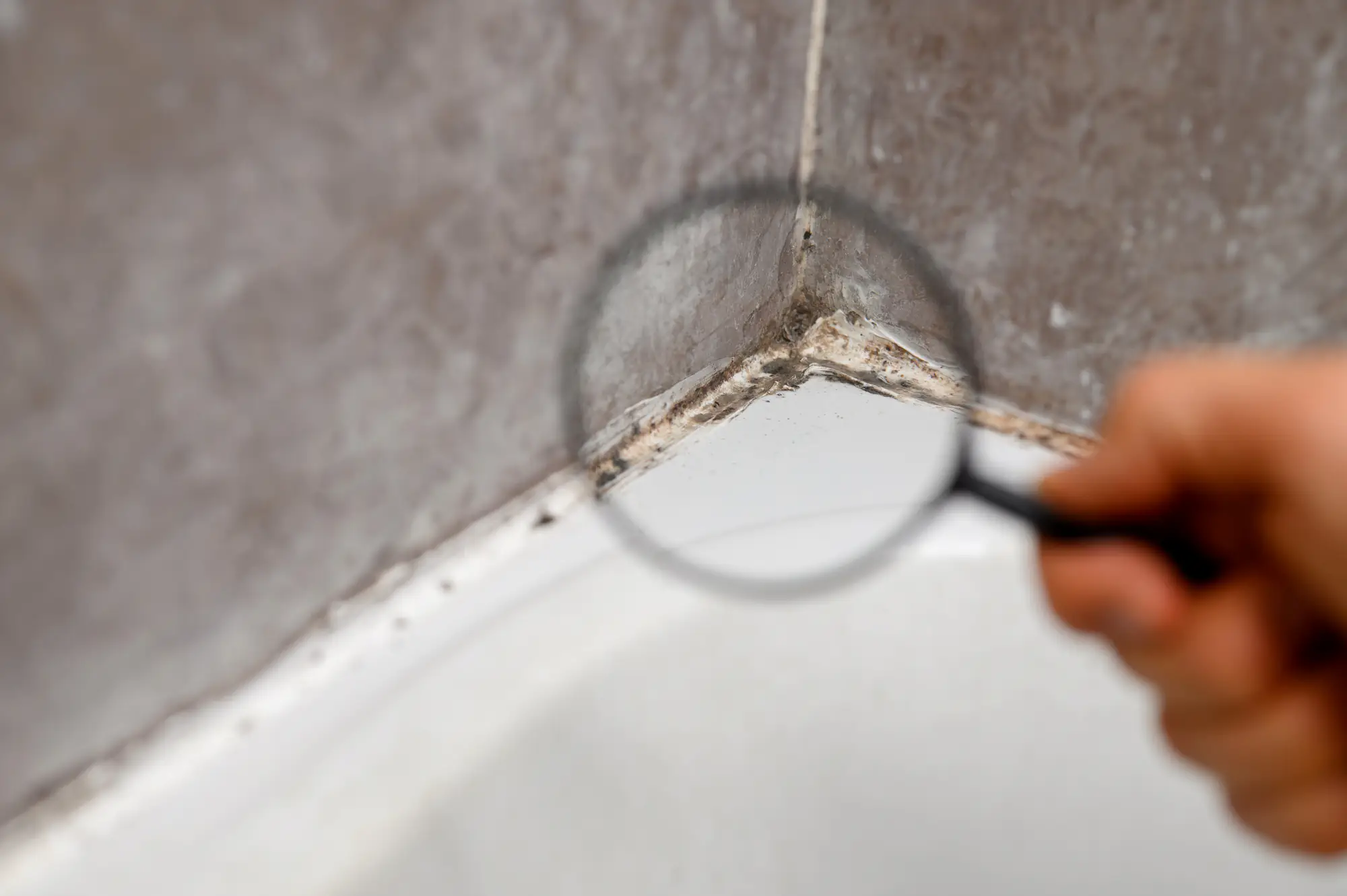
Here’s why: mold you can see is usually connected to mold you can’t see. It grows behind walls, under flooring, inside HVAC systems. Cleaning the surface doesn’t kill the roots or address the moisture source. It just makes the visible part go away temporarily while the hidden growth continues.
Black mold removal especially needs professional handling. Stachybotrys chartarum releases mycotoxins that cause serious health problems. Disturbing it without proper containment and protective equipment spreads spores throughout your home and puts you at risk.
We have equipment you don’t: moisture meters to find hidden growth, HEPA air scrubbers to capture spores, infrared cameras to detect moisture in walls, and EPA-approved products that kill mold at the molecular level. We also know how to contain the work area so mold doesn’t spread during removal.
If you’re dealing with mold in a Bucks County home—especially an older home with ventilation issues or wallpaper—get a professional inspection. It’s usually free, and you’ll know exactly what you’re dealing with before deciding how to proceed.
Moisture and humidity. That’s it. Mold needs water to grow, and Bucks County homes provide plenty of opportunities for moisture problems.
Poor ventilation is the most common cause in this area. Many older New Britain homes have blocked vents packed with insulation, which traps humidity in attics. Homes breathe from bottom to top, pulling moisture from daily activities like showering and cooking up into the attic. When humidity hits around 70%, mold starts growing.
Homes with wallpaper are especially susceptible. The paper traps moisture against the wall, creating perfect conditions for mold growth—including black mold. Leaky roofs, plumbing leaks, basement moisture, and poor drainage around the foundation all contribute.
Even newer homes can develop mold problems if they’re built too tight without proper ventilation. Energy-efficient construction is great for heating bills but terrible for air circulation if not done correctly.
The key is controlling moisture. That means fixing leaks promptly, ensuring proper ventilation in attics and bathrooms, using dehumidifiers in basements, and maintaining gutters and drainage systems. Once mold is established, you need professional mold remediation to remove it and address whatever moisture issue caused it.
Sometimes. It depends on what caused the mold and what your policy covers.
If mold resulted from a sudden, covered event—like a burst pipe, storm damage, or appliance malfunction—your insurance will likely cover the mold remediation. If it resulted from long-term neglect, poor maintenance, or gradual issues like slow leaks, probably not.
Insurance companies want to see that you maintained your home reasonably and that the mold came from an unexpected event, not from ignoring a problem for months. Documentation matters. If you discover mold, report it to your insurance company quickly and get a professional mold inspection to document the extent and cause.
We work directly with insurance companies. We understand what documentation insurers need, how to file claims, and how to communicate with adjusters. This makes the process much easier for you.
Even if insurance doesn’t cover the full cost, we offer financing options to make mold remediation affordable. Don’t skip mold removal because of cost concerns. Mold causes structural damage that gets more expensive over time, and it creates health problems that affect your family daily. The longer you wait, the worse both issues become.
Control moisture. That’s the only way to prevent mold long-term.
After professional mold remediation, the underlying moisture problem should be fixed—whether that’s a leak, ventilation issue, or humidity problem. But you need to maintain those fixes and stay aware of conditions that allow mold to return.
Keep humidity below 60% throughout your home. Use dehumidifiers in basements and other damp areas. Run bathroom exhaust fans during showers and for 30 minutes after. Make sure your attic has proper ventilation and that vents aren’t blocked with insulation.
Fix leaks immediately. A small roof leak or plumbing drip might seem minor, but it creates perfect conditions for mold growth within 24 to 48 hours. Check under sinks, around toilets, and in attics regularly.
Clean gutters and ensure water drains away from your foundation. Poor drainage leads to basement moisture, which leads to mold. In Bucks County, where many homes have older foundations, this is especially important.
If you had wallpaper removed during mold remediation, don’t put it back. It traps moisture and creates mold-friendly conditions. Paint or other breathable wall coverings are better choices.
We’ll give you specific recommendations based on what caused your mold problem. Follow those recommendations. They’re based on what actually happened in your home, not generic advice.
Other Services we provide in New Britain