
Hear from Our Customers
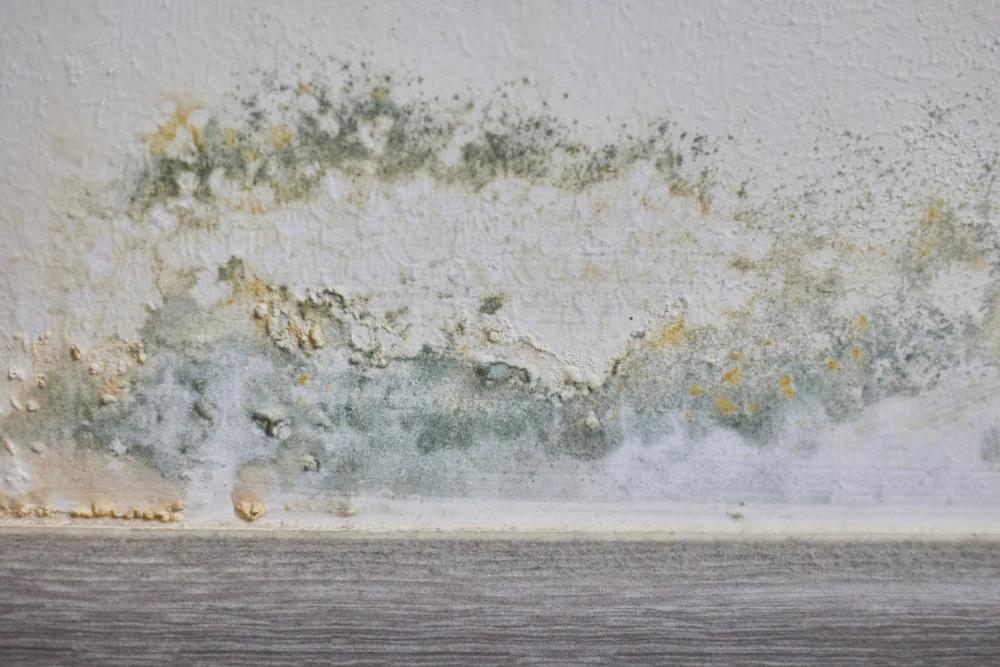
You’re not just getting rid of visible mold. You’re eliminating what’s growing behind your walls, under your floors, and inside your HVAC system where you can’t see it.
That means your kids stop waking up with headaches. Your allergies calm down. You’re not constantly wondering if that musty smell is going to turn into a $15,000 problem.
And when it’s time to sell, you’re not watching buyers walk away after the inspection. Homes with documented mold issues lose 20-37% of their value. Professional mold mitigation protects that equity and gives you documentation that proves your home is safe.
This isn’t about scrubbing surfaces with bleach and hoping for the best. It’s about containment, removal, air filtration, and verification—so the problem doesn’t come back in six months.
We serve New Britain and the surrounding Bucks County area with certified mold remediation services. We’re not a national franchise reading from a script. We’re local, we know how Pennsylvania’s older homes behave, and we’ve seen what happens when moisture sits too long in a 50-year-old basement.
New Britain has a median home age of 1973. That means outdated ventilation, aging pipes, and crawl spaces that weren’t built with moisture control in mind. We deal with these issues every week.
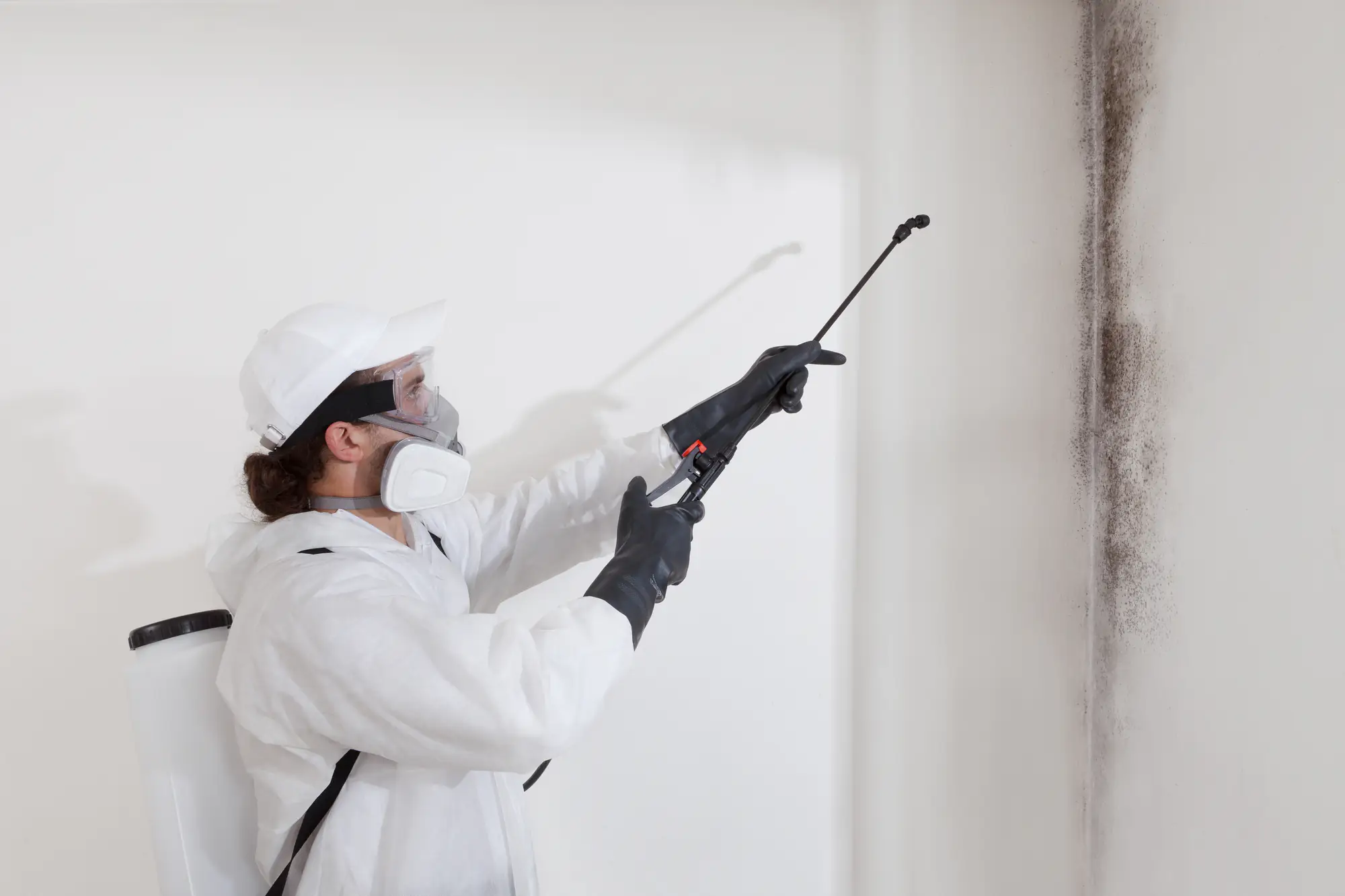
Our team is IICRC-certified, which means we follow the same protocols used by insurance companies and environmental health agencies. You’re not getting a guy with a shop vac. You’re getting trained professionals with containment barriers, HEPA filtration, antimicrobial treatments, and the equipment to verify the job is done right.
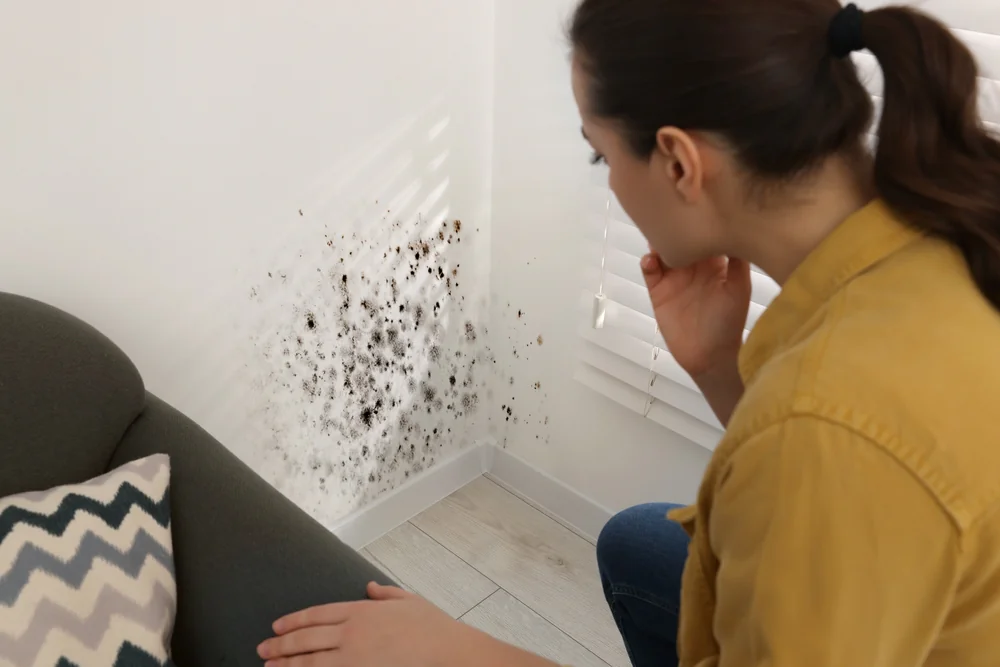
First, we inspect the property and test for mold. That includes moisture readings, air samples, and thermal imaging to find hidden growth. You’ll know exactly what you’re dealing with before we start tearing anything apart.
Next, we contain the area. Mold spreads through airborne spores, so we seal off the work zone with plastic barriers and negative air pressure. That keeps contamination from reaching the rest of your home.
Then we remove the mold. Porous materials like drywall and insulation usually can’t be saved—they get bagged and disposed of properly. Hard surfaces get treated with antimicrobial solutions. We use HEPA vacuums and air scrubbers to capture spores from the air.
After removal, we dry everything out and treat the area to prevent regrowth. Finally, we run post-remediation testing to confirm the air quality is back to normal. You get documentation that shows the job was done right—useful for your records, your insurance, and any future buyers.
Ready to get started?
Mold mitigation isn’t one-size-fits-all. What you need depends on how much mold you have, where it’s growing, and what caused it in the first place.
In New Britain, we see a lot of basement mold from old foundation cracks and poor drainage. We also see attic mold from ventilation issues, and bathroom mold from exhaust fans that don’t actually vent outside. Each situation requires a different approach.
Our service includes inspection and testing, containment setup, physical removal of contaminated materials, HEPA air filtration, antimicrobial treatment, drying and dehumidification, and post-remediation verification. If the source is a plumbing leak or roof issue, we’ll identify it so you can get it fixed—otherwise the mold just comes back.
We also work directly with your insurance company if the damage is covered. That means helping with documentation, photos, and communication so you’re not stuck playing middleman. Most water damage claims include mold mitigation if it’s addressed within 48-72 hours of the incident.
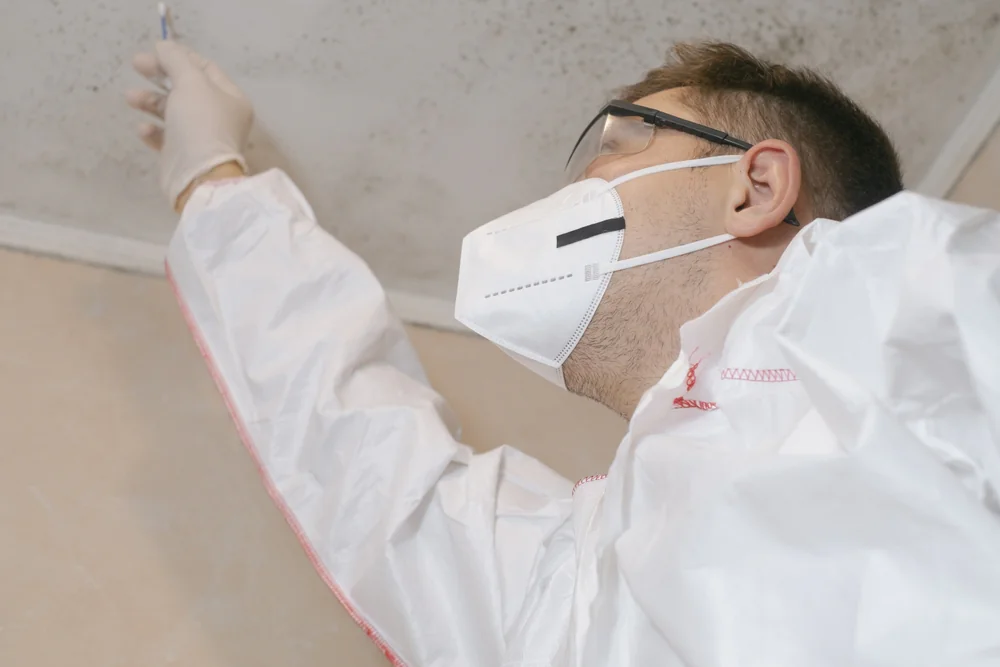
Most residential mold mitigation jobs take between two and five days, depending on the size of the affected area and how much material needs to be removed. A single bathroom with surface mold might be done in a day or two. A finished basement with mold behind drywall and inside insulation could take a week.
The timeline also depends on drying time. If there’s still active moisture, we need to run dehumidifiers and air movers until everything is completely dry. Mold can’t grow without moisture, so skipping this step just means you’ll be calling us back in a few months.
We’ll give you a clear timeline after the initial inspection. No surprises, no dragging things out to inflate the bill. You’ll know what to expect before we start.
It depends on the scope of the job. If we’re working in a contained area like a basement or a single bathroom, most families stay in the home without issues. We seal off the work zone with plastic barriers and use negative air pressure to keep spores from spreading to other rooms.
If the mold is widespread or involves your HVAC system, we might recommend staying elsewhere for a few days. Black mold and certain other species release mycotoxins that can cause respiratory problems, especially in kids, elderly family members, or anyone with asthma or allergies.
We’ll be upfront about it during the inspection. If it’s safe to stay, we’ll tell you. If it’s not, we’ll explain why and give you a realistic timeframe for when you can move back in.
Sometimes. It depends on what caused the mold and how your policy is written. Most insurance companies will cover mold mitigation if it’s the result of a sudden, accidental event—like a burst pipe, a roof leak during a storm, or an appliance malfunction.
They usually won’t cover mold that developed over time due to neglect, poor maintenance, or long-term moisture issues. If you’ve had a slow leak for six months and didn’t fix it, that’s probably not covered.
The key is acting fast. If you have water damage, you typically have 48-72 hours to start mitigation before the insurance company considers it a maintenance issue. We work with insurance adjusters regularly and can help you document everything properly so your claim doesn’t get denied over a technicality.
Mold removal means getting rid of visible mold. Mold remediation means bringing mold levels back to normal and safe levels—because mold spores exist everywhere, even in clean homes. You can’t remove every single spore. What you can do is eliminate the active growth and reduce spore counts to a level that won’t cause health problems or property damage.
Remediation also addresses the source of the moisture that caused the mold in the first place. If you just scrub the mold off your basement wall but don’t fix the foundation crack that’s letting water in, you’re going to have mold again in a few months.
Professional mold mitigation includes containment, removal, air filtration, treatment, and verification. DIY mold removal usually just spreads spores around and makes the problem worse. That’s why insurance companies and real estate transactions require professional remediation, not a bottle of bleach and a sponge.
Musty smells are the biggest giveaway. If you walk into your basement or a closet and it smells like wet cardboard or dirt, there’s probably mold growing somewhere you can’t see. Mold releases volatile organic compounds as it grows, and that’s what causes the smell.
Other signs include water stains on ceilings or walls, peeling paint, warped floors, and condensation on windows. If anyone in your house has unexplained allergies, respiratory issues, or headaches that get better when they leave the house, that’s another red flag.
We use moisture meters, thermal imaging, and air sampling to find hidden mold. A lot of times it’s behind drywall, under carpet padding, inside HVAC ducts, or in crawl spaces. New Britain homes built in the 1970s often have finished basements with paneling or drywall installed right over concrete—perfect conditions for hidden mold growth. If you suspect you have mold but can’t find it, call us for an inspection. It’s better to know now than to find out during a home sale when a buyer’s inspector flags it.
Most residential mold mitigation jobs in Bucks County run between $1,500 and $6,000, depending on the size of the affected area and how much material needs to be removed. A small bathroom might be on the lower end. A full basement or multiple rooms will cost more.
The price includes inspection, containment, removal, air filtration, antimicrobial treatment, and post-testing. If you need drywall replacement or reconstruction after the mold is gone, that’s usually a separate line item—but we’ll give you a clear breakdown upfront.
Some companies lowball the estimate to get in the door, then hit you with change orders once they start tearing into walls. We don’t do that. You’ll get a detailed scope of work and a firm price after the inspection. If we find something unexpected, we’ll talk to you before we proceed. No surprises, no inflated invoicing, no games.
Other Services we provide in New Britain