

Hear from Our Customers
You wake up without that scratchy throat. Your kids stop coughing at night. The musty smell that’s been bothering you for weeks is completely gone.
That’s what happens when mold removal is done right. Not just surface cleaning that brings the problem back in a few months, but real remediation that addresses the moisture source and eliminates spores you can’t even see.
Once humidity stays above 60%, mold spores can grow within 24 to 48 hours, even behind drywall where you can’t see it. Because of the stack effect, mold spores don’t stay confined to your basement—they move up into your living spaces. Every day you wait, the problem spreads further through your home.
We know Bucks County’s climate—those humid summers and sneaky basement leaks. The clay-heavy soil and high humidity levels here make basements particularly prone to moisture problems.
We’re committed to making homes in Bucks County healthier places to live. Our technicians are certified mold remediation professionals who understand exactly what causes mold growth in this area and how to stop it for good.
You’re not getting a one-size-fits-all approach. You’re getting local expertise that knows why mold keeps coming back in Neshaminy basements and what it takes to fix the problem permanently.

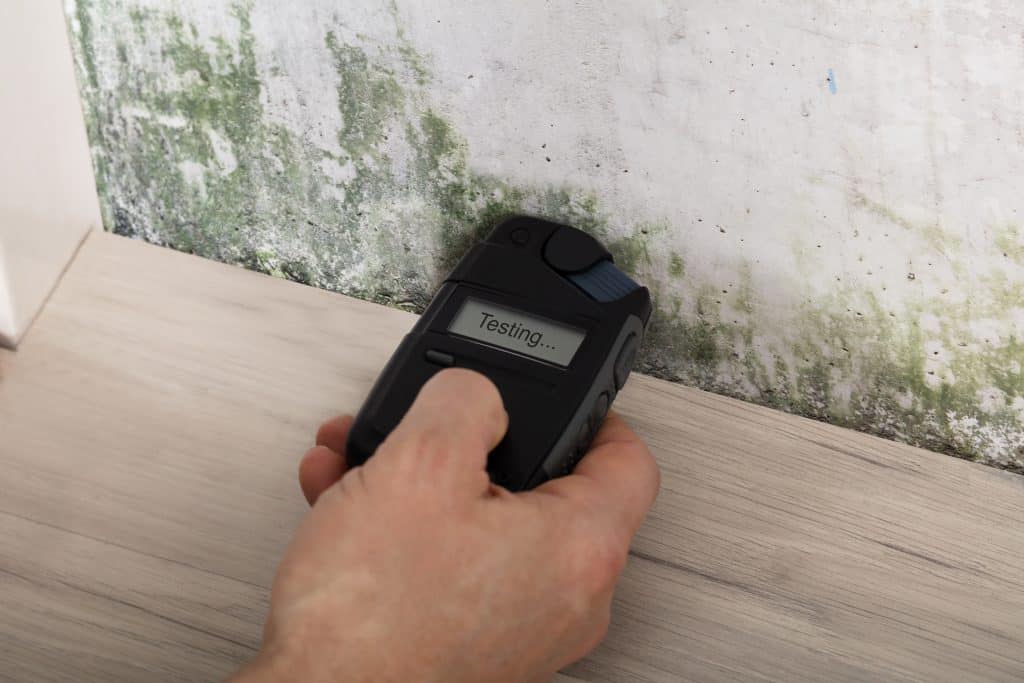
First, we inspect every inch of your property, including hidden areas like wall cavities. We use moisture meters and thermal imaging cameras to find the source, not just the visible mold.
Next, we contain the affected area to prevent spores from spreading to clean parts of your home. We take samples and send them to a lab for analysis to determine the best removal strategy.
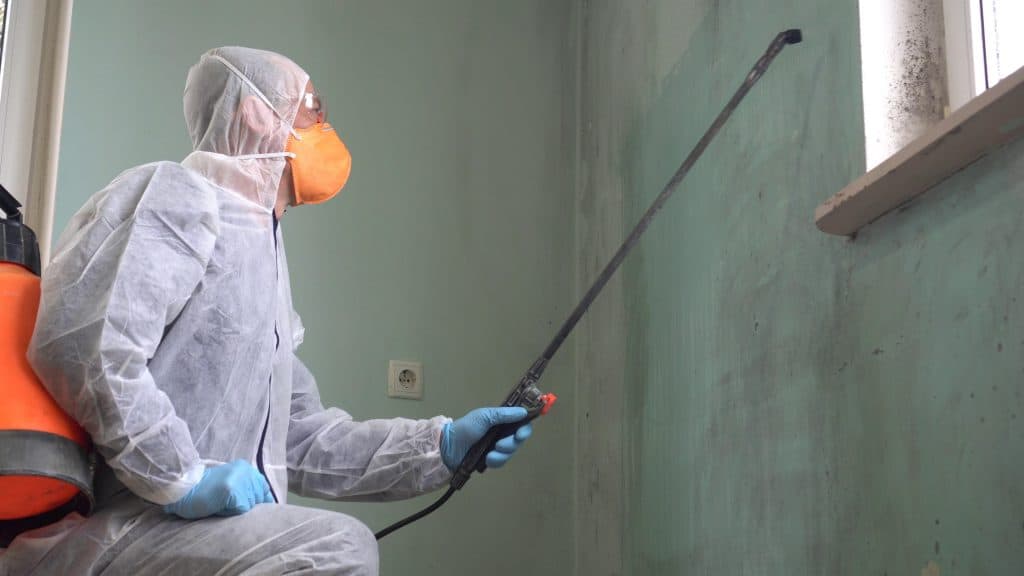
Then comes the actual removal. We safely remove the mold using powerful vacuums and specialized cleaning solutions. We use EPA-approved methods and advanced equipment to make sure the job is done safely.
Finally, we address the moisture source that caused the problem in the first place. We find the source and fix it to prevent it from coming back. No point in removing mold if the conditions that created it are still there.
Ready to get started?
Free inspections with a thorough assessment of your mold problem. No hidden fees or surprise charges—we provide clear, detailed estimates before any work begins.
We work with your insurance company to simplify the claims process. Most homeowners don’t realize their insurance covers mold remediation, and we handle the paperwork so you don’t have to fight with adjusters.
We’re available 24/7 for urgent mold situations. Wet materials dried within 24 to 48 hours after a leak won’t develop mold growth in most cases. Miss that window, and you’re looking at full remediation instead of simple cleanup.
In Neshaminy specifically, we see a lot of basement mold issues because of the local soil conditions and older home construction. We know which neighborhoods have recurring problems and why, so we can spot potential issues before they become expensive disasters.
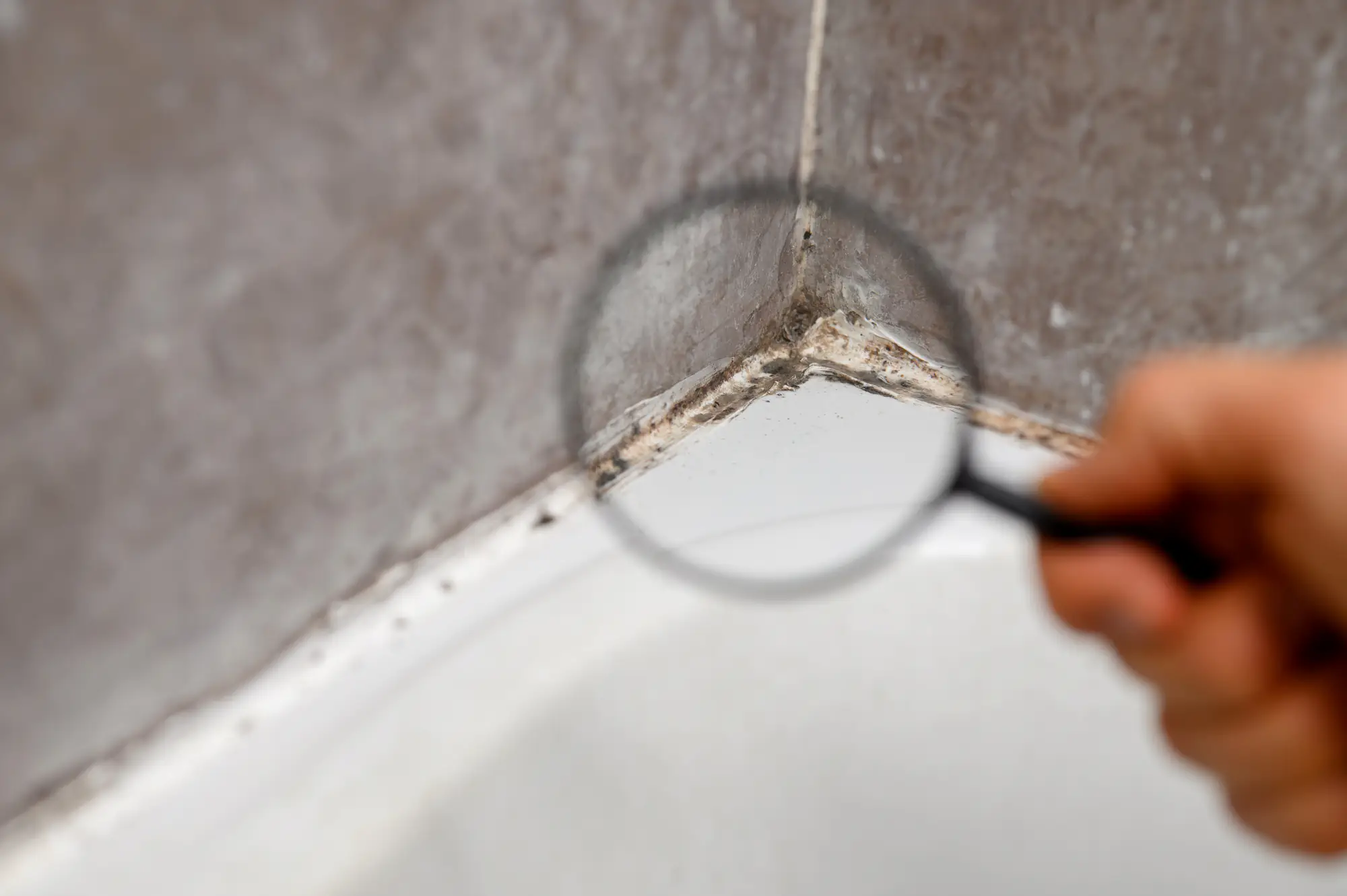
Once humidity stays above 60%, mold spores can grow within 24 to 48 hours. This timeline represents the biological reality that Pennsylvania homeowners face after any water intrusion event, and delays of even 24 hours can transform minor water damage into major contamination events.
High summer humidity, frequent precipitation, and temperature fluctuations that cause condensation all contribute to moisture problems here in Bucks County. Even a small amount of moisture can trigger mold growth behind drywall, under carpets, or on stored belongings.
The key is acting fast. Speed matters more than perfection at this stage—every hour that materials remain saturated extends the colonization window and increases the probability of mold establishment.
Symptoms include runny nose, watery eyes, mild allergic reactions, scratchy throat, fatigue, and headaches at home that seem to disappear once you leave the building. Respiratory symptoms, allergic reactions, and asthma exacerbation all increase with mold exposure duration and intensity, with vulnerable household members—children, elderly residents, and those with compromised immune systems—facing elevated risks.
The risk of asthma doubles in homes with mold. Long-term exposure can be far worse, especially for children, seniors, or those with underlying health issues, and in severe cases may cause chronic respiratory problems or worsen immune conditions.
Don’t ignore symptoms like regular headaches or breathing issues. Sometimes your body’s warning signs come before you see the mold.
The Neshaminy area has clay-heavy soil and high humidity levels, making basements particularly prone to moisture problems if waterproofing systems aren’t properly installed. Older homes with unfinished basements or aging foundations often allow moisture to seep in, and frequent storms, wet soil, and humid summers make mold unavoidable without intervention.
Mold growth is often a result of underlying moisture issues—simply cleaning the visible mold without identifying and addressing the source of moisture is a common mistake. Without fixing the moisture problem, the mold will likely return. You need to thoroughly investigate and address any leaks, condensation, or humidity issues causing the mold growth.
Mold needs moisture to survive and draws humidity from the air around it. As relative humidity in your basement rises to 60% or higher, mold will live, thrive, and survive in the space.
The cost of mold remediation can vary significantly, from a few hundred to several thousand dollars, depending on the extent of the problem. However, this investment can save you from more costly repairs and health issues in the long run.
Bigger areas need more labor and materials, which drives up the total cost. Mold location matters—mold hiding in tricky spots like air ducts or HVAC systems requires extra tools, so costs can climb quickly. Structural damage from roof leaks or fire damage requires more extensive work, and you might need to replace building materials, which adds to expenses.
We work with your insurance company to simplify the claims process. Many homeowners don’t realize their policy covers mold remediation, especially when it’s caused by a covered peril like a burst pipe.
The EPA establishes clear thresholds for when professional remediation becomes necessary—mold growth covering more than ten square feet (roughly a three-foot by three-foot area) exceeds recommended limits for homeowner cleanup. More extensive or severe cases require professional intervention.
Cleaning mold incorrectly can lead to the spread of mold spores and further contamination. Avoid using methods like dry brushing or using bleach, as they can release spores into the air, worsening the problem. Instead, use appropriate cleaning techniques, such as HEPA vacuum cleaners and mold-specific cleaning solutions recommended by professionals.
Mold remediation is not a DIY project—attempting to remove or restore mold yourself can worsen the problem or create health risks. Never paint over or attempt major mold cleanup yourself, as large infestations need professional remediation.
Keep indoor humidity low—if possible, keep indoor humidity below 60 percent (ideally between 30 and 50 percent) relative humidity. Use a dehumidifier to keep humidity levels below 60% and install exhaust fans in bathrooms and laundry areas.
Promptly fix leaks from pipes, windows, and your foundation. Ensure proper drainage around your home’s foundation using gutters, downspouts, and proper grading to move water away so it won’t pool around your foundation.
If wet or damp materials are dried 24-48 hours after a leak or spill happens, mold will not grow in most cases—it’s important to dry water-damaged areas and items within this timeframe. Regularly inspect your basement to catch any potential mold issues early by checking for signs of water damage, leaking, and visual signs of mold growth, and address issues promptly if found.
Other Services we provide in Neshaminy