

Hear from Our Customers
You stop worrying about what’s growing behind your walls. The air in your home smells clean again. Your family isn’t dealing with constant congestion, coughing, or asthma flare-ups that seem to come out of nowhere.
The longer mold sits, the more it spreads. It weakens drywall, damages wood framing, ruins insulation, and drops your property value. In Lower Southampton’s humid summers, mold can start growing within 24 to 48 hours after water damage.
When we remove mold the right way, we’re not just scrubbing surfaces. We’re eliminating the moisture source, treating affected areas with EPA-approved methods, and making sure it doesn’t come back. That means your home stays structurally sound, your indoor air quality improves, and you’re not facing a bigger, more expensive problem six months from now.
We’ve completed over 300 mold remediation projects in Lower Southampton and Bucks County. We’re IICRC certified, which means we follow the same standards insurance companies recognize and accept.
We understand how Pennsylvania’s hot-summer humid continental climate creates perfect conditions for mold growth. July is typically the wettest month here, and when you combine heavy rainfall with high humidity, basements, crawl spaces, and attics become breeding grounds. We’ve seen it all, from hidden mold behind bathroom tiles to full attic contamination after roof leaks.
You’re not getting a call center or a franchise that doesn’t know the area. You’re working with a local team that responds fast, shows up when we say we will, and explains exactly what’s happening in your home.

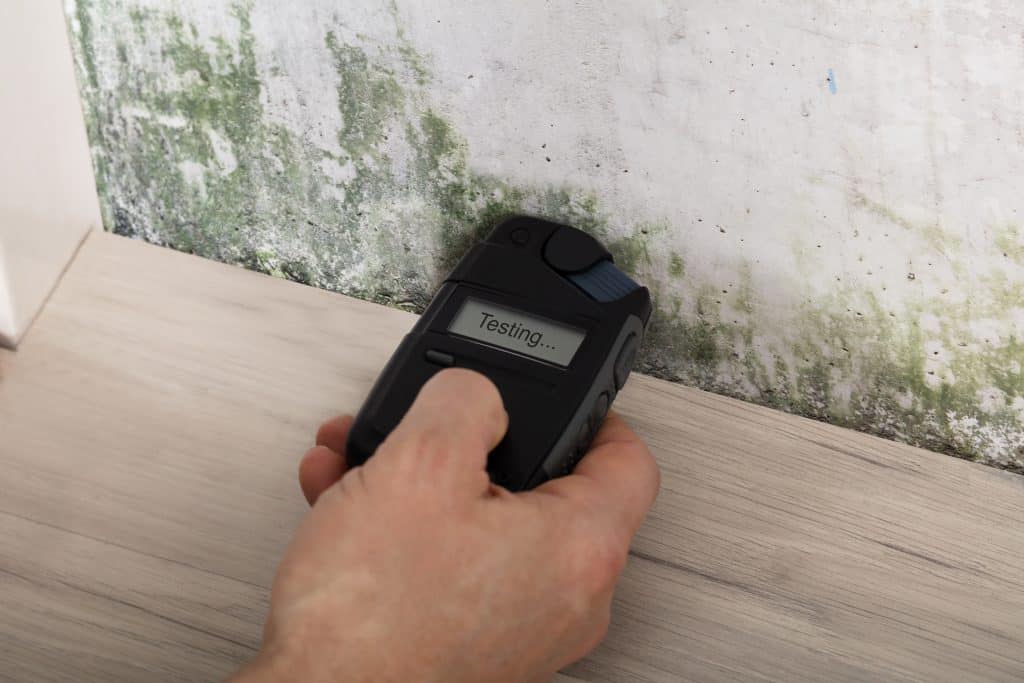
First, we inspect your property with moisture meters, thermal imaging cameras, and hygrometers. These tools show us where water is hiding, even if you can’t see it. We’re looking for the source, not just the visible mold.
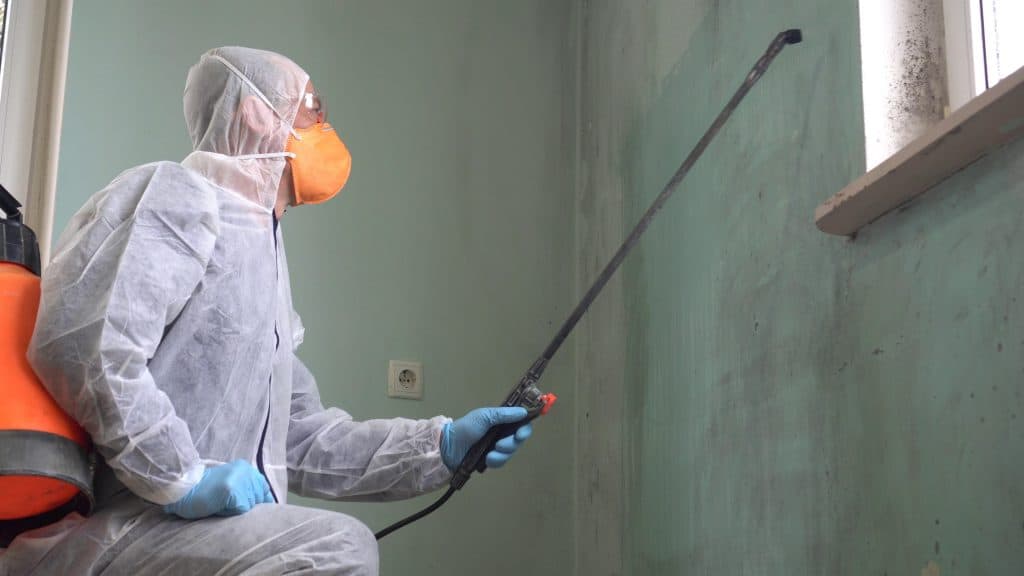
Once we know what we’re dealing with, we contain the affected area to prevent spores from spreading during removal. We use negative air pressure and physical barriers. Then we remove contaminated materials, treat surfaces with EPA-approved fungicides designed for specific mold types, and dry everything completely.
After removal, we address the moisture problem. That might mean fixing a leak, improving ventilation, sealing cracks, or installing a dehumidifier. If we don’t fix what caused the mold, it’ll just come back. We also test the air quality after treatment to confirm the mold is gone and your home is safe.
The whole process typically takes a few days, depending on the extent of contamination. We document everything for insurance purposes and walk you through what we’re doing at each step.
Ready to get started?
You get a full inspection with advanced detection equipment, not just a visual check. We identify hidden moisture and mold growth that most homeowners miss. You get containment and safe removal using IICRC-certified methods, which protects the rest of your home during the process.
We use EPA-approved fungicides that actually work on toxic mold, not consumer-grade products like bleach that don’t penetrate porous surfaces. You get complete moisture source elimination, whether that’s a plumbing leak, poor drainage, inadequate ventilation, or foundation cracks.
In Lower Southampton, we see a lot of basement mold from groundwater seepage and attic mold from roof leaks combined with poor ventilation. Pennsylvania’s climate makes these issues worse. We also see mold under sinks, around windows, and in crawl spaces where humidity gets trapped. Every job includes air quality testing after treatment and documentation that insurance companies accept. You also get a prevention plan so you’re not dealing with this again next year.
Most residential mold removal projects in Lower Southampton cost between $1,200 and $3,700. That’s the average range for moderate contamination in a single area like a bathroom, basement corner, or small attic section.
Severe cases can cost more, sometimes reaching $10,000 to $30,000 if mold has spread throughout multiple rooms or structural components need replacement. The size of the affected area, the type of mold, and how much material needs to be removed all affect the final price.
We give you a clear estimate after the inspection. No surprises. If your insurance covers mold remediation, we provide the documentation they need. Many policies cover mold if it resulted from a sudden water event like a burst pipe, but not if it’s from long-term neglect or maintenance issues.
A typical mold removal job takes two to five days from start to finish. Small, contained areas like a bathroom or closet might only take a day or two. Larger projects involving basements, attics, or multiple rooms take longer.
The timeline depends on how much mold there is, how deeply it’s penetrated materials, and how long it takes to dry everything completely. We can’t rush the drying process because any remaining moisture will just cause mold to grow back.
If you have an emergency situation, like a recent flood or major leak, we respond within 24 hours. The faster we start, the less damage occurs and the shorter the overall timeline. We’ll give you a realistic timeframe during the inspection so you know what to expect.
You can handle very small areas of surface mold, like a little bit on bathroom caulking, with proper precautions. But anything larger than about 10 square feet, or any mold that’s penetrated porous materials like drywall or wood, needs professional removal.
Here’s why: mold releases spores when disturbed. Without proper containment and air filtration, you spread those spores throughout your home. Without the right equipment, you can’t tell if mold is hiding inside walls, under flooring, or in HVAC systems. And without addressing the moisture source, it comes right back.
Black mold and other toxic varieties are especially dangerous to handle without training and protective equipment. If you’re experiencing health symptoms, if the mold covers a large area, or if it keeps coming back after you’ve cleaned it, call us. The cost of doing it wrong the first time usually exceeds the cost of hiring a professional from the start.
Lower Southampton’s climate is a big factor. We have hot, humid summers and significant rainfall, especially in July. When you combine high humidity with any water intrusion, mold can start growing in 24 to 48 hours.
Common causes include basement moisture from groundwater seepage or foundation cracks, roof leaks that let water into attics, plumbing leaks under sinks or behind walls, poor ventilation in bathrooms and crawl spaces, and condensation on windows or pipes. Homes with older drainage systems or inadequate dehumidification are especially vulnerable.
After heavy storms, we see a spike in calls from homeowners dealing with water damage that turned into mold growth. The key is catching moisture problems early. If something feels damp, smells musty, or shows water stains, address it immediately. Waiting even a few days can turn a small fix into a major remediation project.
Mold comes back if the moisture problem isn’t fixed. That’s the most important thing to understand. We can remove every trace of existing mold, but if water is still getting in or humidity is still too high, new mold will grow.
That’s why our process includes identifying and eliminating the moisture source. If it’s a plumbing leak, we make sure it’s repaired. If it’s poor ventilation, we recommend solutions like exhaust fans or dehumidifiers. If it’s a drainage issue, we address grading or gutter problems.
After professional mold removal that includes moisture control, most homes stay mold-free. You still need to maintain proper humidity levels, fix leaks promptly, and keep areas like bathrooms and basements well-ventilated. We give you a prevention plan with specific steps for your home. Follow it, and you shouldn’t see mold return.
Your home might smell musty even though you can’t see mold anywhere. You or your family might have unexplained respiratory symptoms like congestion, coughing, or asthma flare-ups that improve when you leave the house. You might see water stains on ceilings or walls, peeling paint, or warped flooring.
Mold hides behind wallpaper, under carpets, inside wall cavities, above ceiling tiles, and around pipes. It grows anywhere moisture accumulates out of sight. In Lower Southampton, we frequently find hidden mold in basements behind finished walls, in attics with roof leaks, and in crawl spaces with poor ventilation.
A professional mold inspection uses thermal imaging cameras and moisture meters to detect problems you can’t see. If you suspect hidden mold, don’t wait. The longer it grows, the more damage it causes and the more expensive removal becomes. We can usually schedule an inspection within a day or two and give you answers fast.
Other Services we provide in Lower Southampton