

Hear from Our Customers
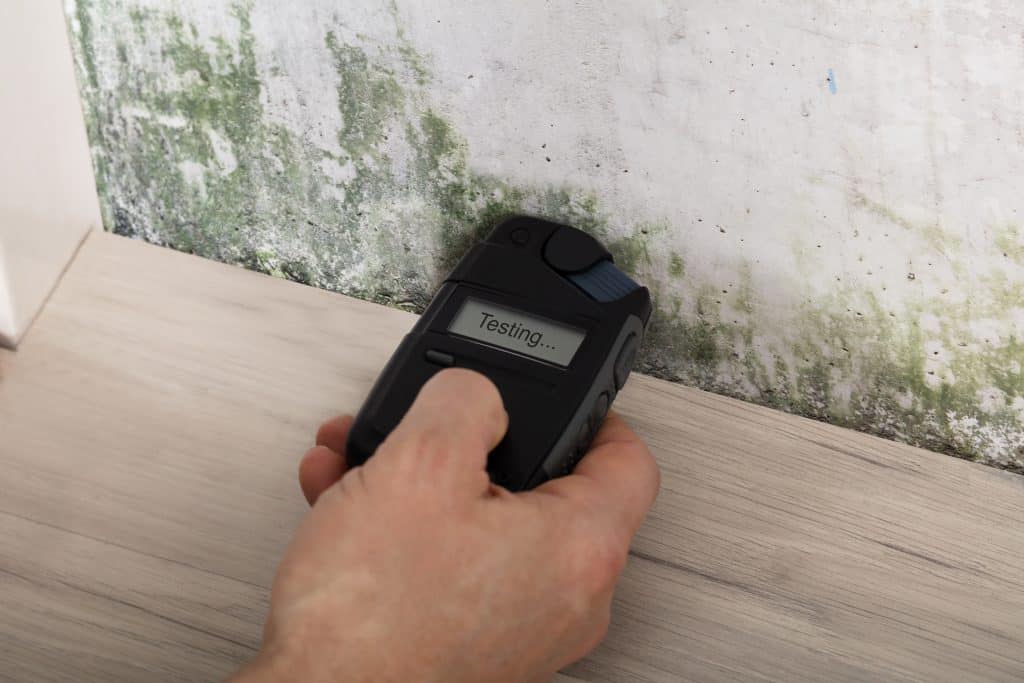
You walk into your basement and immediately notice that musty smell. Maybe you’ve spotted some dark patches near the bathroom window, or your family’s been dealing with unexplained coughing and sneezing. These aren’t just minor inconveniences—they’re warning signs of a mold problem that needs professional attention.
When mold takes hold in your Langhorne Manor home, it doesn’t just stay put. It spreads through spores that travel through your HVAC system, affecting the air your family breathes every day. The good news? Professional mold removal eliminates both visible growth and hidden colonies, restoring healthy indoor air quality.
After proper mold remediation, you’ll notice the difference immediately. That persistent musty odor disappears. Family members stop experiencing unexplained respiratory irritation. You’ll have peace of mind knowing your home’s air is clean and safe, plus documentation that protects your property value.
We’ve been serving Langhorne Manor and the broader Bucks County area for years, understanding exactly how our local climate creates perfect conditions for mold growth. We know that the fluctuating temperatures and humidity levels common in southeastern Pennsylvania can turn a small moisture problem into a major mold issue within days.
Our team consists of trained professionals who use EPA-approved methods and advanced equipment to safely identify, contain, and eliminate mold from your property. We’re not just another restoration company—we specialize specifically in mold issues, which means we understand the science behind mold growth and the most effective strategies for complete removal.
What sets us apart is our commitment to finding and fixing the source of the problem, not just cleaning up what’s visible. We serve homeowners throughout Bucks County who need reliable, thorough mold remediation that prevents future problems.

We start with a comprehensive inspection of your property, using moisture meters and infrared cameras to detect hidden mold growth behind walls, under flooring, and in other areas you might never think to check. This isn’t a quick walkthrough—we’re looking for the complete picture of what’s happening in your home.
Next, we collect air and surface samples for laboratory analysis. This testing tells us exactly what types of mold we’re dealing with and helps us develop the most effective removal strategy. Different mold species require different approaches, and we tailor our methods accordingly.
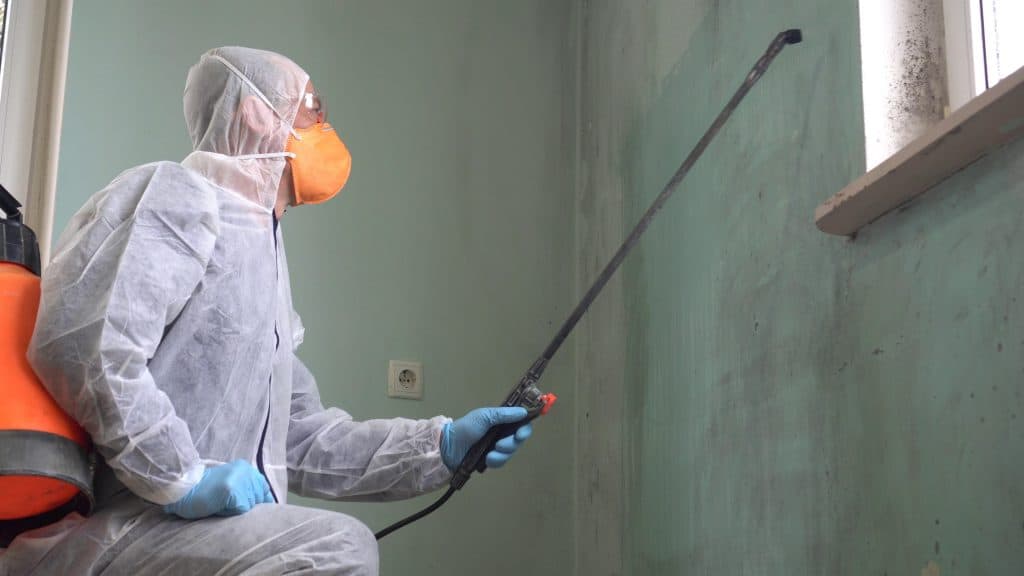
Once we have a clear understanding of the situation, we contain the affected areas to prevent spores from spreading during the removal process. We then safely remove contaminated materials and treat all affected surfaces with professional-grade antimicrobial solutions. Finally, we address the moisture source that allowed the mold to grow in the first place, whether it’s a plumbing leak, ventilation issue, or humidity problem.
Ready to get started?
Our mold removal service includes thorough testing, safe remediation, and prevention strategies specifically designed for Langhorne Manor homes. We understand that Bucks County’s climate—with its humid summers and temperature fluctuations—creates ongoing challenges for homeowners trying to maintain healthy indoor environments.
You’ll receive a detailed assessment report that documents the extent of the mold problem, the types of mold present, and our recommended remediation plan. We handle everything from initial containment to final cleanup, including the removal and disposal of contaminated materials according to EPA standards.
Beyond removal, we provide guidance on preventing future mold growth through proper ventilation, humidity control, and moisture management. Many of our Langhorne Manor clients appreciate that we also work directly with insurance companies to help streamline the claims process, providing the documentation and communication needed to support your coverage.
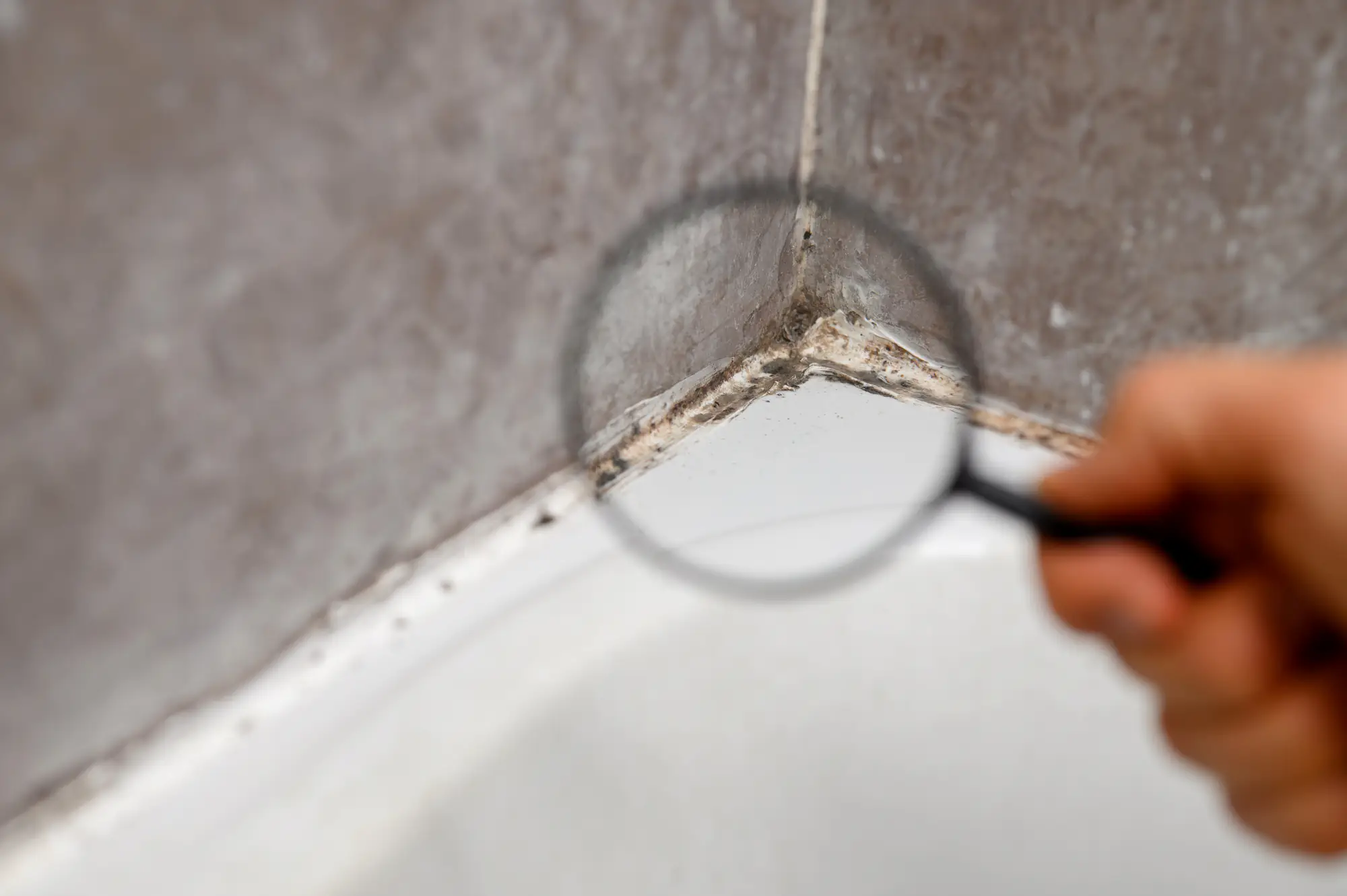
Mold can begin forming within 24 to 48 hours after water damage occurs. In Langhorne Manor’s humid climate, this timeline can be even shorter during summer months when temperatures and humidity levels are high.
The key is acting fast. If you’ve had a pipe burst, roof leak, or flooding, don’t wait to see if mold appears—assume it’s already starting to grow in hidden areas. Even if surfaces look dry, moisture can be trapped behind walls, under flooring, or in insulation where mold colonies can establish themselves quickly.
This is why we recommend calling for professional assessment within the first 24 hours of any water damage. Early intervention can prevent a minor moisture problem from becoming a major mold remediation project that affects your entire home.
Mold exposure can cause a wide range of health symptoms, from mild irritation to serious respiratory problems. Common symptoms include persistent coughing, sneezing, stuffy nose, throat irritation, and burning or itchy eyes. Some people also experience skin rashes or headaches.
Children, elderly family members, and anyone with asthma or allergies are particularly vulnerable to mold exposure. For these individuals, mold can trigger severe asthma attacks or worsen existing respiratory conditions. People with compromised immune systems may develop more serious infections.
The tricky thing about mold-related health issues is that symptoms often develop gradually, so families don’t always connect their health problems to mold in their home. If multiple family members are experiencing unexplained respiratory symptoms, especially if they improve when you’re away from home, mold exposure could be the culprit.
While you might be able to clean small areas of surface mold (less than 10 square feet) with household cleaners, most mold problems require professional remediation. Mold often grows in hidden areas behind walls, under flooring, or in HVAC systems where you can’t see or reach it effectively.
Attempting DIY mold removal can actually make the problem worse by disturbing mold colonies and spreading spores throughout your home. Without proper containment and air filtration equipment, you risk contaminating areas that were previously clean. Professional mold removal companies have specialized equipment like HEPA vacuums and air scrubbers that prevent spore dispersal.
Additionally, identifying the moisture source that’s feeding the mold growth requires experience and proper moisture detection equipment. If you don’t address the underlying cause, the mold will simply return. Professional remediation includes both removal and prevention strategies to ensure the problem doesn’t recur.
Mold removal costs vary significantly depending on the extent of the problem, the type of mold, and how much of your home is affected. Small, localized mold problems might cost a few thousand dollars to remediate, while extensive mold growth requiring major material removal can cost significantly more.
The size of the affected area is the biggest factor in determining cost. Mold confined to one bathroom will cost much less to remediate than mold that has spread throughout a basement or multiple rooms. The type of materials affected also matters—removing mold from hard surfaces is less expensive than replacing contaminated drywall, insulation, or carpeting.
We provide free inspections and detailed estimates before any work begins, so you’ll know exactly what the remediation will involve and what it will cost. Many homeowners are surprised to learn that their insurance may cover mold remediation, especially if it resulted from a covered water damage event. We work directly with insurance companies to help maximize your coverage.
The key to mold prevention is moisture control. Keep indoor humidity levels below 50% using dehumidifiers, especially in basements and crawl spaces where humidity tends to be higher. Ensure proper ventilation in bathrooms, kitchens, and laundry rooms by using exhaust fans during and after activities that create moisture.
Address water leaks immediately, no matter how small they seem. A slow drip under a sink or a minor roof leak can create enough moisture to support mold growth within days. Regularly inspect areas prone to water damage, including around windows, under sinks, near water heaters, and in basements.
Proper drainage around your home’s foundation is crucial for preventing moisture infiltration. Make sure gutters are clean and direct water away from your foundation. In Langhorne Manor’s climate, also pay attention to seasonal changes—use dehumidifiers during humid summer months and ensure proper heating and ventilation during winter to prevent condensation buildup.
If you suspect hidden mold—perhaps due to persistent musty odors, unexplained health symptoms, or visible water damage—don’t ignore these warning signs. Hidden mold is often more extensive than what you can see on surfaces, and it can continue growing and spreading while you’re trying to figure out what to do.
The first step is professional testing and inspection. We use specialized equipment like moisture meters and infrared cameras to detect mold growth behind walls, under flooring, and in other concealed areas. Air sampling can also identify mold spores in your indoor environment even when you can’t see visible growth.
Don’t attempt to investigate hidden mold yourself by cutting into walls or removing materials. This can disturb mold colonies and spread spores throughout your home, making the problem much worse. Professional inspection provides definitive answers about whether mold is present, what types you’re dealing with, and the extent of the problem, allowing for targeted and effective remediation.
Other Services we provide in Langhorne Manor