
Hear from Our Customers
You leave the house and feel better within an hour. Your kids’ allergy symptoms disappear at school but come back at bedtime. Someone’s always congested, always tired, always dealing with headaches that don’t make sense.
That’s not normal. And it’s not something you should ignore.
Indoor air quality testing tells you exactly what’s in the air you’re breathing. Mold spores, radon gas, volatile organic compounds, carbon monoxide, allergens—these aren’t things you can see or smell until they’ve already done damage. A home air quality test measures what’s actually there, not what you think might be there.
Once you know what you’re dealing with, you can fix it. No more wondering if it’s the house or just bad luck. No more trying random solutions that don’t work. Just clear answers and a plan to make your home safe again.
We work with homeowners across Langhorne Manor, PA and the surrounding Bucks County area. We run residential air quality testing for families who need answers, not sales pitches.
Pennsylvania has some of the highest radon levels in the country. About 40% of homes here test above EPA action levels. Add in the humidity swings we get between seasons, and you’ve got the perfect setup for mold growth, allergen buildup, and indoor air pollution that’s worse than what’s outside.
We use professional-grade equipment to measure what matters. Then we explain what we found in plain language and tell you what to do next.
We start with a walkthrough of your home. You tell us what you’ve noticed—symptoms, smells, problem areas, recent water damage, whatever’s going on. We’re looking for clues about where to test and what to test for.
Then we set up our equipment. Depending on what you need, that might include air sampling for mold spores, radon detectors, VOC meters, particulate matter sensors, humidity monitors, or carbon monoxide testing. Some tests take a few hours. Others, like radon, need 48 hours minimum to get accurate readings.
Once testing is complete, we analyze the results and put together a report. You’ll see exactly what we found, what the numbers mean, and whether anything needs attention. If there’s a problem, we’ll walk you through your options. If everything’s fine, you’ll have documentation proving your air quality is safe.
Most professional air quality testing takes one to three hours onsite. You’ll have a written report within a week, sometimes sooner depending on lab turnaround times.
Ready to get started?
A mold air test measures spore counts in your indoor air and compares them to outdoor levels. High counts mean you’ve got active mold growth somewhere, even if you can’t see it. We collect samples from multiple rooms to pinpoint problem areas.
Radon testing is critical in Langhorne Manor, PA. This area sits in a high-risk zone for radon exposure, and it’s the second leading cause of lung cancer in the U.S. Testing takes at least 48 hours in closed-home conditions. If levels hit 4.0 pCi/L or higher, the EPA recommends mitigation.
VOC testing identifies chemicals from paint, cleaning products, building materials, and off-gassing furniture. High VOC levels cause headaches, dizziness, respiratory irritation, and long-term health problems. We measure total VOCs and flag anything above safe thresholds.
We also check humidity levels, carbon monoxide, particulate matter, and common allergens like dust mites and pet dander. Every home is different, so we customize testing based on what you’re experiencing and what your home’s history tells us.
Most residential air quality testing runs between $400 and $500 for a standard package covering mold, VOCs, carbon monoxide, and common allergens. Radon testing can be added for around $150 if it’s not already included.
The price depends on how many tests you need and how large your home is. A basic mold air test in a small home costs less than comprehensive testing in a 3,000-square-foot house with multiple HVAC zones.
DIY test kits from hardware stores cost $20 to $30, but they’re not as accurate and they don’t give you the full picture. Professional testing uses calibrated equipment and lab analysis, so you’re getting data you can actually trust and act on.
You’ll usually have results within two to ten days, depending on what we’re testing for. Radon and mold tests that require lab analysis take longer than onsite readings for VOCs or carbon monoxide.
We send air samples to certified labs that specialize in indoor air quality. They analyze spore types, concentrations, and contamination levels, then send us a detailed report. We review it, add our recommendations, and send everything to you in a format that’s easy to understand.
If you need faster results, let us know upfront. Some tests can be expedited, though it may cost a bit more. For most homeowners, standard turnaround time works fine and keeps costs reasonable.
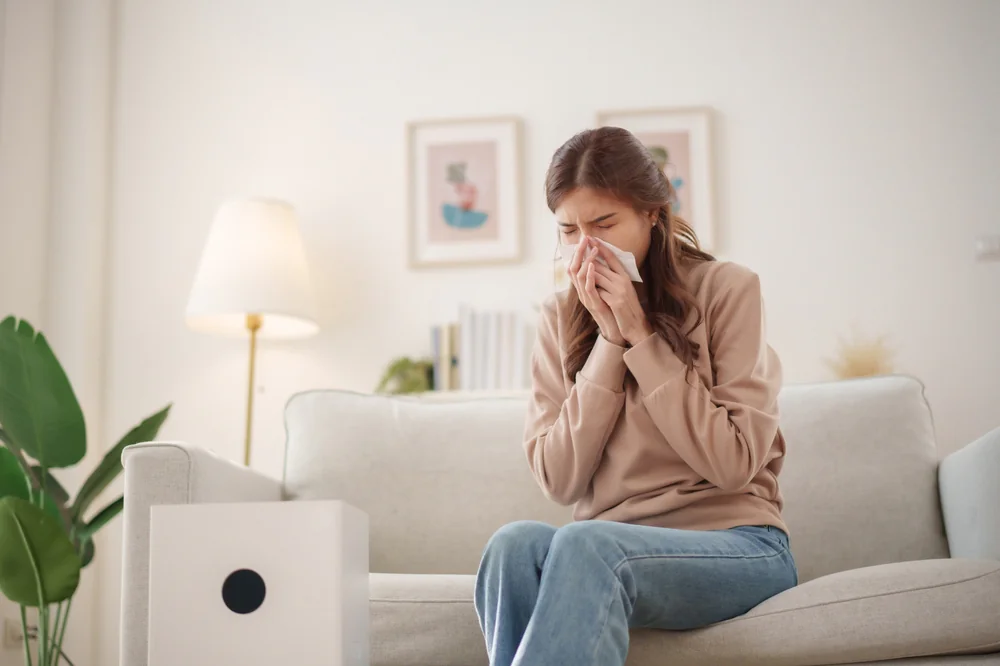
If anyone in your house has symptoms that get better when they leave and worse when they come back, that’s a red flag. Persistent coughing, sneezing, congestion, sore throat, headaches, fatigue, or trouble sleeping can all point to poor indoor air quality.
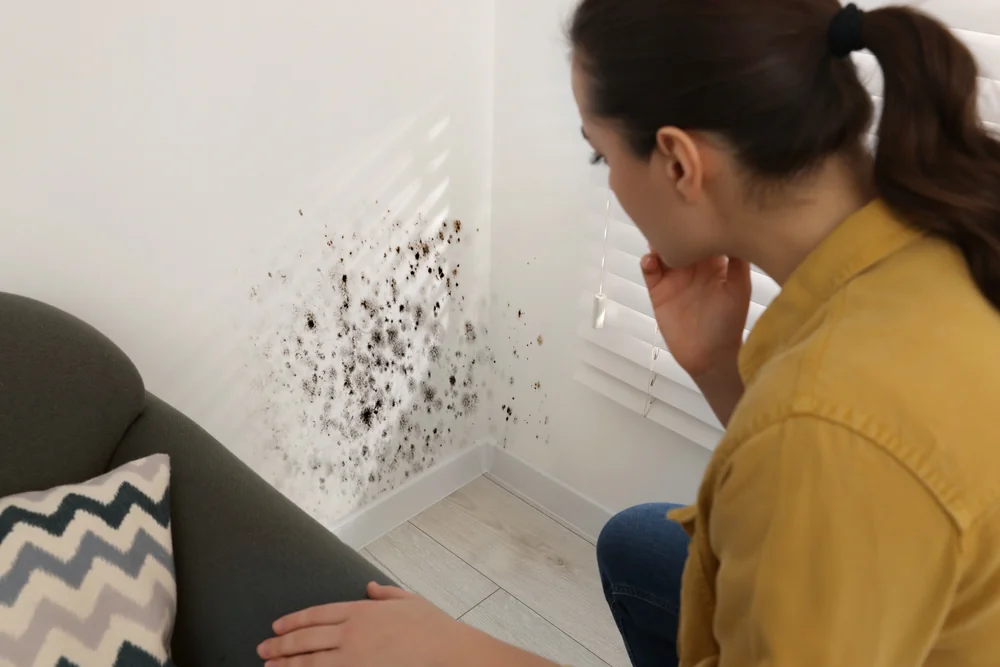
Musty smells that won’t go away usually mean mold growth somewhere, even if you can’t see it. Visible mold on walls, ceilings, or around windows is an obvious sign, but hidden mold behind drywall or under flooring is more common in Bucks County homes.
Recent water damage, flooding, roof leaks, or plumbing problems increase your risk. So do renovations, new furniture, fresh paint, or anything that introduces new materials into your home. If you’re buying or selling a house, testing gives you proof of air quality and protects everyone involved.
You can buy DIY test kits, but they’re not as reliable as professional air quality testing. Home kits often miss problems or give you false positives because they’re not calibrated correctly and they don’t account for variables like airflow, humidity, and seasonal changes.
Radon test kits are the exception—they’re fairly accurate if you follow instructions exactly. But for mold, VOCs, and allergens, professional equipment and lab analysis give you results you can actually use to make decisions.
Professional testing also means someone who knows what to look for is walking through your home. We spot issues you might miss, test in the right locations, and interpret results in context. That’s worth more than the cost difference between a $30 kit and a $400 professional test.
Test after any water damage, flooding, or major leak. Even if you dry everything out, mold can start growing within 24 to 48 hours, and it’s not always visible right away.
If you’ve done renovations, added new flooring, painted, or brought in new furniture, test for VOCs. Off-gassing can last for months and cause health problems you wouldn’t connect to your remodel.
Families with young kids, elderly relatives, or anyone with asthma or respiratory conditions should test annually. Pennsylvania’s seasonal humidity swings mean conditions change throughout the year, and what’s fine in summer might be a problem in winter when your home is sealed up tight.
If you’ve never tested for radon, do it now. Radon levels don’t change much over time, so one test tells you whether you need mitigation. After that, retest every few years or if you make structural changes to your home.
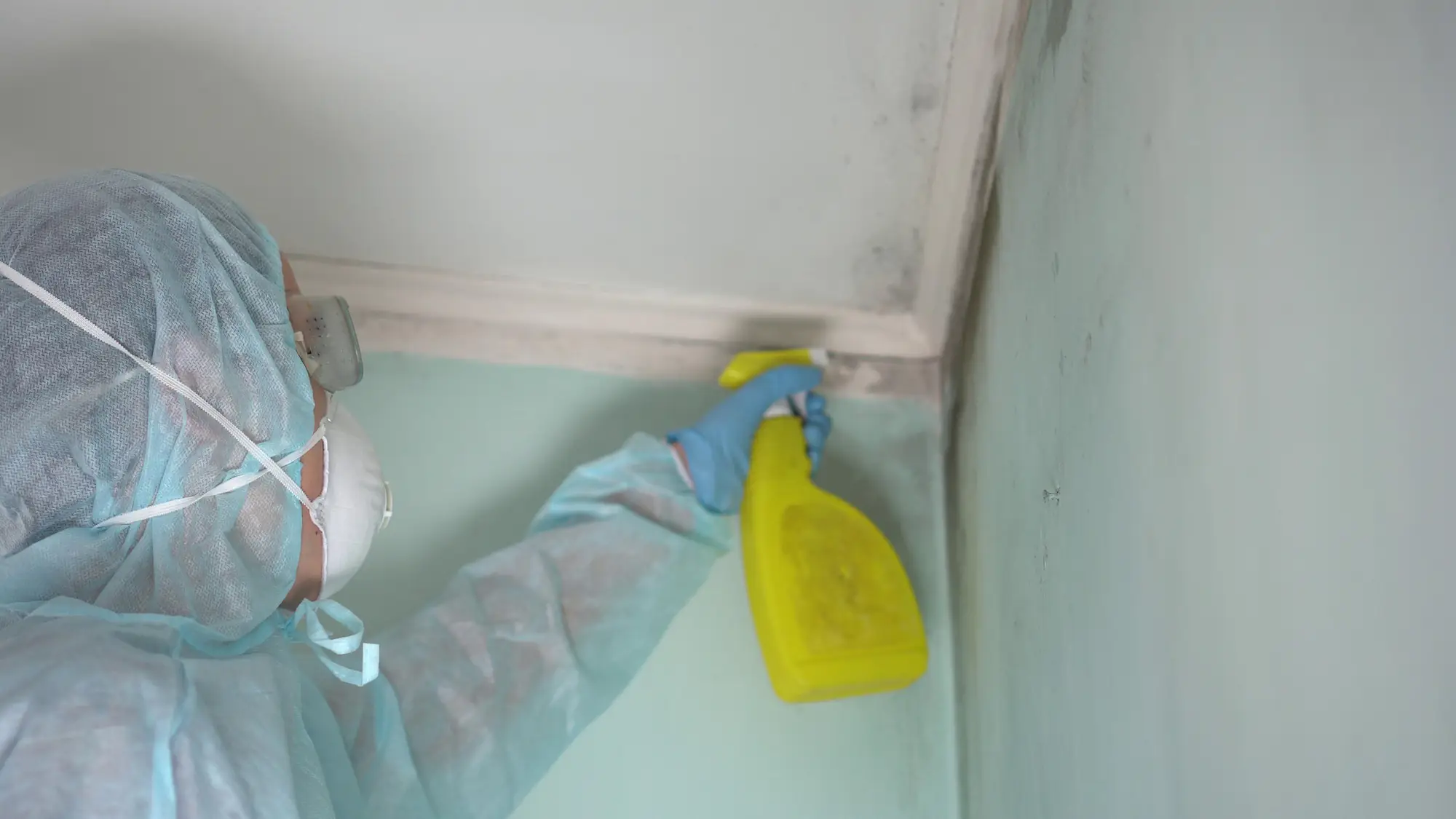
First, we identify where the mold is growing. High spore counts in the air mean there’s an active source somewhere, and we’ll help you find it. Sometimes it’s obvious—visible growth on walls or ceilings. Other times it’s hidden behind drywall, under carpet, or in your HVAC system.
Once we know where it is, we’ll walk you through remediation options. Small areas can sometimes be cleaned and treated. Larger infestations need professional mold removal to make sure spores are contained and the source is eliminated completely.
We also look at why the mold is growing in the first place. Usually it’s a moisture problem—leaks, poor ventilation, high humidity, or water intrusion. Fixing the mold without fixing the moisture issue means it’ll just come back. We’ll help you address both so your home stays clean and your air quality improves for good.
Other Services we provide in Langhorne Manor