

Hear from Our Customers
Your air feels cleaner. That musty smell disappears. You stop worrying every time someone in your house coughs or sneezes.
Mold doesn’t just look bad—it spreads fast and hits hard. In Hulmeville, where basement flooding and humidity are constant threats, mold can take over in 24 to 48 hours after water damage. Once it’s growing, it releases spores that circulate through your HVAC system and settle into places you can’t see.
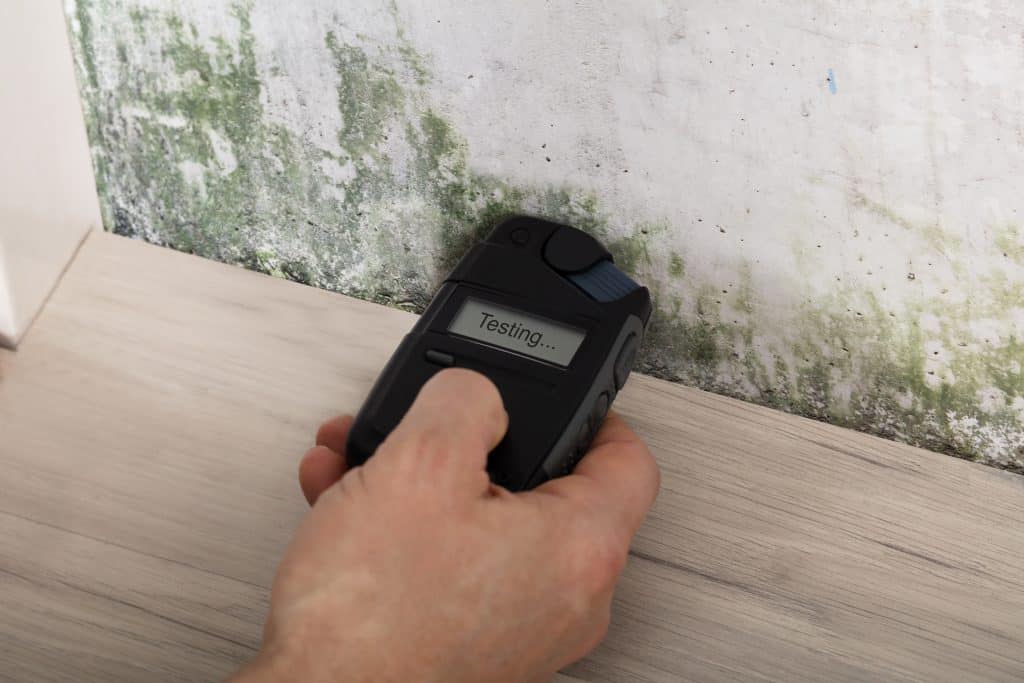
When we remove mold, we’re not just wiping down surfaces. We’re eliminating the source, treating affected areas with EPA-approved methods, and using moisture meters and thermal imaging to find hidden growth behind walls and under floors. That means you’re not dealing with the same problem three months from now.
You get a home that’s safe to breathe in. You protect your property value—because homes with mold problems lose 20% to 37% of their resale value, and half of potential buyers walk away the moment they hear “mold.” You stop the spread before it costs you thousands more in structural damage.
We work exclusively in Bucks County, which means we’ve seen what happens when groundwater pushes through foundation walls, when storm runoff floods basements, and when humidity turns a small leak into a black mold problem.
We’re certified mold remediation professionals who use the same equipment and methods that insurance companies require—because we work directly with them. Our team has handled everything from minor bathroom mold to full basement remediation after flooding.
Hulmeville sits in an area where increased stormwater runoff creates real risks for homeowners. We’ve been inside enough local homes to know that the ground slopes toward foundations here, that older homes have drainage issues, and that a “small moisture problem” in March becomes a mold problem by June. We don’t treat mold like it’s the same everywhere—we treat it like it’s happening in your specific home, in this specific area.

We start with a free inspection. That means we come to your home, assess the visible mold, use moisture meters to detect hidden water sources, and check areas where mold typically hides—behind drywall, under flooring, in HVAC systems.
Once we know what we’re dealing with, we give you a transparent estimate. No surprises. If insurance is involved, we document everything they need and work directly with your adjuster.
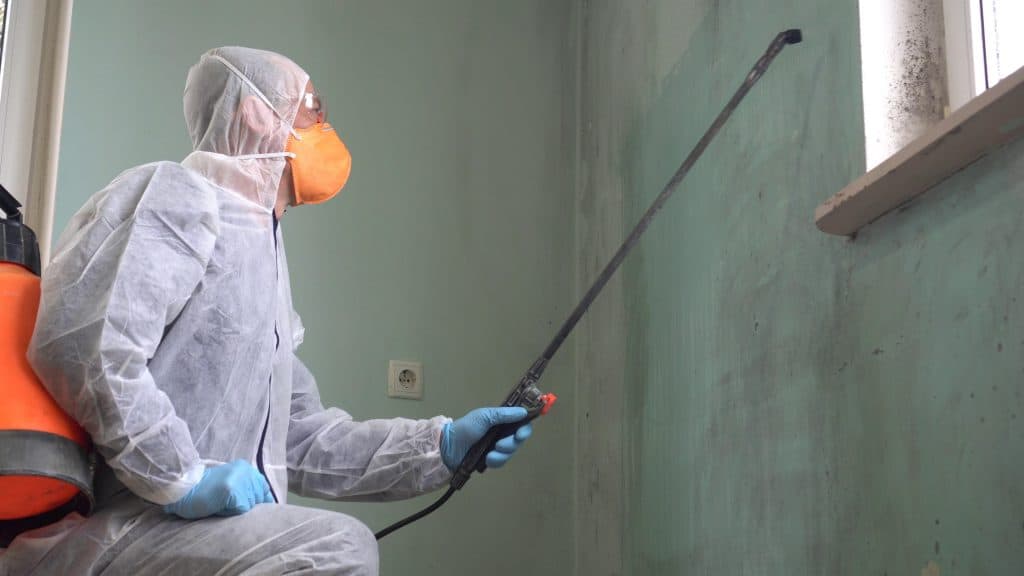
During removal, we contain the affected area to prevent spores from spreading to clean parts of your home. We remove contaminated materials that can’t be saved, treat surfaces with antimicrobial solutions, and use HEPA filtration to clean the air. Then we address the moisture source—because if water’s still getting in, mold will come back.
After removal, we verify the air quality and make sure moisture levels are where they should be. If repairs are needed—drywall replacement, repainting, waterproofing—we handle that too. You’re not coordinating three different contractors. It’s one team, one process, and one point of contact from start to finish.
Ready to get started?
Complete mold remediation means more than scrubbing visible spots. It means finding the source, removing contaminated materials, treating affected areas, and preventing future growth.
In Hulmeville, that often involves basement mold removal after water intrusion. Bucks County homes face constant pressure from groundwater, especially when the ground slopes toward the foundation. We check sump pumps, inspect foundation cracks, and identify drainage issues that let water in. If your crawl space is damp or your basement smells musty, there’s a reason—and we find it.
We also handle black mold removal, which requires extra precautions because of the mycotoxins it produces. Black mold grows in areas with consistent moisture—think leaky pipes, roof damage, or poorly ventilated bathrooms. Our team uses containment barriers and negative air pressure to keep spores from spreading during removal.
Every job includes air quality testing before and after remediation. We want to confirm that spore counts are back to normal levels and that your home is safe. We also provide documentation for insurance claims, resale disclosures, or your own peace of mind. About 47% of homes in the U.S. have visible mold or detectable mold odor—you’re not alone in dealing with this, and you don’t have to figure it out yourself.
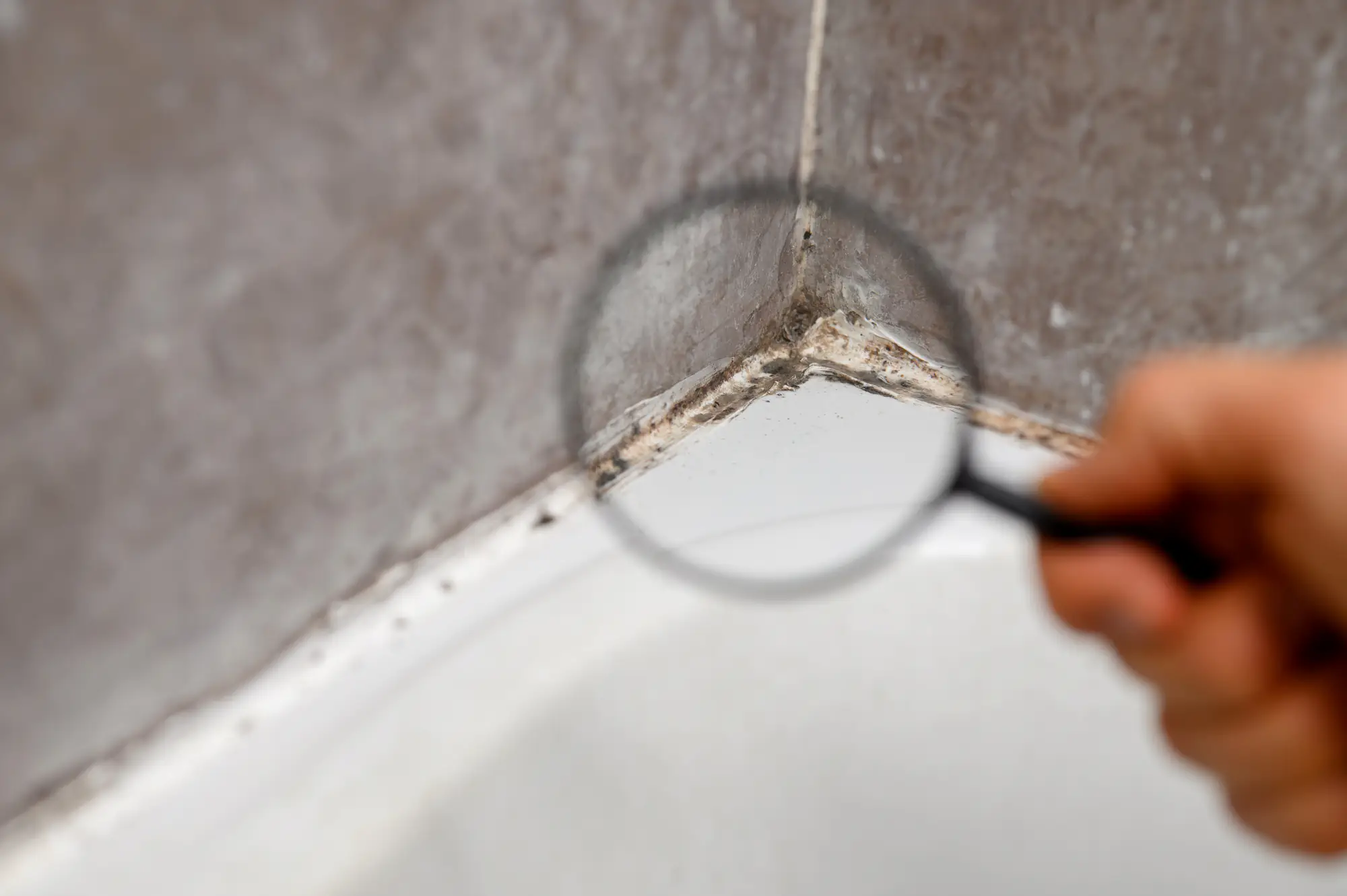
If the mold covers more than 10 square feet, if it’s caused by contaminated water like sewage or flooding, or if it’s in your HVAC system, you need a professional. DIY mold removal works for small, surface-level spots—like a little mildew on bathroom tile. But if you’re seeing mold on drywall, insulation, or wood framing, or if it keeps coming back after you clean it, there’s a bigger issue.
Mold grows because moisture is getting in somewhere. Most homeowners can’t find the source without the right equipment. We use thermal imaging cameras and moisture meters to detect water intrusion behind walls and under floors. If you miss the source, you’re just cleaning the same mold over and over.
There’s also a safety factor. Disturbing mold releases spores into the air, and if you’re not containing the area or using proper filtration, you’re spreading the problem to other rooms. Black mold especially—because of the mycotoxins—shouldn’t be handled without containment and respiratory protection. If you’re dealing with mold in Hulmeville after a basement flood or a roof leak, it’s worth having someone look at it who knows what they’re doing.
It depends on what caused the mold. If mold is the result of a covered peril—like a sudden pipe burst or storm damage—most homeowners insurance policies will cover remediation. But if mold developed because of long-term neglect, poor maintenance, or a slow leak you didn’t address, insurance typically won’t pay.
That’s why documentation matters. When we inspect your home, we photograph everything, measure moisture levels, and identify the water source. If a pipe burst last week and mold started growing, that’s a strong insurance claim. If your basement’s been damp for two years and you’re just now addressing it, that’s harder to get covered.
Some policies have mold coverage limits—often around $10,000—so it’s worth reviewing your policy before filing a claim. We work directly with insurance adjusters and provide the documentation they need: scope of work, photos, moisture readings, and remediation protocols. We’ve handled enough claims in Bucks County to know what adjusters look for and how to present your case. If you’re unsure whether your situation qualifies, we can walk you through it during the free inspection.
Most residential mold removal jobs take two to five days, depending on the size of the affected area and how much material needs to be removed. A small bathroom with mold on the ceiling might take a day or two. A full basement remediation after flooding can take a week, especially if we’re removing drywall, treating framing, and waiting for areas to dry completely before rebuilding.
The process can’t be rushed. After we remove contaminated materials and treat surfaces, we need to verify that moisture levels are back to normal and that spore counts have dropped. If we seal everything up too fast and moisture is still present, mold will grow again—and you’ll be paying for the same job twice.
We also factor in drying time. If your basement flooded, we’re not just removing mold—we’re making sure the space is dry enough that mold won’t return. That might mean running dehumidifiers for a few days or addressing drainage issues outside the home. In Hulmeville, where groundwater and stormwater runoff are constant issues, we often recommend waterproofing or sump pump upgrades as part of the process. Those add time, but they also mean you’re not calling us back in six months.
Mold removal means getting rid of visible mold. Mold remediation means eliminating the mold, treating the area to prevent regrowth, and addressing the moisture problem that caused it in the first place. Remediation is the complete fix. Removal is just the first step.
Here’s why that matters: you can scrub mold off a wall, but if the wall is still damp or if water is still leaking behind it, mold will grow back. Remediation includes finding the water source, fixing it, removing contaminated materials, treating surfaces with antimicrobial solutions, and restoring the area so it’s safe and dry.
In Bucks County, most mold problems are tied to water intrusion—basement flooding, foundation cracks, roof leaks, poor drainage. If we only removed the mold and didn’t address the water issue, we’d be setting everyone up for failure. That’s why our process includes moisture detection, source identification, and prevention. We’re not just cleaning up what’s already there—we’re making sure it doesn’t come back. Remediation costs more upfront than basic removal, but it saves you money and stress in the long run because you’re not dealing with recurring mold problems.
Mold can grow back if the moisture source isn’t fixed. That’s the most common reason remediation fails—someone removes the mold but doesn’t address the leak, the humidity, or the drainage problem that caused it.
Mold needs three things to grow: moisture, organic material (like wood or drywall), and warm temperatures. Your home already has two of those. The only thing we can control is moisture. If we remove mold from your basement but water is still seeping through the foundation, mold will return. If we treat mold in your bathroom but the exhaust fan isn’t working and humidity stays high, it’ll grow back.
That’s why our process includes moisture testing and source identification. We don’t just look at where the mold is—we look at why it’s there. Is your sump pump failing? Is your grading pushing water toward the foundation? Is a slow roof leak dripping into your attic? Once we know the cause, we fix it or recommend the fix.
In Hulmeville, where stormwater runoff and groundwater pressure are ongoing issues, prevention often means waterproofing, drainage improvements, or dehumidification. We’ll tell you what needs to happen to keep mold from coming back. If you address the moisture issue, mold won’t return. If you don’t, it will—no matter who does the removal.
Most mold remediation projects in Hulmeville cost between $1,500 and $5,000, depending on the size of the affected area, the type of mold, and how much material needs to be removed. A small, contained area like a bathroom might be on the lower end. A full basement with extensive water damage and black mold will cost more.
The price includes inspection, containment, removal of contaminated materials, antimicrobial treatment, air filtration, and verification testing. If repairs are needed—like replacing drywall or repainting—that’s additional, but we give you a detailed estimate upfront so there are no surprises.
Some companies charge by square footage. Others charge by the hour. We price based on the scope of work: what needs to be removed, what needs to be treated, and what needs to be fixed to prevent future growth. If your basement needs waterproofing or your crawl space needs encapsulation, we’ll include that in the estimate so you understand the full cost of solving the problem—not just cleaning up the symptoms.
Insurance can cover part or all of the cost if the mold resulted from a covered event like a pipe burst or storm damage. We work with your insurance company and provide the documentation they need to process your claim. If you’re paying out of pocket, we’ll walk you through what’s essential now and what can wait. The national average for mold remediation is around $2,300, but every home is different—and in Hulmeville, where water intrusion is common, the real cost is in preventing it from happening again.
Other Services we provide in Hulmeville