
Hear from Our Customers

You’re not wondering if mold is still hiding somewhere. The air in your home feels cleaner, and you’re not second-guessing every cough or stuffy nose your kids wake up with.
That’s what happens when the moisture source gets identified and addressed, not just the visible growth. Mold doesn’t come back in three months because someone only wiped down the surface and called it fixed.
You also get documentation that matters if you’re selling, buying, or filing an insurance claim. Most policies cover mold removal when it’s tied to a covered event like a pipe leak or storm damage. We handle that paperwork and work directly with your insurance company so you’re not stuck translating contractor language into claim forms.
The goal isn’t just removing mold. It’s making sure your home is safe, your investment is protected, and you’re not dealing with this again next spring when Philadelphia’s humidity kicks in.
We work throughout Wynnefield, PA and the surrounding Philadelphia area. We’re familiar with the housing stock here plenty of pre-1950s construction, brick basements that trap moisture, plaster walls that make remediation trickier than drywall.
We know what happens when homes near the Delaware River deal with humidity that regularly tops 60% in summer. We’ve seen the same basements flood after heavy spring rains, the same HVAC systems that weren’t built for this climate, the same ventilation issues that come with older architecture.
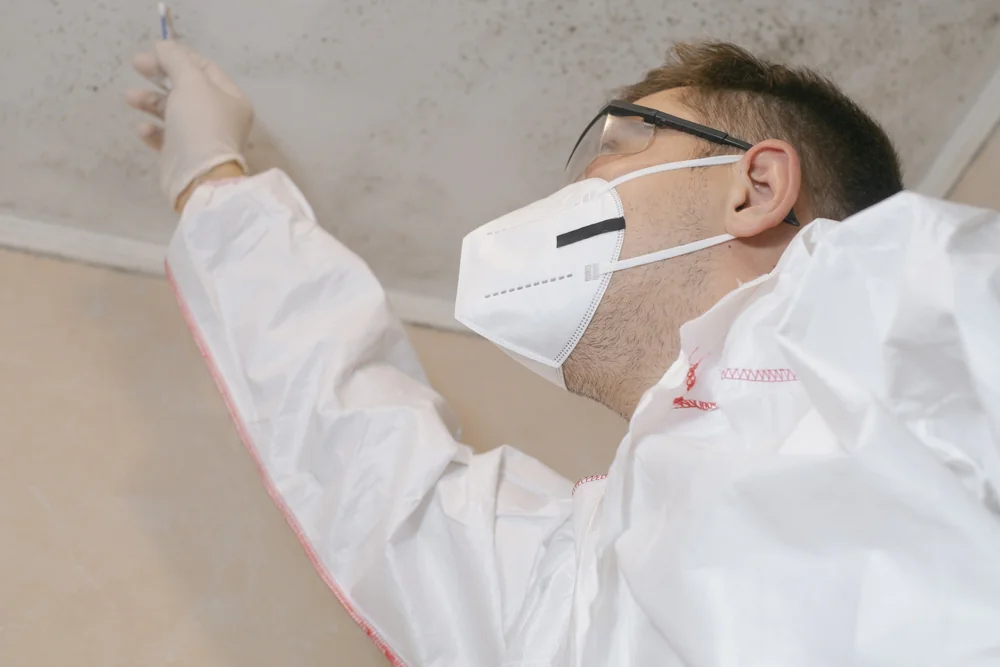
Our team is certified, insured, and trained on EPA-compliant mold abatement services. We use thermal imaging and moisture meters to find problems you can’t see yet. And we don’t leave until post-remediation testing confirms the air quality is back where it should be.
We start with a free inspection. That means checking the obvious spots and the ones most people miss behind appliances, around plumbing penetrations, inside wall cavities if there’s reason to look. We use moisture meters and thermal imaging to map out where water is accumulating.
Once we know what we’re dealing with, you get an upfront estimate. No surprises halfway through the job. If insurance is involved, we help with that process before we start work.
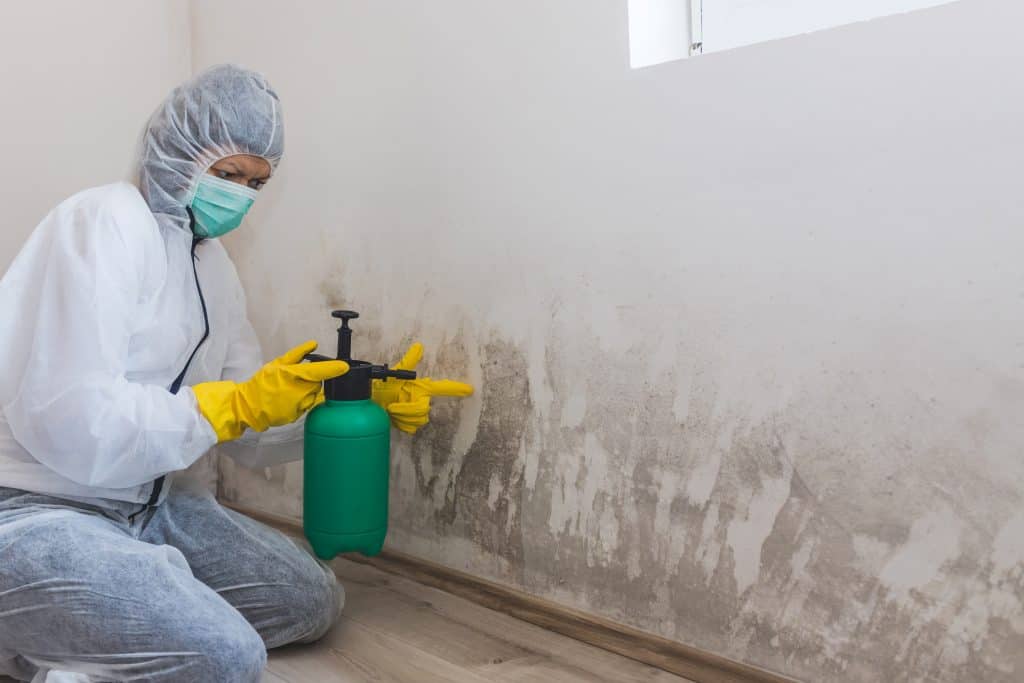
During mold removal, we seal off the affected area with plastic sheeting and run air scrubbers to keep spores from spreading to clean parts of your home. We remove contaminated materials, treat surfaces, and fix or help coordinate fixes for the moisture source whether that’s a leaky pipe, condensation issue, or ventilation problem.
After everything’s cleaned and dried, we run post-remediation testing. That’s not us checking our own work and saying it’s fine. It’s third-party confirmation that mold levels are back to normal and the air is safe.
If materials like drywall or flooring need replacing, we handle reconstruction too. You’re not coordinating three different contractors to get your home back to normal.
Ready to get started?
You get mold inspection services that go beyond what’s visible. We’re checking basements, crawl spaces, attics, and anywhere water or humidity tends to accumulate in Wynnefield’s older homes.
Mold testing services give you a clear picture of what type of mold you’re dealing with and how widespread the problem is. That matters for health reasons and for documentation if you’re in the middle of a real estate transaction.
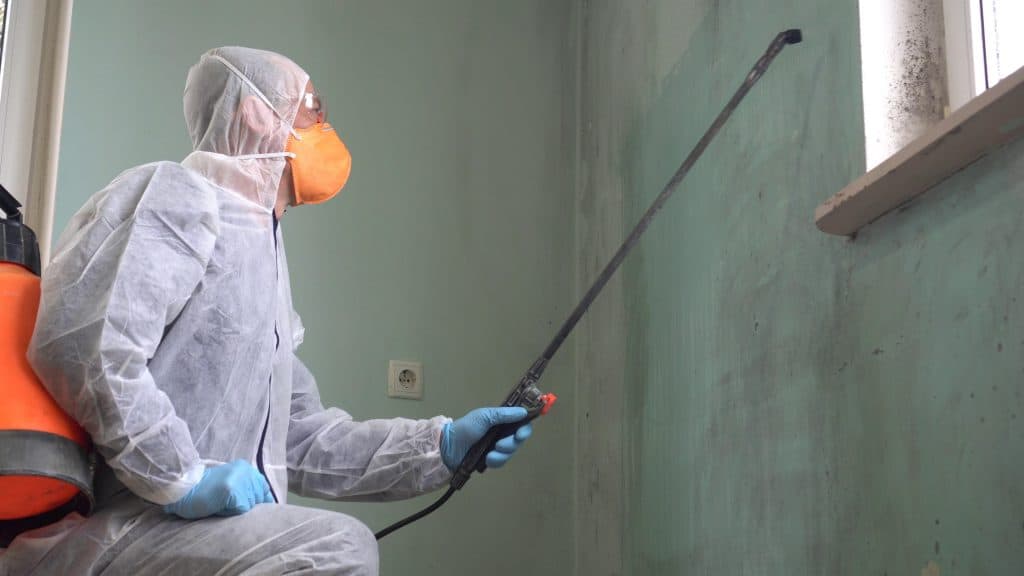
The actual mold cleanup services involve containment, removal, air filtration, and surface treatment. We’re not spraying something over the top and hoping it works. Contaminated materials get bagged and removed. Surfaces get treated with EPA-approved solutions. Air scrubbers run throughout the process.
Mold growth prevention is part of the conversation from day one. We’re identifying why mold showed up in the first place. In Wynnefield, that’s often tied to Philadelphia’s humidity, aging infrastructure, poor drainage around foundations, or HVAC systems that aren’t dehumidifying properly. We’ll walk you through what needs to change so you’re not calling us back next year.
Most projects here run between $1,200 and $3,400 depending on the size and severity. You’ll know the cost before we start, and we’ll work with your insurance if the damage is covered.

If you’re seeing mold growth larger than about 10 square feet, or if it keeps coming back after you clean it, you’re past the DIY stage. That’s the EPA’s guideline, and it’s a good one.
But size isn’t the only factor. If mold is growing inside walls, under flooring, or in your HVAC system, you need professional mold removal even if the visible area is small. You also need a pro if anyone in your home has asthma, respiratory issues, or a compromised immune system mold exposure hits those groups harder.
The other sign is smell. If you’re noticing a musty odor but can’t find visible mold, it’s likely growing somewhere hidden. That’s where moisture meters and thermal imaging come in. We can locate it without tearing apart your walls on a guess.
Cleaning surface mold with bleach might make it look better temporarily, but it doesn’t kill mold inside porous materials like drywall or wood. And it definitely doesn’t fix the moisture problem that caused it. If you’re cleaning the same spot every few months, the root cause isn’t being addressed.
It depends on what caused the mold. Most homeowners insurance policies in Pennsylvania cover mold damage if it resulted from a “covered peril” things like a burst pipe, storm damage, or a leaking roof after wind damage.
What insurance typically doesn’t cover is mold that developed because of long-term neglect or maintenance issues. If your basement has been damp for years and you didn’t address it, that’s usually on you. Same with mold from a slow leak you knew about but didn’t fix.
The key is documentation and timing. If a pipe bursts and you get mold remediation started within a reasonable timeframe, you’ve got a strong claim. If you wait six months, the insurance company might argue you let the problem get worse.
We work with insurance companies regularly. We know what documentation they need, how to photograph the damage, and how to write estimates that align with what adjusters are looking for. We’ll coordinate directly with your insurance company to streamline the claims process and help you maximize your coverage. You’re not translating contractor language into claim forms on your own.
For a typical basement or bathroom mold problem, you’re looking at two to five days from start to clearance testing. Larger jobs like mold throughout multiple rooms or inside wall cavities can take a week or more.
The timeline depends on a few things. First, how much material needs to be removed. If we’re just treating surfaces, that’s faster than removing drywall, insulation, and subflooring. Second, how long it takes to dry everything out. We can’t close up walls or move to the next phase until moisture levels are where they need to be.
Third, whether reconstruction is part of the scope. If you need drywall replaced, flooring reinstalled, or trim work redone, that adds time. We handle all of that in-house so you’re not waiting on another contractor to fit you into their schedule.
Most of our clients in Wynnefield are back in their homes the same day. We’re not asking you to move out for a week unless the contamination is severe or affects your HVAC system. Containment keeps the work area sealed off from the rest of your house. You’ll hear equipment running and see plastic barriers, but daily life doesn’t stop.
Mold removal sounds like you’re getting rid of every single spore, and that’s not realistic. Mold spores are everywhere in the air, on surfaces, floating in from outside. The goal isn’t a sterile environment. It’s getting mold levels back to normal, safe concentrations.
Mold remediation is the accurate term. It means identifying the growth, removing contaminated materials, treating affected surfaces, controlling the spread during the process, and fixing the conditions that allowed mold to grow in the first place.
That last part is what separates a real remediation job from someone just scrubbing visible mold and calling it done. If the moisture source isn’t addressed, mold comes back. In Wynnefield, that moisture source is often tied to Philadelphia’s climate, aging basements, poor ventilation, or plumbing issues common in older homes.
We’re not just removing what you can see. We’re using air scrubbers to filter spores out of the air during the job. We’re sealing off the work area so contamination doesn’t spread. We’re running post-remediation testing to confirm that mold levels are back to baseline. And we’re walking you through what needs to change better ventilation, a dehumidifier, gutter repairs, whatever it is so this doesn’t happen again.
In most cases, yes. We set up containment barriers using plastic sheeting and negative air pressure to keep mold spores from spreading into areas where you’re living. The work zone is sealed off, and air scrubbers are running to filter particles out before they reach the rest of your house.
If the mold problem is in a bathroom, basement, or single room, you’ll barely notice we’re there beyond the equipment noise and the plastic barriers. You can go about your day. You just won’t have access to that specific area until we’re done.
There are exceptions. If mold contamination is throughout your HVAC system, we might recommend staying elsewhere for a day or two while we clean the ductwork and replace filters. Same if the growth is extensive and affects multiple rooms especially if anyone in your household has asthma, allergies, or a weakened immune system.
We’ll tell you upfront if leaving temporarily makes sense. Most of our Wynnefield clients don’t need to. But if you’ve got young kids, elderly family members, or anyone with respiratory sensitivities, it’s worth having that conversation during the inspection. Your health and comfort matter more than finishing a day faster.
Fix the moisture problem, and mold doesn’t have what it needs to grow. That’s the short answer. The longer answer depends on what caused it in the first place.
In Wynnefield and the surrounding Philadelphia area, humidity is a big factor. Summers here regularly hit 60% humidity or higher, and older homes weren’t built with that in mind. A dehumidifier in your basement or crawl space can make a huge difference. You’re aiming to keep indoor humidity below 50%.
Ventilation matters too. Bathrooms need exhaust fans that actually vent outside, not into the attic. Kitchens need range hoods. If your home has outdated or inadequate ventilation, moisture builds up and mold follows.
Check your gutters and downspouts. If water isn’t draining away from your foundation, it’s seeping into your basement. That’s common in older Wynnefield homes where grading and drainage weren’t designed for today’s weather patterns. Extending downspouts and regrading around the foundation are simple fixes that prevent bigger problems.
Finally, don’t ignore leaks. A slow drip under the sink or a roof leak that only shows up during heavy rain will cause mold if left alone. We’ll walk you through what to watch for during the remediation process, and we’re available if you’ve got questions down the road.
Other Services we provide in Wynnefield