
Hear from Our Customers

You stop wondering if that smell is mold. You stop worrying about what’s growing behind the walls or under the floors. Your kids aren’t coughing as much, and the air in your home feels lighter because it is.
The black spots in the bathroom are gone. The musty basement doesn’t make you hold your breath anymore. And when you open the closet or walk into the crawl space, there’s no damp, earthy smell hitting you in the face.
But here’s what matters more than the visible stuff: the source gets handled. We don’t just wipe down surfaces and call it a day. We find where the moisture is coming from whether it’s a slow leak, condensation from your HVAC, or humidity that never leaves and we address it. That’s how you go from constantly battling mold to actually being done with it.
We work with homeowners across Holmesburg, PA and the surrounding Philadelphia area. We’ve been inside enough basements, crawl spaces, and attics in this neighborhood to know what causes problems here and how to fix them right.
Holmesburg’s older housing stock, combined with Philadelphia’s humid summers and aging infrastructure, creates the perfect conditions for mold growth. Rowhouses with shared walls, basements that collect water, and HVAC systems that haven’t been updated in decades all contribute to recurring moisture issues. We see it constantly, and we know how to handle it.
We’re certified, we follow EPA guidelines, and we use equipment that actually works. But more than that, we explain what we’re doing and why so you understand what happened, what we fixed, and what to watch for going forward.
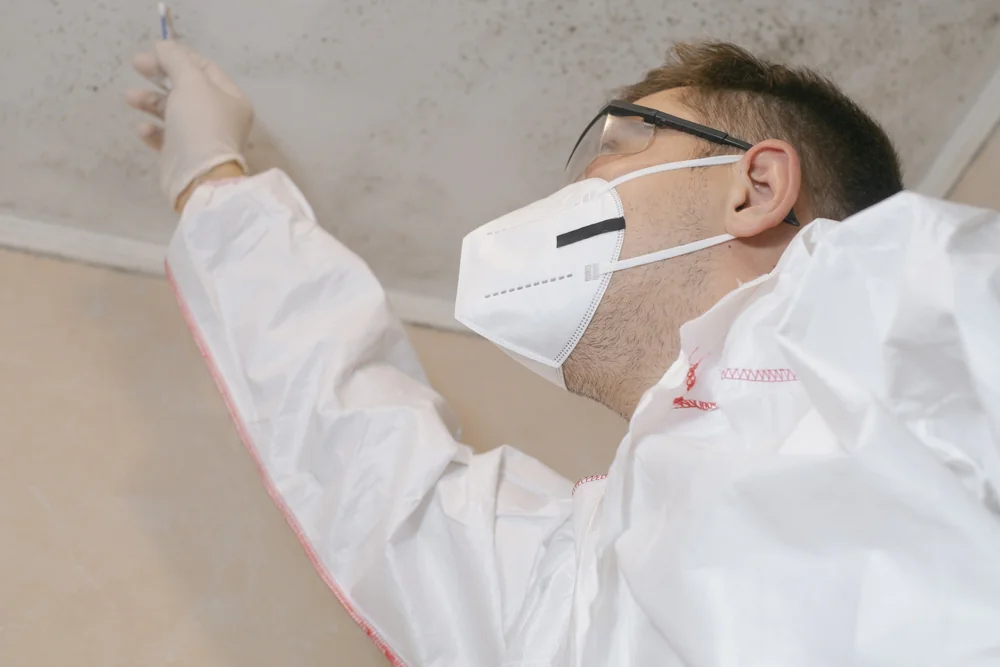
First, we inspect your property. That means checking the obvious spots bathrooms, basements, around windows but also the hidden areas where mold loves to grow. Wall cavities, behind appliances, crawl spaces, attics. We’re looking for active growth and the conditions that caused it.
If we find mold, we test it to identify the type. Not all mold is the same, and knowing what we’re dealing with helps us choose the right removal strategy. Then we contain the area to prevent spores from spreading during cleanup, using physical barriers and negative air pressure.
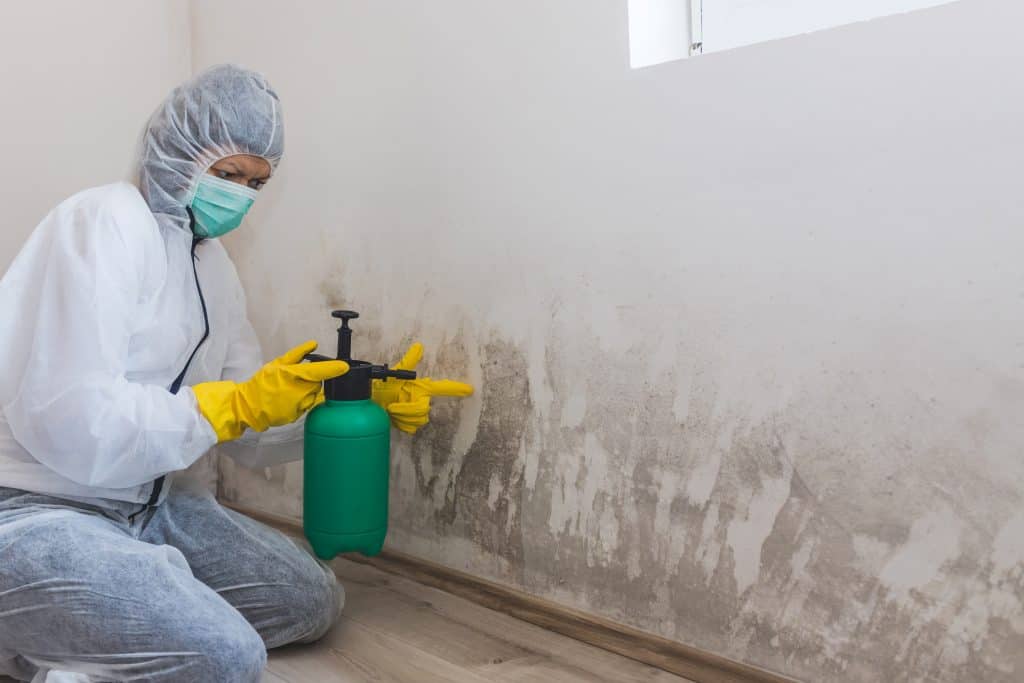
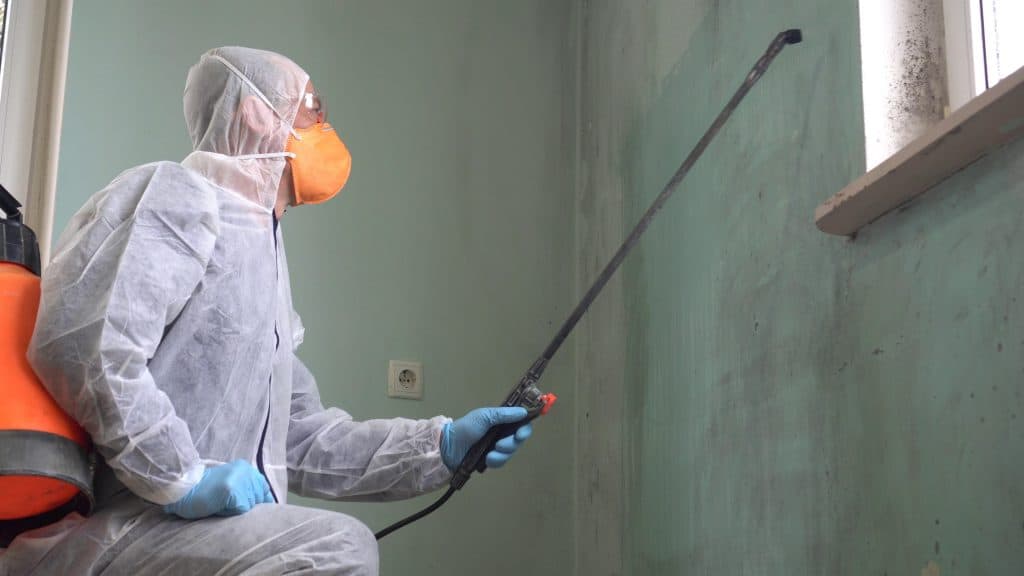
The removal process follows EPA standards. We don’t just scrub and spray. We remove contaminated materials when necessary, clean affected surfaces with the right solutions, and use HEPA filtration to pull spores out of the air. Once the mold is gone, we dry everything thoroughly and treat the area to prevent regrowth.
Then comes the part most companies skip: fixing what caused it. We identify the moisture source whether it’s a leak, poor ventilation, or humidity and give you a clear plan to eliminate it. Without that step, you’re just waiting for mold to come back.
Ready to get started?
You get a thorough inspection of your entire property, including areas most people don’t think to check. We test the mold to determine what species we’re dealing with and how aggressive the remediation needs to be. From there, we contain the affected area, remove the mold using EPA-approved methods, and clean everything with HEPA-grade equipment.
But the service doesn’t stop at removal. We identify why the mold grew in the first place. In Holmesburg, that’s often tied to Philadelphia’s high summer humidity, aging roofing or foundations, poor ventilation in older homes, or HVAC systems that aren’t managing moisture properly. Rowhouses are especially vulnerable because moisture can travel through shared walls, and basements in this area are notorious for water intrusion.
We also help with the insurance process if your situation qualifies for a claim. Mold damage can be expensive Philadelphia homeowners spend an average of $2,438 on remediation, with costs ranging between $1,298 and $3,661 depending on the extent of the problem. We provide detailed documentation and work with your insurer to make the process as straightforward as possible.
After remediation, we offer guidance on preventing future growth. That might mean improving ventilation, addressing leaks, managing indoor humidity, or upgrading parts of your HVAC system. The goal is to make sure this doesn’t become a recurring issue.

If you see visible growth black, green, or white patches on walls, ceilings, grout, or wood that’s mold. If you smell something musty or earthy that doesn’t go away after cleaning, that’s usually mold too, even if it’s hidden. And if anyone in your home is experiencing unexplained respiratory issues, allergy symptoms, or coughing that gets worse indoors, mold exposure could be the cause.
Normal moisture looks like condensation on windows or a damp basement after heavy rain. Mold happens when that moisture sticks around long enough for spores to settle and grow. In Holmesburg and the greater Philadelphia area, our humid summers and older housing stock make this a common issue. Homes built decades ago weren’t designed with the same moisture barriers or ventilation systems we use today, so water intrusion through foundations, roofing, and walls is frequent.
The best way to know for sure is to get an inspection. We check the areas where mold typically hides behind walls, under flooring, in crawl spaces and attics and test any growth we find to determine the type and severity. That gives you a clear answer and a plan to address it if needed.
Most residential mold remediation jobs take between one and three days, depending on the size of the affected area and the extent of the damage. Small, contained areas like a bathroom or closet can often be handled in a day. Larger infestations like a finished basement or multiple rooms take longer because we need to remove materials, treat surfaces, and ensure the area is completely dry before we’re done.
Whether you can stay in your home depends on the location and severity of the mold. If the affected area can be sealed off and we’re using containment barriers and negative air pressure, many homeowners stay in other parts of the house without issue. But if the mold is widespread, involves black mold (which releases more harmful mycotoxins), or affects your HVAC system where spores can circulate, we usually recommend staying elsewhere during the work.
We’re upfront about this during the inspection. You’ll know what to expect before we start, including how long the job will take and whether you need to make other arrangements. The goal is to get the work done safely and thoroughly without dragging it out longer than necessary.
Mold removal is just cleaning up what you can see. Mold remediation is fixing the problem so it doesn’t come back. Removal might involve scrubbing surfaces, wiping down walls, or using a store-bought spray. Remediation involves containment, testing, EPA-compliant removal methods, air filtration, and most importantly identifying and eliminating the moisture source that caused the mold in the first place.
Here’s why that distinction matters: mold spores are everywhere. They’re in the air, on surfaces, floating through your home right now. They only become a problem when they land somewhere damp and start growing. If you remove the visible mold but don’t fix the leak, the condensation issue, or the humidity problem, spores will settle again and you’ll be back where you started in a few weeks or months.
Remediation addresses the root cause. In Holmesburg, that often means dealing with basement water intrusion, improving ventilation in older rowhouses, fixing roof leaks, or managing humidity from HVAC systems that aren’t equipped to handle Philadelphia’s summer moisture levels. We don’t just clean up the mold we make sure the conditions that allowed it to grow are gone.
It depends on what caused the mold. Most homeowners insurance policies cover mold remediation if the mold resulted from a sudden, accidental event like a burst pipe, a roof leak from storm damage, or water damage from a malfunctioning appliance. If the mold is tied to long-term neglect, lack of maintenance, or ongoing moisture issues that weren’t addressed, insurance typically won’t cover it.
The key is documentation. Insurance companies want to see proof that the mold resulted from a covered peril and that you took reasonable steps to prevent further damage. That’s where we come in. We provide detailed reports that outline what caused the mold, the extent of the damage, and the remediation work required. We’ve worked with enough insurance claims to know what adjusters need to see, and we can help you navigate that process.
Even if your claim gets denied or your policy doesn’t cover mold, addressing the problem quickly is still the right move. Mold damage gets worse over time, and delaying remediation leads to more extensive repairs and higher costs down the road. The CDC and Institute of Medicine have both linked mold exposure to serious respiratory illnesses, so protecting your family’s health is worth the investment even if insurance doesn’t pick up the tab.
In the Philadelphia area, mold remediation costs average around $2,438, but the range is wide anywhere from $1,298 to $3,661 depending on the size of the affected area, the type of mold, and how much material needs to be removed. A small bathroom with surface mold on tile and grout will cost far less than a finished basement with mold growing behind drywall and insulation.
Black mold remediation tends to be on the higher end because it requires more aggressive containment and safety measures. Homes with extensive water damage or structural issues common in Holmesburg’s older housing stock also cost more because the remediation process involves removing and replacing building materials, not just cleaning surfaces.
The best way to control costs is to catch mold early. The longer it grows, the more it spreads, and the more expensive the job becomes. We offer free inspections so you know exactly what you’re dealing with before committing to anything. From there, we provide a clear, upfront estimate that breaks down the work and the costs no surprises, no hidden fees. And if your situation qualifies for insurance coverage, we’ll help you document everything to maximize your claim.
If the mold covers less than 10 square feet, it’s on a non-porous surface like tile or glass, and you’re confident the moisture source is fixed, you can probably handle it yourself with the right cleaning solution and protective gear. But if the mold is larger than that, if it’s growing on porous materials like drywall or wood, or if you’re not sure what caused it, calling a professional is the smarter move.
Here’s why: mold spreads through spores, and disturbing it without proper containment can make the problem worse by sending spores into the air and onto other surfaces. If the mold is behind walls, under flooring, or in your HVAC system, you won’t even know how extensive the problem is without the right equipment. And if the moisture source isn’t identified and fixed, the mold will come back no matter how well you clean.
Professional remediation follows EPA guidelines, uses HEPA filtration to remove spores from the air, and includes testing to identify the type of mold and the best removal method. We also handle the containment process to prevent cross-contamination, and we address the underlying moisture issue so you’re not dealing with this again in six months. For most homeowners in Holmesburg especially those in older homes with basements, crawl spaces, or aging infrastructure professional remediation is the only way to truly solve the problem.
Other Services we provide in Holmesburg