
Hear from Our Customers
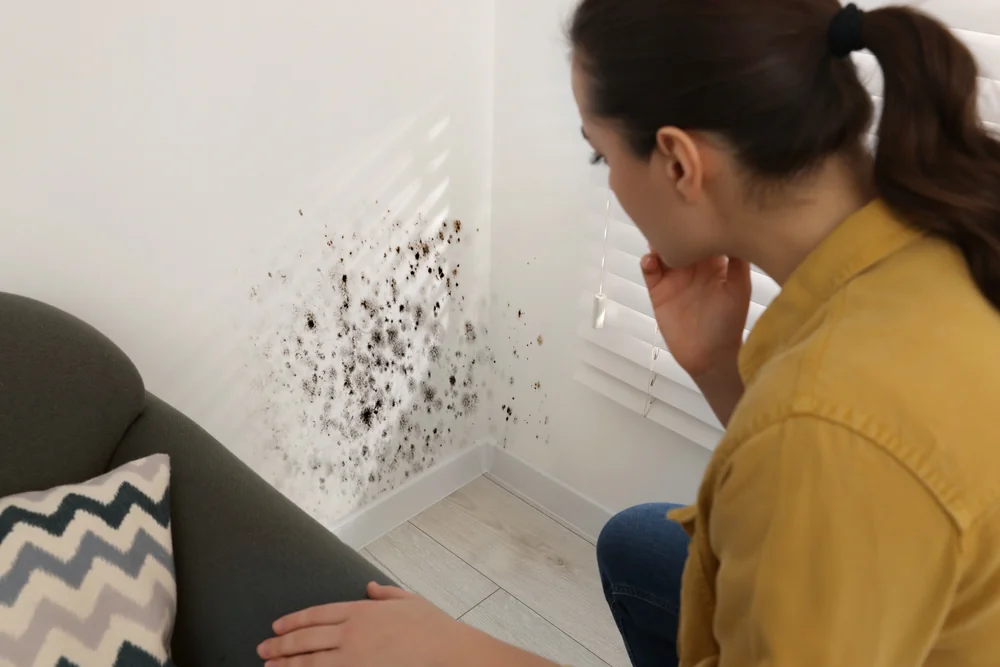
You can’t see mold spores. You can’t see dust mites or pet dander floating through your rooms. But you can feel the effects—the scratchy throat, the stuffy nose that won’t quit, the asthma that seems worse at home than anywhere else.
A home air quality test gives you actual data. We use professional-grade equipment to measure what’s in your air, identify the pollutants causing problems, and pinpoint where they’re coming from. No guessing. No assumptions.
Once you know what you’re dealing with, you can actually fix it. Maybe it’s mold growing behind a wall from an old leak. Maybe it’s poor ventilation trapping allergens inside. Either way, you’ll have a clear path forward instead of wondering why your family keeps getting sick.
We’ve spent two decades helping homeowners in Holmesburg and throughout Bucks County understand what’s happening with their indoor air. We’re IICRC certified, which means we follow the industry standards that actually matter when it comes to mold inspection and air quality assessment.
Holmesburg homes face specific challenges. The older housing stock in this area wasn’t built with modern ventilation in mind. Add Philadelphia’s humid summers and frequent rain, and you’ve got the perfect recipe for moisture problems and mold growth.
We know these homes. We know the basements that flood every spring, the attics with poor airflow, the crawl spaces that stay damp year-round. That local knowledge makes a difference when we’re testing your air and explaining what we find.

First, we walk through your home with you. You tell us about the issues you’ve noticed—musty smells, allergy symptoms, visible moisture. We listen because those details tell us where to look.
Then we start testing. We use moisture meters to check walls, floors, and ceilings for hidden dampness. Infrared cameras show us temperature differences that indicate moisture problems behind surfaces. We collect air samples from different rooms to measure mold spores, allergens, and other pollutants.
The air samples go to a lab for analysis. Within a few days, you get a detailed report showing exactly what’s in your air and at what levels. We sit down with you and explain what the numbers mean in plain language.
If we find mold or other issues, we identify the source. A leak. Poor ventilation. High humidity. Whatever’s causing the problem, we show you where it’s coming from and what needs to happen to fix it. You get a clear plan, not a sales pitch.

Ready to get started?
Our residential air quality testing covers everything that affects the air you breathe. We test for mold spores—all types, not just the visible black mold everyone worries about. We measure common allergens like dust mites and pet dander. We check for moisture levels that create conditions for mold growth.
Holmesburg’s location near the Delaware River means humidity is a constant factor here. Your home is dealing with moisture from the outside air, especially during summer months. That moisture works its way into basements, crawl spaces, and walls. Over time, it creates perfect conditions for mold.
We use professional equipment that goes beyond what you can buy at a hardware store. Our moisture meters detect dampness inside walls before you see any visible damage. Infrared cameras show us cold spots and temperature variations that indicate moisture problems or air leaks. The air sampling equipment we use captures particles you’d never see with your eyes.
You get a written report with lab results, photos from the inspection, and our recommendations. If you need to share it with your insurance company or a real estate agent, you’ll have documentation that holds up. We also work directly with insurance companies when needed, handling the paperwork so you don’t have to fight for coverage.
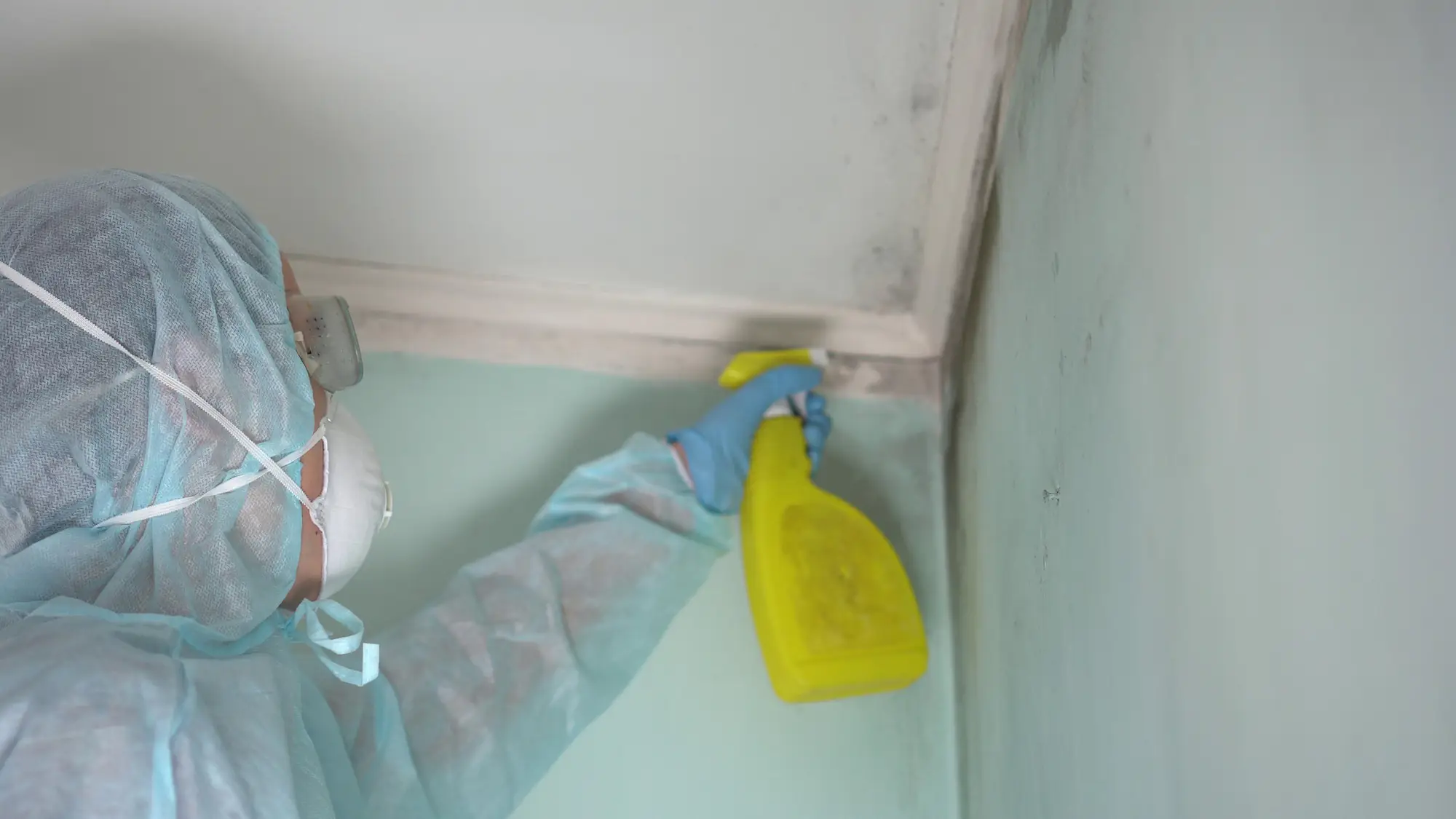
Most residential air quality tests in the Holmesburg area run between $300 and $600, depending on your home’s size and how many areas need testing. A basic mold air test for a small home costs less than comprehensive testing for a larger property with multiple problem areas.
The price includes the on-site inspection, air sample collection, lab analysis, and a detailed report with our findings. If you need additional testing—like checking multiple rooms or testing for specific types of mold—that affects the final cost.
We offer free inspections to assess your situation before you commit to testing. That way, you know what you’re paying for and why. Some homeowners only need testing in one or two rooms. Others need a whole-house assessment. We don’t push you toward more testing than you actually need.
A mold inspection is visual. We look for visible mold growth, water damage, moisture problems, and conditions that allow mold to grow. We check behind appliances, under sinks, in basements, and other common problem areas.
Air quality testing goes deeper. We collect air samples and send them to a lab that identifies what’s actually floating around in your home. The lab report tells you what types of mold spores are present, how many, and whether the levels are normal or elevated. It also picks up other allergens and pollutants you can’t see.
You might need both. If you can see mold or smell that musty odor, an inspection confirms where it’s growing and how bad it is. If you’re having health symptoms but can’t find visible mold, air testing reveals what’s in your air even when nothing looks wrong. Many Holmesburg homes have mold hidden in walls or crawl spaces that you’d never find without testing equipment.
The on-site testing takes a few hours, depending on your home’s size. We’re collecting air samples, checking moisture levels, and documenting everything we find. You don’t need to do anything during this time—we handle it all.
The air samples go to an independent lab for analysis. Lab results typically come back within three to five business days. Some labs offer rush processing if you need results faster, but that costs extra.
Once we have the lab report, we schedule a time to review it with you. We explain what the numbers mean, show you where problems are coming from, and answer your questions. If you need remediation, we put together a plan based on what the test results show. You’re not waiting weeks to find out what’s wrong with your air—this moves quickly.
You can buy DIY air quality test kits, but they have serious limitations. Most consumer kits only test for mold, and they don’t tell you what type of mold or whether the levels are actually dangerous. You’re basically getting a yes/no answer without any context.
Professional testing uses calibrated equipment that measures specific pollutants at precise levels. Our air samples go to certified labs that identify individual mold species, count spore concentrations, and compare your results to normal outdoor levels. That detail matters when you’re deciding whether you need remediation.
The bigger issue with DIY kits is that they can’t find hidden problems. You might test the air in your living room and get normal results, but miss the mold growing in your basement or behind a bathroom wall. We use moisture meters and infrared cameras to find problems you’d never locate on your own. For Holmesburg homes with older construction and common moisture issues, that professional equipment makes the difference between finding the problem and missing it completely.
Persistent allergy symptoms that get worse at home are the biggest red flag. If your nose is stuffy, your eyes itch, or you’re coughing more when you’re inside than outside, something in your indoor air is triggering those reactions.
Musty odors are another clear sign. That smell means mold is growing somewhere, even if you can’t see it. Holmesburg’s older homes often have mold in basements, crawl spaces, or behind walls where moisture has been sitting for months or years.
Visible water damage, past flooding, or ongoing moisture problems all point toward air quality issues. If you’ve had leaks, roof damage, or basement flooding, mold is probably growing. Even if you cleaned up the visible damage, mold spores can linger in your air and continue affecting your health. Testing shows you whether the problem is actually resolved or still present.
Yes. Lab analysis identifies specific mold species, including Stachybotrys chartarum—the black mold everyone worries about. The lab report tells you exactly what types of mold are in your air and at what concentrations.
Here’s what matters more than the color: all mold can cause health problems if you’re breathing it every day. Black mold gets the attention because it produces mycotoxins that can cause serious respiratory issues. But other molds—green mold, white mold, any mold growing in your home—also release spores that trigger allergies and asthma.
The test results show you the full picture. You’ll know if you have black mold, but you’ll also know about every other mold species present. That information guides remediation. Some molds are more aggressive and harder to remove than others. Some indicate specific moisture problems. The lab report gives us the details we need to fix your air quality problem correctly the first time.
Other Services we provide in Holmesburg