
Hear from Our Customers

You’re dealing with more than just a surface problem. Mold affects your air quality, triggers respiratory issues, and if left unchecked, it can compromise the structural integrity of your home. In Brewerytown, where over a third of homes were built before 1940, the combination of aging infrastructure and Philadelphia’s humid climate creates the perfect conditions for mold growth.
When mold cleanup services are done right, you’re not just removing visible spots. You’re addressing the moisture source that caused it, improving indoor air quality, and protecting your family from ongoing exposure. That means fewer allergy symptoms, less coughing and congestion, and confidence that your kids aren’t breathing in something harmful.
The difference shows up in how your home feels. No more musty smell in the basement. No more wondering if that dark patch behind the furniture is getting worse. Just clean air and the peace of mind that comes with knowing the problem is actually solved, not just covered up.
We work throughout Brewerytown and the greater Philadelphia area, and we understand what makes homes here different. The row houses, the older construction, the brick basements that trap moisture we’ve seen it all. We know that mold in a 1920s duplex looks different than mold in a newer apartment building, and we adjust our approach accordingly.
We’re not a national franchise reading from a script. We’re local professionals who understand that 23% of renters in Philadelphia report mold as a habitability issue, and that property owners are dealing with real health concerns and real financial stakes. Our job is to give you straight answers, transparent pricing, and mold damage services that actually fix the problem.
You’ll work with certified technicians who follow EPA guidelines and Pennsylvania regulations. We show up when we say we will, we explain what we find, and we don’t upsell you on services you don’t need.
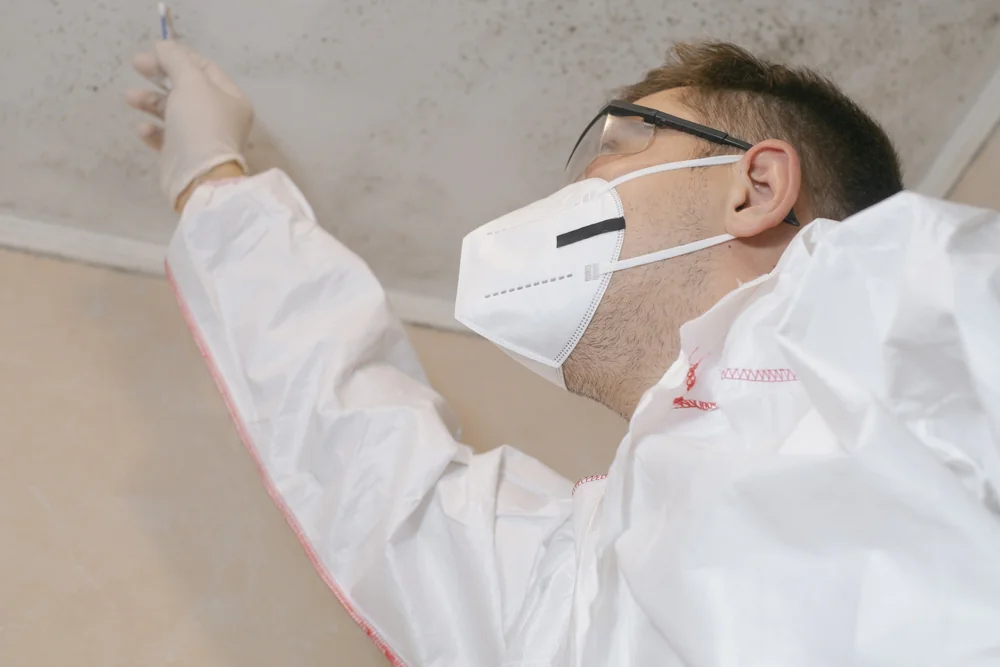
First, we inspect your property thoroughly. That means checking the obvious spots and the hidden ones behind walls, under flooring, in crawl spaces and attics. We’re looking for active mold growth and the moisture source feeding it, because if we don’t fix what’s causing it, you’ll be dealing with this again in six months.
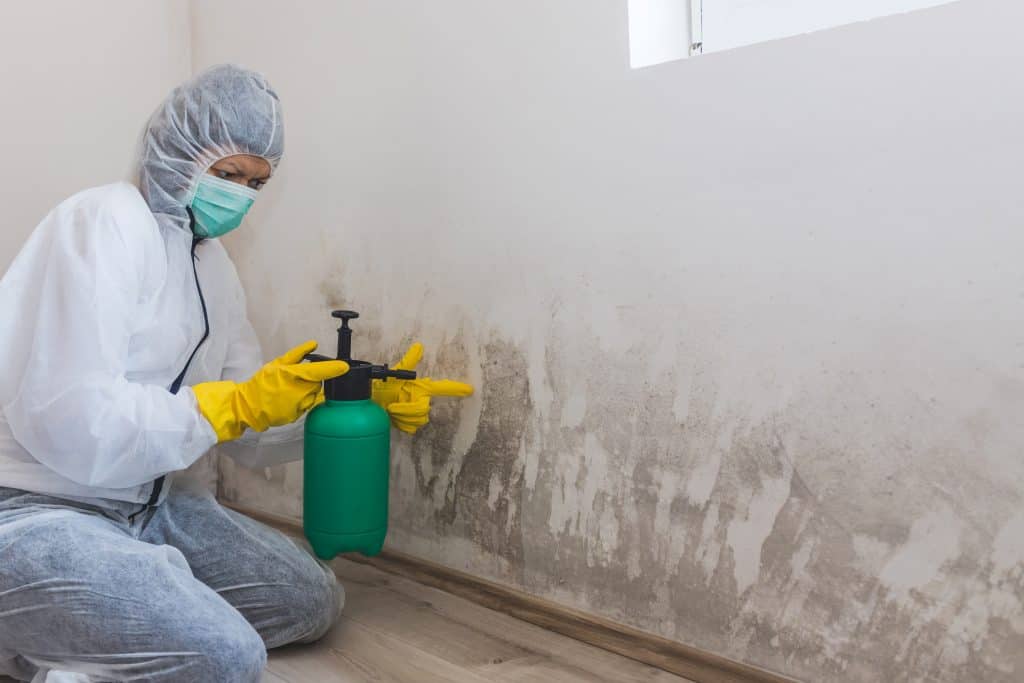
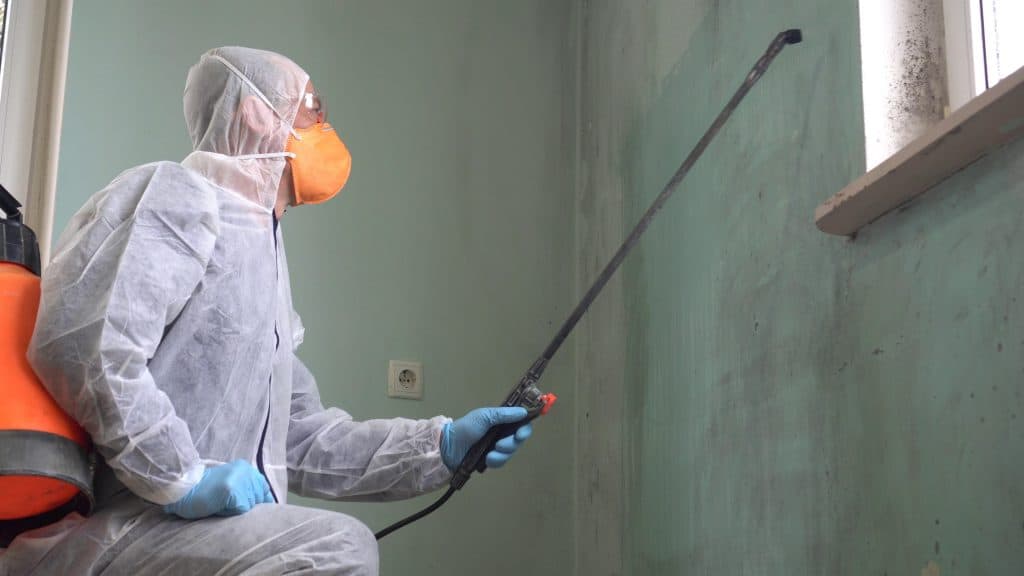
Once we know what we’re working with, we contain the affected area to prevent spores from spreading to clean parts of your home. Then we remove the mold using proper equipment and EPA-approved methods. This isn’t a bleach-and-pray situation. We’re removing contaminated materials when necessary and treating surfaces to eliminate growth at the source.
After removal, we address the moisture problem. That might mean fixing a leak, improving ventilation, or recommending dehumidification. We also clean and sanitize the area, test the air quality to confirm the mold is gone, and restore any materials that were removed. You get documentation of everything we did, which matters if you’re filing an insurance claim or selling your home down the line.
The whole process is designed to be transparent. You’ll know what we’re doing, why we’re doing it, and what it costs before we start.
Ready to get started?
You’re getting a full-scope service, not a quick fix. That starts with mold testing services to identify what type of mold you’re dealing with and how widespread the problem is. Some mold is more hazardous than others, and knowing what you have helps us treat it correctly.
The remediation itself includes containment, removal, cleaning, and disposal of contaminated materials. We use HEPA filtration to capture airborne spores and prevent cross-contamination. If drywall, insulation, or flooring needs to come out, we handle that too. Then we treat the area with antimicrobial solutions and verify that the air quality is back to safe levels.
In Brewerytown specifically, we see a lot of basement mold tied to foundation issues and poor drainage. We also see mold in bathrooms with inadequate ventilation and in older homes where plaster walls have trapped moisture for decades. The average mold remediation cost in Philadelphia runs around $2,400, but that varies based on the size of the affected area and how much material needs replacing.
We also work directly with your insurance company if your policy covers mold damage. That means helping with documentation, photos, and the paperwork that makes the claims process less painful. And if you need emergency mold removal say, after a pipe burst or flooding we’re available 24/7 to start containment and prevent the problem from getting worse.

You’ll usually notice signs before you see the mold itself. A persistent musty smell is the most common indicator, especially in basements, bathrooms, or areas that stay damp. You might also see discoloration on walls or ceilings dark spots, streaks, or patches that look fuzzy or slimy.
Health symptoms are another clue. If you or your family members are experiencing more respiratory issues, allergy symptoms, or headaches when you’re home, mold exposure could be the cause. In Philadelphia, where 21% of asthma cases are linked to dampness and mold in homes, this isn’t something to ignore.
Sometimes mold hides behind walls, under flooring, or in HVAC systems where you can’t see it. If you’ve had water damage, leaks, or flooding in the past, there’s a good chance mold is growing somewhere. A professional mold inspection will find it, test it, and tell you exactly what you’re dealing with. That’s the only way to know for sure and plan the right response.
Moisture is the main culprit, and Brewerytown homes face a few specific challenges. Philadelphia’s humid climate and frequent rainfall create ideal conditions for mold growth year-round. When you combine that with the fact that 34% of homes here were built before 1940, you’re looking at older construction that wasn’t designed with modern moisture control in mind.
Basements are a common problem area. Many older homes have brick or stone foundations that allow water seepage, and poor drainage around the property makes it worse. Bathrooms without proper ventilation trap steam and humidity. Leaking pipes, roof damage, and even condensation from poor insulation can all create the damp environment mold needs to thrive.
In attached housing like the duplexes and townhouses that make up over half of Brewerytown’s housing stock, mold can also spread between units. If your neighbor has a leak and you share a wall, you could end up with mold on your side too. The key is addressing moisture problems quickly before mold has a chance to establish itself and spread throughout your home.
Most residential mold remediation projects take between three and seven days, but the timeline depends on how extensive the problem is. A small area of mold in a bathroom might be handled in a day or two. A basement with widespread growth affecting multiple rooms could take a week or more.
The process itself has several stages that can’t be rushed. Containment and removal might take a couple of days. Then we need time for cleaning, treating surfaces, and allowing antimicrobial solutions to work. If materials like drywall or flooring need to be replaced, that adds time. We also run air quality tests after treatment to confirm the mold is gone before we consider the job complete.
During the work, you can usually stay in your home as long as the affected area is properly contained. We seal it off to prevent spores from spreading to other rooms. If the contamination is severe or affects a large portion of your living space, we might recommend staying elsewhere temporarily. We’ll be upfront about that during the inspection so you can plan accordingly.
It depends on what caused the mold and what your policy covers. Most homeowners insurance will cover mold remediation if it resulted from a “covered peril” something sudden and accidental like a burst pipe, storm damage, or appliance malfunction. If you had a washing machine leak that caused mold, that’s typically covered.
What insurance usually won’t cover is mold from long-term neglect or maintenance issues. If your roof has been leaking for months and you didn’t fix it, or if mold grew because of chronic humidity you didn’t address, the claim will likely be denied. Insurance companies expect homeowners to maintain their property and address problems promptly.
We work with insurance companies regularly and can help you document everything needed for your claim. That includes photos, moisture readings, detailed reports, and estimates. We’ll also communicate directly with your adjuster if needed. The key is reporting the damage quickly and starting remediation as soon as possible. The longer you wait, the harder it is to prove the mold resulted from a covered event rather than ongoing neglect.
Small surface mold in areas like shower grout can often be cleaned with household products, but anything beyond a few square feet should be handled by professionals. The problem with DIY mold removal is that you’re usually only treating what you can see, not the underlying growth or the moisture source causing it.
Disturbing mold without proper containment spreads spores throughout your home, making the problem worse. You’re also exposing yourself to potentially harmful mold types without the right protective equipment. Black mold, for example, produces mycotoxins that can cause serious health issues with repeated exposure. Most homeowners don’t have HEPA filtration, proper containment barriers, or the testing equipment to verify the mold is actually gone.
There’s also the structural concern. Mold often indicates water damage that’s compromising building materials. What looks like surface mold on drywall might be hiding extensive growth inside the wall cavity. Professional mold inspection services identify the full scope of the problem, remove it safely, and address the source so it doesn’t come back. That’s not something you can accomplish with a spray bottle and a scrub brush.
Mold growth prevention comes down to controlling moisture in your home. Fix leaks immediately whether it’s a dripping pipe, a roof issue, or a crack in your foundation. Don’t let water damage sit. The longer moisture is present, the more likely mold will develop.
Improve ventilation in high-humidity areas like bathrooms, kitchens, and basements. Run exhaust fans during and after showers. Consider a dehumidifier in your basement, especially during Philadelphia’s humid summers. Keep indoor humidity below 60%, ideally between 30% and 50%. You can monitor this with an inexpensive hygrometer from any hardware store.
Clean gutters regularly and make sure water drains away from your foundation. In Brewerytown’s older homes, this is especially important because many properties have drainage issues that direct water toward the house instead of away from it. Inside, don’t let wet items sit around dry out anything that gets soaked within 24 to 48 hours. That includes carpets, furniture, and building materials. Mold needs moisture to grow, so if you eliminate the water source and keep things dry, you eliminate the conditions mold needs to thrive.
Other Services we provide in Brewerytown