
Hear from Our Customers
You’re not just paying to make the visible mold disappear. You’re paying to fix what caused it, remove what’s hidden, and prevent it from coming back.
That means air quality you can actually trust. No musty smell lingering in the basement. No black spots creeping back across the ceiling three months later. And no wondering if your kids are breathing in something that’s making them cough at night.
When mold mitigation is done correctly, your home feels normal again. You’re not second-guessing every stain on the wall or worrying about what’s growing behind the drywall. The problem is contained, removed, and handled at the source—not just covered up with a fresh coat of paint.
In Springfield, PA, where humidity and older homes create the perfect conditions for mold growth, you need more than surface-level cleanup. You need someone who understands how water moves through a structure, where mold hides, and how to stop it for good.
We’ve been serving Springfield and the surrounding Bucks County area since 2009. We’re a local, family-owned business—not a franchise with rotating crews who’ve never seen your neighborhood before.
Jeff, the owner, is on-site for every job. That’s not typical in this industry, but it matters. You’re not getting a different technician every time or playing phone tag with a regional manager who doesn’t know your property.
We’re IICRC-certified, which means our team follows the same protocols used by insurance companies and industrial hygienists. We’re not winging it. Every inspection, every containment setup, every removal follows a process designed to protect your health and your home.
Springfield homeowners deal with older construction, basements that flood, and attics that don’t breathe well. We’ve seen it all, and we know how to handle it without tearing apart your house or charging you for work you don’t need.
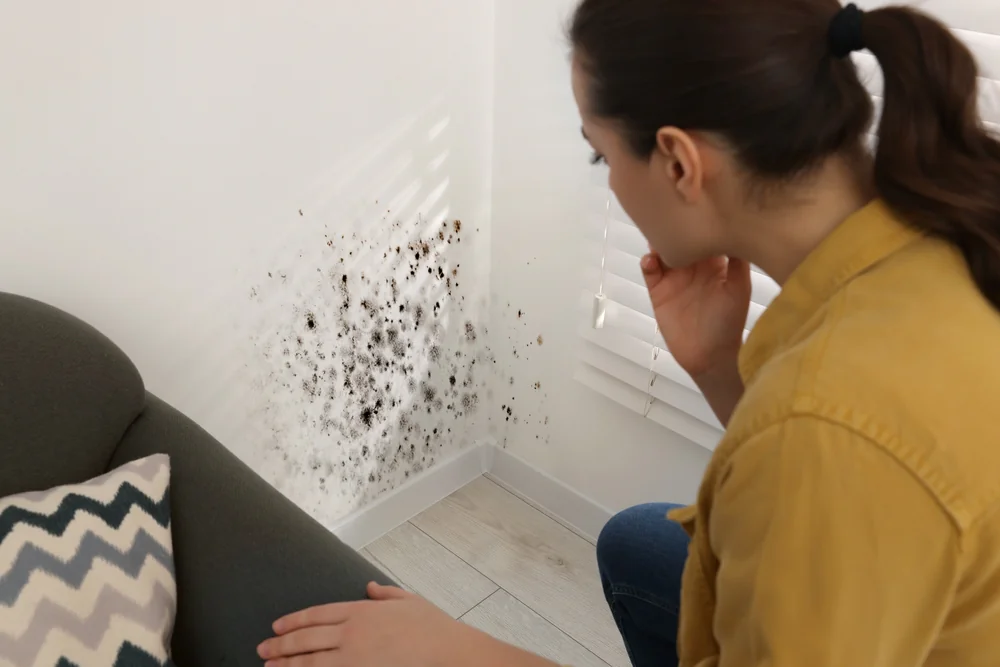
First, we come out and do a free inspection. We’re looking for visible mold, but also moisture sources, hidden growth, and conditions that let mold thrive. We use moisture meters and thermal imaging to find problems you can’t see.
If testing is needed, we collect samples and send them to a lab. Results usually come back within 24 hours. That tells us exactly what type of mold we’re dealing with and how aggressive the removal needs to be.
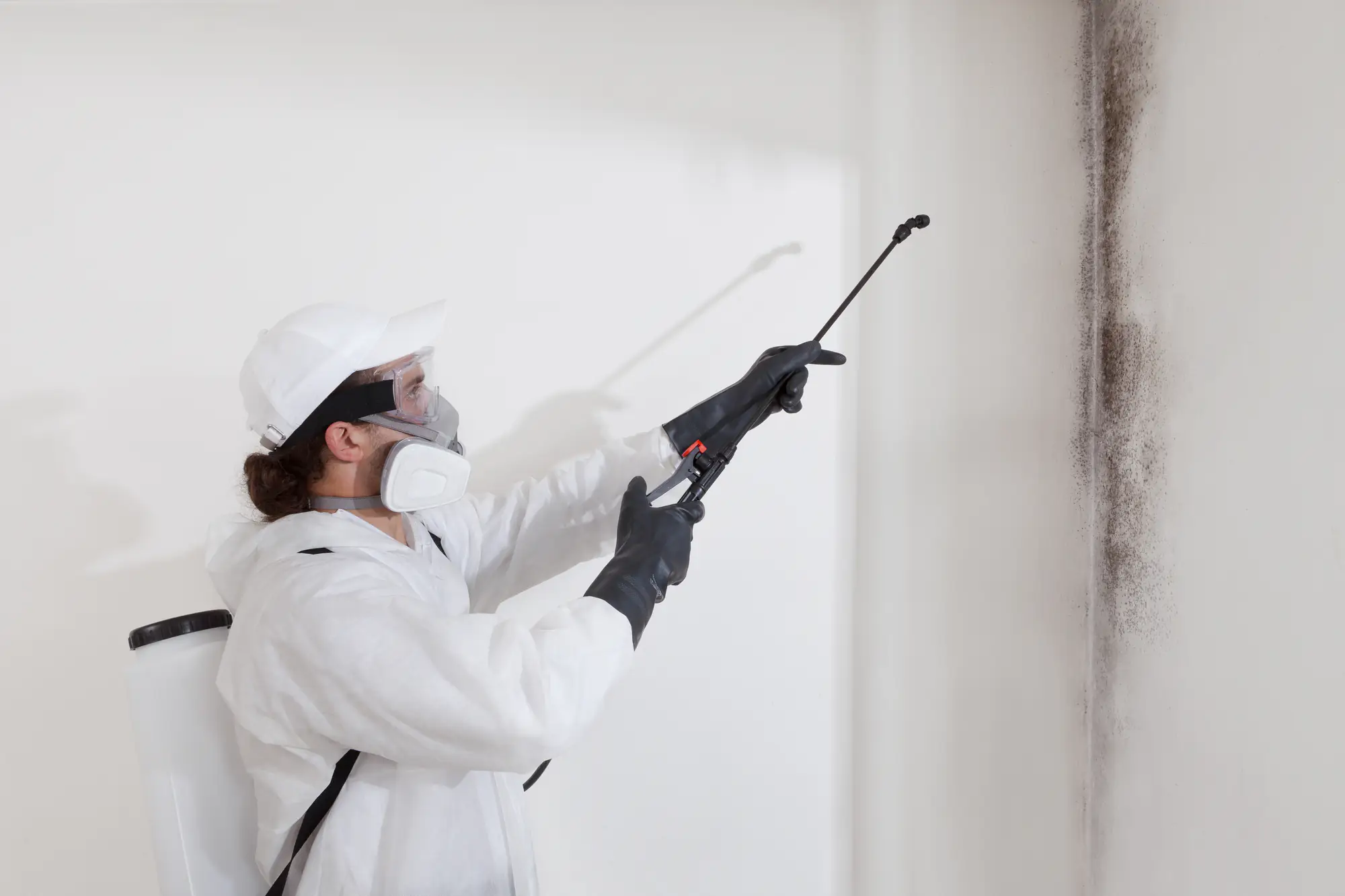
Once we know what we’re working with, we set up containment. That means sealing off the affected area with plastic barriers and negative air pressure so spores don’t spread to clean parts of your home while we work. This step is critical and often skipped by cheaper companies.
Then we remove the contaminated materials—drywall, insulation, flooring, whatever’s affected. We don’t try to save materials that are compromised. If it’s moldy, it goes. We also treat surfaces with antimicrobial solutions and run air scrubbers to filter out airborne spores.
After removal, we address the moisture problem. That might mean fixing a leak, improving ventilation, or recommending a dehumidifier. If we don’t fix the source, the mold will come back.
Finally, we verify the work with post-testing if needed and help you coordinate repairs. You’re not left with a gutted room and no plan. We walk you through next steps and make sure you understand what happened and why.
Ready to get started?
Mold mitigation covers more than just scrubbing walls. It’s a full-scope process that includes inspection, testing, containment, removal, treatment, and prevention.
In Springfield, we handle black mold mitigation in basements, attic mold mitigation in poorly ventilated spaces, and crawl space mold mitigation where moisture gets trapped. We also work on water mold restoration after flooding, burst pipes, or roof leaks—because water damage and mold almost always go hand in hand.
Pennsylvania’s climate makes mold growth fast. You can have a small leak on Monday and visible mold by Thursday. That’s why our emergency response matters. We’re available 24/7 because waiting even a day or two can turn a $2,000 problem into a $10,000 problem.
We also work directly with your insurance company. Mold claims can be tricky, and a lot of homeowners don’t realize what’s covered. We document everything, provide detailed estimates, and communicate with adjusters so you’re not stuck managing the paperwork on top of everything else.
Every job ends with a walkthrough. We explain what we found, what we removed, and what you need to watch for going forward. You’re not guessing. You know exactly what was done and why.
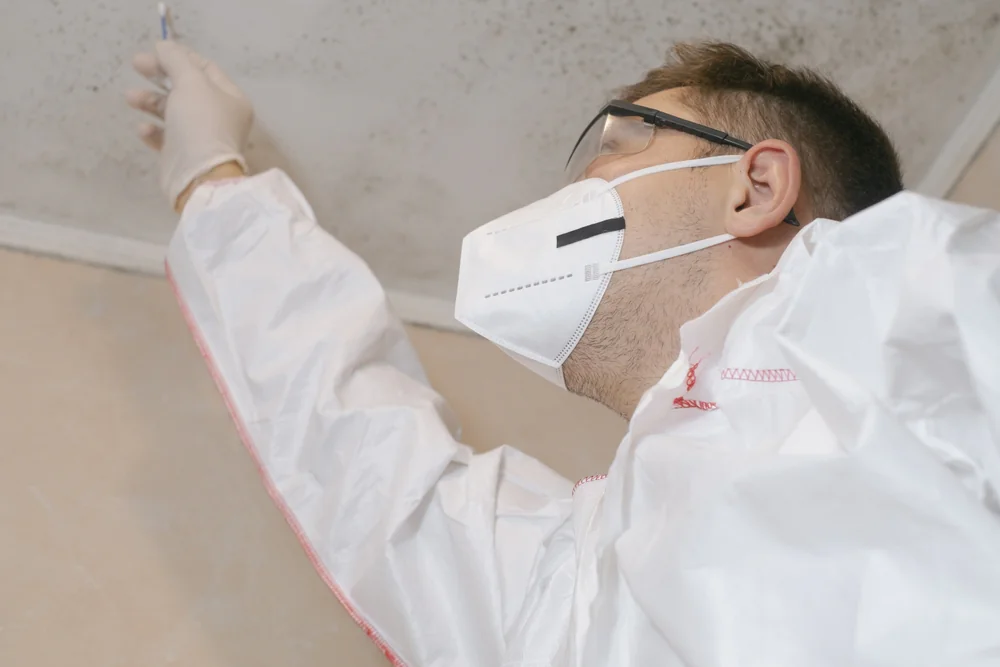
Most residential mold mitigation jobs take between two and five days, depending on the size of the affected area and how far the mold has spread. A single bathroom with surface mold might be done in a day or two. A finished basement with mold behind walls and under flooring could take a week.
The timeline also depends on how quickly materials dry after we remove the contaminated sections. We don’t rush that part. If the framing or subfloor is still damp, we wait. Sealing up a space before it’s completely dry just traps moisture and invites mold back.
You’ll know the timeline upfront. We don’t start work until you understand how long it’ll take, what we’re doing each day, and when you can expect your home back to normal.
It depends on what caused the mold. If it’s from a sudden, accidental event—like a burst pipe or storm damage—most policies will cover mitigation. If it’s from long-term neglect or a maintenance issue like a slow leak you ignored, probably not.
Insurance companies want to see that you acted quickly. If you had water damage and waited weeks to call someone, they may deny the claim. That’s why we recommend reaching out as soon as you notice a problem.
We work with insurance adjusters regularly and can help you navigate the claims process. We’ll document everything, provide photos, write detailed estimates, and communicate directly with your carrier if needed. A lot of homeowners don’t realize that’s an option, but it makes the process a lot less stressful.
Mold removal sounds like you’re getting rid of every single spore, but that’s not realistic. Mold spores exist everywhere—in the air, on surfaces, outdoors. You can’t eliminate them completely.
Mold mitigation is the accurate term. It means reducing mold levels to normal, safe amounts and removing the conditions that let it grow out of control. That’s what we do: remove contaminated materials, treat affected areas, and fix the moisture problem so mold doesn’t come back.
Some companies use “removal” because it sounds more final, but mitigation is the industry-standard term and the honest one. We’re not promising something impossible. We’re promising to get your home back to a safe, healthy state.
In most cases, yes—but it depends on the scope of the work. If we’re mitigating mold in a basement or attic and we’ve set up proper containment, the rest of your home stays livable. You won’t be exposed to spores or chemicals.
If the mold is widespread or involves your HVAC system, we may recommend staying elsewhere for a few days. That’s not common, but it happens. Your safety comes first, and we’ll be upfront if we think you should leave.
Containment is key. We seal off work areas with plastic sheeting and use negative air machines to keep spores from spreading. That’s not optional—it’s part of doing the job right. If a company tells you containment isn’t necessary, that’s a red flag.
If you can see mold, you usually don’t need testing to know you have a problem. Visible growth means mitigation is already necessary. Testing won’t change that.
But testing can be helpful if you’re experiencing symptoms—coughing, headaches, respiratory issues—and you suspect mold but can’t find it. Testing can identify hidden growth and tell us what species we’re dealing with, which affects the removal strategy.
We offer free inspections, and during that visit, we’ll tell you whether testing makes sense for your situation. We’re not going to sell you a test you don’t need. If we can see the problem and know how to fix it, we’ll say that. If testing would give us useful information, we’ll explain why.
Moisture. That’s it. Mold needs water to grow, and Springfield’s climate provides plenty of opportunities—high humidity in summer, ice dams in winter, older homes with poor ventilation, and basements that weren’t built with modern waterproofing.
Common culprits include roof leaks, plumbing failures, condensation in attics, basement flooding, and poorly vented bathrooms. A lot of Springfield homes were built before building codes required vapor barriers or proper drainage, so water intrusion is more common than in newer construction.
The good news is that once you identify and fix the moisture source, mold stops growing. That’s why mitigation isn’t just about removing what’s there—it’s about making sure the conditions that caused it don’t come back.
Other Services we provide in Springfield