
Hear from Our Customers
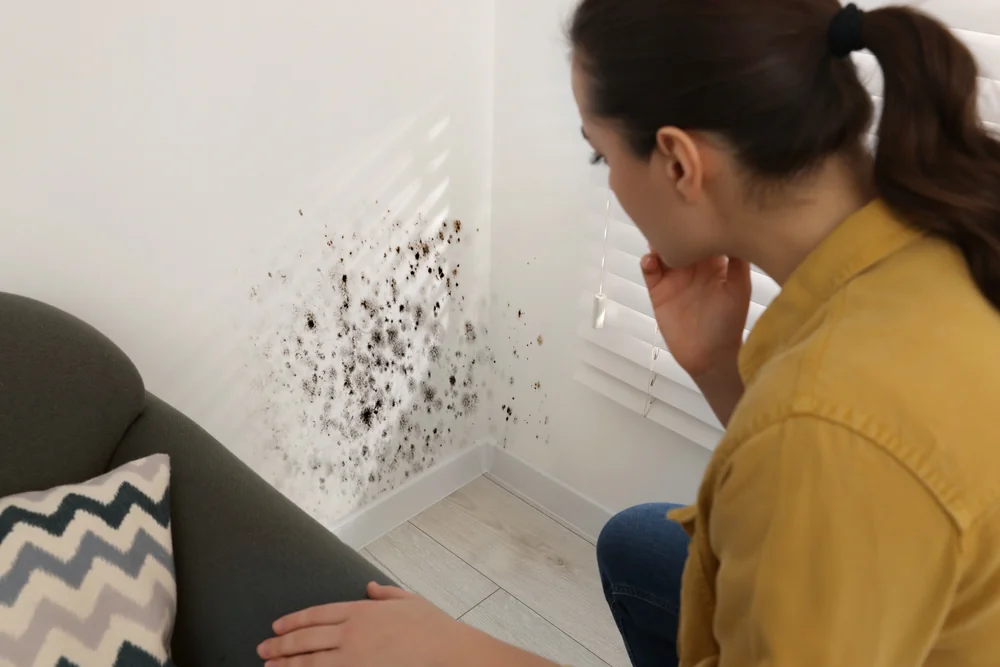
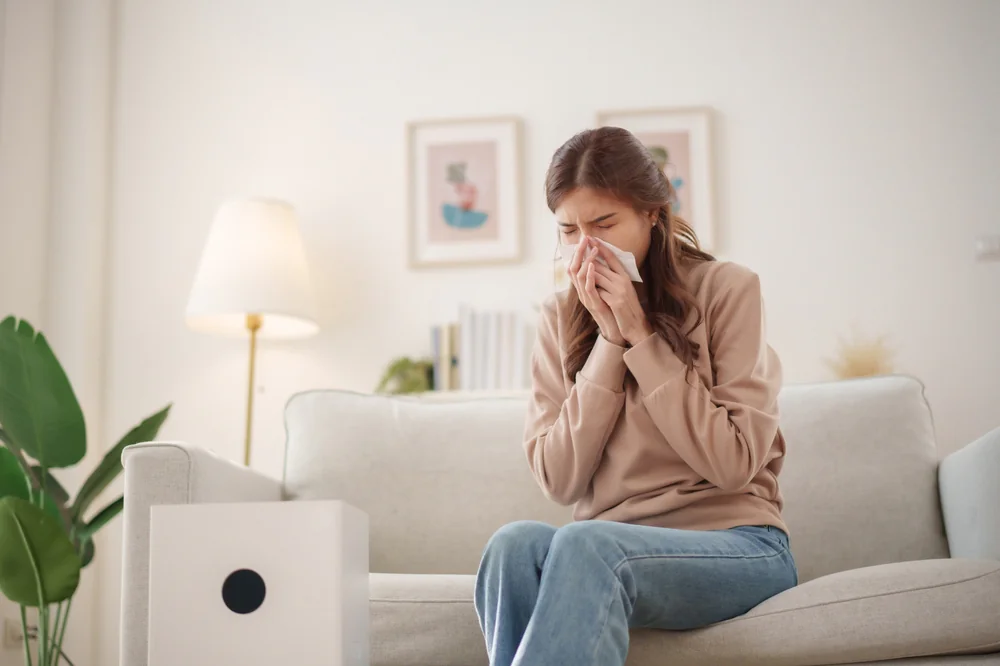
You’ve noticed the signs. Maybe it’s the musty smell that won’t go away, or allergies that get worse the moment you walk through your front door. Your kids are coughing more at night, or you’re waking up with headaches you can’t explain.
The problem is, you can’t fix what you can’t see. That’s where a home air quality test changes everything.
Testing gives you real data about what’s floating around in your home—mold spores, volatile organic compounds, particulate matter, humidity levels. Once you know what’s there, you can actually do something about it. No more guessing. No more treating symptoms without addressing the source. Just clear information that lets you make the right call for your family’s health.
We’ve been testing air quality in Springfield, PA and throughout Bucks County for years. Our Certified Mold Inspectors use calibrated equipment and follow strict documentation protocols—not because we have to, but because accurate results matter when your family’s health is on the line.
We’re local, which means we understand how Pennsylvania’s climate affects your indoor air. The humidity, the older housing stock, the way basements behave in this area—it all plays a role. We’ve seen what happens when water gets into crawl spaces here, and we know where mold likes to hide in Springfield homes.
Every test we run gets analyzed by an independent third-party lab. You get fast, accurate results and a clear explanation of what they mean for your specific situation.
First, we walk through your home and look for the obvious stuff—visible mold, water stains, areas that smell off. We use thermal cameras and moisture meters to find hidden water intrusion behind walls or under floors. These tools show us temperature differences and moisture levels that point to problems you’d never spot on your own.
Next comes the actual air sampling. We use laser particle counters and spore traps to measure what’s in your air. We might take surface samples with tape lifts or swabs if we see discoloration. If your situation calls for it, we’ll do ERMI testing or specific VOC measurements.
The samples go straight to a certified lab. You get a detailed report that breaks down exactly what was found, where the levels are concerning, and what needs attention first. We walk you through the results in plain language and give you a realistic game plan for improving your indoor air quality.
Ready to get started?
Your residential air quality testing covers the contaminants that actually affect health. We measure mold spore counts, identify specific mold species, and check humidity levels that allow growth. We test for VOCs from cleaning products, building materials, and off-gassing furniture. We measure particulate matter and check carbon dioxide levels that indicate poor ventilation.
In Springfield specifically, radon testing matters. About 40% of Pennsylvania homes test at or above EPA action levels for radon—and it’s the second leading cause of lung cancer. If you have a basement or you’re on well water, this should be on your radar.
We also look at your HVAC system, because that’s often where problems spread. Mold in ductwork gets blown throughout your entire home every time the system runs. We check for moisture issues, filter condition, and whether your system is actually moving enough fresh air through your space. Pennsylvania schools have shown us how serious this is—75% of randomly sampled schools had radon levels exceeding federal limits, and 61.5% had mold requiring remediation.
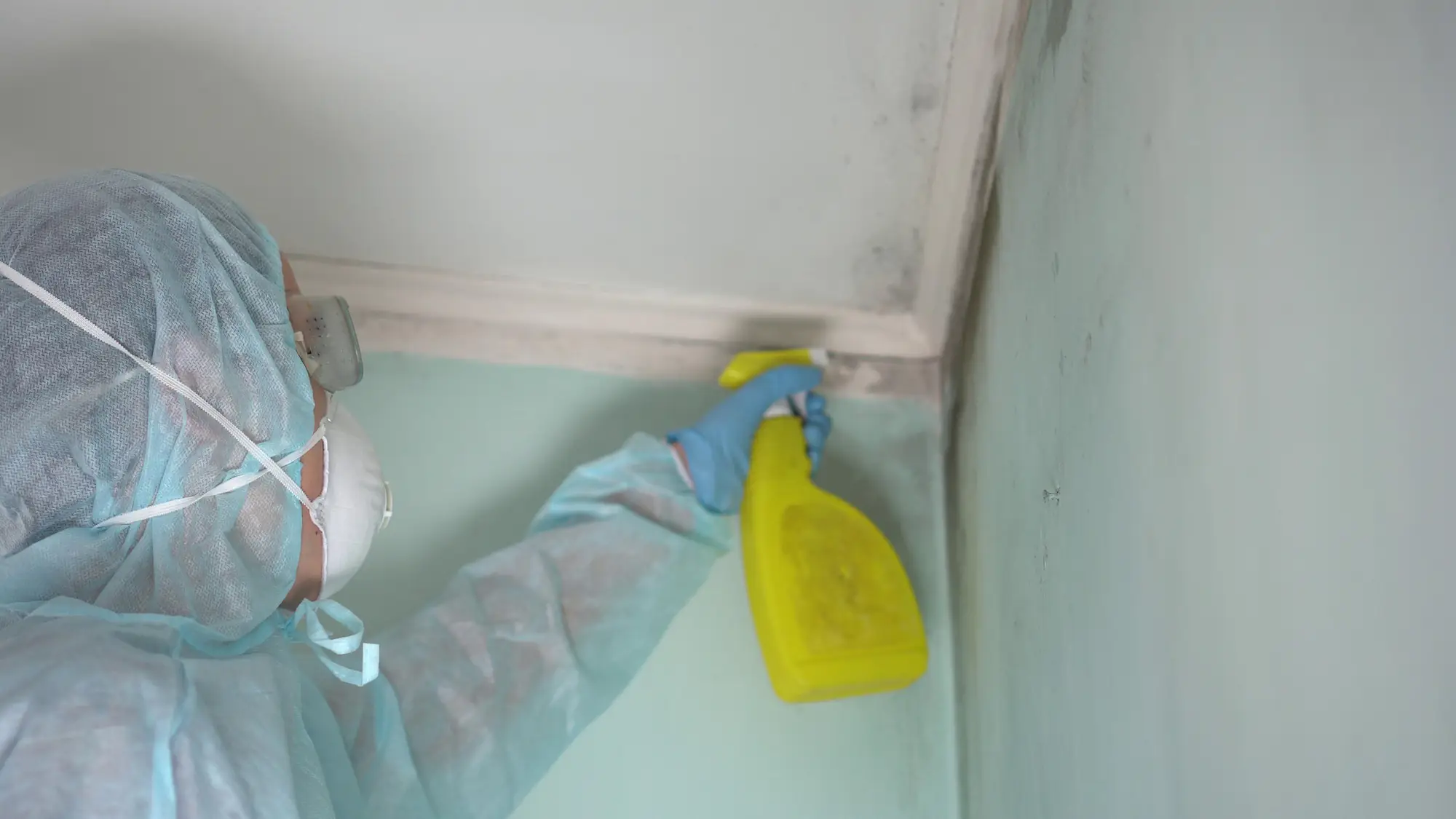
If your allergies get worse at home, that’s your first clue. If you smell something musty but can’t find the source, or if you’ve had any water leaks or flooding—even if it was months ago—you should test.
Other signs include condensation on windows, visible mold anywhere in your home, or family members who feel better when they leave the house. If someone in your home has asthma or respiratory issues, testing isn’t optional. Pennsylvania kids face asthma rates of 13.9%—nearly double the national average—and poor indoor air quality is a major contributor.
You should also test if you’re buying or selling a home, if your house was built before 1990, or if you’ve never tested for radon. The only way to know what’s in your air is to measure it.
A mold air test specifically measures mold spores and identifies species present in your air. It tells you if you have a mold problem and how severe it is. That’s useful if you suspect mold or if you’re dealing with unexplained health symptoms.
A full indoor air quality test is more comprehensive. It includes mold, but also measures VOCs, particulate matter, carbon dioxide, humidity, and sometimes radon. You get a complete picture of everything affecting your air—not just biological contaminants.
If you’re not sure which you need, start with the full assessment. It costs more upfront, but you won’t have to come back and test again because you missed something. Most people who call us have multiple issues contributing to poor air quality, not just one.
The on-site inspection and sampling usually takes two to three hours, depending on your home’s size and what we find. We’re not rushing through it—we’re checking everywhere that matters and documenting everything properly.
Lab results typically come back within three to five business days. Some tests are faster, some take a bit longer if we’re doing specialized analysis. We don’t control the lab timeline, but we use labs known for being quick and accurate.
Once results are in, we’ll call you to schedule a time to review them together. We don’t just email a report and leave you to figure it out. We explain what the numbers mean, which issues need immediate attention, and what your options are for fixing them.
You can buy home test kits, and some are decent for basic screening. But they won’t give you the accuracy or detail you need to make real decisions. Most consumer-grade kits only test for one or two things, and they’re easy to use incorrectly.
Professional air quality testing uses calibrated equipment that’s checked daily for accuracy. We know where to sample, how to avoid contamination, and how to interpret results in context. A high mold count in your basement means something different than the same count in your bedroom—but a home kit won’t tell you that.
If you’re dealing with health symptoms, preparing for remediation, or need documentation for insurance or real estate purposes, professional testing isn’t just better—it’s necessary. The cost difference isn’t worth the risk of missing something or getting unreliable data.
First, don’t panic. Finding contaminants means you can fix the problem—which is better than breathing them without knowing. We’ll walk you through the results and explain which levels are concerning and which are normal for indoor environments.
If we find mold, we’ll identify the moisture source that’s feeding it. Mold doesn’t grow without water, so fixing the moisture problem is always step one. Then we’ll recommend remediation based on the extent of growth and the species involved. Some mold requires professional removal, some you can handle yourself if it’s minor.
For other contaminants like VOCs or high particulate matter, solutions might include better ventilation, air purification, or removing specific sources. If we find elevated radon, mitigation systems are straightforward and effective. We give you options, explain what each one does, and let you decide what makes sense for your situation and budget.
Cost depends on what you’re testing for and how large your home is. A basic mold air test starts lower than a comprehensive indoor air quality assessment that includes multiple contaminants. Most homeowners in Springfield spend between a few hundred and several hundred dollars for professional testing.
That might sound like a lot, but consider what you’re getting: certified inspectors, calibrated equipment, independent lab analysis, and a detailed report with actionable recommendations. Compare that to guessing wrong and spending thousands on remediation you didn’t need—or worse, not finding a problem that’s making your family sick.
If you’re buying a home, the cost of testing is minimal compared to discovering mold or air quality issues after closing. If you’re already experiencing symptoms, testing pays for itself by giving you a clear path forward instead of trying random solutions. Call us for a specific quote based on your situation.