
Hear from Our Customers
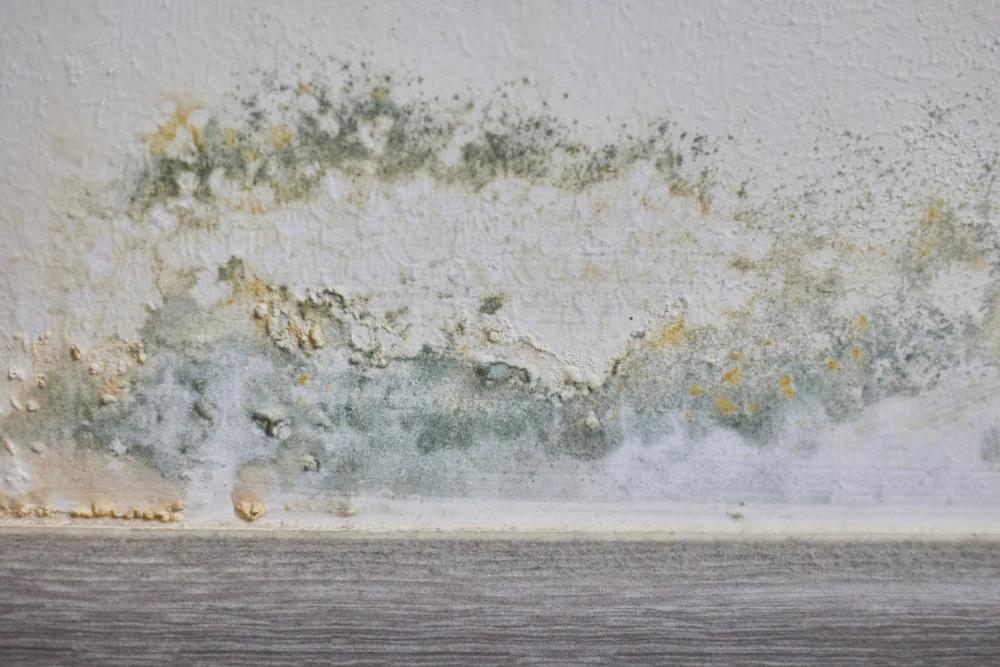
You’re dealing with more than a maintenance issue. Mold affects how your family breathes, how your home smells, and whether you can sell your property without losing value.
Springfield’s climate creates the perfect conditions for mold growth. High humidity, frequent rainfall, and older homes built before modern waterproofing standards mean a small leak on Monday can turn into visible mold by Thursday. That’s not an exaggeration—it’s how fast mold spreads in Pennsylvania.
Professional mold mitigation stops the spread, removes what’s already there, and fixes the moisture problem that caused it. You’re not just cleaning up spores. You’re eliminating the conditions that let mold grow in the first place.
When the job’s done right, you notice the difference immediately. No more musty smell. No more wondering what’s growing behind the walls. Just clean air and the confidence that your home is safe.
We’re a local, family-owned mold mitigation company serving Springfield and Bucks County for over 15 years. Jeff, our owner, is on-site for every job. You’re not working with a rotating crew or a national franchise—you’re working with someone who knows Pennsylvania’s climate challenges and how they affect your home.
We’re IICRC-certified and follow EPA guidelines because your family’s health depends on it. We also work directly with insurance companies, handling documentation and communication with adjusters so you’re not stuck managing paperwork during an already stressful situation.
You get honest assessments, transparent pricing, and a warranty that backs up our work. When we say the mold is gone, it stays gone.
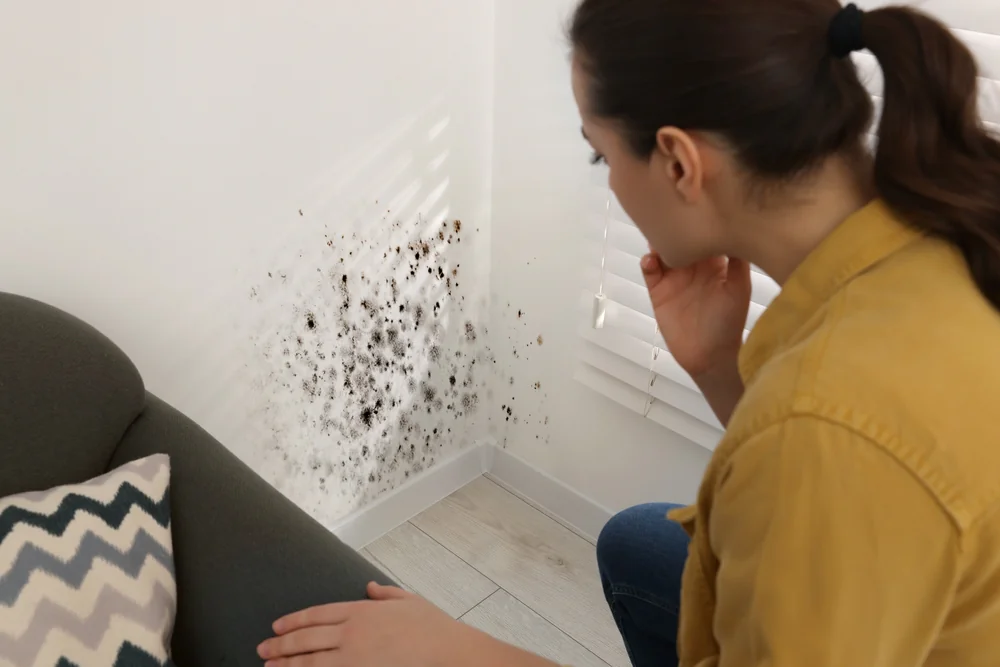
First, we inspect your property to find where the mold is growing and what’s causing the moisture problem. Sometimes it’s obvious—a leaking pipe, a flooded basement. Other times, it’s hidden behind walls or in crawl spaces. We use moisture meters and thermal imaging to locate problem areas you can’t see.
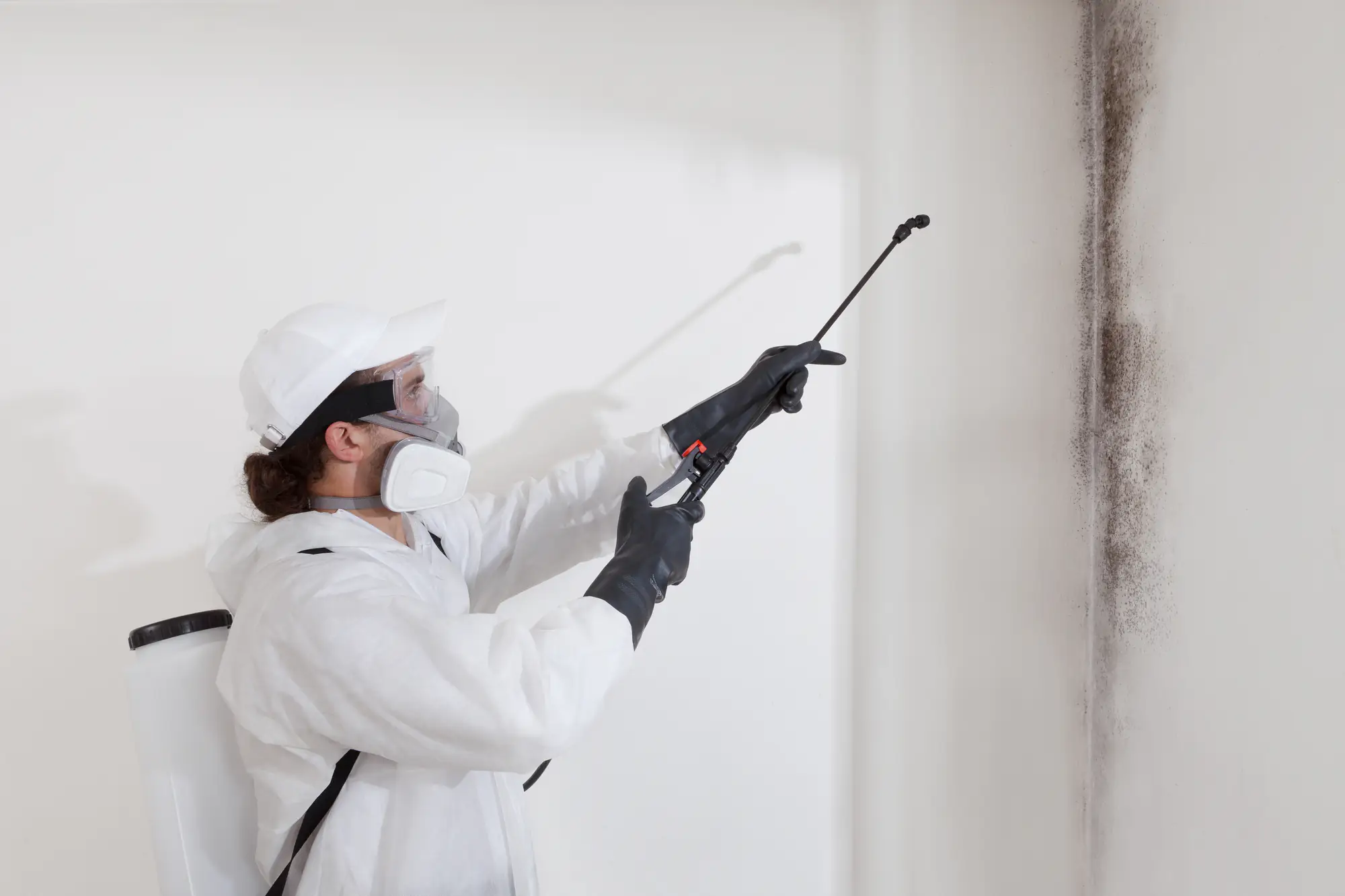
Next, we contain the affected area using negative pressure systems. This keeps mold spores from spreading to clean parts of your home during removal. Then we remove contaminated materials—drywall, insulation, flooring—whatever can’t be salvaged. Everything comes out safely and gets disposed of properly.
After removal, we treat surfaces with antimicrobial solutions and dry everything completely. Mold needs moisture to grow, so eliminating dampness is critical. We also fix the source—whether that’s repairing a leak, improving ventilation, or addressing drainage issues.
Finally, we restore your space. That might mean replacing drywall, repainting, or reinstalling flooring. You get your home back in livable condition, not just mold-free but fully repaired.
Ready to get started?
Complete mold mitigation means addressing every part of the problem. You get a free inspection where we assess the extent of growth, identify moisture sources, and explain what needs to happen. No pressure to buy unnecessary testing—if we can see the mold and fix the problem, we tell you that upfront.
Our service includes containment setup, safe removal of contaminated materials, HEPA air filtration during the process, antimicrobial treatment, and complete drying of affected areas. We also handle black mold mitigation, which requires extra care due to potential health risks. Black mold produces mycotoxins that can cause serious respiratory issues, so proper containment and removal are critical.
In Springfield and Bucks County, we see a lot of basement mold from groundwater seepage, attic mold from roof leaks and poor ventilation, and crawl space mold from standing water. Older homes in the area often lack vapor barriers and proper drainage, which makes moisture control harder. We know how to mitigate mold damage in these specific conditions because we’ve been doing it locally for over a decade.
You also get documentation for insurance claims, direct communication with your adjuster, and a warranty against mold returning in treated areas. We stand behind our work.
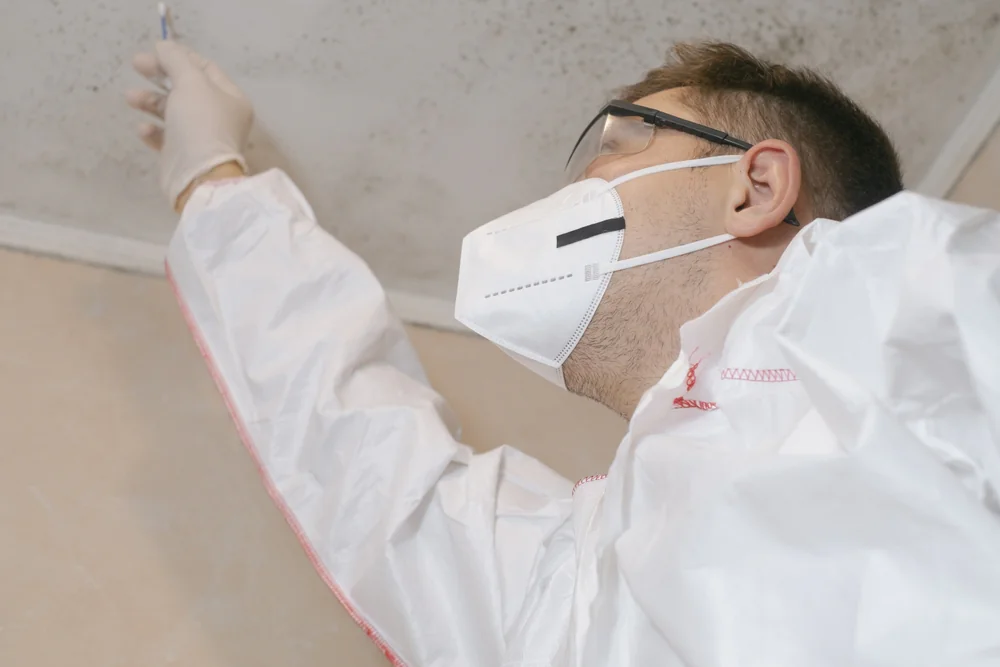
Mold mitigation costs depend on how much mold is present, where it’s located, and what’s causing the moisture problem. A small bathroom mold issue might cost $1,500 to $3,000. A flooded basement with extensive growth can run $5,000 to $15,000 or more.
Here’s what affects the price: square footage of affected area, type of materials that need removal (drywall is cheaper to replace than hardwood flooring), accessibility (crawl spaces and attics cost more), and whether structural repairs are needed. If your roof is leaking and caused attic mold, you’re paying for both mold removal and roof repair.
We offer free inspections and transparent pricing. You’ll know what the job costs before we start, and we work directly with insurance companies to help cover eligible claims. Most homeowner policies cover mold if it resulted from a sudden water event like a burst pipe, though coverage varies.
Waiting makes it more expensive. Mold spreads fast in Pennsylvania’s humid climate, and a $2,000 problem this week can become a $10,000 problem next month.
Most mold mitigation jobs take three to seven days, depending on the size of the affected area and how extensive the damage is. A single-room project might be done in two to three days. Whole-house mitigation can take a week or longer.
Here’s the breakdown: inspection and containment setup take a few hours. Removal of contaminated materials usually takes one to two days. Drying and dehumidification can take two to four days—you can’t rush this part because any remaining moisture will cause mold to return. Treatment and restoration add another day or two.
You can usually stay in your home during the process if the affected area is contained and you’re not experiencing severe health symptoms. We seal off the work area with plastic sheeting and use negative air pressure to keep spores from spreading.
Emergency situations get faster response. If you’re dealing with black mold mitigation or health concerns, we prioritize getting the containment up quickly—often within 24 hours of your call.
Mold removal and mold mitigation are often used interchangeably, but mitigation is the more accurate term. You can’t remove every single mold spore from a building—mold exists naturally in the air. What you can do is reduce mold levels to normal, safe amounts and eliminate the conditions that allowed overgrowth.
Mitigation focuses on both removing visible mold and fixing the underlying moisture problem. If you just clean up the mold without addressing the leak, poor ventilation, or humidity issue, it’ll come back. That’s why professional mold mitigation services include moisture source identification and elimination.
We remove contaminated materials that can’t be cleaned, treat surfaces with antimicrobial solutions, dry everything completely, and repair whatever caused the moisture intrusion. The goal is to mitigate mold damage so it doesn’t return.
Companies that only offer “mold removal” without fixing the source are setting you up for repeat problems. Real mitigation solves the problem long-term.
Small surface mold on non-porous materials—like a little mildew on bathroom tile—you can handle yourself with proper cleaning products and ventilation. Anything larger than 10 square feet, anything involving porous materials like drywall or insulation, or any situation where you’re experiencing health symptoms requires professional help.
Here’s why: disturbing mold releases spores into the air, and without proper containment, you spread the problem throughout your house. Professional mold mitigation companies use negative pressure systems, HEPA filtration, and protective equipment to prevent cross-contamination. We also have moisture meters and thermal imaging to find hidden growth you can’t see.
Black mold mitigation especially requires professionals. Black mold produces mycotoxins that cause respiratory issues, headaches, and other health problems. Improper handling puts you at risk.
Insurance companies also require professional documentation for claims. If you try DIY mitigation and it doesn’t work, you’ve spent money and time without solving the problem—and you might have made it worse by spreading spores.
Most homeowners insurance policies cover mold mitigation if the mold resulted from a sudden, accidental water event—like a burst pipe, appliance leak, or storm damage. They typically don’t cover mold from long-term neglect, maintenance issues, or flooding (which requires separate flood insurance).
Coverage varies by policy, so you need to check your specific terms. Some policies cap mold coverage at $5,000 or $10,000. Others cover the full cost of mitigation and restoration. The key is proving the mold came from a covered water damage event.
We work directly with insurance companies and handle the documentation process. That means taking photos, writing detailed reports, and communicating with your adjuster. We’ve done this hundreds of times, so we know what insurance companies need to approve claims.
File your claim as soon as you discover the problem. Insurance companies expect you to mitigate damage quickly—if you wait and the mold spreads, they might deny coverage for the additional damage. We offer emergency response to help you meet those timelines and protect your claim.
Visible mold is the obvious sign—black, green, or white patches on walls, ceilings, or floors. But mold often grows in hidden places like behind walls, under flooring, or in crawl spaces. You might not see it, but you’ll notice other signs.
A persistent musty smell is a major indicator. If your basement, bathroom, or attic smells like mildew and the smell doesn’t go away after cleaning, you likely have hidden mold. Health symptoms are another clue—unexplained coughing, sneezing, headaches, or worsening asthma, especially when you’re at home and symptoms improve when you leave.
Water stains, discoloration, or peeling paint suggest moisture problems, which lead to mold growth. If you’ve had any water damage—roof leaks, plumbing issues, flooding—there’s a good chance mold followed, even if you can’t see it yet.
We offer free inspections in Springfield and Bucks County. If you suspect mold but can’t find it, we use moisture meters and thermal imaging to locate problem areas. Sometimes homeowners spend money on mold testing when the issue is visible and fixable—we’ll tell you honestly whether testing is necessary or if we should just get to work solving the problem.