
Hear from Our Customers
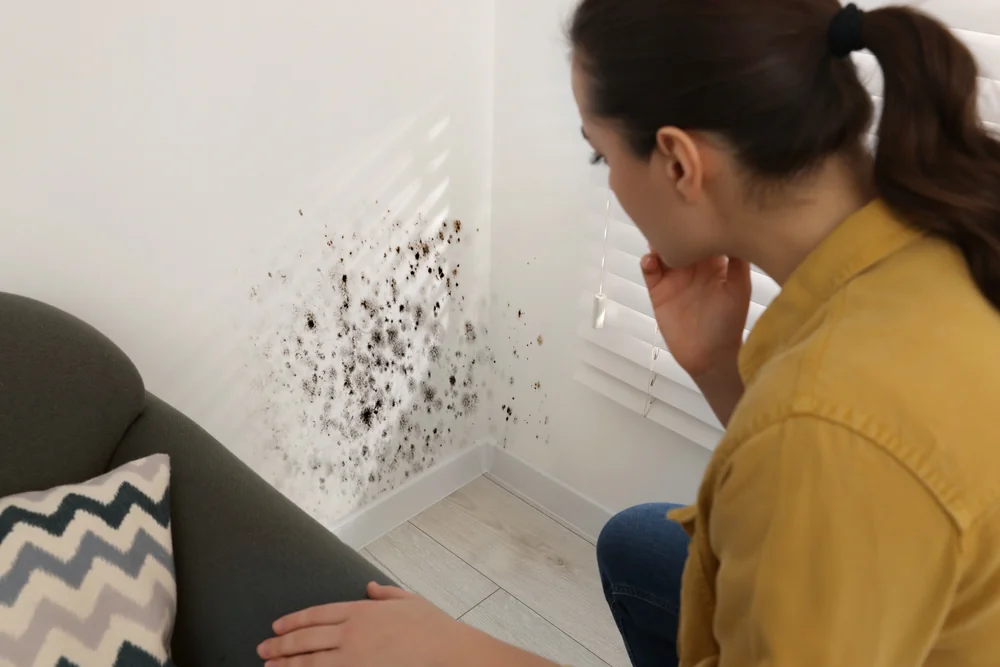
You notice the musty smell in the basement. Your kids’ allergies seem worse indoors than out. Maybe you’ve spotted discoloration on a wall, or you’re buying a home and want to know what you’re getting into before closing.
A home air quality test gives you actual data instead of guesswork. You’ll know if mold spores are present, where moisture problems exist, and what’s triggering respiratory issues in your house. That information matters when you’re deciding whether to remediate, negotiate a home price, or just sleep better knowing your air is clean.
Bucks County’s humid summers and older housing stock create perfect conditions for mold growth and poor ventilation. The air inside your home can be two to five times more polluted than outdoor air because contaminants get trapped inside. Testing shows you exactly what’s there and how serious it is.
Once you have results, you can make informed decisions. Fix the actual problem instead of masking symptoms. Stop wondering if that cough is seasonal or something in your house.
Mack’s Mold Removal focuses exclusively on creating healthy homes in Bucks County. We’re not a general restoration company that does mold on the side. This is what we do.
Our team uses EPA-approved testing methods and professional-grade equipment to analyze air samples from your home. We’ve worked in enough Yardley properties to recognize the common issues: basement moisture from older foundations, attic ventilation problems, HVAC systems that circulate mold spores instead of filtering them out.
You get a thorough inspection at no cost, then clear explanations of what we find. No upselling. No scare tactics. Just honest assessment of your indoor air quality and what it means for your home.

We start with a visual inspection of your property. Basements, crawl spaces, attics, bathrooms—anywhere moisture accumulates or ventilation falls short. We’re looking for visible mold, water damage, condensation patterns, and conditions that allow mold to thrive.
Then we collect air samples from multiple locations in your home. These samples get analyzed in a lab to identify the types and concentrations of mold spores, allergens, and other airborne contaminants present. Surface samples may be taken if we spot suspicious growth that needs identification.
The lab results tell us what’s in your air and whether levels exceed safe thresholds. You receive a detailed report explaining the findings in plain language. If we find problems, we’ll walk you through your options for remediation—what needs to happen, realistic timelines, and cost expectations.
Testing typically takes a few hours onsite. Lab results come back within a few days. Then you know exactly where you stand and what comes next.
Ready to get started?
Your residential air quality testing includes a complete visual mold inspection of the property. We check problem areas specific to Yardley homes: older basements prone to seepage, attics with inadequate ventilation, bathrooms without proper exhaust systems.
Air sampling captures what’s floating around in the spaces where your family spends time. The lab analysis identifies specific mold species, spore counts, and other airborne particles affecting your indoor environment. This matters because different molds require different remediation approaches, and knowing what you’re dealing with prevents wasted effort on the wrong solution.
You also get documentation suitable for insurance claims if remediation becomes necessary. Many homeowners don’t realize their policy covers mold damage until they have professional test results proving the problem exists and requires intervention.
Yardley’s housing stock includes many properties built before modern building codes addressed moisture control and ventilation. Homes from the 1950s through 1980s often lack vapor barriers, have undersized exhaust fans, or feature finished basements that trap humidity. These conditions don’t automatically mean you have a mold problem, but they increase risk. Testing shows you whether those risk factors have created actual air quality issues in your specific home.
You need testing if you smell musty odors you can’t locate, if family members have unexplained respiratory symptoms that improve when they leave the house, or if you’ve had water damage and want to confirm it didn’t create a mold problem.
Testing also makes sense before buying a home, especially older properties in Yardley where basements and attics may hide issues that aren’t visible during a standard home inspection. A mold air test gives you leverage to negotiate repairs or price reductions based on actual data instead of assumptions.
If you’ve tried cleaning visible mold and it keeps coming back, testing identifies whether you’re dealing with surface growth or a deeper moisture problem that requires professional remediation. Surface cleaning won’t fix mold that’s growing inside walls or under flooring.
A mold inspection is visual—we look for signs of mold growth, water damage, moisture problems, and conditions that support mold. Air quality testing involves collecting samples that get analyzed in a lab to identify what’s actually in your air.
You can have mold growing behind walls or in HVAC ducts that isn’t visible during an inspection. Air sampling catches those hidden problems because mold releases spores into the air even when you can’t see the source. The lab results tell you what types of mold are present and whether concentrations exceed safe levels.
Most comprehensive assessments include both: visual inspection to find obvious problems and likely sources, plus air testing to catch what you can’t see. That combination gives you the complete picture of your indoor air quality and any mold issues affecting your home.
The onsite portion takes two to four hours depending on your home’s size and how many areas we’re testing. We’ll inspect the property, collect air samples from multiple rooms, and take surface samples if we find visible growth that needs identification.
Air samples go to an independent lab for analysis. Results typically come back within three to five business days. You’ll receive a detailed report showing what was found, concentration levels, and whether any mold species present are known health concerns.
We schedule a follow-up call to review results and answer questions. If remediation is needed, we’ll explain what that involves, give you a realistic timeline, and provide a detailed estimate. If your air quality is fine, you’ll have documentation proving that for your records or for a real estate transaction.
Home test kits exist, but they have significant limitations. Most capture mold spores on a petri dish without identifying species or measuring concentrations. You’ll know mold is present—which is true in virtually every home—but not whether levels are dangerous or what type you’re dealing with.
Professional air quality testing uses calibrated equipment to collect measured samples. Lab analysis identifies specific mold species and quantifies spore counts so you can compare them to safe thresholds. That information determines whether you need remediation and what approach works for the specific mold in your home.
DIY kits also can’t find hidden sources. We combine air testing with a thorough inspection that locates where mold is growing and what’s causing it. Knowing you have mold spores doesn’t help much if you can’t find the source and fix the moisture problem feeding it.
Coverage depends on what caused the mold. If it resulted from a covered event like a burst pipe or storm damage, most policies cover testing and remediation. If it developed gradually from humidity or poor maintenance, coverage is less likely.
Your policy probably excludes mold that results from long-term moisture problems you should have addressed. But sudden water damage that leads to mold growth within a few days typically qualifies for coverage. The key is documenting the timeline and cause.
We provide detailed reports and documentation that support insurance claims when appropriate. Professional test results carry more weight with insurance adjusters than homeowner observations. We’ve worked with enough claims in Bucks County to know what documentation insurers require and how to present findings that support your case.
First, don’t panic. Most homes have some mold spores in the air. The question is whether concentrations exceed safe levels and whether the species present pose health risks. The lab results answer both questions.
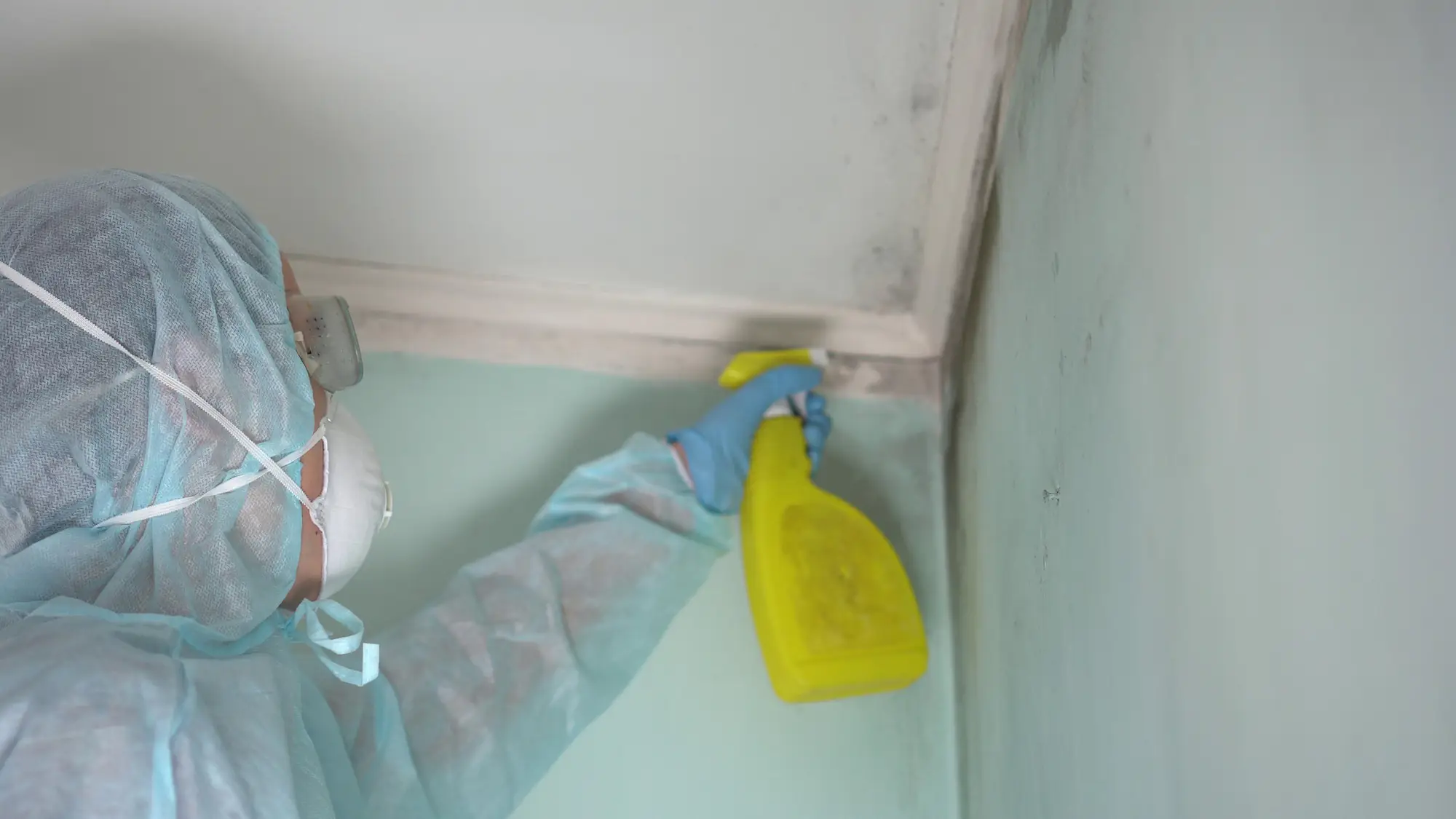
If we find a problem, we identify the moisture source feeding it. Mold needs water to grow. Until you fix the leak, humidity issue, or ventilation problem, remediation won’t stick. We locate the source during inspection so remediation addresses the cause, not just the symptom.
Then we explain your options. Minor issues might need simple fixes you can handle yourself. Significant contamination requires professional remediation following EPA protocols. We give you a detailed scope of work and cost estimate so you can make an informed decision. You’re never obligated to hire us for remediation just because we did the testing, but we’re available if you want the problem handled correctly.
Other Services we provide in Yardley